

Let’s start with production monitoring in China. By the time we reached pre-shipment inspection, reality had shown up uninvited. Scratches. Wrong labels. A few units that simply didn’t work. Nothing catastrophic on its own, but together? A quiet disaster waiting to ship.
That’s the thing about Common Issues Found During Pre-Shipment Inspections in China—they rarely look dramatic at first glance. But if you let them slip through, they hit your margins, your timelines, and your reputation all at once.
Let me walk you through what actually happens on the ground—and how smart importers stay ahead of it.
At a glance
- Most pre-shipment issues are small inconsistencies that scale into big problems
- The biggest risks: quality variation, packaging errors, functionality defects, and documentation gaps
- Delays often come from labelling and compliance mistakes, not just product issues
- The fastest way to control risk? Work with a reliable sourcing company in China or a local inspection team
- Fixing problems before shipment is always cheaper than fixing them after arrival
Why Local Control Beats Late Surprises
Let me be blunt: relying only on factory self-checks is where most importers go wrong.
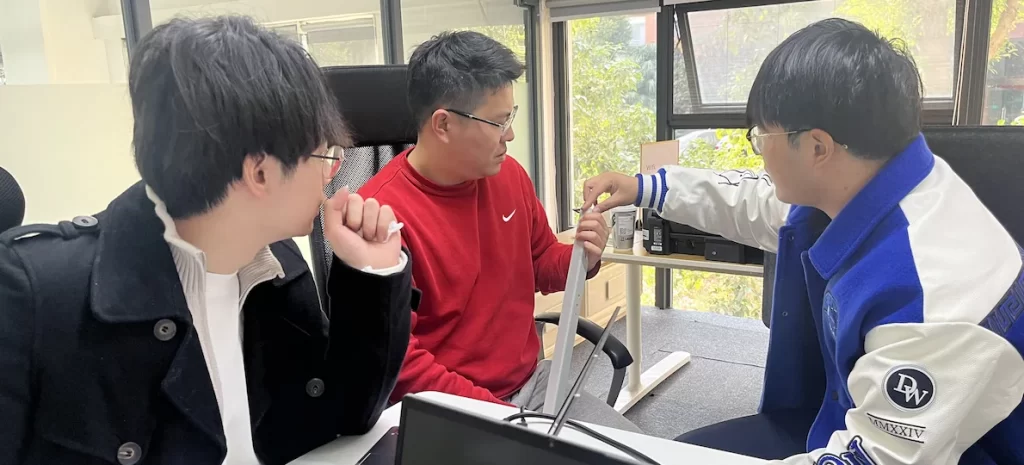
Factories are optimised for production—not for protecting your brand. This is exactly why experienced buyers don’t skip a product inspection service in China or a trusted sourcing partner. When you work with a local team—especially a seasoned China sourcing agent for OEM/ODM manufacturing—you’re not just getting a report. You’re getting eyes, leverage, and immediate action.
At OwlSourcing, for example, our team doesn’t just flag problems—we step in on-site, talk to the factory, and push for corrections before goods leave the warehouse.
That speed matters. Because once your shipment is on the water, your options shrink fast—and your costs expand even faster.
The Silent Killer: Inconsistent Quality
Here’s a hard truth: consistency is harder than quality. A factory can produce 100 great units. The real test is whether they can produce 10,000 identical ones.
During inspections, we regularly see:
- Slight color mismatches
- Material substitutions
- Poor finishing (scratches, rough edges, weak stitching)
- Assembly inconsistencies
Individually, these might seem minor. But multiply them across a full container, and suddenly you’re dealing with returns, complaints, and brand damage.
This is where ‘Why Quality Control Is Important When Sourcing From China‘ stops being theory and becomes painfully real. The benefit of catching this early? You still have leverage. The factory hasn’t been paid in full yet. Corrections are still possible. And emotionally? You sleep better knowing your customers won’t be your quality control department.
Packaging & Labelling: The Underrated Risk
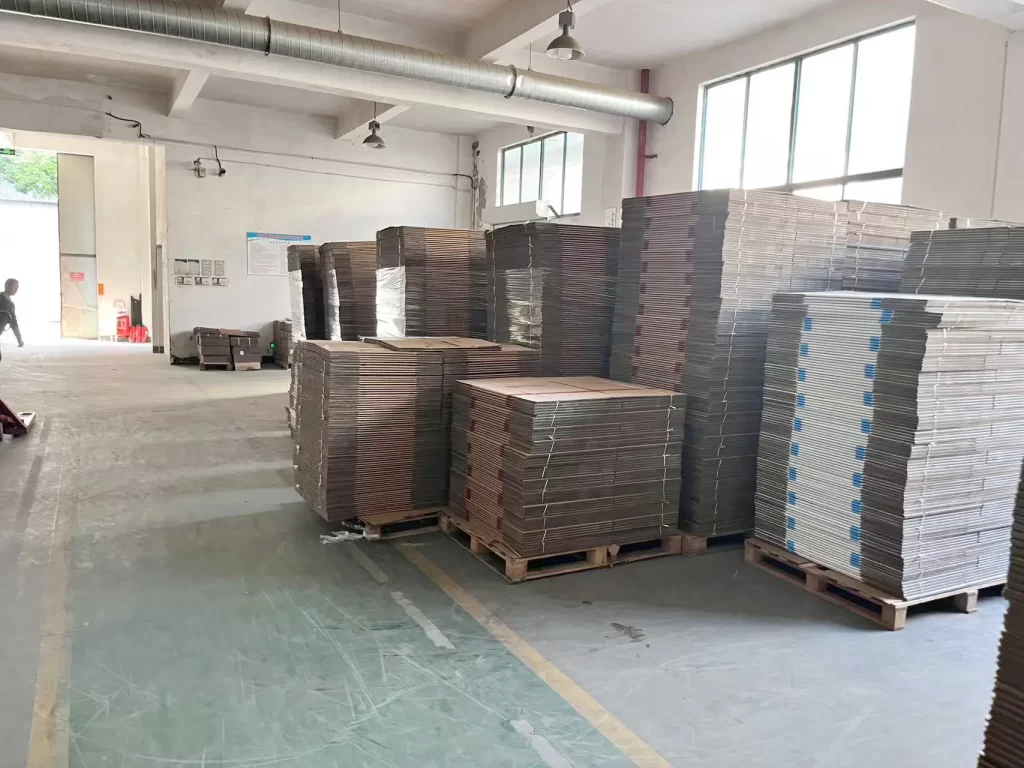
You’d be surprised how often solid products get ruined by bad packaging. I’ve seen fragile items packed like bricks. No cushioning. Weak cartons. Incorrect stacking. The kind of mistakes that guarantee damage during shipping from China.
And then there’s labelling—arguably even more dangerous.
Common issues include:
- Missing compliance marks (CE, RoHS, etc.)
- Incorrect country-of-origin labels
- Wrong barcodes or SKU info
- Incomplete product details
If you’re selling on platforms like Amazon, poor labelling alone can kill your listing. That’s why Amazon FBA packaging quality control in China has become non-negotiable for serious sellers. Even outside e-commerce, customs delays due to labelling errors can cost weeks. The upside of catching this during inspection? Fixing packaging in China is cheap. Fixing it after arrival is not.
Functionality Failures: When “Looks Good” Isn’t Enough
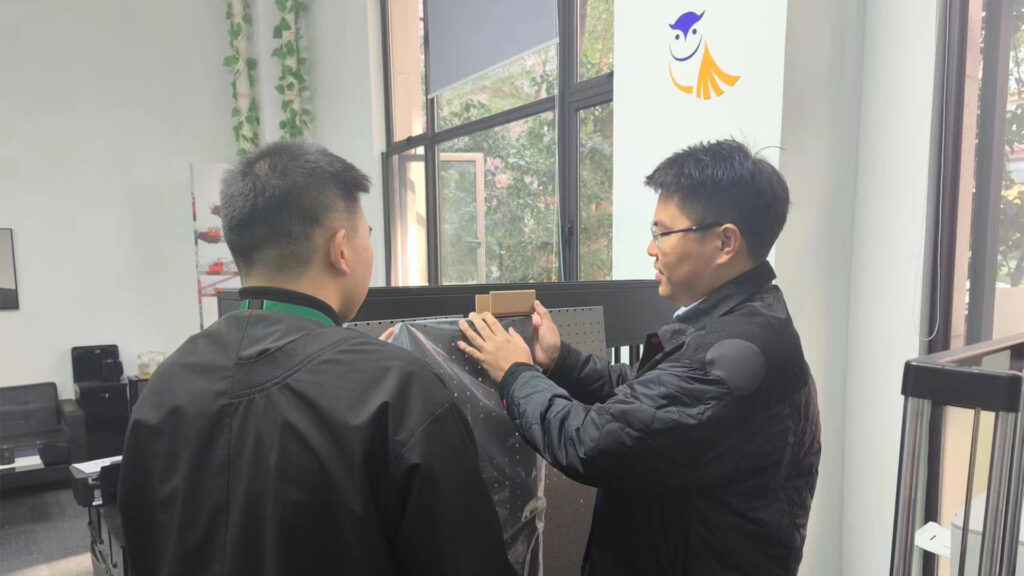
Some of the most expensive problems are invisible—until someone actually uses the product. During inspections, we often test functionality, and this is where things get interesting.
Typical failures include the following:
- Electronics that don’t power on
- Buttons or switches that don’t respond
- Leakage in containers
- Mechanical parts that jam or break
And here’s the kicker: factories don’t always test every unit. Without proper inspection protocols—aligned with something like pre-production vs pre-shipment inspection in China standards—you’re essentially gambling.
The benefit of structured testing is simple: you’re verifying performance, not just appearance. And from a business perspective? Avoiding one defective shipment can protect months of profit.
Documentation Errors: Small Mistake, Big Delay
If there’s one category that importers consistently underestimate, it’s paperwork. And yet, documentation errors are one of the most common reasons shipments get delayed or stuck.
We’re talking about:
- Mismatched packing lists
- Incorrect quantities
- Missing certificates of origin
- Incomplete export/import licences
It sounds administrative—and it is—but it directly impacts your ability to clear customs. This is why experienced teams combine inspection with China consolidation services and logistics oversight. Everything needs to match: product, packaging, and paperwork.
Because customs doesn’t care if your products are perfect—only if your documents aren’t.
The Real Solution: Control Before Shipment, Not After
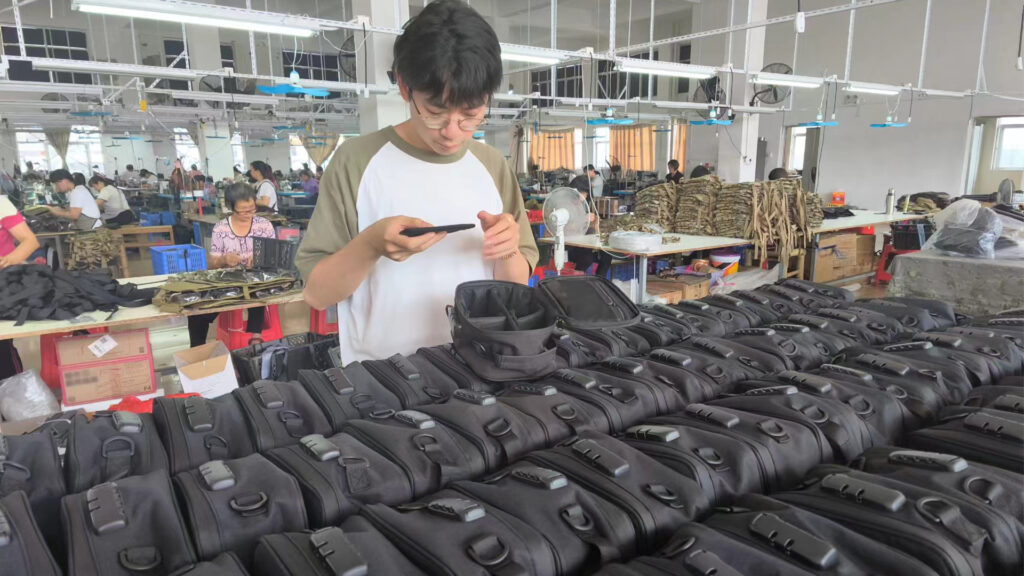
Here’s where I’ll push back a bit: if you’re only thinking about inspection at the final stage, you’re already late. Smart importers integrate inspection into a broader system:
- Early-stage checks
- Ongoing Production Monitoring in China
- Final pre-shipment verification
And most importantly, they don’t do it alone. Working with a reliable sourcing company in China gives you something factories can’t: alignment with your interests.
A strong local team can:
- Catch issues early
- Enforce your quality standards
- Negotiate fixes on-site
- Prevent delays before they happen
That’s the difference between reacting to problems and controlling them.
Read More:
- Pre-Production vs Pre-Shipment Inspection in China: Key Differences
- How to Prevent Quality Fade in China (When Factories Reduce Product Quality)
- China Manufacturing Cost Breakdown for Importers
Final Thoughts
If there’s one thing I’ve learned after years on the ground, it’s this: problems in Chinese manufacturing are predictable. Not random. Not mysterious. Predictable.
And the common issues found during pre-shipment inspections in China? They’re the same patterns, over and over—just in different forms. The real advantage doesn’t come from avoiding every issue. It comes from catching them early, fixing them fast, and staying in control of the process.
That’s exactly where production monitoring in China becomes your edge—not just a step in the process, but a strategy. Because in this game, the companies that win aren’t the ones who hope things go right. They’re the ones who make sure they do.