
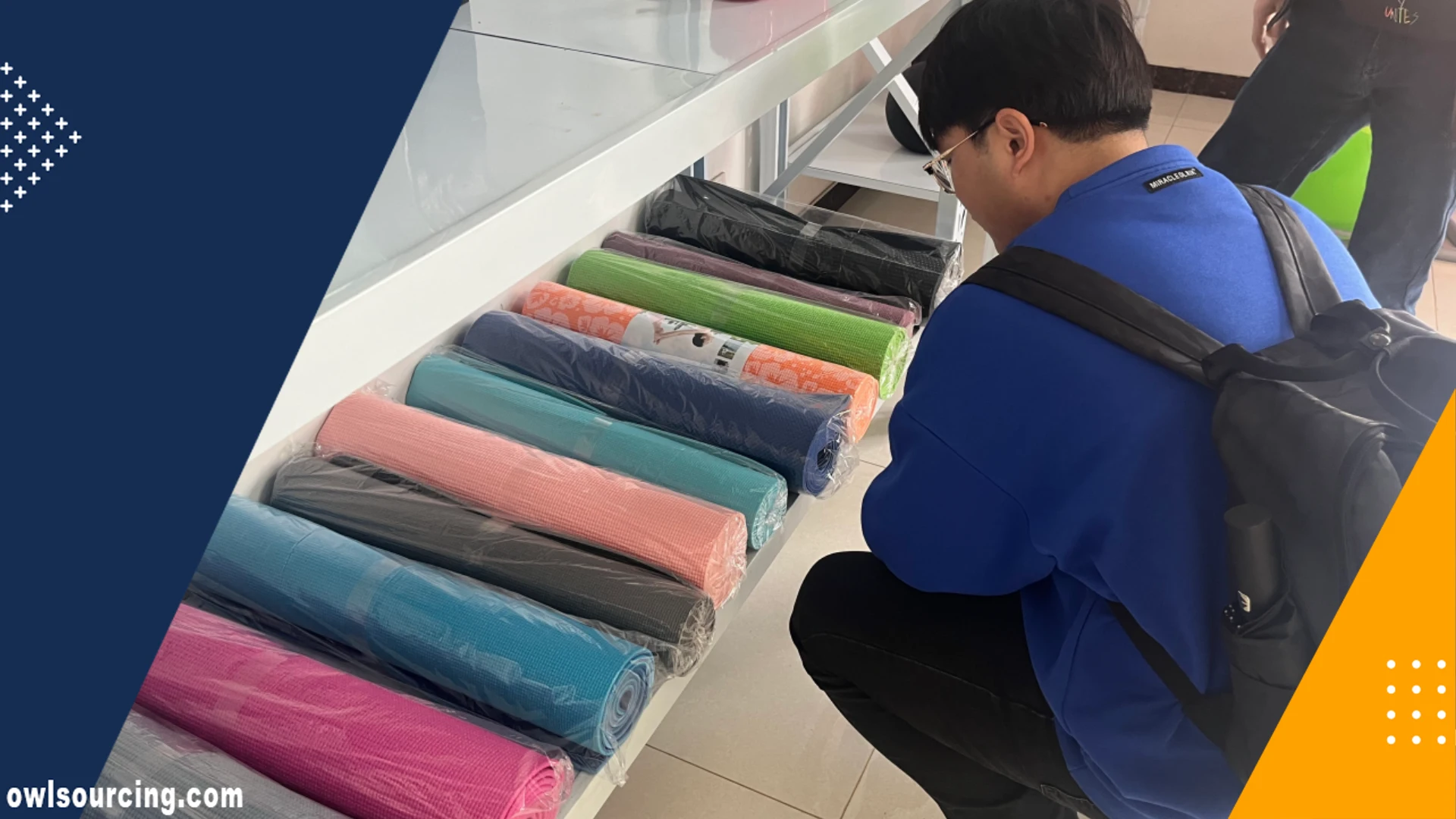

I still remember a client calling me late at night, saying, “Production is done—we’re ready to ship, right?” I paused for a second. Not because I didn’t know the answer… but because I knew what was coming next.
I’ve seen too many “ready” shipments fall apart at the last minute—wrong labelling, inconsistent finishing, and packaging mistakes you don’t notice until it’s too late.
That’s the moment when inspection stops being a process… and becomes your safety net.
So let’s talk about what actually matters: pre-production vs pre-shipment inspection—and where most importers still get it wrong.
At a glance:
- Pre-production inspection = validate materials and set up before manufacturing
- Pre-shipment inspection (PSI) = confirm product quality before goods leave the factory
- Final Random Inspection (FRI) = statistically verify shipment quality using AQL sampling
- A strong sourcing company in China solves problems, not just reports them
- The smartest approach? Combine inspections with local execution
Start Early or Pay Later: the Real Role of Pre-Production Inspection
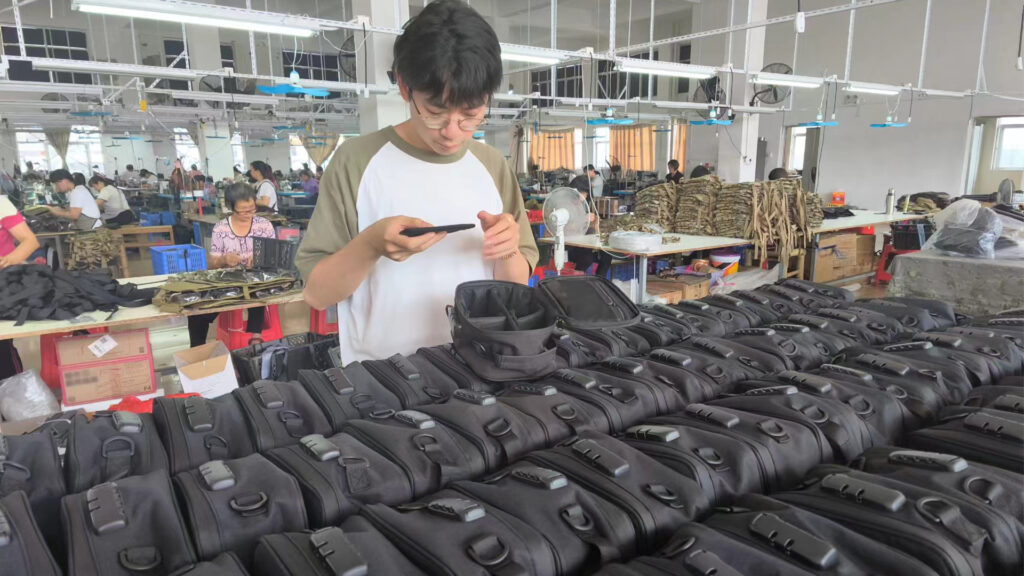
If you’ve been in sourcing long enough, you already know—most disasters don’t explode at the end of production. They start quietly, right at the beginning.
Pre-production inspection is where everything gets aligned: raw materials, components, and technical specs. It’s not glamorous work, but it’s the moment where you either lock in quality… or unknowingly approve future problems.
I’ve seen this play out too many times. A client skips early verification, production begins, and weeks later, they’re “inspecting” a finished product made with the wrong material. At that point, you’re not doing quality control—you’re doing damage control.
That’s why I always recommend working with a China sourcing company for home décor or an experienced local team. Not just for visibility — but for intervention.
Because when something is off, timing matters.
Teams like OwlSourcing don’t wait for reports—they step into the factory, clarify specs, and correct issues before machines start running. That’s how you protect projects like “living room décor sourcing from China” or complex builds tied to custom product development services in China.
Once production starts correctly, everything downstream becomes smoother—and significantly cheaper.
Now, when production is underway, this is where the During Production Inspection (DPI) earns its place. Think of it as active control rather than passive checking:
- Inspectors verify materials before and during use
- Production is monitored across multiple stages—not just once
- Defects are caught in real time, not after completion
- Process issues (machines, assembly errors, worker inconsistencies) are corrected early
The payoff is simple:
- Problems are cheaper to fix early
- Rework costs stay low
- Production delays are minimised
- Suppliers stay accountable when they know someone is watching
Of course, DPI isn’t perfect. It requires skilled inspectors and ongoing involvement, which adds cost. But for complex products, first production runs, or highly customised orders, it’s often the difference between controlled production and expensive surprises.
If the cost of failure is high, catching issues early isn’t optional—it’s survival.
Pre-Shipment Inspection: Your Last Real Checkpoint
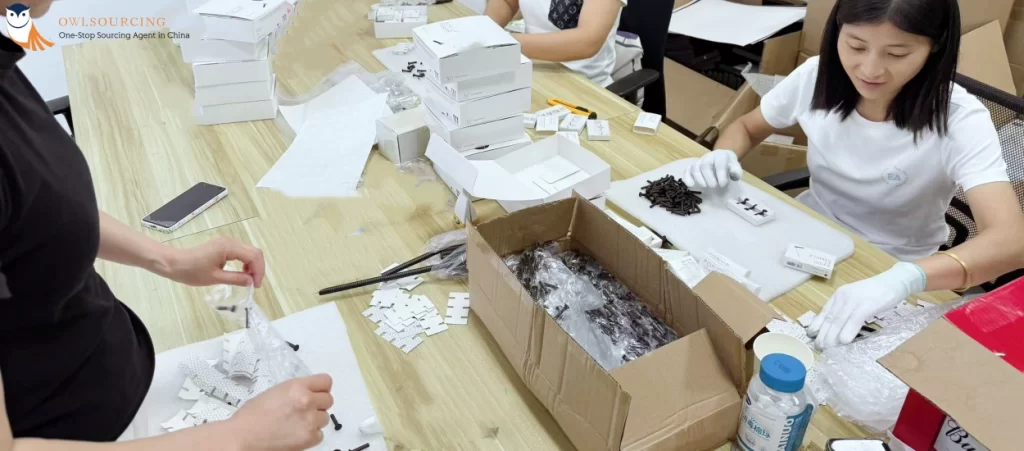
Now let’s talk about the stage most importers rely on—and often misunderstand.
Pre-shipment inspections (PSI) happen when production is essentially complete—usually 80–100% finished. The goal is straightforward: confirm that what was produced actually matches what you agreed on.
Inspectors check everything:
- Visual quality and workmanship
- Functionality (where applicable)
- Packaging, labelling, and barcodes
- Quantity and carton details
- Compliance requirements
On paper, it sounds like the perfect safety net. And to be fair—it’s incredibly valuable.
PSI tells you exactly what’s wrong before goods leave the factory. That alone can save you from shipping defective products, dealing with returns, or damaging your brand.
I’ve worked with clients in large-volume categories—home décor, furniture, and consumer goods—where one failed PSI prevented entire containers of defective products from being shipped. That’s not a small win.
But here’s the catch most people overlook:
PSI is reactive, not preventive.
It shows you the symptoms—not the root cause.
If something goes wrong earlier in production, PSI might catch it—but fixing it at that stage can mean delays, rework, or even scrapping inventory.
And timing becomes critical. A failed PSI can disrupt shipping from China, delay consolidation plans, and throw off your entire logistics schedule.
That’s why experienced importers don’t treat PSI as a standalone step. They align it with broader operations—like China consolidation services and warehousing and handling services in China—so nothing moves forward until it’s verified.
Used correctly, PSI delivers:
- A cost-effective final quality check
- Protection against defective shipments
- Clear documentation to prevent disputes
- Strong reliability for standardised, repeat products
But it also has limits:
- Less time to fix major issues
- No visibility into earlier production problems
- Higher risk if serious defects appear late
So when does PSI make the most sense?
- Stable, repeat production runs
- Standardised consumer products
- Established supplier relationships
- Cost-sensitive projects where continuous inspection isn’t feasible
If you’re managing volume-heavy categories like wholesale dining room decor from China or scaling SKUs in bedroom decor sourcing in China, this step alone can save you from expensive returns and brand damage.
Final Random Inspection (FRI)

Here’s the part many importers overlook. Final Random Inspection (FRI) looks similar to PSI in timing, but it serves a completely different purpose.
FRI is statistical.
Instead of checking selected points, inspectors randomly sample products based on internationally recognised standards like ANSI/ASQ Z1.4 or ISO 2859-1. The goal? Measure defect rates against an Acceptable Quality Limit (AQL).
Let me simplify that.
You’re not asking, “Is this product okay?”
You’re asking, “Is this entire shipment acceptable?”
That’s a big shift.
For example, in a 5,000-unit order, around 200 units might be randomly inspected. Defects are categorised—critical, major, minor—and the shipment either passes or fails.
No grey area.
This makes FRI incredibly powerful for high-volume, standardised products. It gives you objective, data-driven confidence—especially when working with large-scale suppliers or contract manufacturing services in China.
But here’s the catch: FRI doesn’t leave much room for correction.
If it fails, you’re already at the finish line.
Why Do Sourcing Agents Outperform Standalone Inspectors?
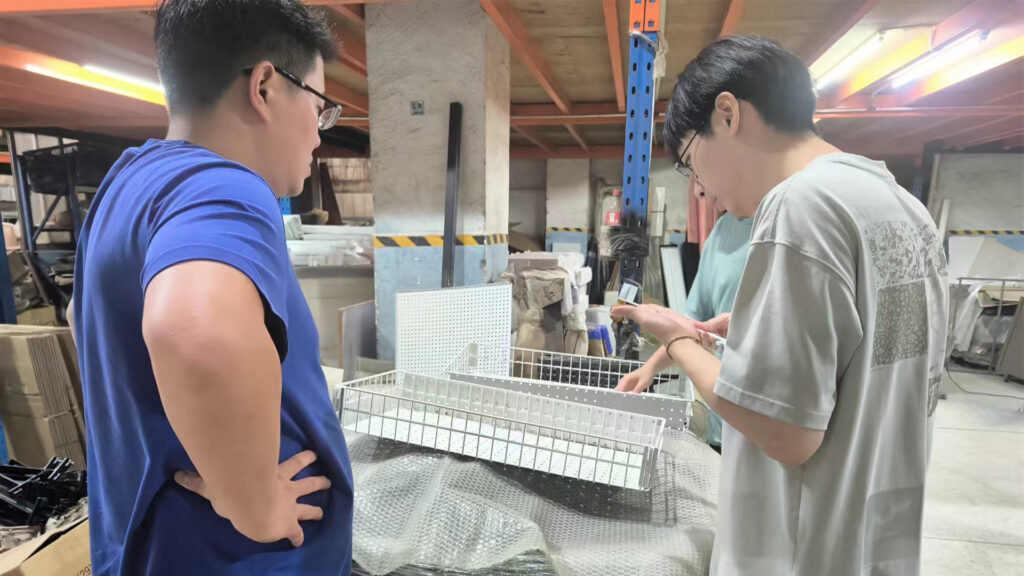
Let me be direct—reports don’t solve problems. People do.
A third-party inspector will give you a detailed report. Useful? Absolutely. But if something goes wrong, you’re still managing the fix remotely.
That’s where a strong sourcing company in China changes the entire dynamic.
They don’t just observe—they coordinate, negotiate, and intervene. Whether you’re working with top China custom home décor suppliers and manufacturers or scaling through contract manufacturing services in China, having a local team means issues get handled in real time.
I’ve seen these scenarios play out again and again.
A delay in packaging? Fixed locally with China’s custom packaging solutions.
A supplier inconsistency? Resolved before it affects your shipment.
Companies like OwlSourcing, based in Shanghai, are a prime example of this approach. Their teams don’t wait for problems to escalate—they step in early, adjust, and keep production moving.
And when you’re sourcing specialised products, like sourcing clocks from China or exploring importing Chinese bamboo home décor, that level of control isn’t a luxury—it’s a competitive advantage.
The Real Strategy: Don’t Choose Between Inspections—Build a System
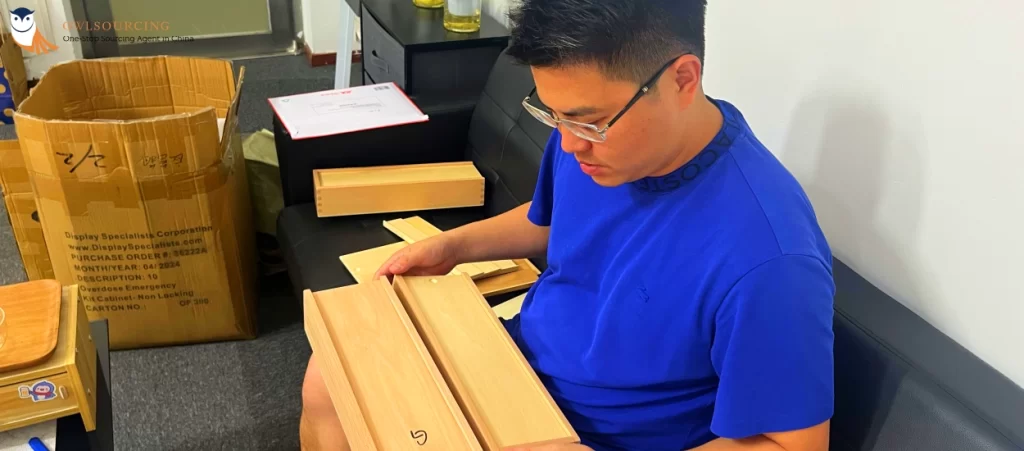
Here’s the mistake I see too often: importers treating inspections as a checkbox.
It’s not.
- Pre-production inspection protects your inputs.
- Pre-shipment inspection protects your outputs.
- Final random inspection validates your shipment with data.
And when you combine both — supported by a capable sourcing partner — you create a system that actively reduces risk.
Read More:
- Why Use a Sourcing Agent Instead of Buying from Alibaba Directly?
- Third-Party Quality Inspection Companies in China
- OEM vs ODM Sourcing: Amazon Seller’s Guide
- Quality Control in China
Final thought!
If you’ve been in this space long enough, you already know—most problems don’t come from big, obvious mistakes. They come from small issues that no one caught early.
That’s what inspections are really about. Not control. Not micromanagement. Just smart, structured verification—backed by people on the ground who can act when it matters.
- In reality, this isn’t about choosing between DPI and PSI.
- It’s about understanding where your risk sits.
- If your product is complex, new, or highly customised, control it early.
- If your production is stable and predictable, verify it at the end.
- The smartest operators I’ve worked with don’t rely on one method. They combine both strategically, depending on the situation.
- That’s how you stop chasing problems—and start preventing them.
Because in China sourcing, the winners aren’t the ones who hope everything goes right. They’re the ones who make sure it does.