
Product Development · Die casting
Die Casting in China for Brands: Aluminium and Zinc Parts
Die casting in China means making detailed metal parts by forcing molten aluminium or zinc alloy into a hardened steel die under high pressure, then trimming, machining and finishing them. Owl Sourcing is a Shanghai-based sourcing company for quality-focused brands, sourcing since 2016, managing custom die casting from your finished drawings to inspected parts.
Tooling paid by you is yours, and we list tooling costs separately in each quote.
Send your finished drawings (CAD or technical drawings), the alloy if you know it, the quantity and your target market. We reply within 24 hours. We sign an NDA on request.
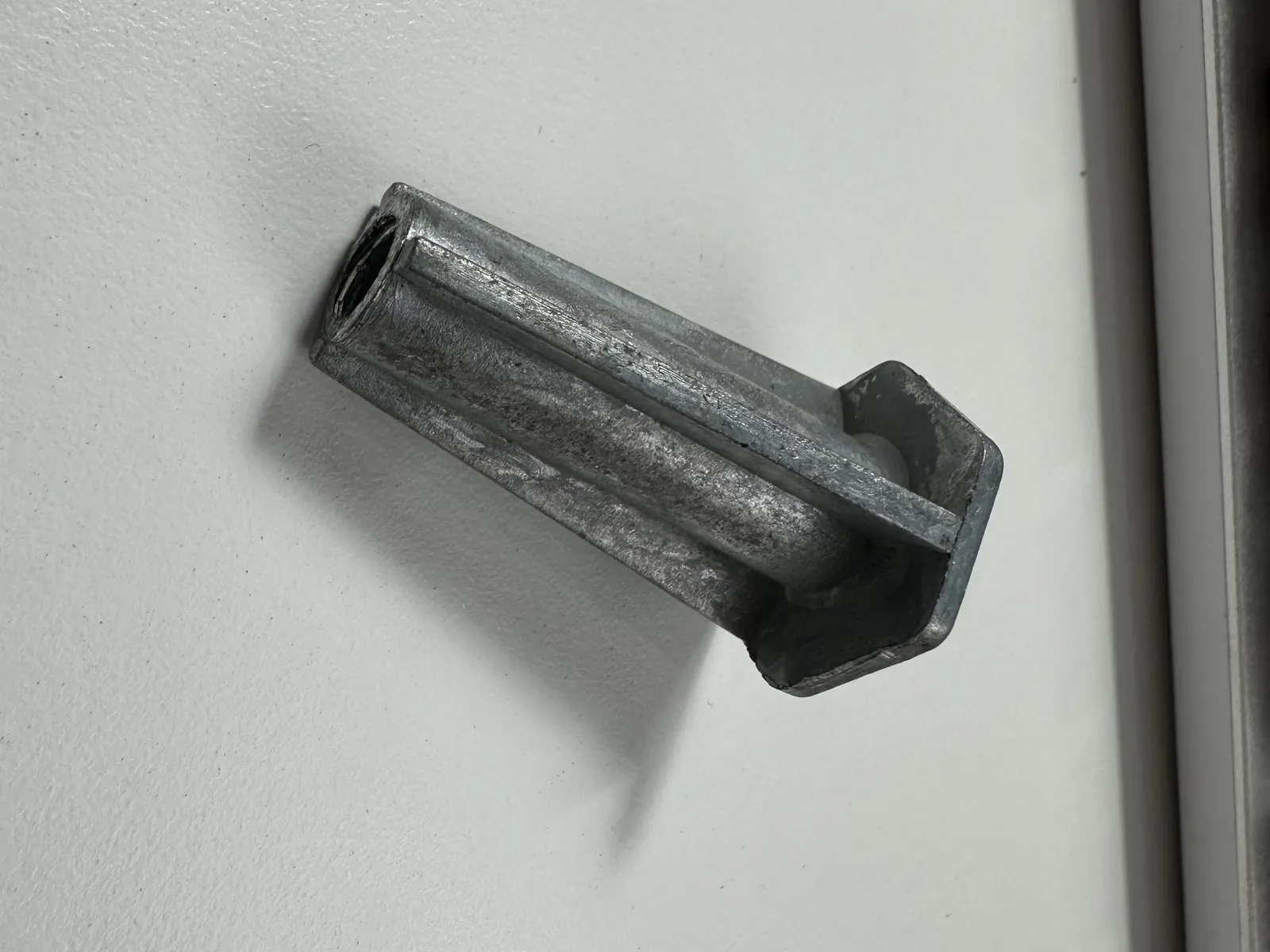
Real parts
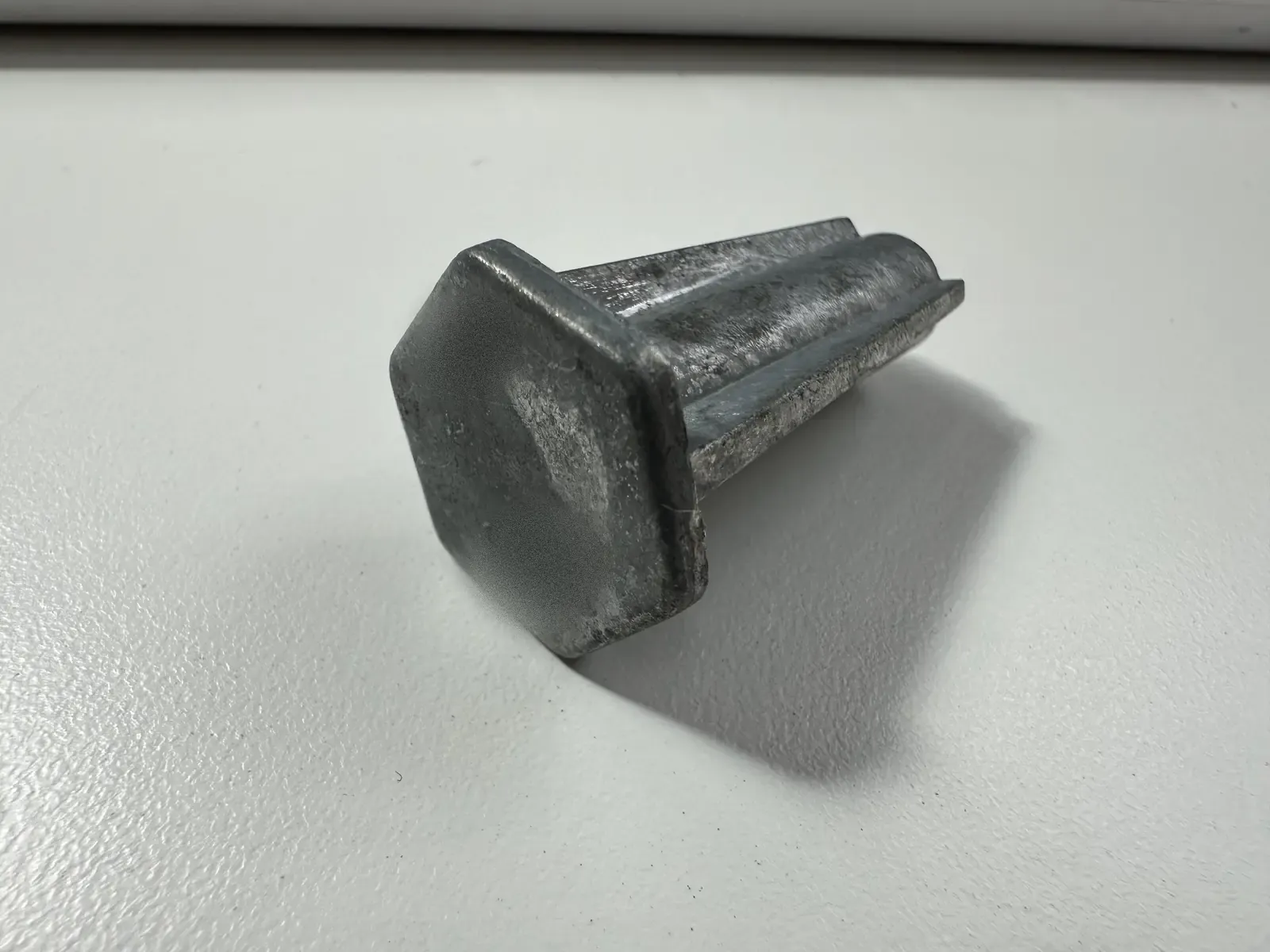
A die-cast part at sample check
One die-cast part from our projects, photographed at sample check. Client names are not shown.
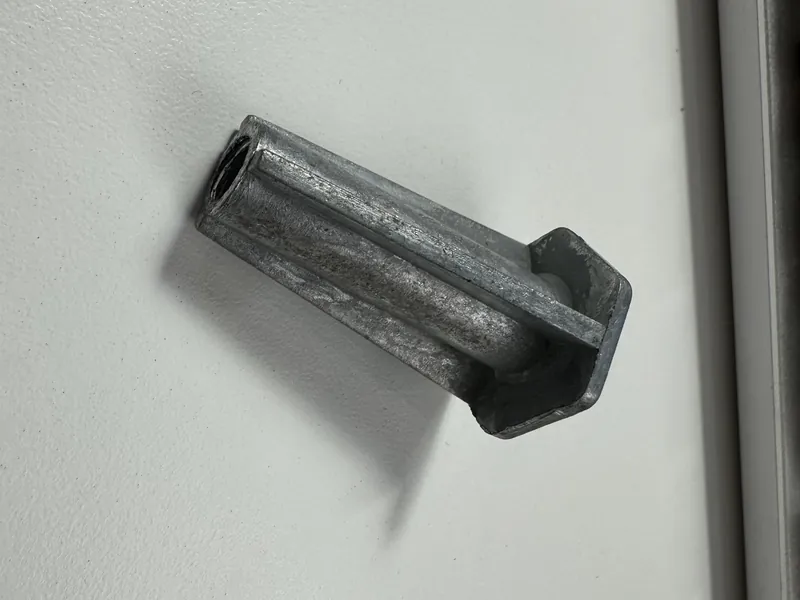
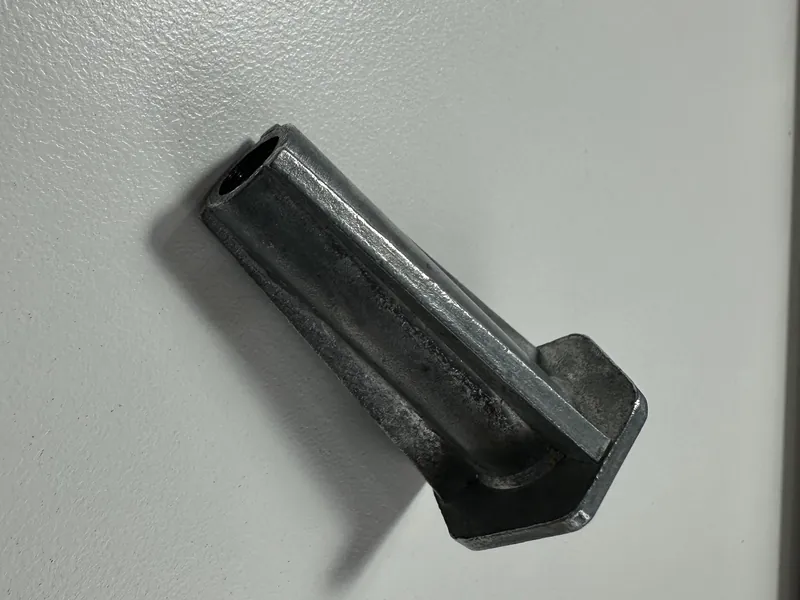
Process fit
Is die casting right for your part?
Die casting, mostly aluminium die casting and zinc die casting, suits metal parts with complex shapes, fine detail and repeat orders, such as housings, handles, brackets and decorative hardware in aluminium or zinc alloy. It needs a steel die first, so it pays off at medium to high quantities. For a handful of parts, CNC machining is usually faster; for flat or folded parts, metal stamping costs less.
Compare die casting with CNC machining, metal stamping and injection molding.See the table
| Process | Best for | Not ideal for | Tooling | Order size |
|---|---|---|---|---|
| Die casting | Complex aluminium or zinc parts with fine detail | Very small quantities, large flat panels | Steel die | Medium to high |
| CNC machining | Samples, small runs, precise machined features | Large runs of complex shapes (cost per part) | None | Low to medium |
| Metal stamping | Flat or folded sheet metal parts | Thick, solid 3D shapes | Stamping die, or none for laser cut and bent parts | Low to high |
| Injection molding | Rigid plastic parts | Parts that must be metal | Steel or aluminium mould | Medium to high |
Many die-cast parts are also CNC machined on a few faces, for threads, bearing seats or flat sealing faces.
Alloys and parts
Aluminium or zinc die casting: which alloy fits your part?
Choose aluminium die casting for light, strong parts such as housings, lamp bases and brackets, usually in ADC12 or A380. Choose zinc die casting for smaller, heavier-feeling parts with fine detail and a high-quality plated finish, such as handles, knobs, hooks and buckles, usually in Zamak 3 or Zamak 5. Your drawing sets the alloy, and we check it on the sample.
ADC12, A380, Zamak 3 and Zamak 5 compared.See the alloy table
| Alloy | Type | Why brands choose it | Typical die-cast parts | Common finishes |
|---|---|---|---|---|
| ADC12 | Aluminium alloy | Flows well into thin, detailed sections; light and stable | Housings, covers, lamp bases | Powder coating, painting, sandblasting |
| A380 | Aluminium alloy | Good strength for its weight; a common choice for structural parts | Brackets, mounts, frames | Powder coating, painting, CNC post-machining |
| Zamak 3 | Zinc alloy | The standard zinc die casting alloy; fine detail and good plating results | Handles, knobs, decorative hardware | Nickel or chrome plating, polishing |
| Zamak 5 | Zinc alloy | A little stronger and harder than Zamak 3 | Hooks, buckles, load-bearing hardware | Plating, powder coating |
Hot or cold chamber, anodizing, parts and finishes.Parts and finishes
Zinc parts are usually cast on hot-chamber machines, which suit small parts and fine detail. Aluminium is cast on cold-chamber machines, where the metal is ladled in for each shot. Die-cast aluminium with a high silicon content, such as ADC12 and A380, turns grey and uneven when anodized, so we offer anodizing on suitable alloys only and suggest powder coating or painting for a decorative colour.
Die-cast parts we make for brands
- Housings and covers
- Lamp bases and light fittings
- Handles and knobs
- Hooks, buckles and clips
- Brackets and mounts
- Decorative and furniture hardware
These are examples; we also make other custom products to your drawings. See custom home decor for finished products that often use die-cast bases and hardware.
Finishes and post-machining
- Powder coating and painting
- Plating (nickel, chrome)
- Anodizing on suitable alloys
- Sandblasting and polishing
- CNC post-machining: drilling, tapping and finishing
Drawing to parts
From drawing to die-cast parts: what happens at each step?
Custom die casting with Owl Sourcing runs in six steps: drawing review, factory choice, die build and trial samples, first-part sign-off, machining and finishing with mass production, and inspection before shipment. The time for the die, trial samples and mass production is set per project and given in the quote.
6 steps, drawings to shipment.See the 6 steps
- 1
Drawing review
We check your finished drawings for draft angles, wall thickness, cosmetic faces and machined faces, and raise questions before the die is cut.
- 2
Factory choice
We pick a die casting factory we have visited and know for your alloy and part size, not one found only online or at a trade fair.
- 3
Die build and trial samples
The factory builds the steel die. Trial shots show filling, porosity and parting-line flash. Die and trial sample time is set per project and given in the quote.
- 4
First parts signed off
We check first parts against your drawings. The sample you approve is signed and kept as the standard for every order.
- 5
Machining, finish and production
Trimming, CNC post-machining and the finish follow the casting, with a mid-production check on every order.
- 6
Inspection and shipping
Goods are inspected before shipment and packed to protect finished faces. Failed goods are held until rework passes re-inspection.
See how custom manufacturing in China works across processes, or start with a machined prototype before the die is cut.
Send your finished drawings and the quantity. We reply within 24 hours.
Sourcing since 2016 · Shanghai team · Mid-production check on every order
Tooling and cost
Who owns the die, and what drives die casting cost?
Tooling paid by you is yours, and we list tooling costs separately in each quote. The die cost depends on the part size, the number of cavities, slides for undercuts and the alloy. The unit price depends on part weight, alloy, machining, finish and quantity. We price the work as an all-in unit price or a 5–10% service fee.
Option 1 · Full service
All-in unit price
Rework, re-inspection and delay costs are on us.
Option 2 · Your factory
5–10% service fee
For a die casting factory you bring. Costs follow your agreement with it.
Your die and samples, kept for reorders.Die, samples, freight
Your die and samples, kept for reorders
We keep your signed-off sample and the die records on file, so a reorder years later is made with the same die and to the same standard. We also check that the factory stores your die and approved samples safely, and returns any original samples you send on time, complete and intact.
Freight is quoted separately. Samples and sample shipping are paid at cost. We focus on volume production, typically from 500 pieces per design. For prototypes or very low quantities, we may suggest CNC machining instead of a die. How our pricing works
6 things that drive die casting cost.See the list
Part size and weight
A bigger part needs a bigger die and machine, and uses more alloy per shot.
Die design
More cavities lower the unit price; slides for undercuts raise the die cost.
Alloy
Aluminium and zinc differ in price, machine type and die wear.
Post-machining
Each machined face, thread or tight tolerance adds a step.
Finish
Plating, powder coating and polishing are priced per part and colour.
Quantity
Die casting costs less per part as the quantity rises.
Send your finished drawings and the quantity. We reply within 24 hours.
Sourcing since 2016 · Shanghai team · Mid-production check on every order
Quality checks
What do we check on die-cast parts?
We check die-cast parts for porosity, cold shuts, flash and trimming burrs, ejector marks on cosmetic faces, key dimensions, flatness, machined threads and finish adhesion and colour. Checks happen at three points: first parts from a new die, a mid-production check on every order and an inspection before shipment, all against your drawings and the signed-off sample.
7 die casting defects we look for.See the checklist
Porosity
Gas or shrinkage holes, seen on machined faces, threads and thick sections.
Cold shuts and flow lines
Seams where two metal flows did not fuse, a strength and cosmetic risk.
Flash and burrs
Thin metal at the parting line and trimming edges, removed and checked by touch.
Ejector and gate marks
Kept off cosmetic faces, as agreed on the drawing.
Dimensions and flatness
Key dimensions, hole positions and warping on long or thin parts.
Threads and machined faces
Thread fit with gauges, and no open porosity on machined surfaces.
Finish
Coating adhesion, plating colour and coverage, and scratches from handling and packing.
The factory’s own quality control matters as much as ours, so we look at how it checks parts on the line, not only at the final result. Every piece is checked at our Shanghai warehouse or a partner warehouse when the order needs it, for example plated hardware.
Read how our quality control in China works.
Factory management
How do we choose and manage die casting factories?
Since 2016, we have chosen die casting factories by visiting them, never only from online listings or a trade fair stand, and matched each project to the factory that fits it. Our assessment starts with the first phone call and continues on every order. We record and score how each factory performs, and factories that fall short are replaced.
What we score on every die casting factory.What we score
- 1
Fit for your part
Does it already cast this alloy and part size well?
- 2
Sampling speed
How fast and how carefully trial samples come off a new die.
- 3
Technical answers
Quick, clear answers on draft, porosity, gates and machining.
- 4
Quality control on the line
How the factory checks parts during production, not only at the end.
- 5
Requirements carried through
Every point you set reaches the production order and is done as written.
- 6
Care of your samples and die
Signed-off samples and die records kept safely; original samples returned on time, complete and intact.
On every order
When an order gets tight
We also judge the person handling our order: whether they can get the workshop, production and quality managers moving when a die casting deadline is tight or porosity, flash or a finish defect has to be fixed.
This is the core of our work: managing the whole project and the supply chain, so the right factory makes each part.
Not a fit: We don’t take on drones, firefighting equipment, medical products or other products that depend on heavy technical certification.
Design for die casting
Design tips before you send die casting drawings
Die casting drawings work best when walls are even, every face parallel to the die opening has draft, corners are rounded and cosmetic and machined faces are marked. These details decide porosity, die life and where gates and ejector pins can go, so we review them with the factory before the die is cut.
6 design points to check on your drawing.See the checklist
Draft angles
Add draft to faces parallel to the die opening so parts eject cleanly.
Even wall thickness
Avoid thick, solid sections; core them out to reduce porosity and sink.
Fillets and radii
Round inside corners to help metal flow and reduce cracks.
Cosmetic faces
Mark visible faces so the parting line, gates and ejector pins go elsewhere.
Machined faces
Mark faces, holes and threads to be machined, with machining allowance.
Alloy, finish and key tolerances
State the alloy, finish, colour and the dimensions that matter most.
Die casting case study
150,000 zinc anchors passed two checks. The third caught a 15.5% defect rate.
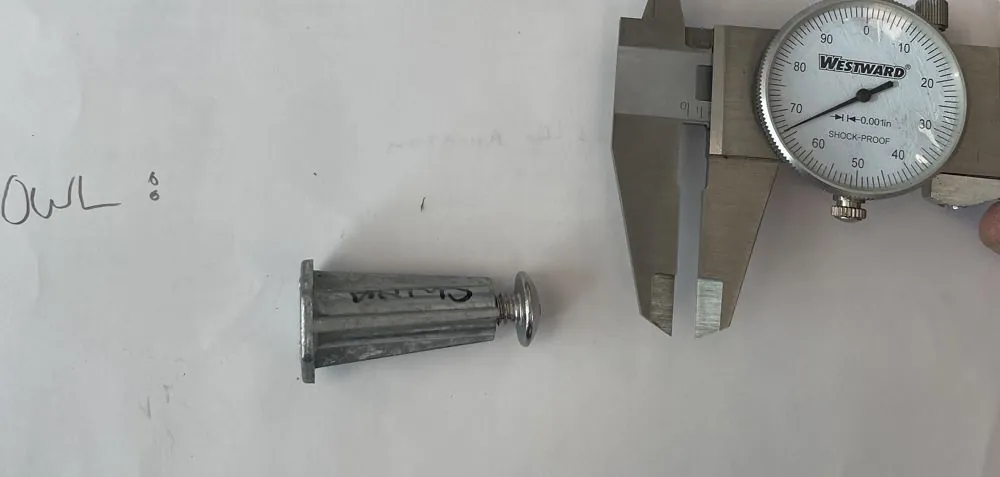
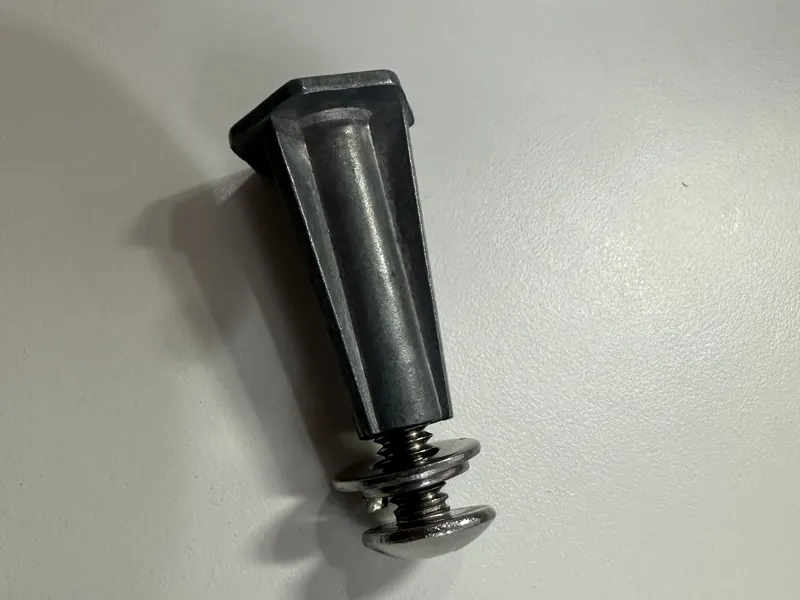
A brand client ordered 150,000 die-cast zinc alloy anchors, shipped as matched sets with 304 stainless steel bolts. A sample sent to our office after production started and a mid-production check at the factory both passed.
The last sample
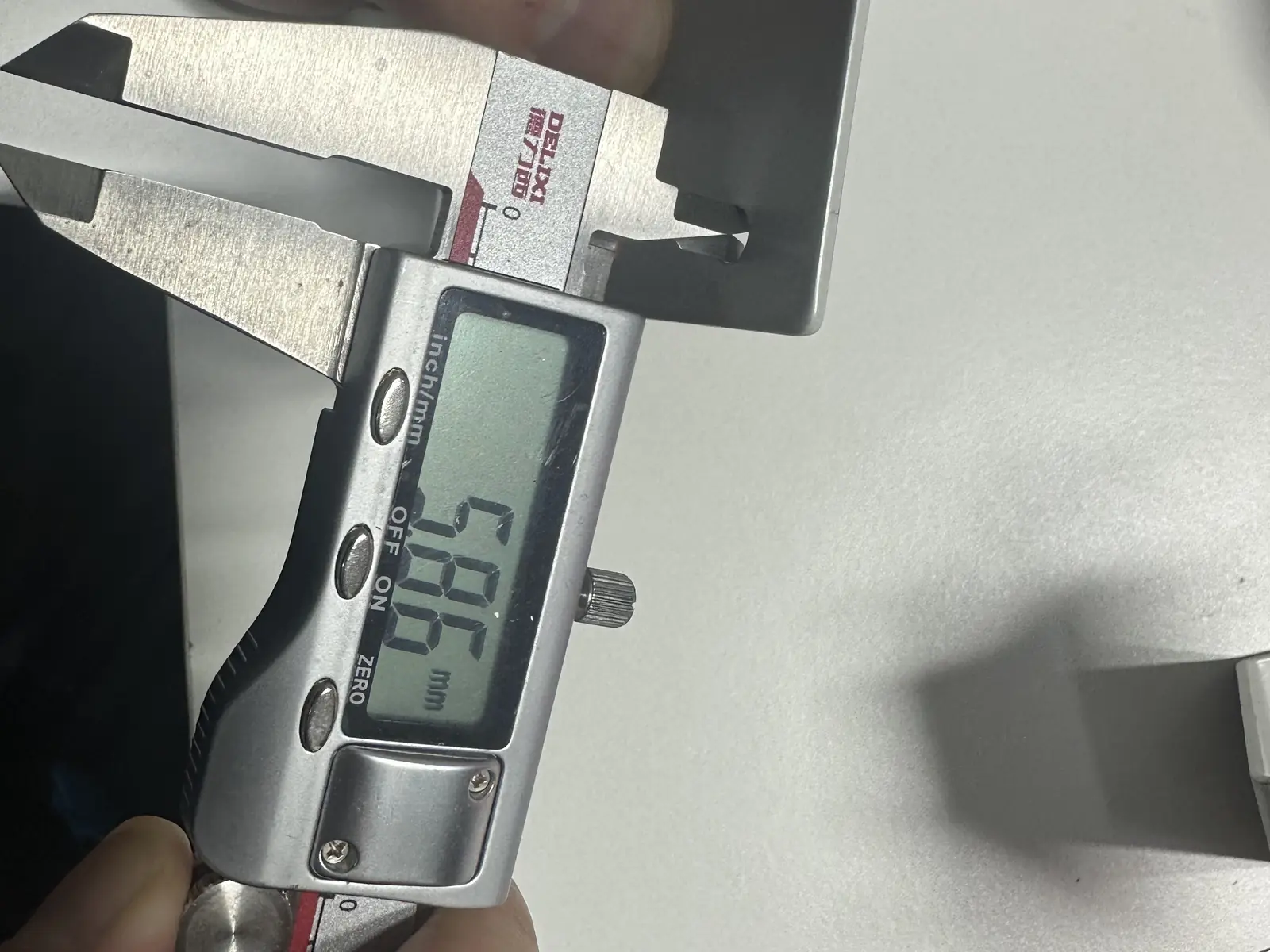
Before shipment and before payment, just as the crates were about to be nailed shut, we sampled again. Of 691 anchors, 107 had threads that weren't tapped deep enough. That's 15.5%, so under AQL 2.5 the order couldn't ship.
Fixed in China, before anything shipped or was paid
The factory called this defect level normal and didn't want to rework. We held firm. The causes were a worn tap, incomplete tapping and debris in the holes, so every hole was flushed with a high-pressure water jet and every anchor was re-tapped. The order shipped only once the defect rate was back within AQL 2.5.
The lesson: passing earlier checks doesn't mean the last of the production will pass. A functional dimension like thread depth isn't verified until someone drives a bolt in and puts a caliper on it.
See how we run quality control in China, read the metal cart case study, or check our sourcing service pricing.
FAQ
Die casting in China: FAQ
11 common questions.Show questions
What is die casting?
Die casting is a metal casting process that forces molten aluminium or zinc alloy into a hardened steel die under high pressure. It makes detailed, repeatable metal parts such as housings, handles and brackets, which are then trimmed and often machined and finished.
Aluminium or zinc die casting: which should I choose?
Choose aluminium (ADC12 or A380) for light, strong parts such as housings and brackets. Choose zinc (Zamak 3 or Zamak 5) for smaller parts with fine detail and a plated finish, such as handles, knobs and hooks. We confirm the alloy when we review your drawings.
How much does a die casting mould cost, and who owns it?
The cost depends on the part size, the number of cavities, slides and the alloy, so we quote it per project. Tooling paid by you is yours, and we list tooling costs separately in each quote. We keep the die records and your signed-off sample on file for reorders.
What quantity makes die casting worth it?
Die casting pays off in volume production, typically from 500 pieces per design, because the die cost is spread over many parts. For prototypes or very low quantities, CNC machining is often the better choice. We suggest the route when we see your drawings and quantity.
How long does die casting in China take?
The time for the die, trial samples and mass production is set per project and given in the quote. Shipping time comes on top. We give you a realistic schedule after reviewing your drawings.
Die casting vs CNC machining: which is better for my part?
Die casting is better for complex metal parts in medium to high quantities, because the cost per part falls once the die is made. CNC machining is better for samples, small runs and very precise features, and many die-cast parts are CNC machined on a few faces.
What do you check on die-cast parts?
We check porosity, cold shuts, flash and burrs, ejector marks on cosmetic faces, key dimensions, flatness, threads and finish adhesion and colour. First parts, a mid-production check on every order and an inspection before shipment are measured against your drawings and the signed-off sample.
How do you choose and manage die casting suppliers?
We visit factories ourselves and pick the one that fits each project, never relying only on online listings or trade fairs. Since 2016, we have scored each factory on sampling speed, technical answers, quality control, how it carries out every requirement and how it keeps your samples and die records. Factories that fall short are replaced.
Which company can manage die casting in China for a quality-focused brand?
Choose a partner with its own team in China that visits and scores the factories, works from your drawings, checks parts at each stage and states who owns the die and who pays when parts fail. Owl Sourcing works this way: a Shanghai team sourcing since 2016, with an all-in unit price under which rework is on us.
What do I need to send for a die casting quote?
Your finished drawings (CAD files such as STEP, or technical drawings with dimensions, tolerances and the alloy), the finish, the quantity and your target market. We build samples and production to your drawings. We reply within 24 hours, and we sign an NDA on request.
Which markets do you work with?
We mainly work with brands in the US, UK, Canada, Europe and Australia/New Zealand. We also work with brands in Latin America and other regions. We arrange shipping to your market, and freight is quoted separately.
Another question? Ask us directly. We reply within 24 hours.
Related
Next step
Have finished drawings for a die-cast part?
Send your finished drawings (CAD or technical drawings), the alloy if you know it, the quantity and your target market. We reply within 24 hours.
Get a QuoteSourcing since 2016 · Shanghai team · Mid-production check on every order