
Metal Fabrication Case Study: Why a “Proven” Metal Cart Collapsed in Our Office
Everything looked fine
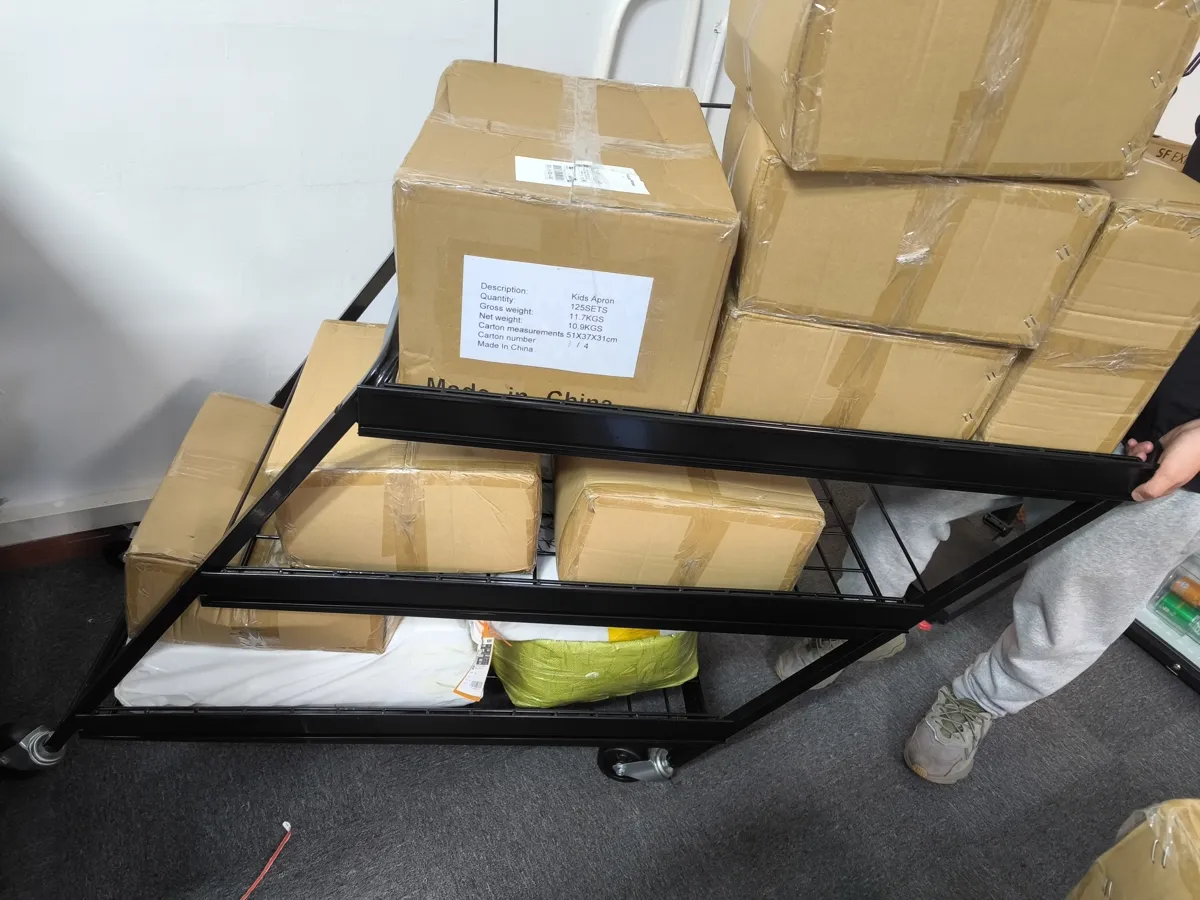
A brand client ordered a black metal cart, shaped much like a shopping cart, on four wheels. It wasn’t a new design. It was a mature product the client had sold for a long time, rated for a 200 kg load.
Production went to a sheet metal factory we have worked with for years. From the first order, volumes were steady and nothing looked wrong.
One pull, and it went down
Before shipment, we ran a load test on a bulk-production cart in our office. We loaded one with heavy goods, and Andy pulled it himself. The cart suddenly collapsed.
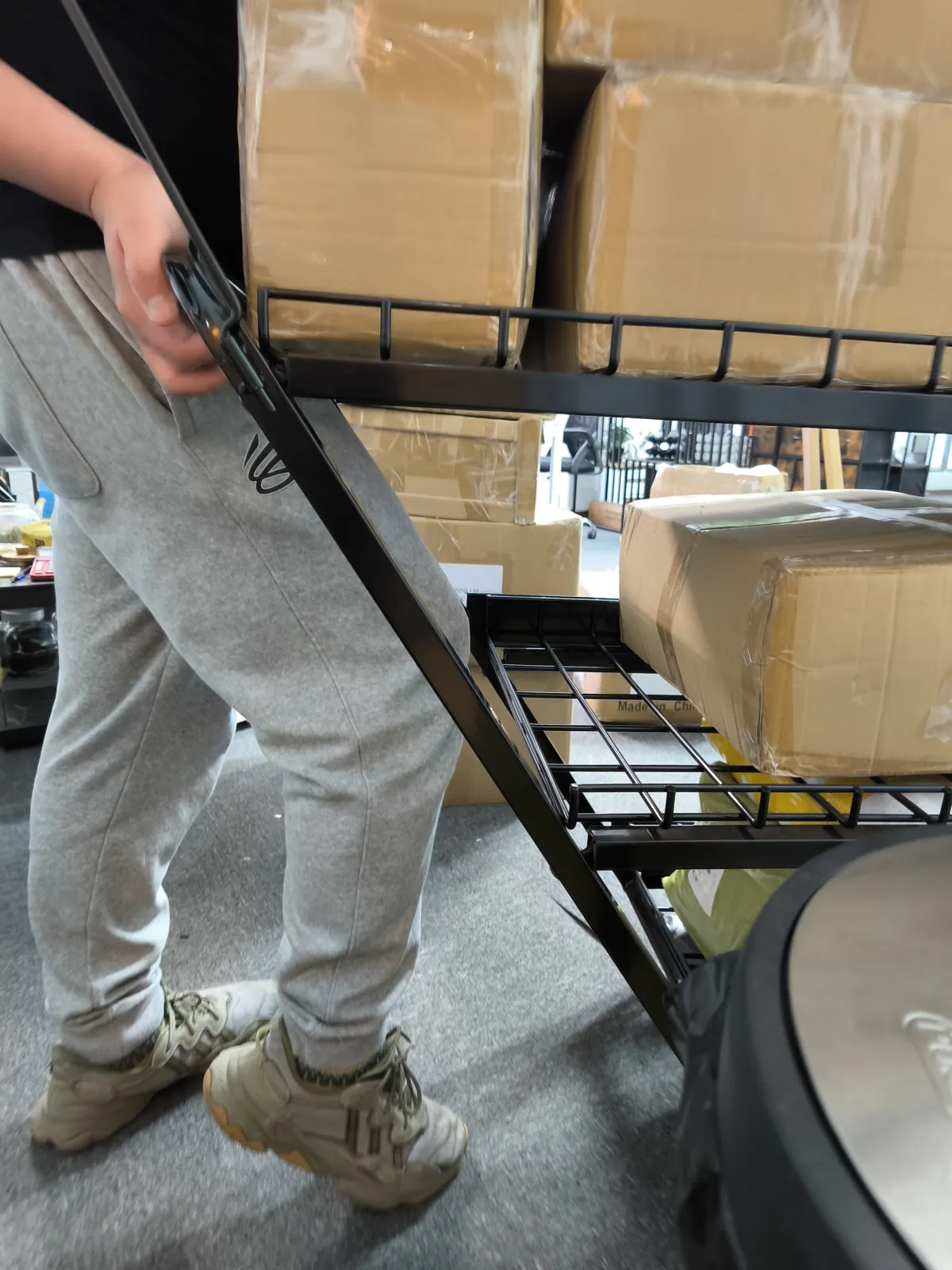
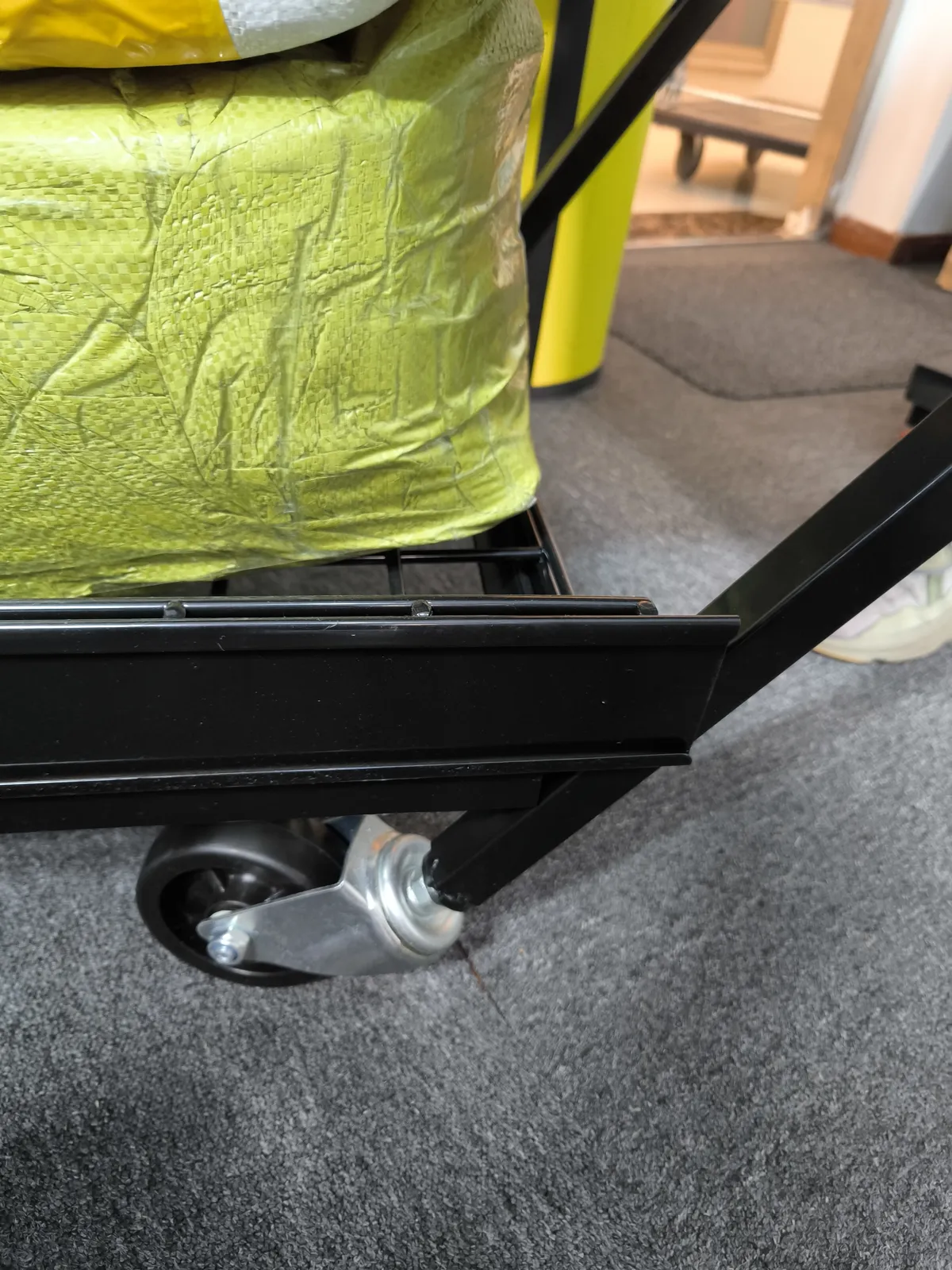
To the factory that night
That night we went to the factory and checked every point with its chief engineer: steel thickness, and whether the structure matched the original sample. Everything matched exactly.
A mature product rated for 200 kg shouldn’t fail like that. So we didn’t stop at “the material is fine.” We went through the structure, the screws and nuts, the wheel mounting, every detail.
The problem was hiding in 4 mm
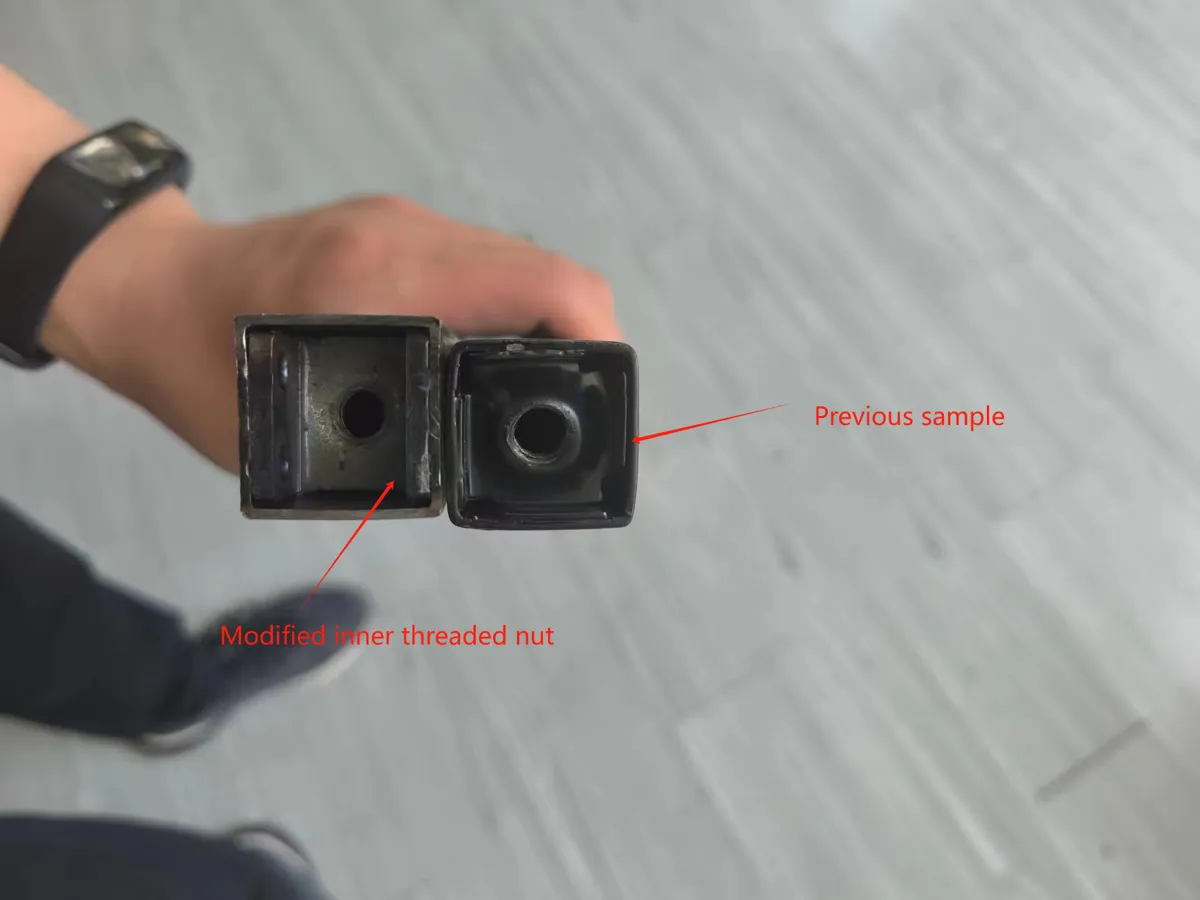
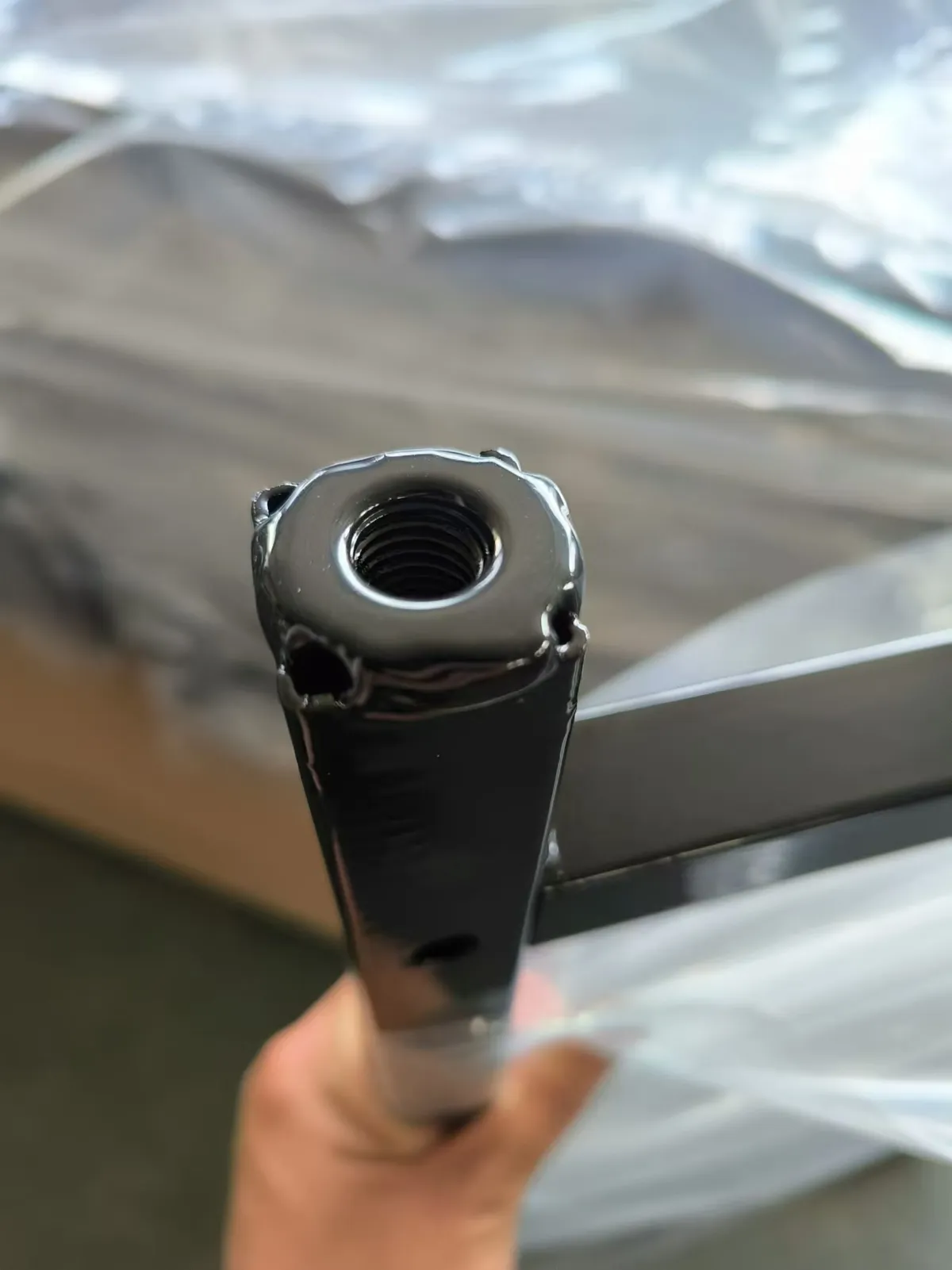
We finally traced it to the built-in nuts inside the four uprights. The original sample called for 8 mm of thread. The factory thought 4 mm was “enough.”
With only 4 mm, the wheel screws never seated fully and couldn’t carry the load the original did. Under a pull, the built-in nuts deformed and the cart gave way. You can’t see this from the outside. It only shows up when the cart is loaded and actually moved.
Fixed before final packing
We caught it before final packing. We had the factory rework every unit: the built-in nut threads in the uprights were extended to 8 mm, and every weld was made solid. We put the rework requirements in a written test report for the factory, including QC checks on every weld to rule out weak welds, and spring washers on the screws to stop them working loose.
Once the defect was fixed, the order shipped.
What we took from it
A mature product and a trusted factory are no substitute for hands-on verification before shipment. A factory’s “that’s enough” can decide whether a product is safe to use. That’s why we test products ourselves instead of only checking materials and appearance.
Related: custom metal fabrication in China, quality control in China, custom metal stamping services, sourcing service pricing.