
Product Development · Injection molding
Custom Injection Molding in China: Plastic Parts Made to Your Drawings
Custom injection molding in China means melting plastic pellets and injecting them under pressure into a steel or aluminium mould, so every part comes out in the same shape, made to your drawing. Owl Sourcing is a Shanghai-based sourcing company for quality-focused brands, sourcing since 2016, managing molded plastic parts from your finished drawings to inspected goods.
Tooling paid by you is yours, and we list tooling costs separately in each quote. We focus on volume production, typically from 500 pieces per design. Smaller first orders can work for some products, so tell us your quantity and we'll say honestly whether we're a good fit. Samples for a project heading to production are always welcome.
Send your finished drawings (CAD or technical drawings), the plastic and colour if you know them, the quantity and your target market. We reply within 24 hours. We sign an NDA on request.
Process fit
Is injection molding right for your part?
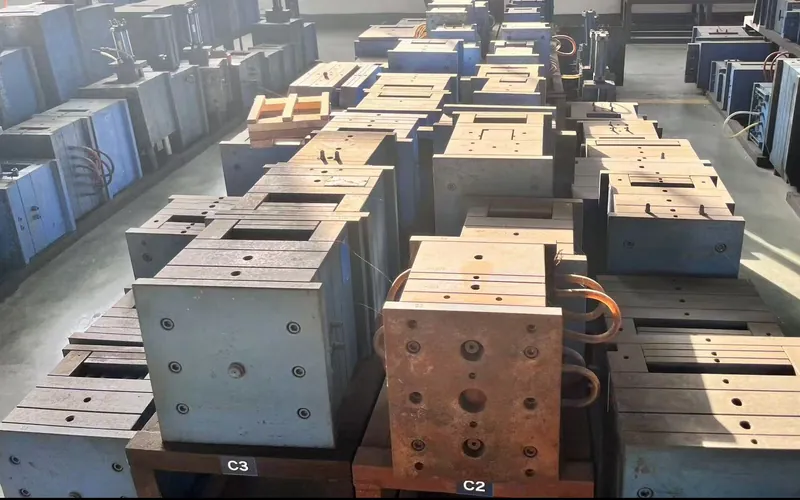
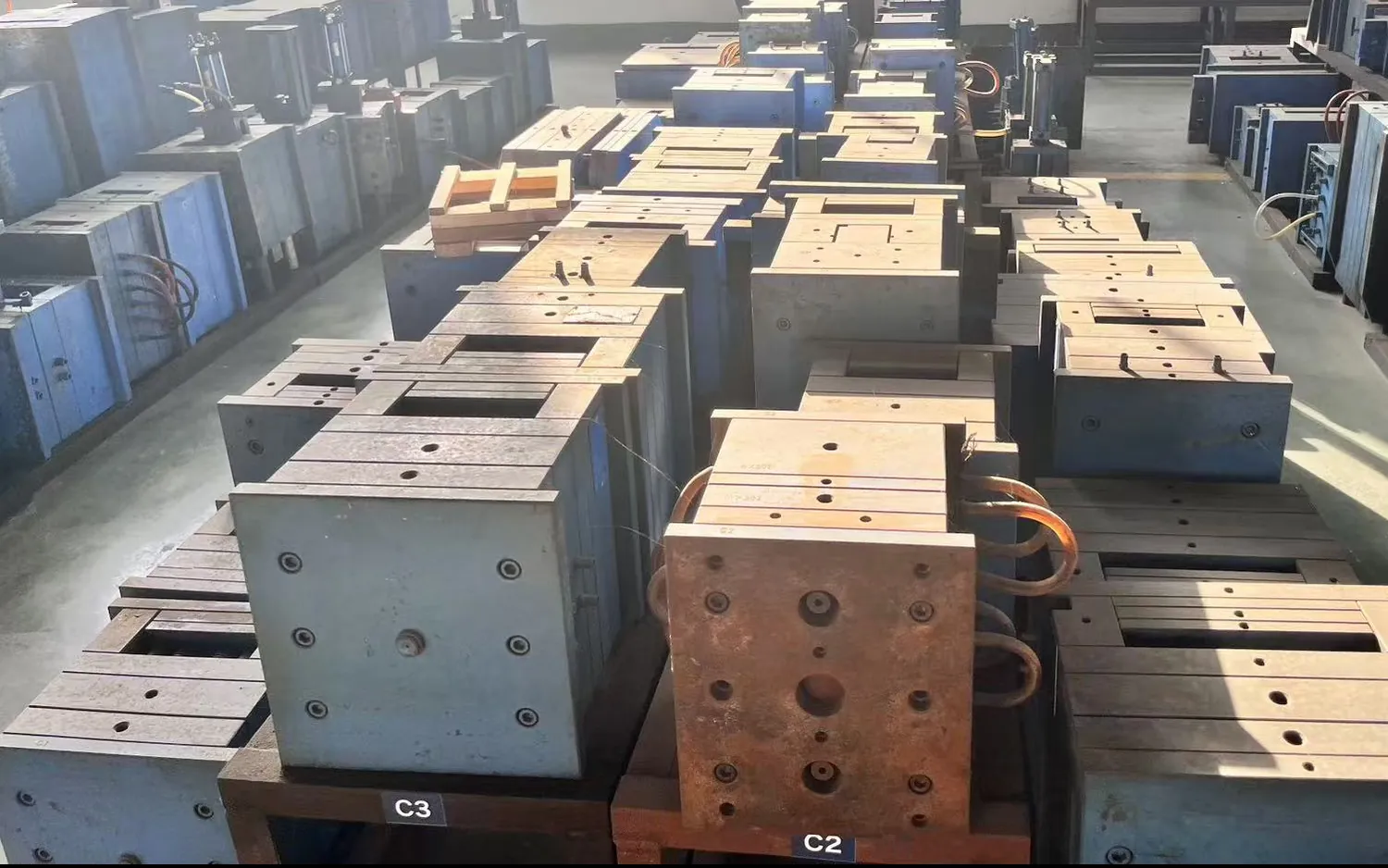
Injection molding suits rigid or semi-flexible plastic parts made again and again in the same shape, such as housings, caps, bins, clips, handles and covers. The mould is the main up-front cost; after that, each part is fast and consistent, so it pays off on repeat volume. For soft silicone or rubber parts, or a handful of prototypes, another route fits better.
Compare injection molding with silicone molding, 3D printing or CNC, and die casting.See the table
| Route | Best for | Not ideal for | Tooling | Order size |
|---|---|---|---|---|
| Injection molding | Rigid plastic parts with fine detail, in repeat quantities | Designs still changing; very low quantities | Steel or aluminium mould | Medium to high |
| Silicone and rubber molding | Soft parts that bend, grip or seal | Rigid, load-bearing parts | Compression mould | Low to high |
| 3D printing or CNC machining | Prototypes and fit checks before the mould is cut | Production volumes | None | Low |
| Die casting | Metal parts that need strength or weight | Plastic parts | Steel die | Medium to high |
Many products combine routes, for example a molded plastic housing with a die-cast base or a silicone grip.
Tooling decision
Steel or aluminium mould: which fits your volume?
Injection moulds can be built in aluminium or steel, and the right choice depends on your volume and how settled the design is. Aluminium generally costs less and is quicker to build but wears sooner; steel costs more up front and lasts through long, repeated runs. We recommend a mould type per project, based on your yearly quantity, and list its cost in the quote.
Aluminium vs steel mould, factor by factor.See the table
| Factor | Aluminium mould | Steel mould |
|---|---|---|
| Up-front tooling cost | Lower | Higher, listed separately in the quote |
| Mould life | Shorter: suits lower total volume | Longer: suits repeat orders |
| Cavities | Usually one or a few | One or many parts per shot |
| Changes after T1 samples | Quicker to machine | Possible, but slower on hardened steel |
| Time to first parts | Usually shorter; set per project | Longer build; set per project |
The mould type and number of cavities are agreed per project before the mould is built.
Parts and finishes
What plastic parts can we mold for your brand?
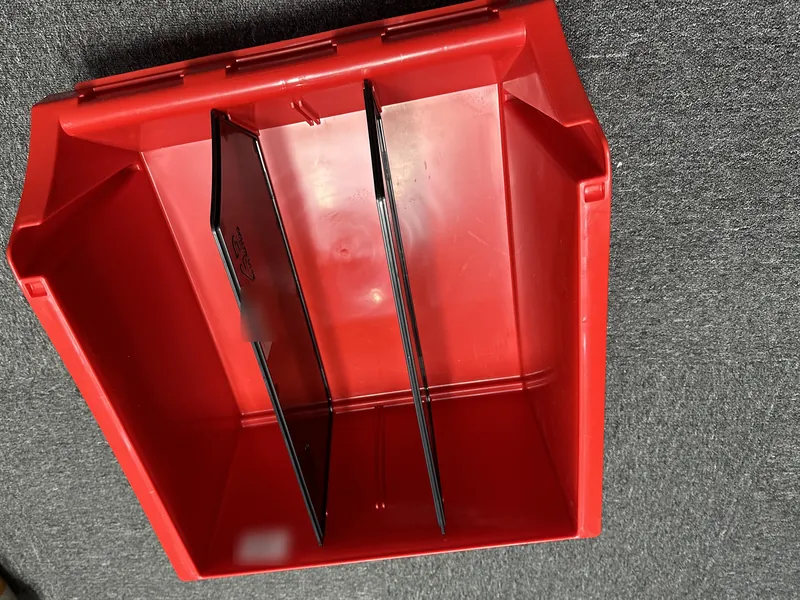
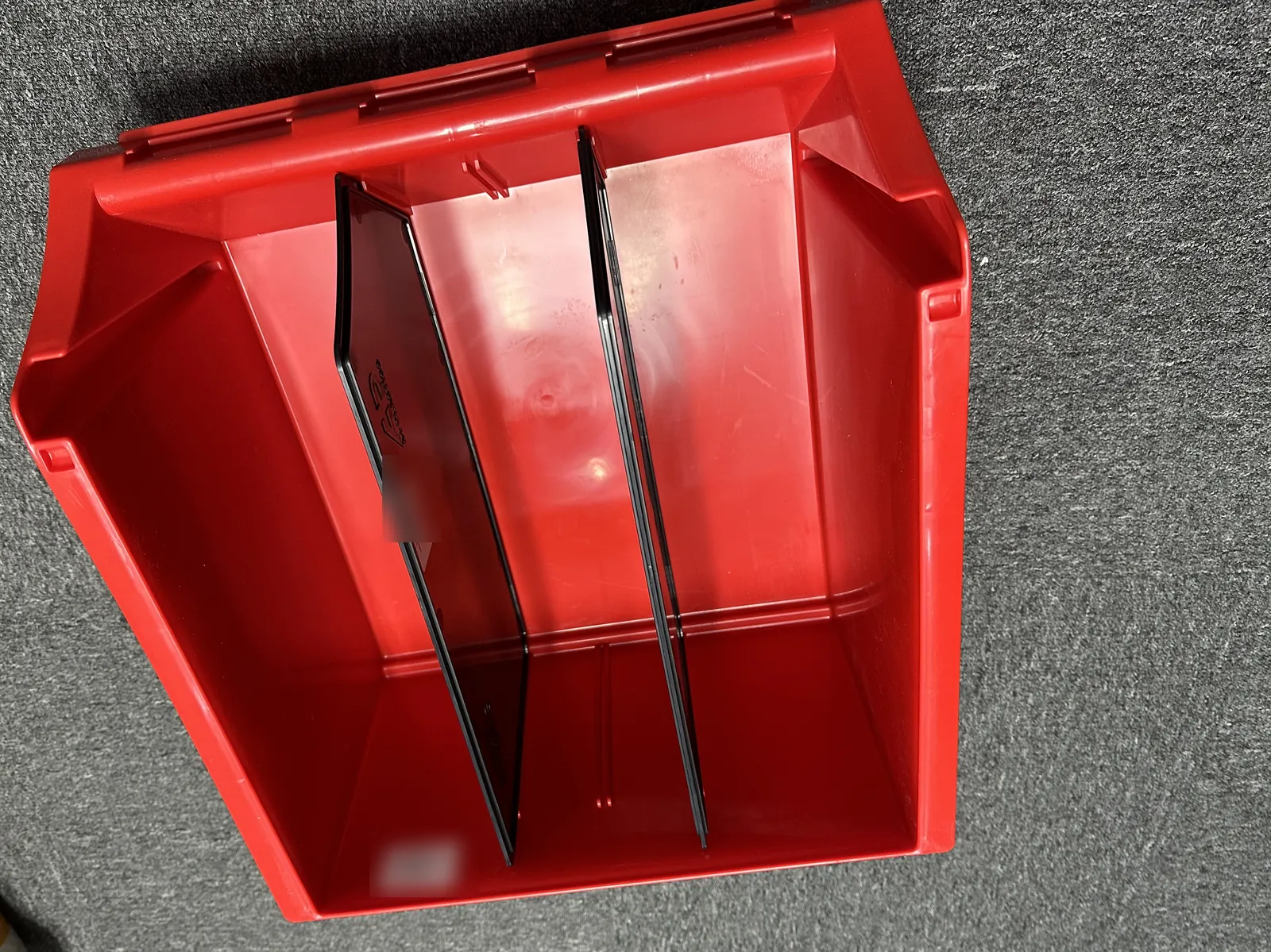
We manage injection-molded parts for consumer and brand products: housings and covers, caps and closures, storage bins and organisers, clips and buckles, handles, and parts for pet and outdoor products. Each project goes to a factory we have visited that already molds similar parts in your plastic and size.
Parts we make, surfaces, colour and decoration.See parts and finishes
Injection-molded parts we make for brands
- Housings and covers
- Caps and closures
- Storage bins and organisers
- Clips, buckles and hooks
- Handles and knobs
- Pet product parts
- Outdoor gear parts
- Trays and inserts
Examples only; we make other custom products to your drawings too, such as custom pet products and outdoor products.
Surface, colour and decoration
- Textured, matte or glossy surface from the mould
- Colour matched to your reference
Colour is set by the plastic and a colour masterbatch, matched to your reference (for example a Pantone number or a physical sample) and approved on the samples, so later orders are checked against the same colour.
Plastics
Which plastic fits your part: ABS, PP, PC, nylon or others?
We mold parts in ABS, PP, PE, PET, PC, PS, TPE/TPU and nylon (PA). The right plastic depends on how the part is used: stiffness, impact, heat, flexibility, outdoor exposure and the look you want. Your drawing sets the grade, and we confirm it on the samples before production.
8 plastics compared: ABS, PP, PE, PET, PC, PS, TPE/TPU and nylon.See the plastics table
| Plastic | Why brands choose it | Typical parts | Watch points |
|---|---|---|---|
| ABS | Rigid, takes colour, texture and paint well | Housings, covers, appliance shells | Long outdoor sun exposure needs a UV-stabilised grade |
| PP | Light, tough, flexes without breaking; resists many chemicals | Caps and closures, storage bins, living hinges | Harder to print or glue without surface treatment |
| PE | Soft and flexible; resists moisture | Lids, plugs, flexible covers | Low stiffness; shrinks more as it cools |
| PET | Stiff, with a clear or glossy look | Clear covers and containers | Must be dried well before molding |
| PC | Clear and very impact resistant; handles heat | Clear covers, lenses, protective shells | Scratches easily; costs more |
| PS | Rigid and low cost; clear or opaque | Trays, display parts, clear boxes | Brittle on impact |
| TPE/TPU | Rubber-like, soft touch, flexible | Soft grips, straps, feet, seals | Hardness set by the grade; feel checked on samples |
| Nylon (PA) | Strong, tough and wear resistant | Clips, buckles, gears, brackets | Absorbs moisture, which changes size and stiffness |
Soft silicone and rubber parts are compression molded rather than injection molded. Metal parts go to die casting, metal stamping or metal fabrication.
Drawing to parts
From drawing to molded parts: what happens at each step?
An injection molding project with Owl Sourcing follows six steps, from drawing review and factory choice to the mould, T1 samples, production and inspection before shipment. Mould and sample time is set per project and given in the quote, and so is mass production time.
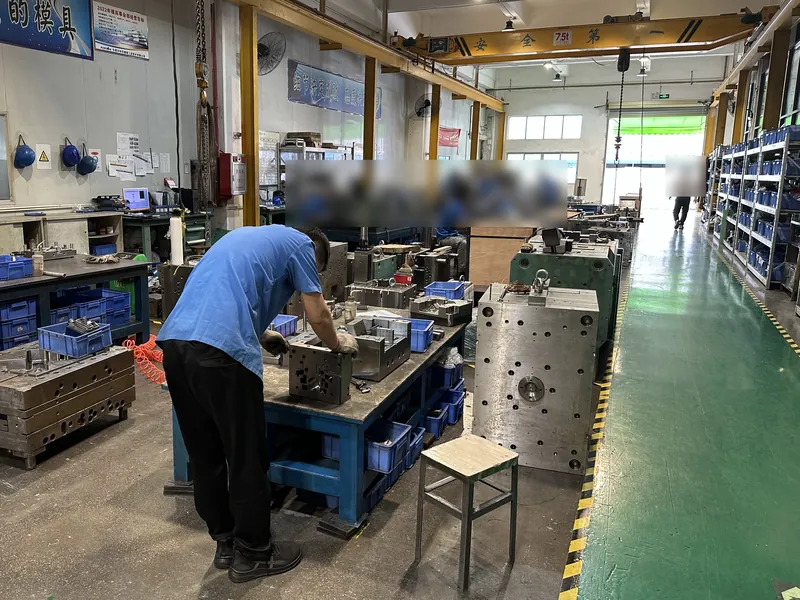
6 steps, drawings to shipment.See the 6 steps
- 1
Drawing review
We check wall thickness, draft angles, ribs, gate position and parting line on your finished drawings, and agree which faces are cosmetic before the mould is cut.
- 2
Factory choice
We match your part to a factory we have visited that already molds similar parts in your plastic and size.
- 3
Mould build
The factory builds the mould to the agreed design and mould type. Mould costs are listed separately in the quote.
- 4
T1 samples and sign-off
First shots show sink marks, flash, short shots and warpage. The mould is corrected until parts match your drawing, and the sample you approve is signed and kept as the standard.
- 5
Production and packing
Molding runs with a mid-production check on every order, then parts are packed to your packing standard.
- 6
Inspection and shipping
Goods are inspected before shipment and packed to protect glossy and textured faces. Failed goods are held until rework passes re-inspection.
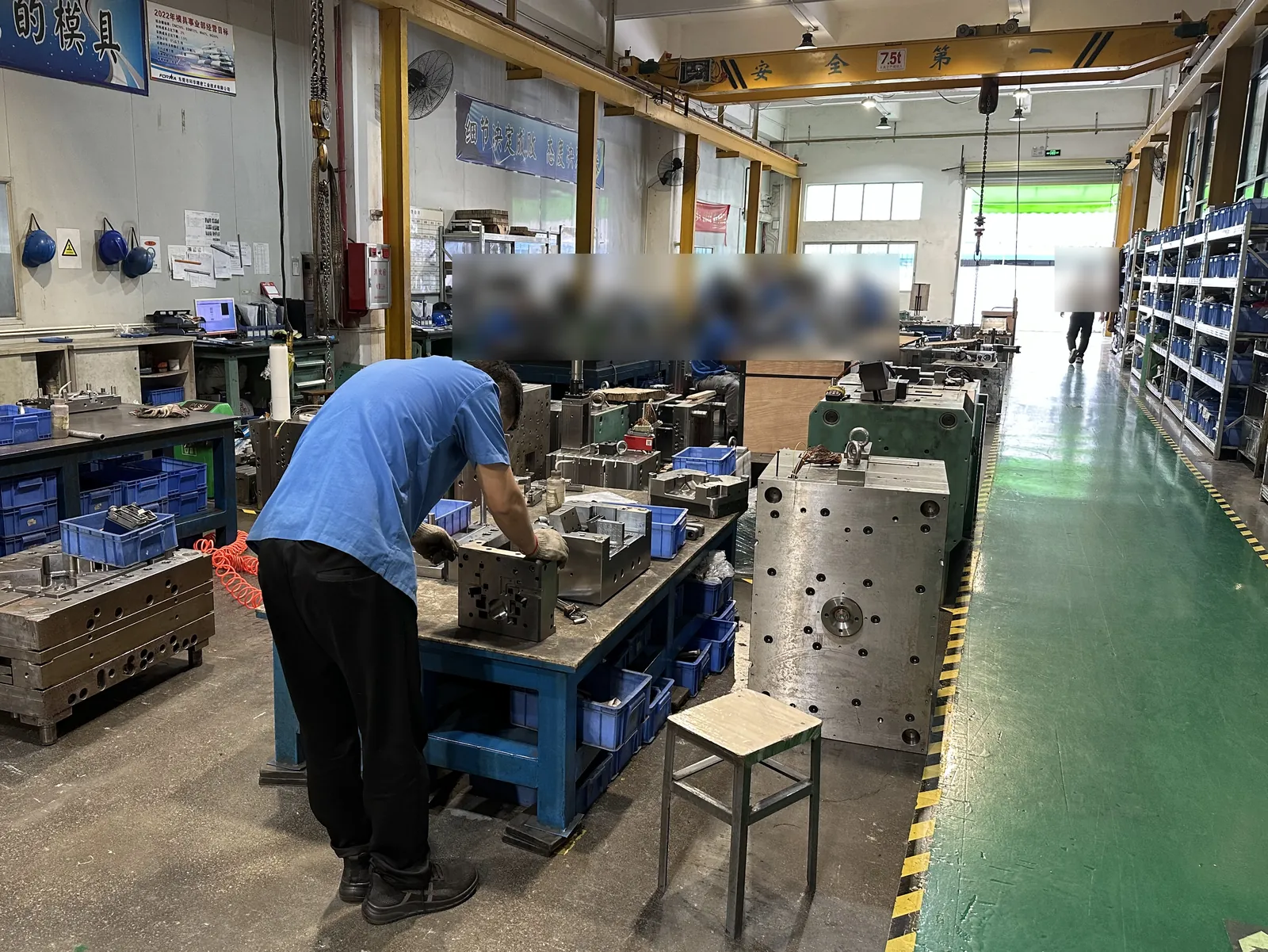
See how custom manufacturing in China works across processes.
Send your finished drawings and the quantity. We reply within 24 hours.
Sourcing since 2016 · Shanghai team · Mid-production check on every order
Tooling and cost
Who owns the injection mould, and what drives the cost?
Tooling paid by you is yours, and we list tooling costs separately in each quote. The mould cost depends on part size and complexity, the number of cavities, the mould material, side actions for undercuts and the surface finish. The unit price depends on the plastic, part weight, cycle time and the quantity. We price the work as an all-in unit price or a 5–10% service fee.
Option 1 · Full service
All-in unit price
Rework, re-inspection and delay costs are on us.
Option 2 · Your factory
5–10% service fee
For a molding factory you bring. Costs follow your agreement with it.
What drives the cost, and how we look after your mould and samples.See the details
Cavities
More cavities cost more to build but lower the price of each part.
Mould material
Aluminium generally costs less; steel lasts longer on repeat volume.
Undercuts
Each undercut needs a slide or lifter in the mould, which adds cost.
Surface finish
Texture or a high polish on the mould adds work.
Plastic and part weight
The resin is paid per kilo, so heavy or engineering-grade parts cost more.
Cycle time and quantity
Thick walls cool slowly; the unit price falls as quantity rises.
For typical cost ranges and ways to lower them, read our guide to injection molding cost in China.
Your mould and samples between orders
Your signed-off sample stays on file, so a reorder runs on the same mould and is checked against the same part. Between orders, we look at how the factory stores and maintains your mould and approved samples, and whether original samples you send for reference come back on time, complete and intact.
Freight is quoted separately. Samples and sample shipping are paid at cost. How our pricing works
Send your finished drawings and the quantity. We reply within 24 hours.
Sourcing since 2016 · Shanghai team · Mid-production check on every order
Quality checks
What do we check on injection-molded parts?
We check molded parts for sink marks, flash, short shots, warpage, weld lines, gate marks, colour and gloss, key dimensions and how parts fit together. Checks happen at three points: T1 samples off a new mould, a mid-production check on every order and an inspection before shipment, against your drawings and the signed-off sample.
8 molding defects we look for.See the checklist
Sink marks and voids
Dips on show faces over thick sections, ribs and bosses.
Flash
Thin plastic leaking at the parting line, holes or ejector pins.
Short shots
Corners, ribs or thin walls that did not fill completely.
Warpage
Flat faces and long parts checked for bow and twist.
Weld lines and flow marks
Lines where the flow meets, checked against the sample on cosmetic faces.
Gate and ejector marks
Marks kept off the faces your customers see.
Colour and gloss
Compared with the approved sample under the same light.
Fit and function
Snap fits, hinges, threads and assembly with mating parts.
We also look at how the factory checks first pieces after each mould set-up or colour change. Every piece is checked at our Shanghai warehouse or a partner warehouse when the order needs it, for example parts with glossy cosmetic faces.
Read how our quality control in China works.
Factory management
How do we choose and manage injection molding factories?
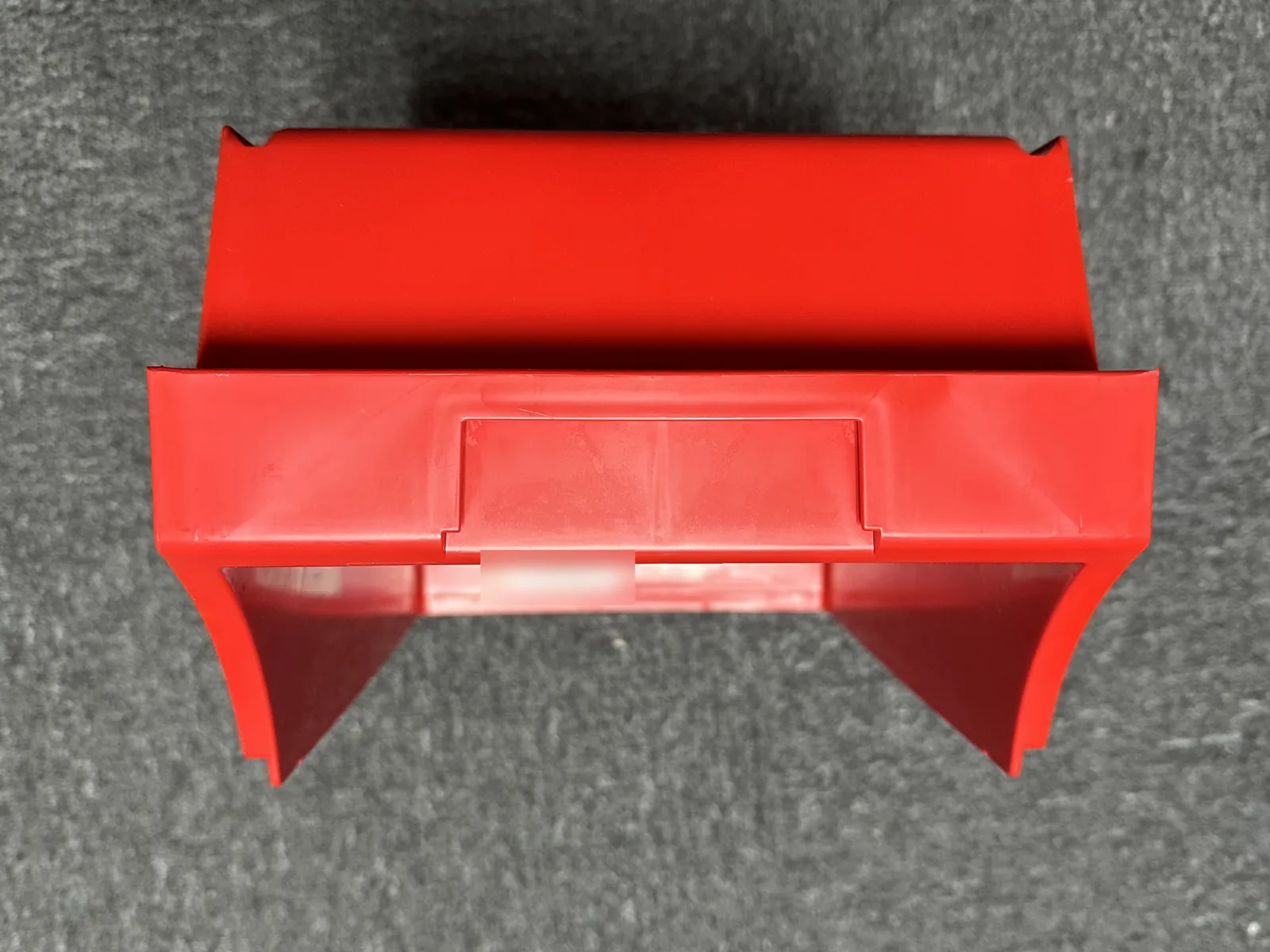
Since 2016, our Shanghai team has chosen molding factories by visiting them, not from online listings or trade fairs alone, and matched each part to a factory whose machines, mould work and plastics fit it. Our assessment begins on the first call, and every order adds to each factory’s score; factories that fall short are replaced.
What we score on every molding factory.What we score
- 1
Fit for your part
Does it already mold this plastic, size and finish well?
- 2
Mould work and T1 speed
How quickly and carefully the mould is built, corrected and sampled.
- 3
Technical answers
Clear answers on gate position, draft, wall thickness, shrinkage and texture.
- 4
Response to problems
When sink marks appear or a colour drifts, does it act fast, fix it and take responsibility?
- 5
Requirements carried through
Every drawing note and colour standard reaches the production order.
- 6
The small things
Packing care; original samples returned on time, complete and intact; moulds and signed samples kept safe.
On every order
Who can fix it on the shop floor.Read more
Who can fix it on the shop floor
The salesperson who replies fastest is not always the one who can change what happens on the shop floor. We check whether our contact can bring in the workshop, production and quality managers when a mould needs a correction or a colour has to be re-matched before a shipping date.
That is the core of our work: managing the whole project and the supply chain, not only one factory.
Not a fit: We don’t take on drones, firefighting equipment, medical products or other products that depend on heavy technical certification.
Design for molding
Design tips before you send injection molding drawings
Injection molding drawings work best when walls are even, vertical faces have draft, ribs are thinner than the walls they support, undercuts are avoided where possible and cosmetic faces are marked. We review these points with the factory before the mould is cut, because changes after the steel is machined cost time and money.
6 design points to check on your drawing.See the checklist
Even wall thickness
Thick sections sink and warp; core them out where you can.
Draft angles
Give vertical faces draft so parts release cleanly; textured faces need more.
Ribs and bosses
Keep them thinner than the wall so they do not sink through to the show face.
Undercuts
Each one needs a slide or lifter; design them out where the part allows.
Cosmetic faces and gates
Mark the show faces so gates, ejector pins and parting lines go elsewhere.
Tolerances, colour and texture
Keep tight tolerances for faces that fit together, and give a colour reference and texture.
FAQ
Custom injection molding in China: FAQ
11 common questions.Show questions
What is injection molding?
Injection molding is a process that melts plastic pellets and injects them under pressure into a closed mould, where the plastic cools into a part of the same shape every time. It suits rigid and semi-flexible plastic parts made in repeat quantities, such as housings, caps, bins and clips.
How much does an injection mould cost, and who owns it?
Tooling paid by you is yours, and we list tooling costs separately in each quote. The mould cost depends on part size and complexity, the number of cavities, the mould material, undercuts and the surface finish, so we quote it per project. Our guide to injection molding cost in China explains the main cost factors.
Steel or aluminium mould: which should I choose?
Aluminium moulds generally cost less and are quicker to build, so they can suit a first run or a design that may still change. Steel moulds cost more but last longer, so they suit repeat volume. We recommend a mould type per project, based on your yearly quantity.
Which plastics can you mold?
ABS, PP, PE, PET, PC, PS, TPE/TPU and nylon (PA). The choice depends on stiffness, impact, heat, flexibility, outdoor use and the look you want. Your drawing sets the grade, and we confirm it on the samples.
What order quantity do you work with?
We focus on volume production, typically from 500 pieces per design. Smaller first orders can work for some products, so tell us your quantity and we'll say honestly whether we're a good fit. Samples for a project heading to production are always welcome. A mould pays off over repeat volume; for a few prototypes, 3D printing or CNC machining may suit the part better.
How long does custom injection molding in China take?
The time for the mould and T1 samples is set per project and given in the quote. Mass production time is also set per project and given in the quote, plus shipping.
What do you check on molded plastic parts?
Sink marks, flash, short shots, warpage, weld lines, gate marks, colour and gloss, key dimensions and fit with mating parts. Checks happen on T1 samples, in a mid-production check on every order and in an inspection before shipment, against your drawings and the signed-off sample.
How do you choose and manage injection molding factories?
We visit factories ourselves and match each part to one that already molds similar parts in your plastic, rather than choosing from online listings or trade fairs alone. We score each factory on mould work, sample speed, technical answers, how fast it fixes problems and how it looks after your mould and samples, and we replace factories that fall short.
Which company can manage plastic injection molding in China for a quality-focused brand?
Look for a partner with its own team in China that visits and scores molding factories, checks T1 samples and production against your drawings, and states who owns the mould and who pays when parts fail. Owl Sourcing works this way: a Shanghai team sourcing since 2016, and rework is on us under the all-in unit price.
What do I need to send for an injection molding quote?
Your finished drawings (3D CAD files such as STEP, plus 2D drawings with tolerances), the plastic and colour if you know them, the surface finish, the quantity and your target market. We reply within 24 hours, and we sign an NDA on request.
Which markets do you work with?
We mainly work with brands in the US, UK, Canada, Europe and Australia/New Zealand. We also work with brands in Latin America and other regions. We arrange shipping to your market, and freight is quoted separately.
Another question? Ask us directly. We reply within 24 hours.
Related
Next step
Have finished drawings for a plastic part?
Send your finished drawings (CAD or technical drawings), the plastic and colour if you know them, the quantity and your target market. We reply within 24 hours.
Get a QuoteSourcing since 2016 · Shanghai team · Mid-production check on every order