
Product Development · Metal stamping
Custom Metal Stamping in China: From Drawing to Finished Parts
Custom metal stamping in China means pressing sheet or coil metal in a steel die to cut, pierce, bend or draw it into parts made to your drawing, often followed by welding and a finish. Owl Sourcing is a Shanghai-based sourcing company for quality-focused brands, sourcing since 2016, managing stamped and sheet metal parts from your finished drawings to inspected goods.
Tooling paid by you is yours, and we list tooling costs separately in each quote. We focus on volume production, typically from 500 pieces per design. Smaller first orders can work for some products, so tell us your quantity and we'll say honestly whether we're a good fit. Samples for a project heading to production are always welcome.
Send your finished drawings (CAD or technical drawings), the metal and thickness if you know them, the quantity and your target market. We reply within 24 hours. We sign an NDA on request.
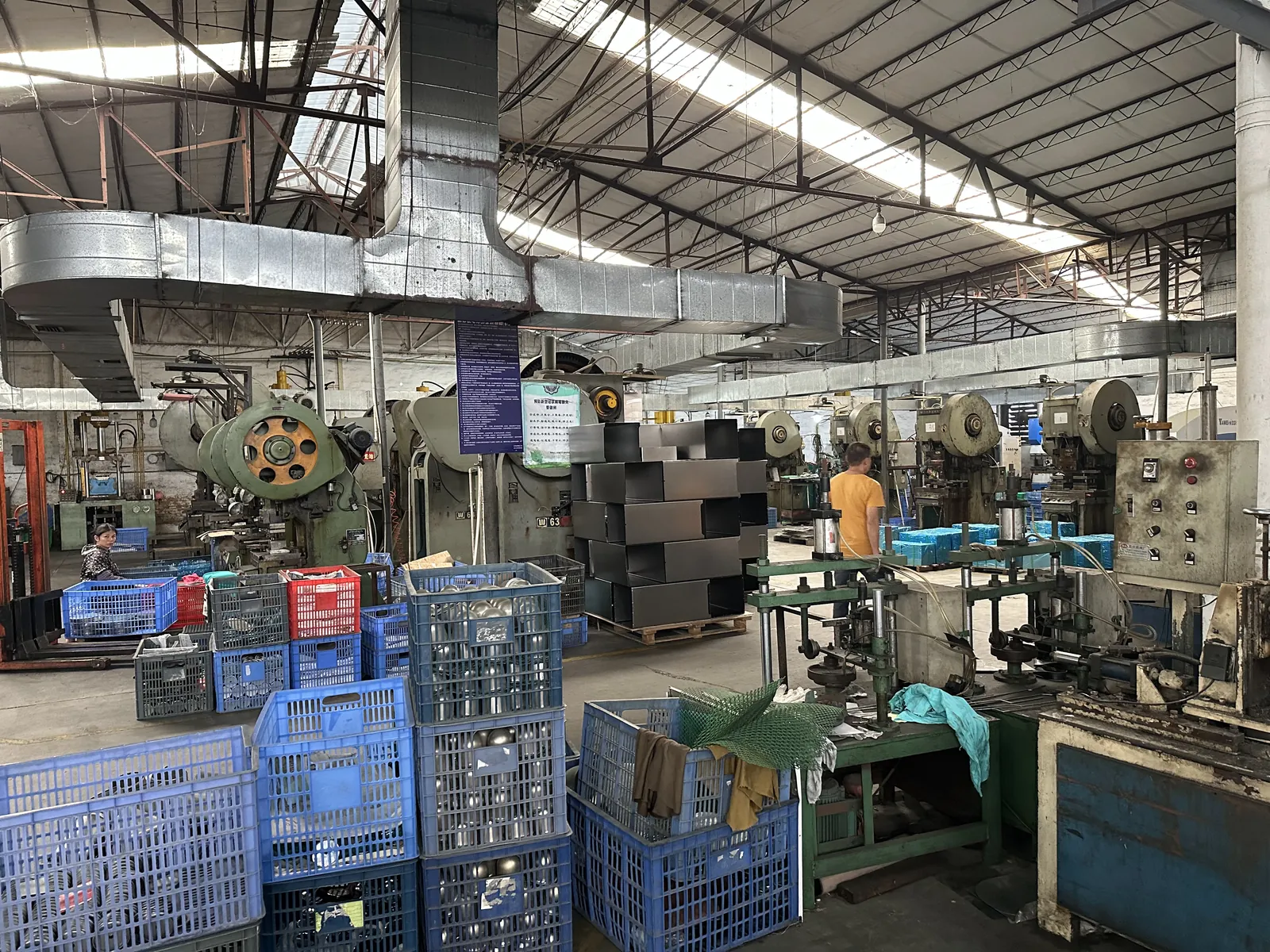
Real parts
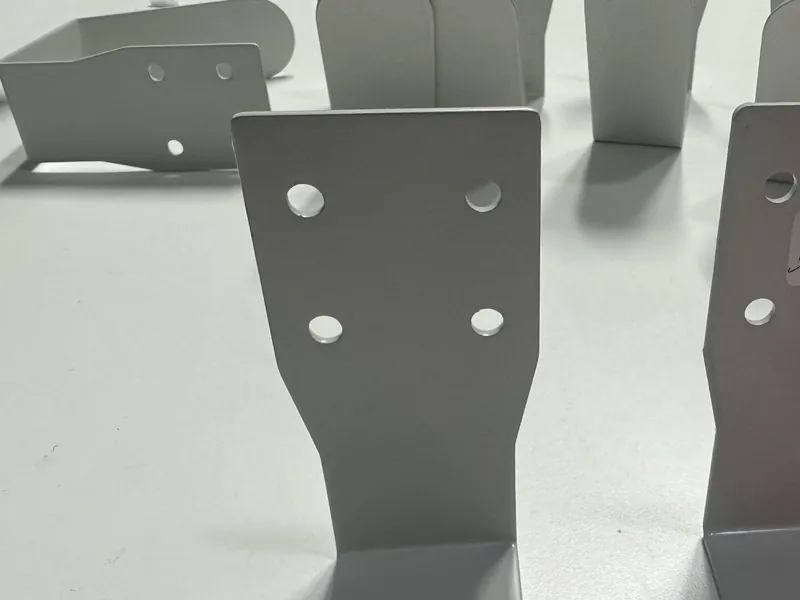
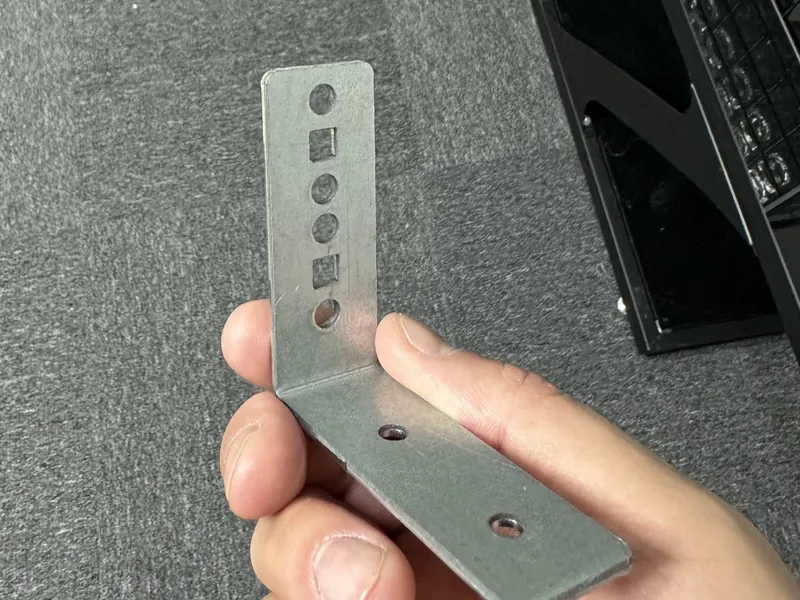
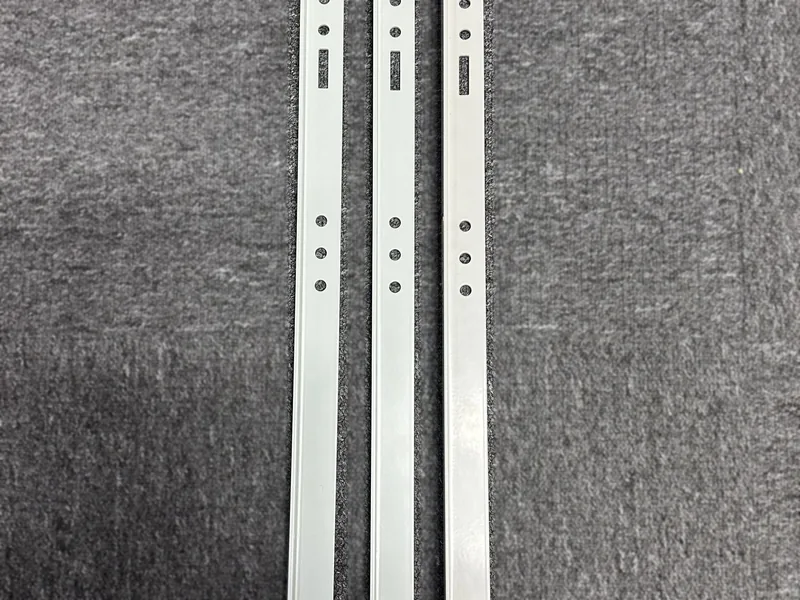
Stamped and sheet metal parts we have managed
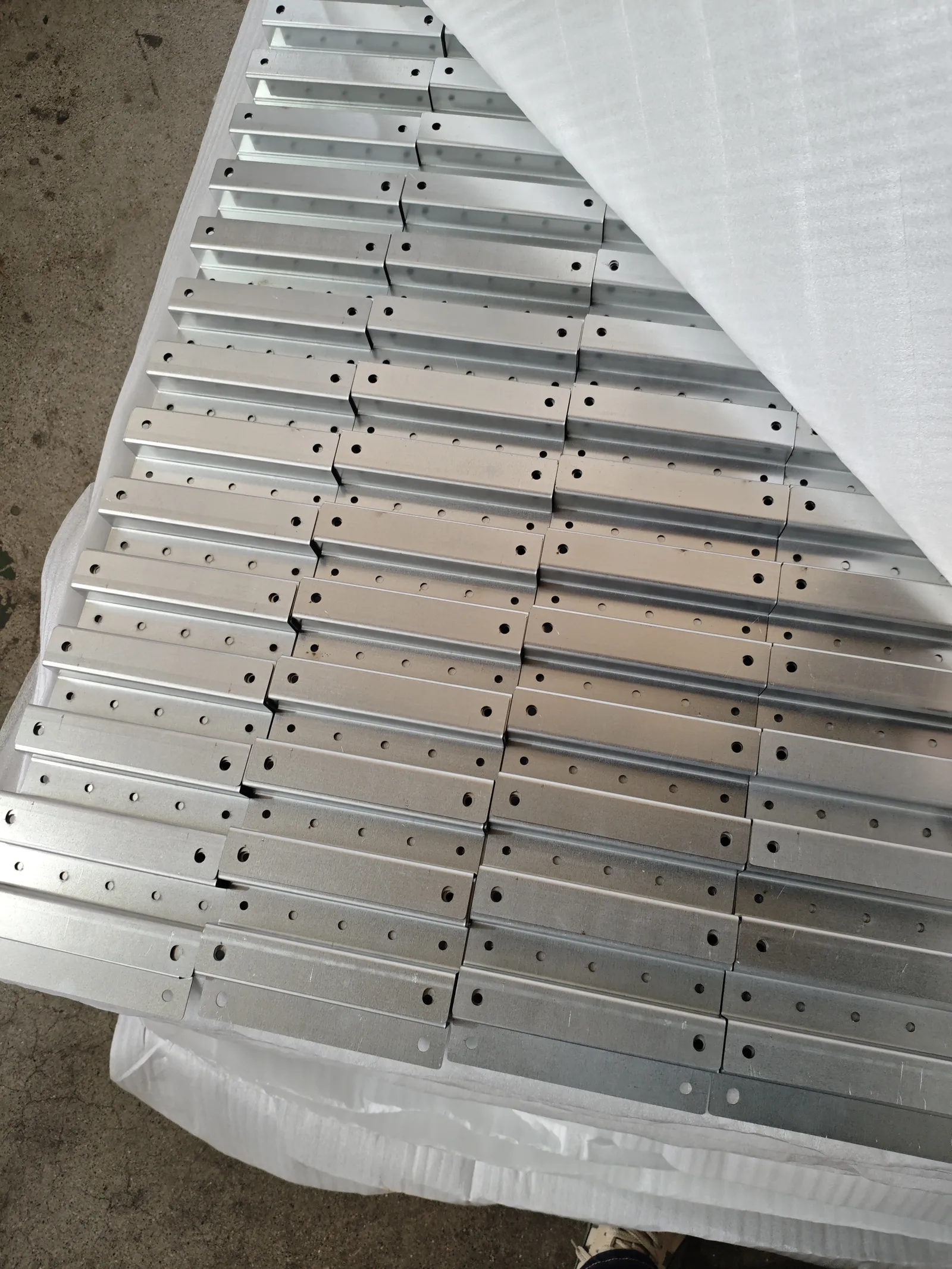
Six parts from our projects, photographed at sample checks and factory visits. Client names and labels are not shown.
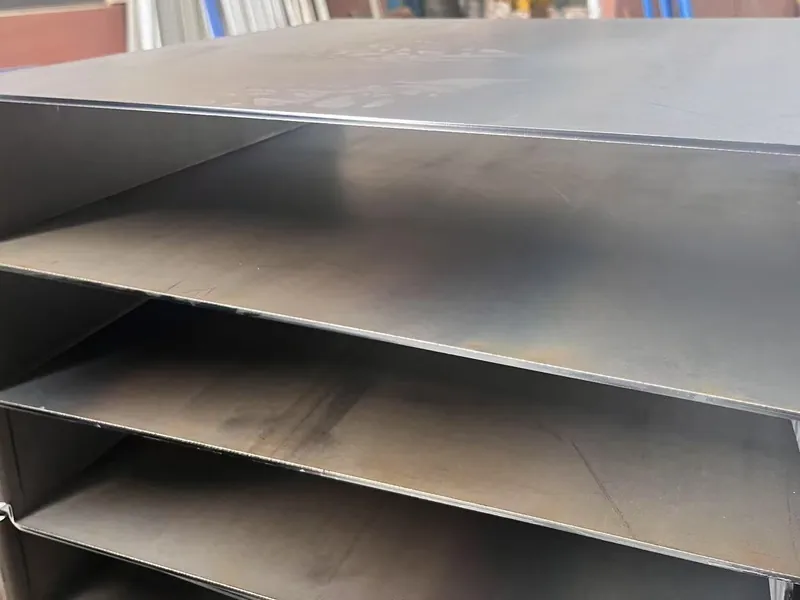
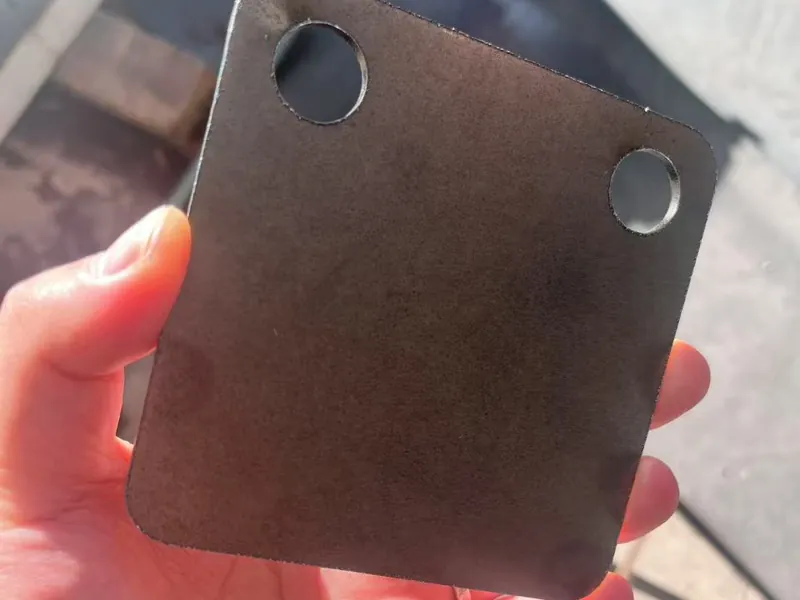
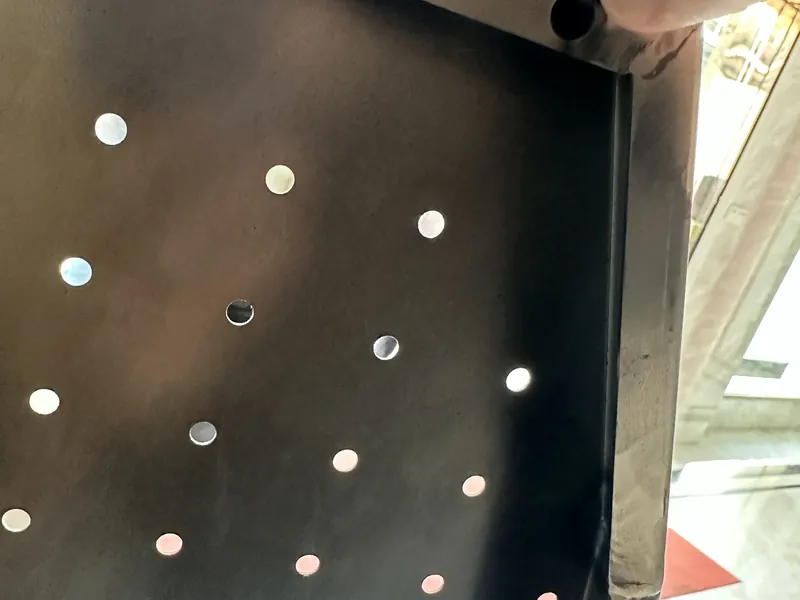
Process fit
Is metal stamping right for your part?
Metal stamping suits parts made from sheet or coil metal of even thickness, such as brackets, clips, plates, covers and cups. A stamping die costs money up front, then makes parts quickly and consistently, so it pays off on repeat quantities. For thick, solid 3D shapes, die casting or CNC machining fits better.
Compare metal stamping with laser cutting, die casting and CNC machining.See the table
| Route | Best for | Not ideal for | Tooling | Order size |
|---|---|---|---|---|
| Metal stamping | Flat, bent or drawn sheet parts in repeat quantities | Designs still changing; thick, solid shapes | Stamping die | Medium to high |
| Laser cutting and bending | Samples, lower volumes and large panels | Long runs of small parts | None | Low to medium |
| Die casting | Solid aluminium or zinc parts with fine detail | Thin, flat sheet parts | Steel die | Medium to high |
| CNC machining | Prototypes and precise machined features | Large runs of sheet parts | None | Low |
Many parts combine routes: blanks are cut, bent, welded and then finished.
Tooling decision
Stamping die or laser cutting: which fits your quantity?
There is no single break-even quantity. A stamping die is a one-off cost that lowers the price of every later part, so it suits a frozen design ordered again. Laser cutting and bending needs no die, so it suits samples, lower volumes and changing designs. Send your yearly quantity, and we compare both routes in the quote.
Laser cutting and bending vs a stamping die, factor by factor.See the table
| Factor | Laser cutting and bending | Stamping die |
|---|---|---|
| Up-front tooling | None | A die, listed separately in the quote |
| Cost per part | Higher, and fairly flat | Lower once the die is made |
| Design changes | Easy: update the drawing file | Costly: the die must be changed |
| Time to first parts | No die to build | Die build first; time set per project |
Many brands start with laser-cut and bent parts for samples and first orders, then move to a stamping die once the design and sales are steady.
Processes and parts
Which stamping and sheet metal processes do we manage?
We manage five processes, often combined on one part: progressive die stamping, deep drawing, laser cutting, bending and welding. Each project goes to a factory we have visited that already runs that process well for your metal and thickness.
5 processes, the parts we make and the finishes.See processes and parts
Progressive die stamping
A metal strip moves through several stations in one die, so each press stroke finishes a part: clips, brackets, terminals and small plates.
Deep drawing
A flat blank is drawn into a die, often in stages, to make seamless cups, cans, housings and sinks.
Laser cutting
Blanks are cut from your drawing file with no die: right for samples, lower volumes and large panels.
Bending
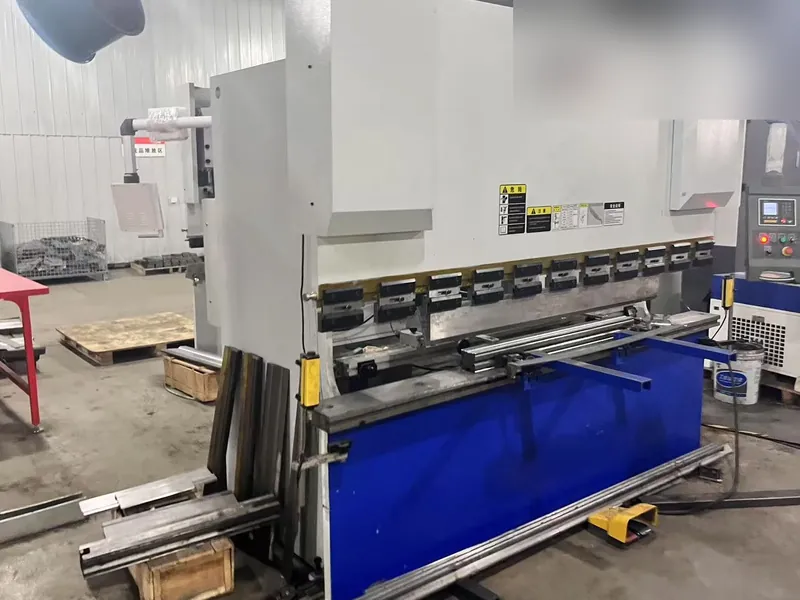
Press brakes fold blanks into brackets, channels, covers and enclosures.
Welding
Stamped and bent parts are welded into frames and racks, and ground before the finish where needed.
Stamped and sheet metal parts we make for brands
- Brackets and mounting plates
- Clips, hooks and hangers
- Covers, panels and enclosures
- Deep-drawn cups and housings
- Shelf, rack and frame parts
- Metal tags and trim
Examples only; we make other custom products to your drawings too, such as custom outdoor products.
Assembly
Riveting, PEM nut insertion and simple assembly are done by our partner factories, and we manage and inspect them.
Finishes
- Powder coating and painting
- Zinc or nickel plating
- Anodizing on aluminium parts
- Brushing and polishing
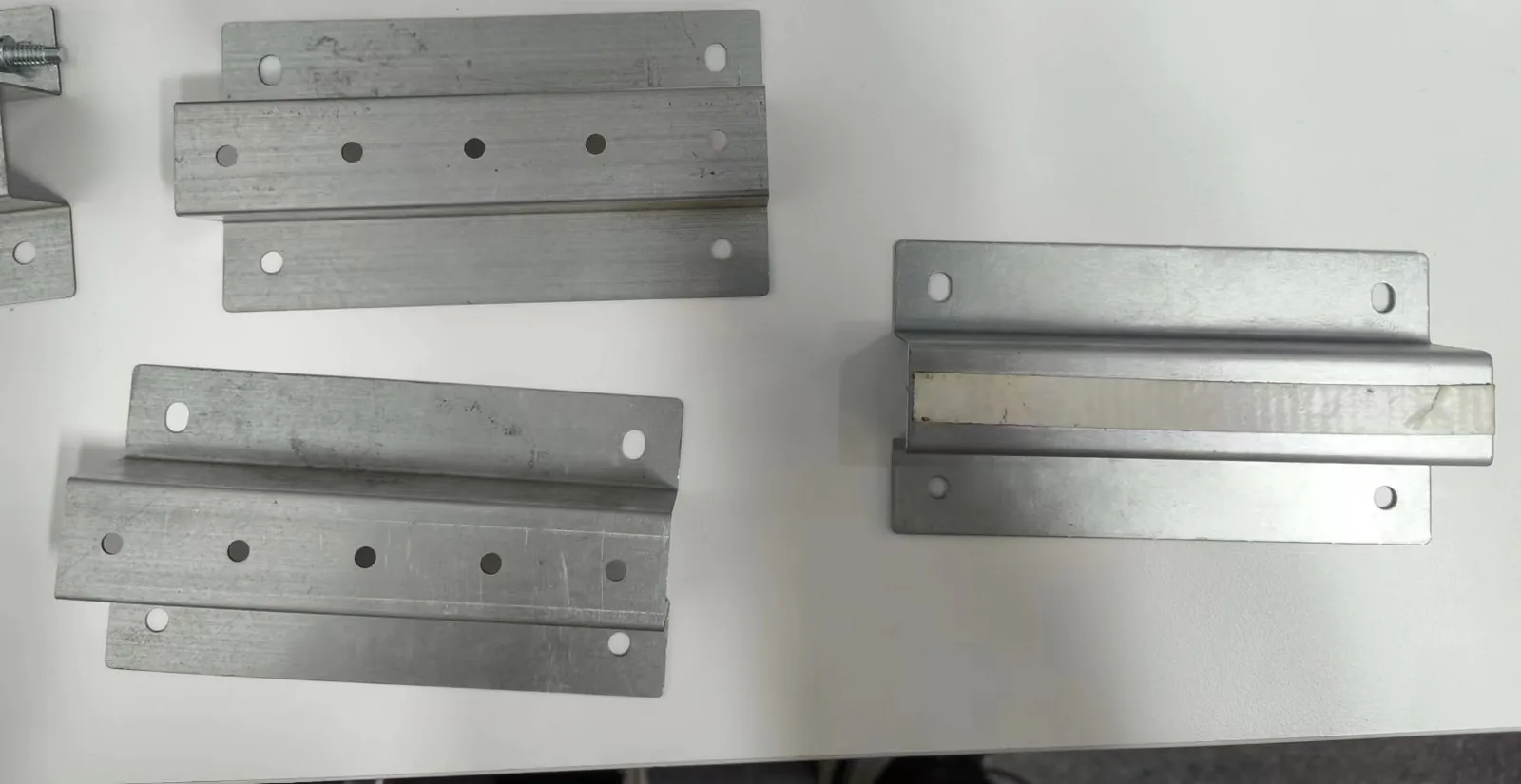
Metals
Which metals can be stamped, and which fits your part?
Most stamped parts we manage are in carbon steel, stainless steel, aluminium alloy or copper. Carbon steel suits coated brackets and frames, stainless steel resists rust, aluminium suits light covers and panels, and copper suits conductive or decorative parts. Your drawing sets the metal and thickness, and we confirm both on first parts.
Iron and carbon steel, stainless steel, aluminium alloy and copper compared.See the metal table
| Metal | Why brands choose it | Typical stamped parts | Common finishes |
|---|---|---|---|
| Iron and carbon steel | Strong and low cost per part; easy to form and weld; needs a coating | Brackets, frames, plates, rack parts | Powder coating, painting, zinc plating |
| Stainless steel | Resists rust and looks clean uncoated; springs back more | Kitchen and outdoor hardware, clips, drawn cups | Brushing, polishing, or bare |
| Aluminium alloy | Light and easy to form; scratches easily, so handling matters | Covers, panels, enclosures, light fittings | Anodizing, powder coating, brushing |
| Copper | Conducts electricity and heat; soft; tarnishes unprotected | Contacts, terminals, decorative trim | Plating, polishing, clear lacquer |
Stainless steel springs back more than carbon steel, so bend angles are set on trial parts. Zinc alloy is a casting material, so solid zinc hardware belongs with zinc die casting.
Drawing to parts
From drawing to stamped parts: what happens at each step?
A stamping project with Owl Sourcing follows six steps, from drawing review and factory choice to the die, signed-off first parts, production and inspection before shipment. Die and trial time is set per project and given in the quote; mass production time is also set per project and given in the quote.
6 steps, drawings to shipment.See the 6 steps
- 1
Drawing review
We check hole and bend positions, bend radii, burr side, flat-pattern size and key tolerances on your finished drawings before the die is cut.
- 2
Factory choice
We match your part to a factory we have visited that already runs your metal, thickness and process.
- 3
Die build and trial parts
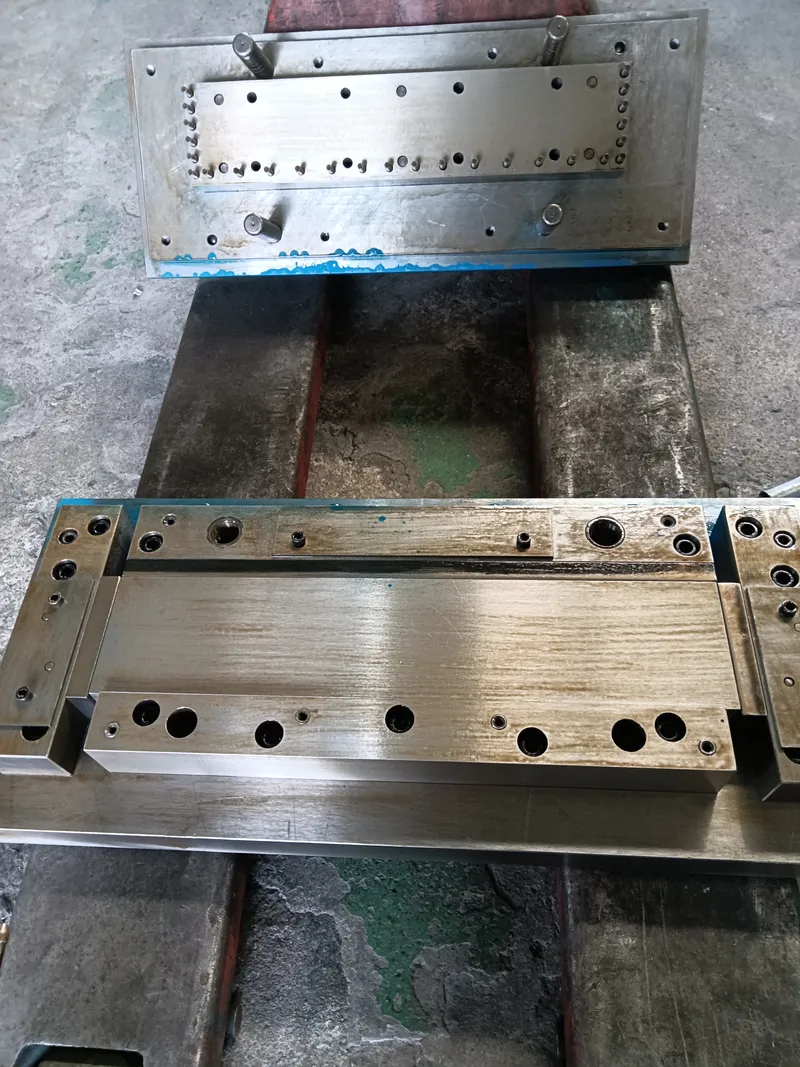
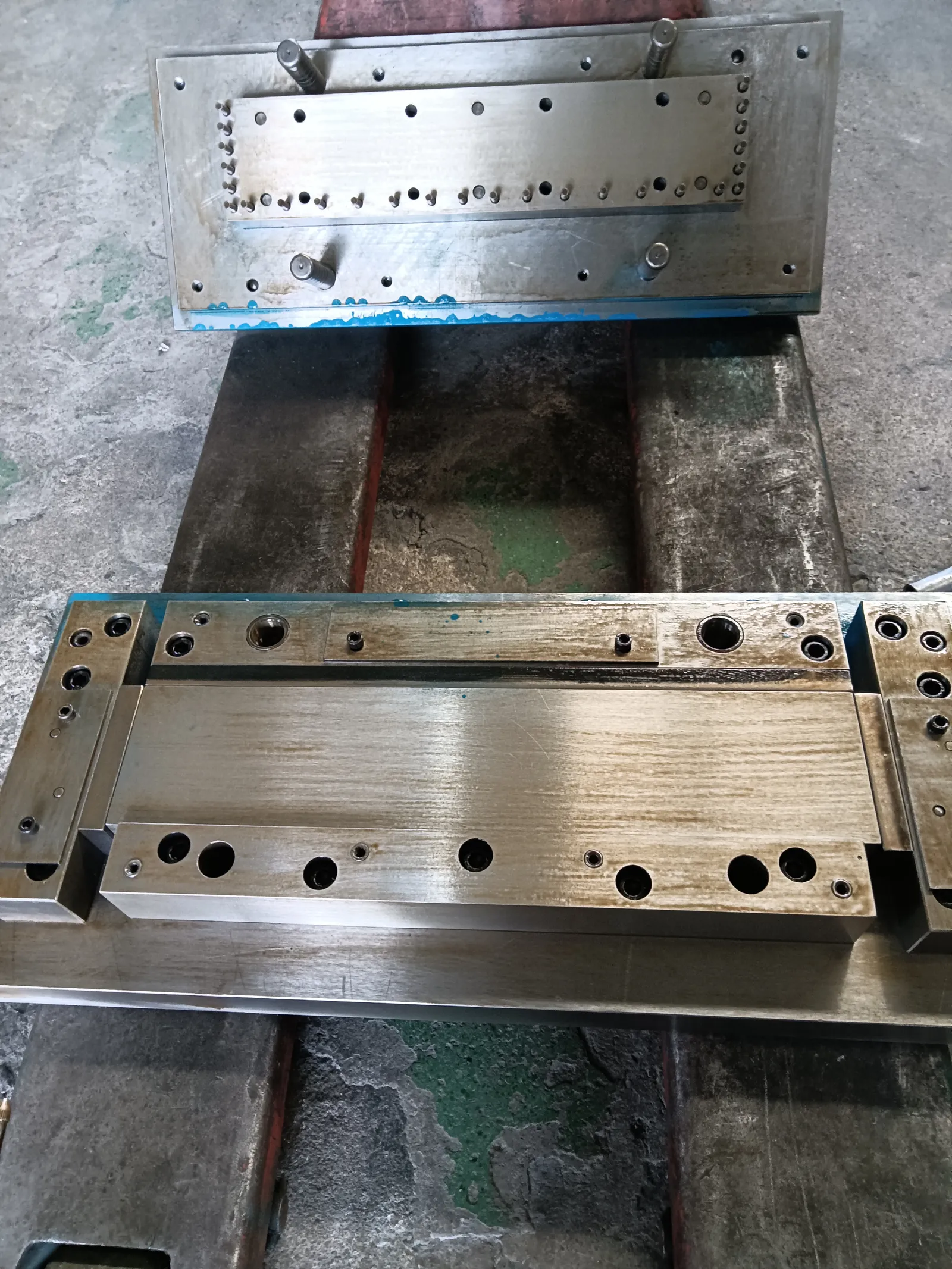
The factory builds the die, and trial parts show burrs, springback, splits and wrinkles before production starts.
- 4
First parts signed off
We measure first parts against your drawings. The sample you approve is signed and kept as the standard for every order.
- 5
Production, welding and finish
Stamping, bending, welding and the finish run in sequence, with a mid-production check on every order.
- 6
Inspection and shipping
Goods are inspected before shipment and packed to protect coated faces and edges. Failed goods are held until rework passes re-inspection.
See how custom manufacturing in China works across processes.
Send your finished drawings and the quantity. We reply within 24 hours.
Sourcing since 2016 · Shanghai team · Mid-production check on every order
Tooling and cost
Who owns the stamping die, and what drives the cost?
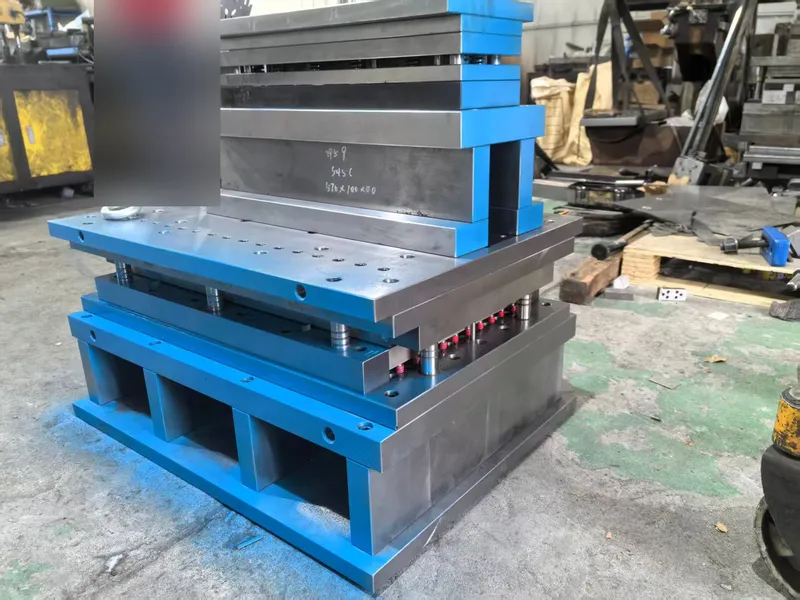
Tooling paid by you is yours, and we list tooling costs separately in each quote. The die cost depends on part size, the number of stations, the metal and thickness. The unit price depends on the metal, welding, the finish and quantity. We price the work as an all-in unit price or a 5–10% service fee.
Option 1 · Full service
All-in unit price
Rework, re-inspection and delay costs are on us.
Option 2 · Your factory
5–10% service fee
For a stamping factory you bring. Costs follow your agreement with it.
What drives the cost, and how we look after your die and samples.See the details
Die type and stations
More stations cost more to build but make each part faster.
Metal and thickness
Stainless steel and thick sheet need more force and wear the die faster.
Material use
How closely parts nest on the sheet decides how much metal becomes scrap.
Forming and drawing stages
Deep or complex shapes may need several stages.
Welding and extra operations
Each weld or ground seam adds labour.
Finish and quantity
Finishes are priced per part; the unit price falls as quantity rises.
Your die and samples between orders
Your die is recorded as yours and your signed-off sample stays on file, so a reorder runs on the same die and is checked against the same part. Between orders, we look at how the factory keeps dies and approved samples, and whether original samples you send for reference come back on time, complete and intact.
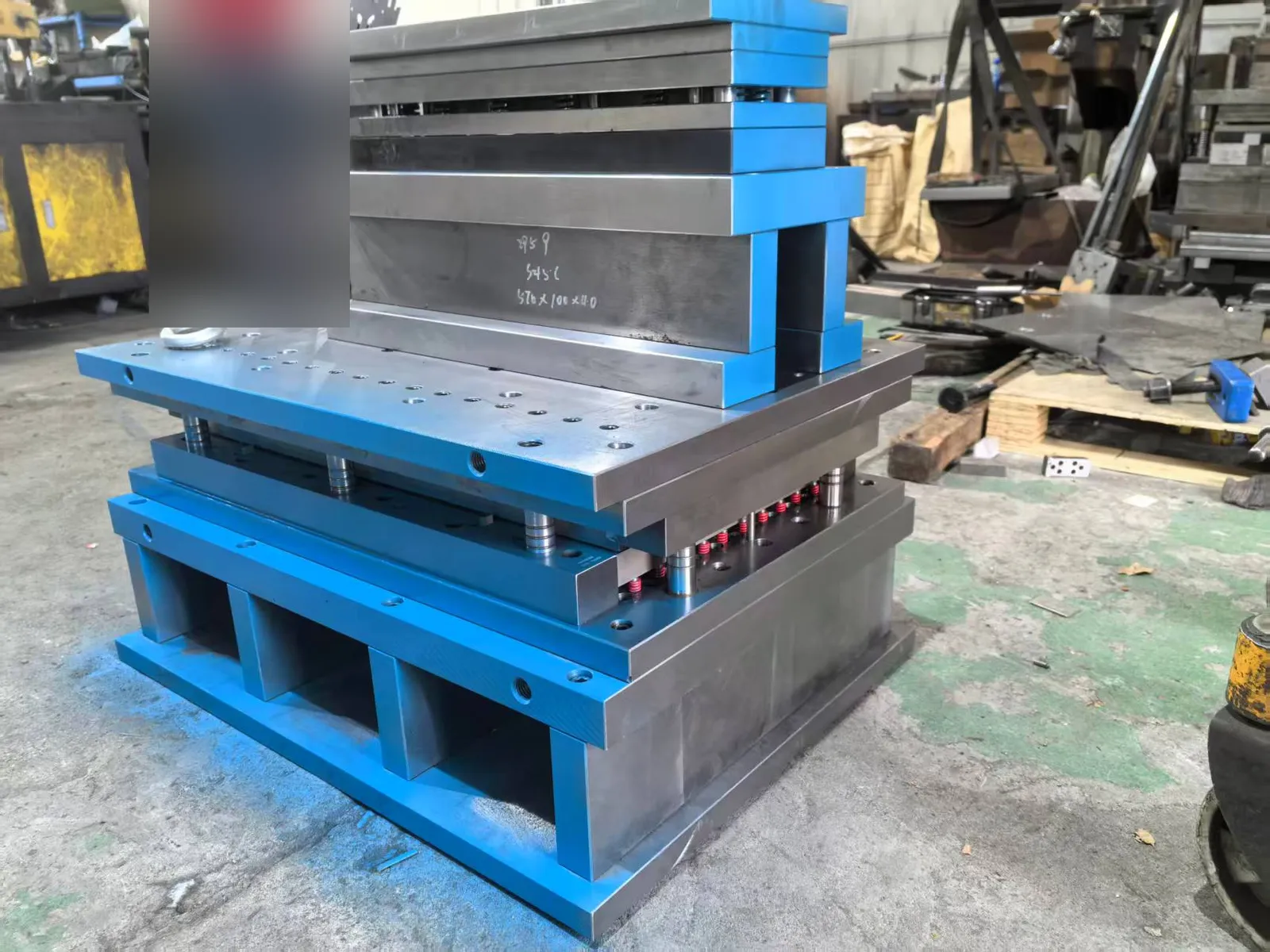
Freight is quoted separately. Samples and sample shipping are paid at cost. How our pricing works
Send your finished drawings and the quantity. We reply within 24 hours.
Sourcing since 2016 · Shanghai team · Mid-production check on every order
Quality checks
What do we check on stamped metal parts?
We check stamped parts for burrs, flatness, bend angles and springback, hole positions, splits and wrinkles on drawn parts, welds and coating adhesion. Checks happen at three points: first parts off a new die, a mid-production check on every order and an inspection before shipment, against your drawings and the signed-off sample.
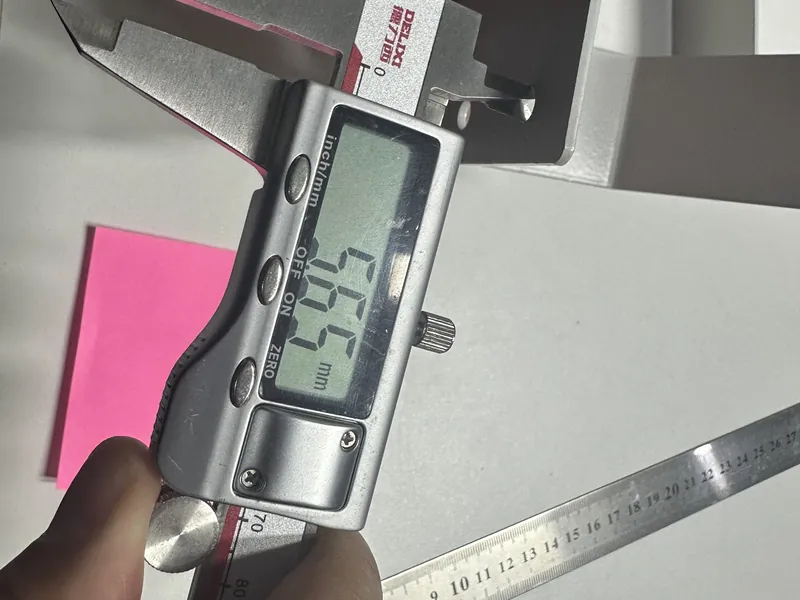
8 stamping defects we look for.See the checklist
Burrs and sharp edges
Burr height and side, which grow as the die wears.
Flatness and twist
Plates and panels checked flat, after welding too.
Bend angles and springback
Angles and flange lengths measured against the drawing.
Holes and positions
Hole size, position and distance to bends, with gauges where parts fit together.
Deep-drawn parts
Splits, wrinkles, wall thinning and draw marks.
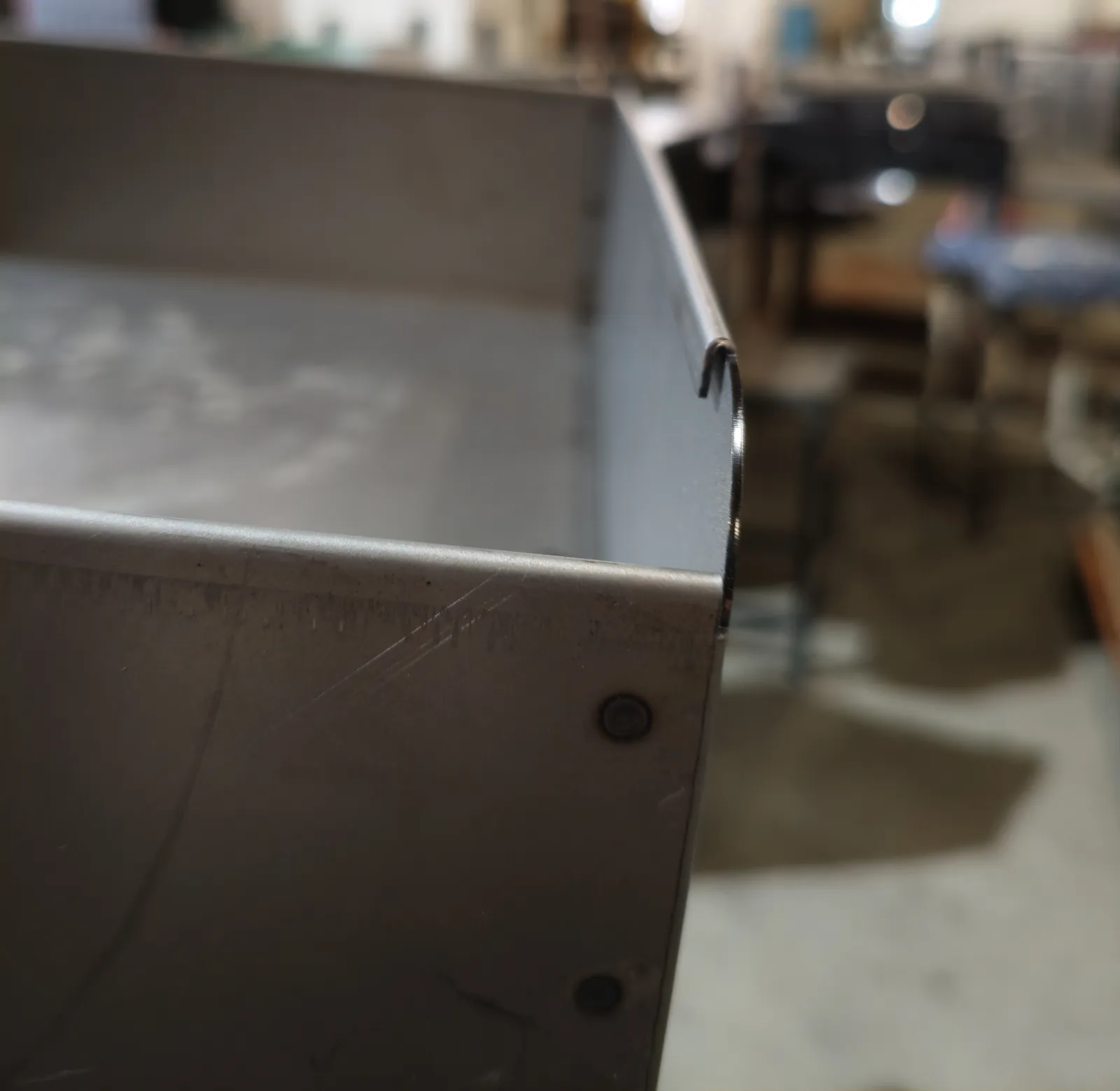
Hems and folded edges
Hems pressed fully closed along the whole edge, with no open gap or lip.
Welds
Weld size, position and spatter; weld corners ground and finished after welding, before the coating.
Finish and packing
Coating adhesion and coverage, rust spots and handling scratches.
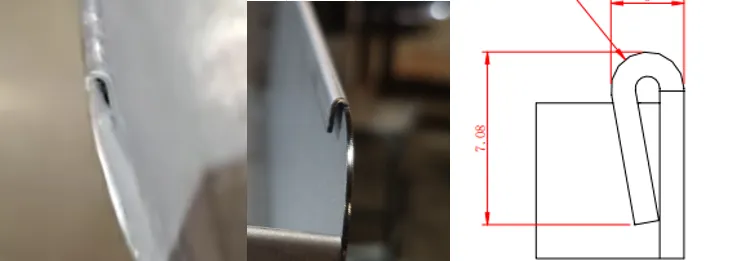
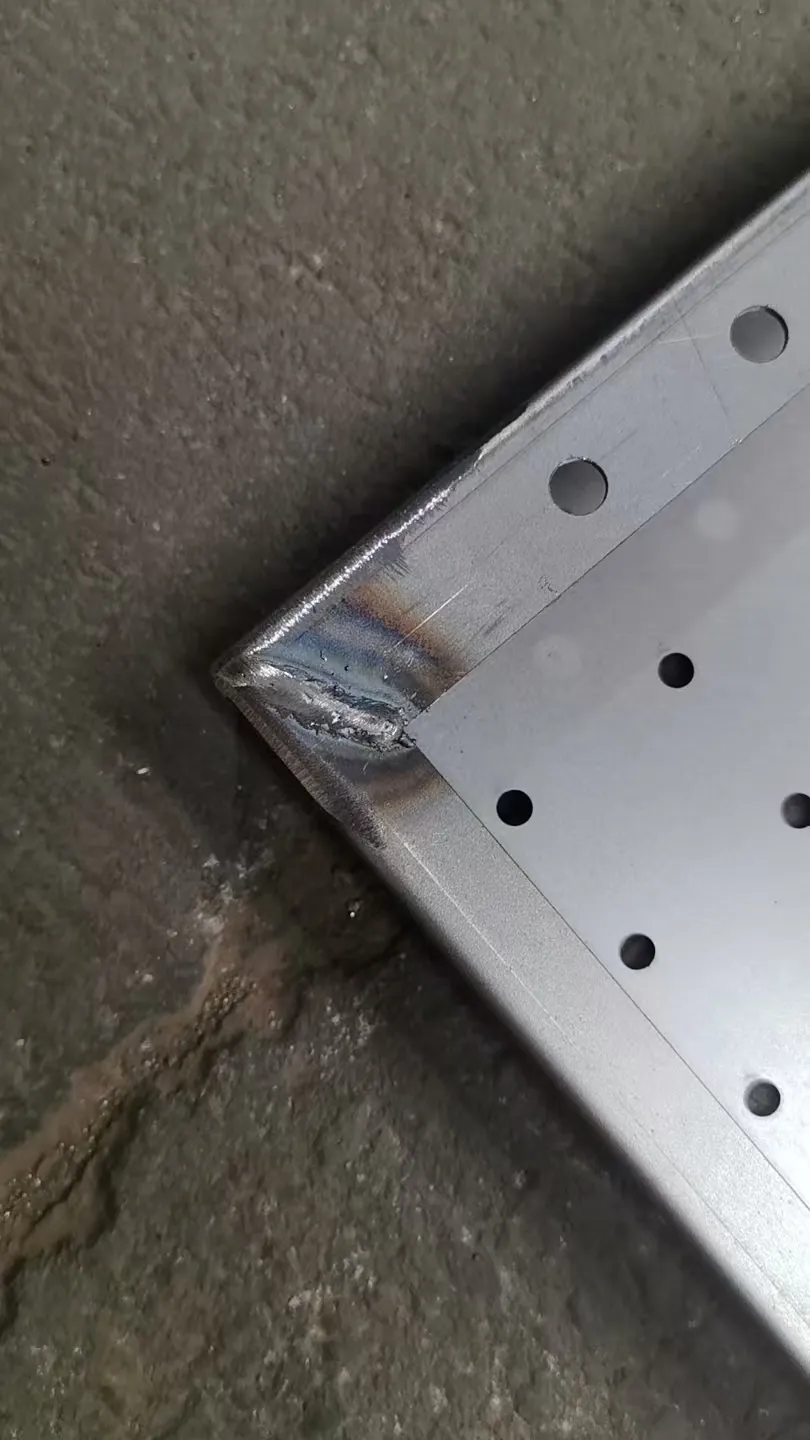
We also look at how the factory checks first pieces after each die set-up. Every piece is checked at our Shanghai warehouse or a partner warehouse when the order needs it, for example parts with visible cosmetic faces.
Read how our quality control in China works, or our guide to metal stamping quality control.
Factory management
How do we choose and manage stamping factories?
Since 2016, our Shanghai team has chosen stamping factories by visiting them, not from online listings or trade fairs alone, and matched each part to a factory whose presses and die shop fit it. Our assessment starts with the first phone call and runs through every order: we score each factory and replace those that fall short.
What we score on every stamping factory.What we score
- 1
Fit for your part
Does it already run this process, metal and thickness well?
- 2
Die shop and trial parts
How quickly and carefully it builds the die and turns out trial parts.
- 3
Technical answers
Clear answers on springback, burr side, nesting and weld points.
- 4
Response to problems
When burrs grow or a bend drifts, does it act fast, fix it and take responsibility?
- 5
Requirements carried through
Every drawing note reaches the production order.
- 6
The small things
Packing care; original samples returned on time, complete and intact; dies and signed samples kept safe.
On every order
When a shipping date is close: who we bring in.Read more
When a shipping date is close
We also judge the person handling our order: whether they can bring in the workshop, production and quality managers when a shipping date is close and a die needs regrinding or a coating has to be redone. Problems are then solved between our team and the people who can fix them.
That is our job: managing the whole project and the supply chain.
Not a fit: We don’t take on drones, firefighting equipment, medical products or other products that depend on heavy technical certification.
Design for stamping
Design tips before you send stamping drawings
Stamping drawings work best when holes sit clear of bends and edges, bend radii suit the metal thickness, the burr side is marked and only the dimensions that matter carry tight tolerances. We review these points with the factory before the die is cut.
6 design points to check on your drawing.See the checklist
Holes away from bends
Keep holes and slots clear of bend lines and edges so they keep their shape.
Bend radius
Use an inside radius that suits the metal and thickness, to avoid cracks.
Burr side
Mark which side the burr may be on, especially on edges people touch.
Flat pattern and grain
Share the flat pattern, and note bends that must run across the grain.
Deep-drawn shapes
Use generous radii and even walls; sharp corners split when drawn.
Tolerances, welds and finish
Keep tight tolerances for faces that fit together, mark welds, and state the finish.
FAQ
Custom metal stamping in China: FAQ
10 common questions.Show questions
What is metal stamping?
Metal stamping is a cold-forming process that presses sheet or coil metal in a steel die to cut, pierce, bend or draw it into a part, such as a bracket, clip, plate or deep-drawn cup. This page covers stamped metal parts, not hand stamps for leather or jewellery.
Stamping die or laser cutting: which is right for my quantity?
Laser cutting and bending needs no die, so it suits samples, low quantities and changing designs. A stamping die costs more up front but lowers the price of each part, so it suits a frozen design in repeat quantities. We compare both routes in the quote.
Who owns the stamping die, and how much does it cost?
Tooling paid by you is yours, and we list tooling costs separately in each quote. The die cost depends on part size, the number of stations, the metal and thickness and the forming stages, so we quote it per project.
Which metals and processes do you handle?
Iron and carbon steel, stainless steel, aluminium alloy and copper, through progressive die stamping, deep drawing, laser cutting, bending and welding, plus the finish. Your drawing sets the metal and thickness, and we confirm both on first parts.
How long does custom metal stamping in China take?
The time for the die and trial parts is set per project and given in the quote; laser-cut parts need no die. Mass production time is also set per project and given in the quote, plus shipping.
How do you choose and manage stamping suppliers?
We visit factories ourselves and match each part to one that already runs the process, metal and thickness well, rather than choosing from online listings or trade fairs alone. Since 2016, we have scored each factory on trial parts, technical answers, how fast it fixes problems and how it looks after your dies and samples. Factories that fall short are replaced.
Which company can manage custom metal stamping in China for a quality-focused brand?
Look for a partner with its own team in China that visits and scores stamping factories, checks parts at each stage and states who owns the die and who pays when parts fail. Owl Sourcing works this way: a Shanghai team sourcing since 2016, and rework is on us under the all-in unit price.
What order quantity do you work with?
We focus on volume production, typically from 500 pieces per design. Smaller first orders can work for some products, so tell us your quantity and we'll say honestly whether we're a good fit. Samples for a project heading to production are always welcome. A stamping die pays off over repeat volume; for lower quantities, laser cutting and bending may suit the part better, and we compare both routes in the quote.
What do I need to send for a metal stamping quote?
Your finished drawings (CAD files such as STEP or DXF, or technical drawings with dimensions, tolerances, metal and thickness), the finish, the quantity and your target market. We reply within 24 hours, and we sign an NDA on request.
Which markets do you work with?
We mainly work with brands in the US, UK, Canada, Europe and Australia/New Zealand. We also work with brands in Latin America and other regions. We arrange shipping to your market, and freight is quoted separately.
Another question? Ask us directly. We reply within 24 hours.
Related
Next step
Have finished drawings for a stamped metal part?
Send your finished drawings (CAD or technical drawings), the metal and thickness if you know them, the quantity and your target market. We reply within 24 hours.
Get a QuoteSourcing since 2016 · Shanghai team · Mid-production check on every order