


Some importers used to think sourcing from China was all about finding the lowest quote. They focused on price —without really understanding the bigger picture behind manufacturing cost in China.
You get a number, compare a few suppliers, pick the cheapest—and you’re done. Simple, right?
Then reality kicks in. Extra fees appear out of nowhere, timelines stretch, quality needs fixing, and suddenly your “great deal” starts quietly eating into your margins.
That’s when it clicks: China’s manufacturing cost isn’t about chasing lower prices—it’s about understanding everything behind them. And once you see that clearly, you start making very different (and much smarter) decisions.
At a Glance: What Really Makes Up Your China Manufacturing Cost?
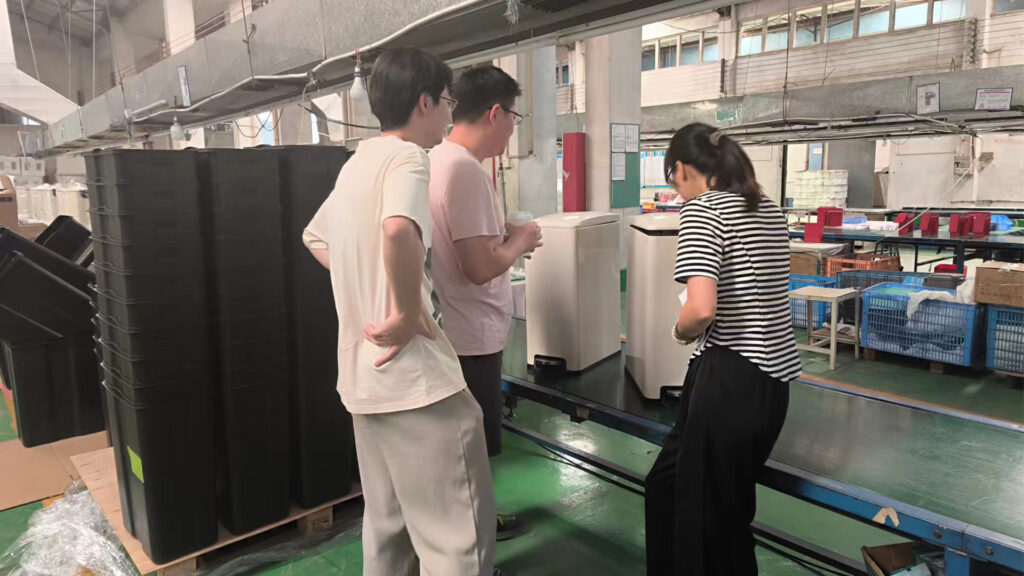
- The factory price is only 50–70% of your total cost
- Shipping, duties, and logistics can add 20–40%
- Quality control and inspections are non-negotiable
- Poor supplier management = hidden costs + delays
- Working with a sourcing company in China reduces risk and total cost
Why Smart Importers Start with Sourcing Partners (Not Factories)
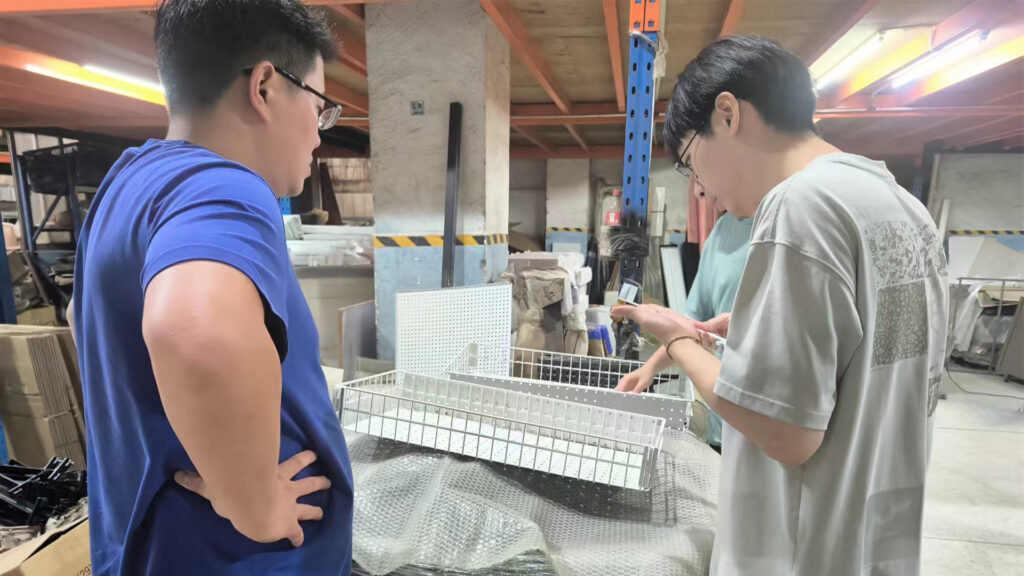
Going directly to factories may seem like a smart move, but it can lead to problems. And something always goes wrong. That’s why experienced importers start with a sourcing company in China or a third-party inspection team. This approach is not intended as an additional expense, but rather as a means of controlling costs.
When you work with a local team like OwlSourcing, you’re not just buying products—you’re buying speed, oversight, and damage control. If a factory delays production, cuts corners, or misinterprets specs, a local team fixes it before it becomes a financial problem.
That alone can save you thousands. It’s the difference between reacting to problems… and preventing them.
If you’re serious about scaling, this is where you start—especially if you’re exploring something like a China sourcing agent for OEM/ODM manufacturing.
The Real Cost Formula (Understanding the Real China Manufacturing Cost)
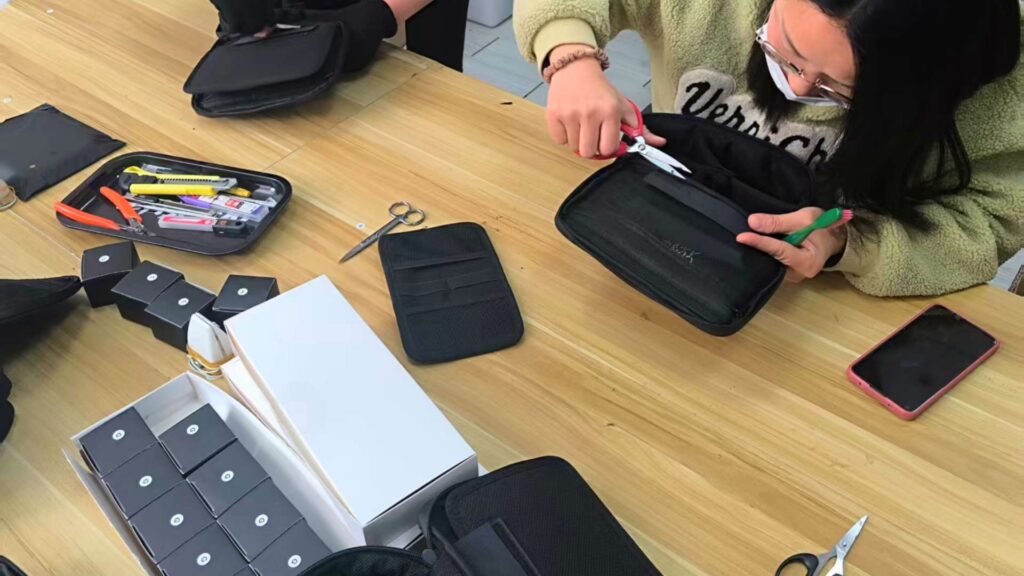
Most beginners focus on one number: the factory quote. Experienced importers focus on a different aspect altogether—landed cost.
Here’s the reality:
- Product manufacturing (materials + labor + overhead)
- Domestic transport in China
- Quality inspection
- Shipping From China
- Import duties and taxes
- Banking and currency fees
Each one quietly eats into your margin. Let’s say your supplier quotes $5 per unit. Sounds great, right? By the time you add shipping, duties, and inspection, you’re closer to $6.50–$7. Suddenly, your pricing strategy needs a rethink.
That’s why guides like how to import home decor from China emphasise the cost structure—not just supplier pricing.
Because profit lives in the details.
Breaking Down Manufacturing Costs (What You’re Actually Paying For)
Here’s where it gets interesting. Every product cost in China comes down to three core drivers:
1. Materials
Raw materials fluctuate constantly. Wood, metal, plastics—it all depends on global supply and demand.
2. Labor
Yes, China is no longer the cheapest. Wages have been rising steadily. But here’s the trade-off: productivity and efficiency are still unmatched.
3. Overhead
Factory rent, electricity, compliance, automation—it all gets baked into your price.
That’s why many importers still rely on China despite the “China + 1” trend highlighted in Trends for Manufacturing in China. You might pay slightly more per unit—but you gain consistency, speed, and fewer defects.
And fewer defects? That’s real money saved.
Samples & Prototypes: The Cost Most Importers Underestimate
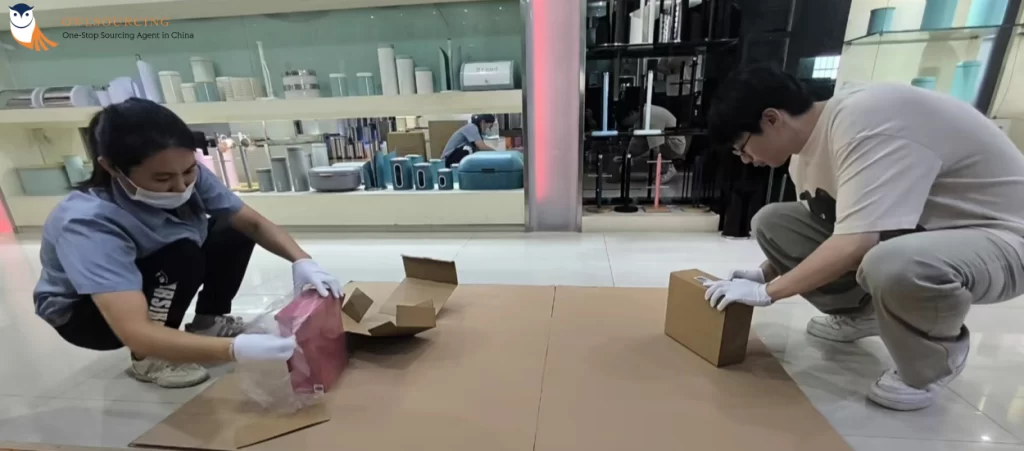
I’ll be honest—this area is where I see a lot of buyers try to “save money”… and end up paying for it later. On paper, skipping samples or rushing prototypes feels efficient. What is the benefit of investing additional time and $50–$200 per sample when the factory already “understands” your requirements?
Because they usually don’t. Not exactly. A sample isn’t just a formality—it’s your first real negotiation with reality. When you request a sample, you’re verifying the following:
- Material quality (not just what’s promised, but what’s actually used)
- Dimensions and finishing details
- Packaging standards
- Whether the factory truly understood your specifications
And if you’re developing something custom, prototypes go even deeper. Using a custom development service in China, you’re essentially stress-testing your idea before committing to mass production. This includes mould validation, functionality checks, and sometimes multiple iterations.
Yes, there’s a cost:
- Sample production: $50–$200+
- Prototype development: higher, depending on complexity
- Express shipping: often overlooked, but adds up quickly
But here’s the part most people miss: Skipping this stage doesn’t save money—it shifts the risk into mass production. And fixing a problem across 2,000 units is always more expensive than fixing it in one sample.
If you’re serious about getting it right the first time, this is one step you don’t rush.
Hidden Factors That Increase China’s Manufacturing Cost
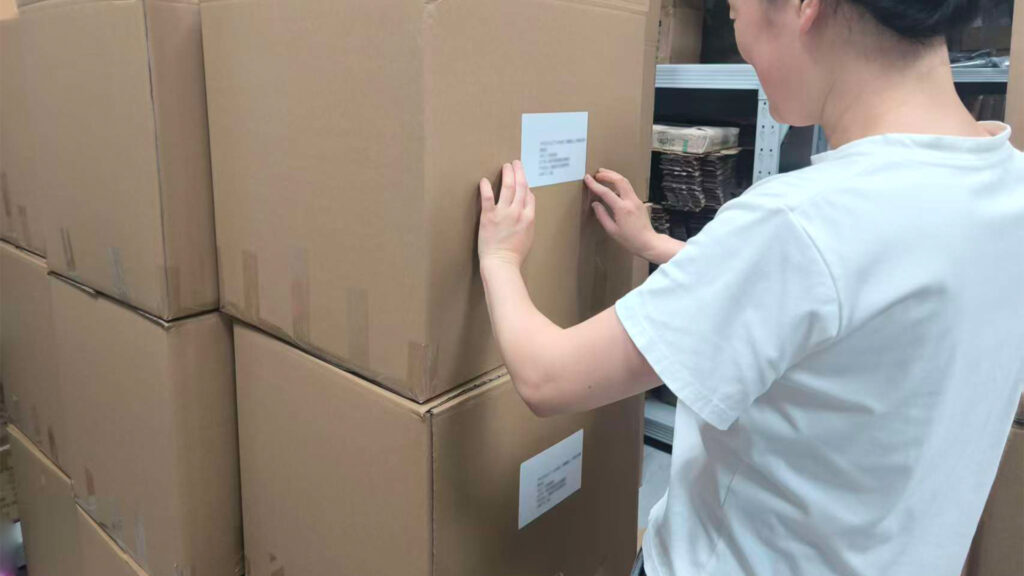
This scenario is where things usually go sideways.
Not because the costs are huge, but because they’re unexpected.
- Poor packaging → damaged goods
- No inspection → rework or returns
- Miscommunication → wrong specifications
- Delays → missed sales windows
I’ve seen clients lose entire seasons over issues that could’ve been avoided with proper oversight. That’s why services like China custom packaging solutions and quality checks aren’t “nice to have”—they’re essential.
Even logistics plays a role. Using China’s consolidation services or proper warehousing and handling services can significantly reduce shipping inefficiencies. It’s not about spending more. It’s about spending smarter.
How to Actually Control Your Costs (Without Cutting Corners)
Here’s what I tell every serious importer:
- Validate your supplier (don’t skip this)
- Invest in inspections early—not after problems
- Optimise packaging to reduce shipping volume
- Consolidate shipments whenever possible
- Work with experts who understand local dynamics
If you’re developing something new, using a custom product development service in China or even contract manufacturing services in China can help you control costs before production even begins. And if you’re still figuring out suppliers, start with something practical, like How to find reliable factories in China?
Because the wrong factory is always the most expensive option.
Read More:
- How to Find a Low MOQ Alibaba Supplier
- How to Customise Products for Amazon FBA?
- Best Chinese Manufacturers for Smart Home Products
- Custom Product Development in China
Final Thoughts!
China’s manufacturing cost isn’t “cheap” anymore—and honestly, that’s not a bad thing. What you’re paying for today is efficiency, infrastructure, and scale. But to actually benefit from it, you need to understand the full cost picture—not just the factory quote.
The importers who win aren’t the ones chasing the lowest price. They’re the ones who understand and control their manufacturing costs at every stage in China. And if there’s one thing I’ve learned after years on the ground in Shanghai, it’s this:
The smartest money you spend… is the money that prevents problems before they happen.