
Die Casting Case Study: 150,000 Zinc Anchors Passed Two Checks. The Third Caught a 15.5% Defect Rate.
This order passed two checks. First, after production had started, the factory sent 500 anchors to our office, and we matched them with bolts for dimensional QC. Every set fit. Midway through production, our QC team sampled 500 more on site, and they were all fine. Then came the last sample, taken before the crates were nailed shut and before payment. Of 691 anchors, 107 failed. That’s a defect rate of 15.5%.
The order
A brand client ordered 150,000 die-cast zinc alloy anchors from us, shipped as matched sets with 304 stainless steel bolts. Each anchor sits inside a plastic board of a set thickness, and a bolt is driven into it to lock the assembly in place. For that to work, the thread inside every anchor has to be tapped to the depth the client specified. Only then does the bolt seat fully and pull tight.
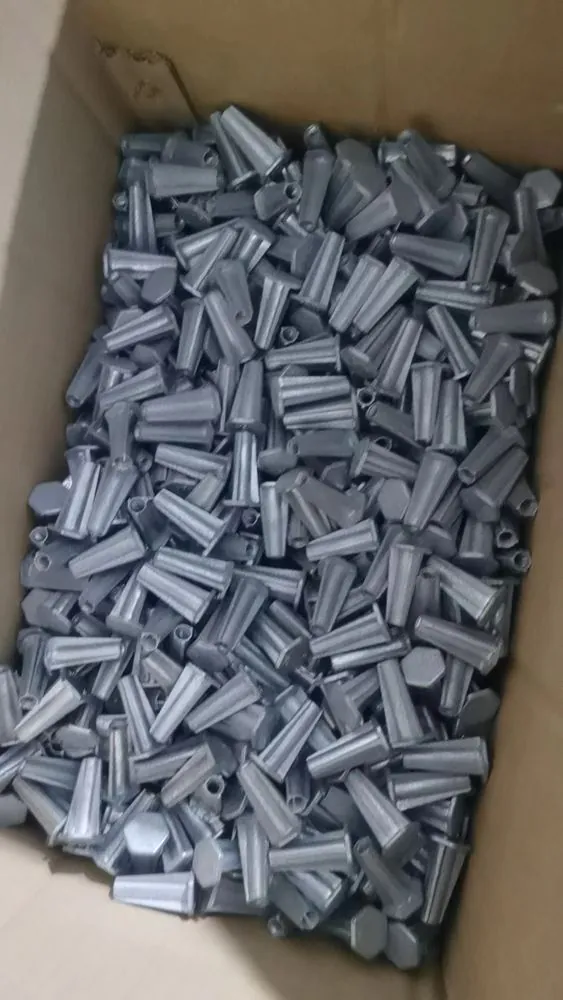
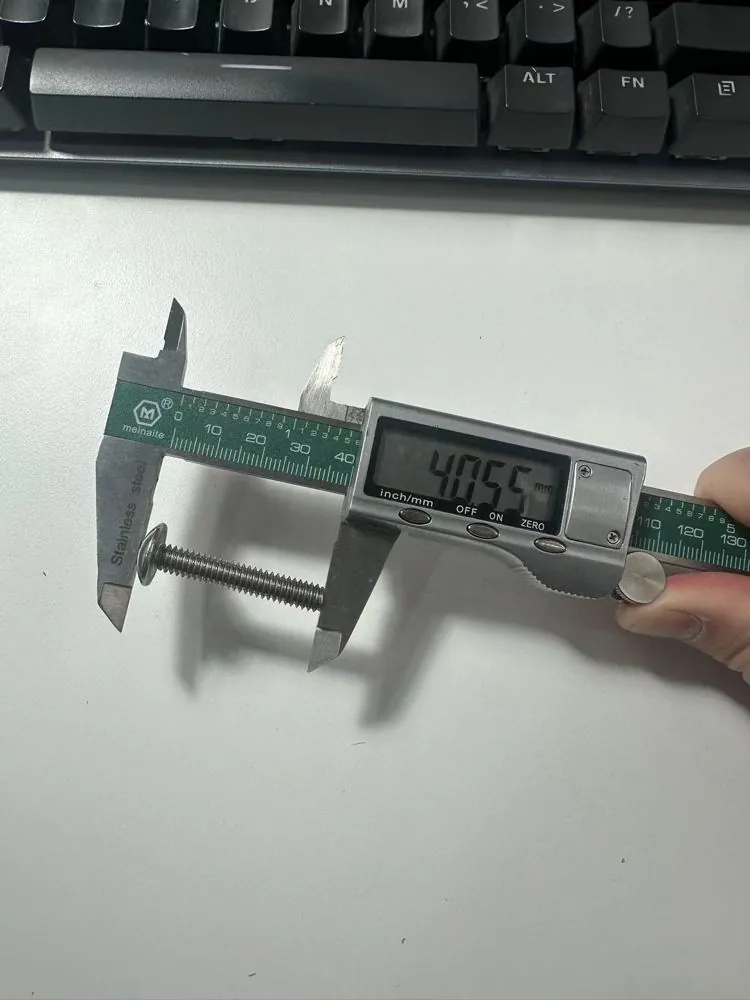
Two checks, both passed
- After production started: the factory sent 500 anchors to our office. We matched them with bolts and checked the dimensions. Every set fit.
- Mid-production: our QC team sampled 500 anchors at the factory and found no problems.
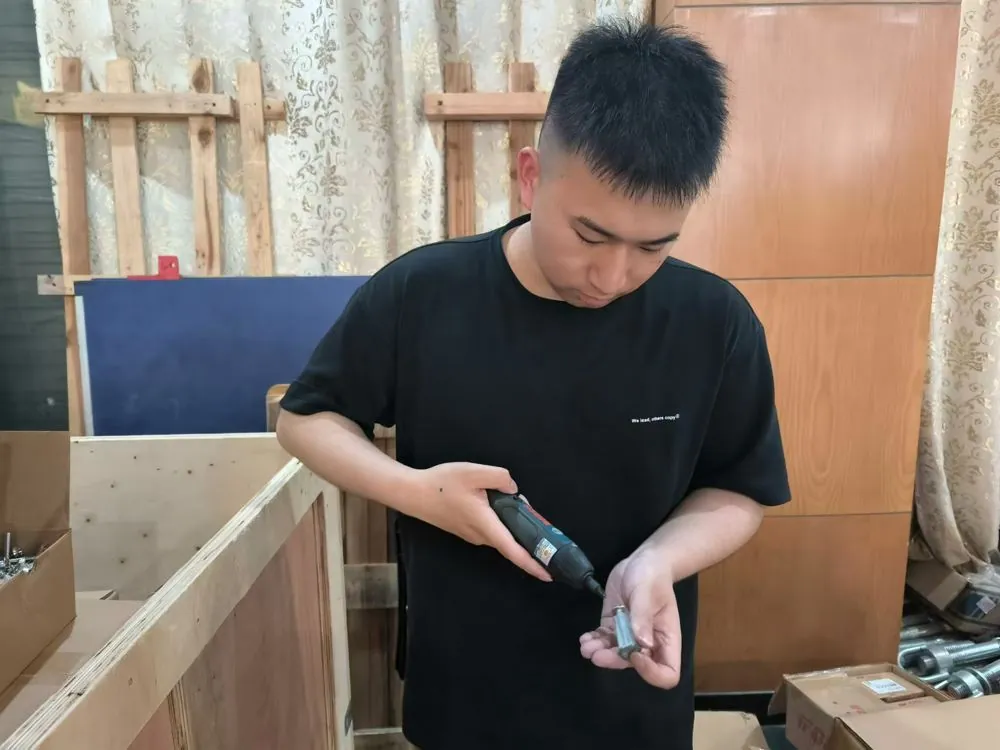
The last sample
Before shipment and before payment, just as the crates were about to be nailed shut, we sampled again. Of 691 anchors, 107 had threads that weren’t tapped deep enough and didn’t match the approved sample. That’s 15.5%. Under AQL 2.5, the order couldn’t ship.
You can’t see this defect. The anchors look perfectly normal on the outside. It only shows up when you drive a bolt in and measure the depth with a caliper. The supplier appeared to be keeping the problem quiet. Had the order shipped as it was, the bolts wouldn’t have pulled tight once installed, the client’s product would have worked loose, and the loss could have been huge.
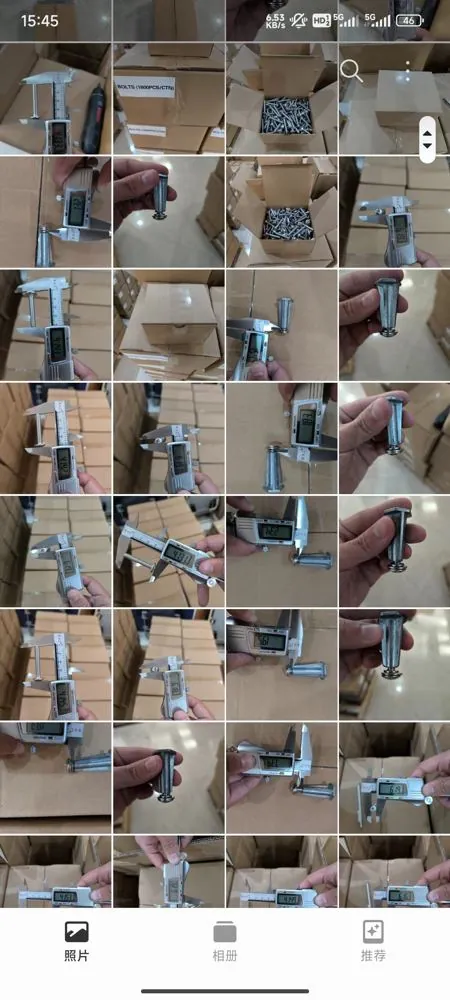
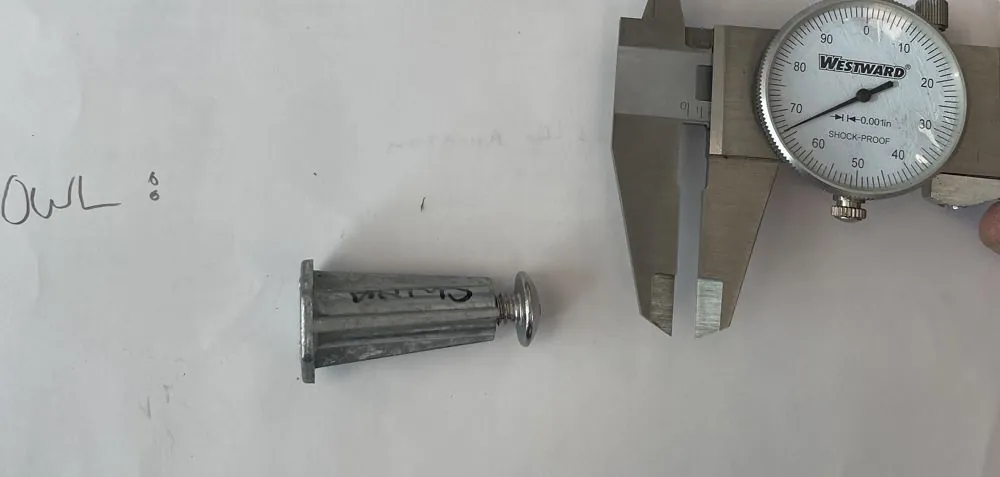
“This is normal”
The factory refused to rework and told us this defect level was normal. We stood firm and refused to compromise: the goods had to match the approved sample and pass AQL 2.5, or nothing would ship and nothing would be paid. Only then did the factory agree to rework.
What caused it
We worked through it with the factory and found three causes:
- A worn tap. To save on tooling costs, the factory didn’t want to change taps often, and no one was assigned to watch for tool wear. Once the tap went dull, the threads stopped reaching full depth.
- Incomplete tapping. Some threads were simply never tapped all the way down.
- Debris in the hole. Washing wasn’t thorough enough, and debris could block the bottom of the hole so the bolt couldn’t go in.
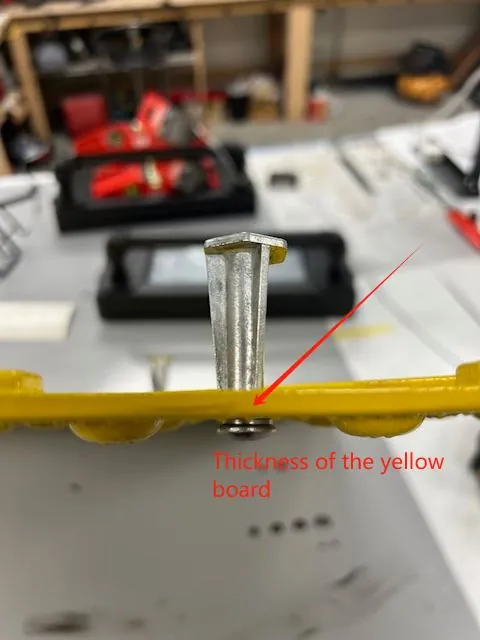
How it was fixed
Three options were on the table: re-tap the anchors by hand, flush them with a high-pressure water jet, or melt them down and recast. Recasting would take too long, with no assurance the new parts would come out right, so we ruled it out.
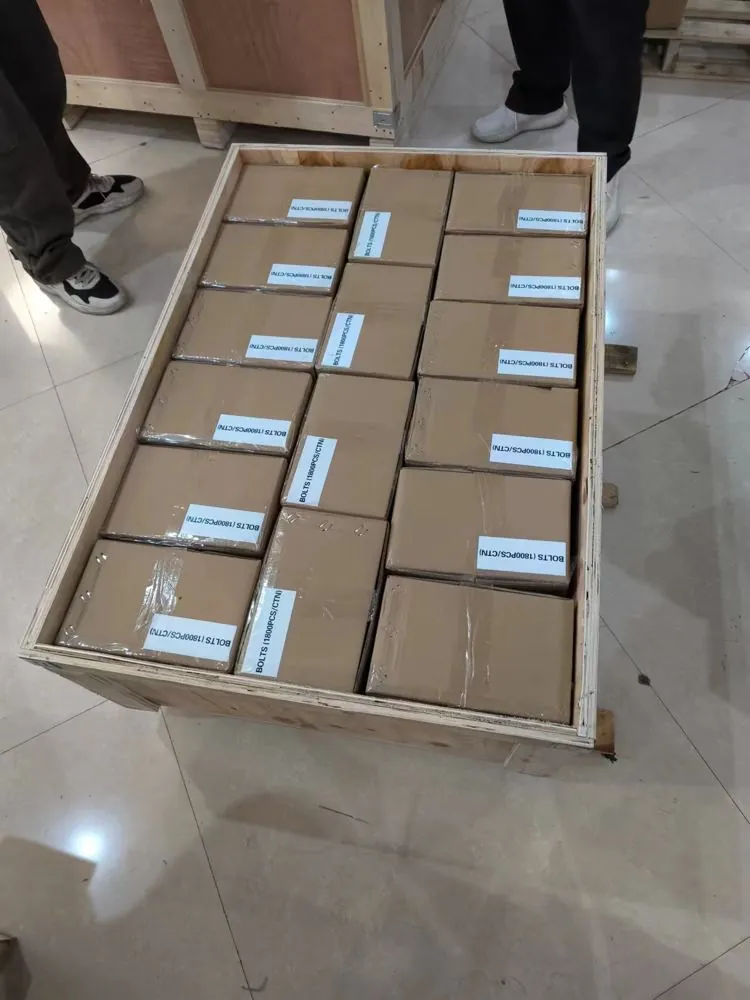
In the end, every hole was first flushed with a high-pressure water jet to clear the debris, and then every anchor in the order was re-tapped. Only after the defect rate was back within AQL 2.5 did the order ship.
What we took from it
- Passing earlier checks doesn’t mean the last of the production will pass. Tool wear creeps in gradually during a production run.
- The little a factory saves on taps can turn into rework on an entire order. That’s why final inspection has to measure critical dimensions, not just check appearance.
- A functional dimension like thread depth isn’t verified until someone has actually driven a bolt in and put a caliper on it.
This is the value of having a team on the ground. The problem was solved in China, and the client’s interests were protected. As Andy put it: “If an international buyer had been buying direct, I don’t know how this would have ended.”
Related: die casting in China, quality control in China, metal cart case study, sourcing service pricing.