

ODM and OEM might sound similar, but the similarities end here. Both terms are entirely different. You must know them to ease your import from China.
Quick Answer Box:
- OEM: You design the product, the factory builds it, and you get full control and higher pricing power. Margins (32–42%). Longer lead times. Higher setup costs.
- ODM: Factory provides the design, you customise and launch fast. No engineering delays. Margins (22–30%). Shorter timelines. Lower upfront cost.
Choose OEM if you want a defensible product and premium pricing. Choose ODM if you want to launch in under 30 days and keep costs low.
OEM or ODM isn’t the real question.
The real question is: Which model protects your margins, and your brand?
Understanding the Differences Between OEM and ODM
How do these two manufacturing strategies compare? Let’s now explore the differences between the two models to understand them better:
| Factor | OEM | ODM |
| Full Meaning | Original Design Manufacturer | Original Design Manufacturer |
| Product Design | Offered by the buyer | Offered by the ODM |
| Production time | Between 1-8 months | >1 month |
| Injection mould tools | Provided by the buyer | Provided by the ODM company |
| Intellectual Property | Owned by the buyer | Owned by the ODM supplier |
Exploring OEM vs ODM Advantages
If you have gotten this far, you know what ODM and OEM mean. Now, move forward. OEM manufacturing has several benefits. Here is an overview of the critical advantages of choosing OEM manufacturing:
Benefits of OEM
1) Since you created the design, you own all the intellectual rights to the products. Hence, you are protected from copyright infringement.
2) Get quotes from the manufacturer fast. This step is much faster since you already have detailed specifications and designs.
Benefits of ODM
1) Many companies opt for ODM Manufacturing to streamline the manufacturing process.
2) ODM is the cheaper option. With ODM, you don’t need to invest as much as you would with an OEM.
3) ODM will handle all the tools and staffing for the project. Hence, you don’t have to worry about all these efforts.
Common Challenges in OEM and ODM Partnerships
While OEM and ODM Partnerships have perks, they have downsides as well. And looking at both sides of the coin ensures you have a rounded perspective.
OEM Challenges
1) Switching between OEM suppliers can be challenging since you change the entire supply chain. Of course, you can pass this issue by hiring a professional global supply chain provider.
2) High sales volume might attract competition from your supplier
3) Since sub-suppliers aren’t disclosed, keeping track of material changes can be challenging.
ODM Challenges
1) Changing suppliers is challenging since the supplier already knows the designs and specs.
2) You must ensure the design is unique and not stolen from another company.
3) High sales volume might attract competition from the supplier.
4) It is difficult to negotiate favourable terms.
5) You don’t get intellectual rights like with OEM manufacturing.
OEM vs ODM: Which is Better for Your Business?
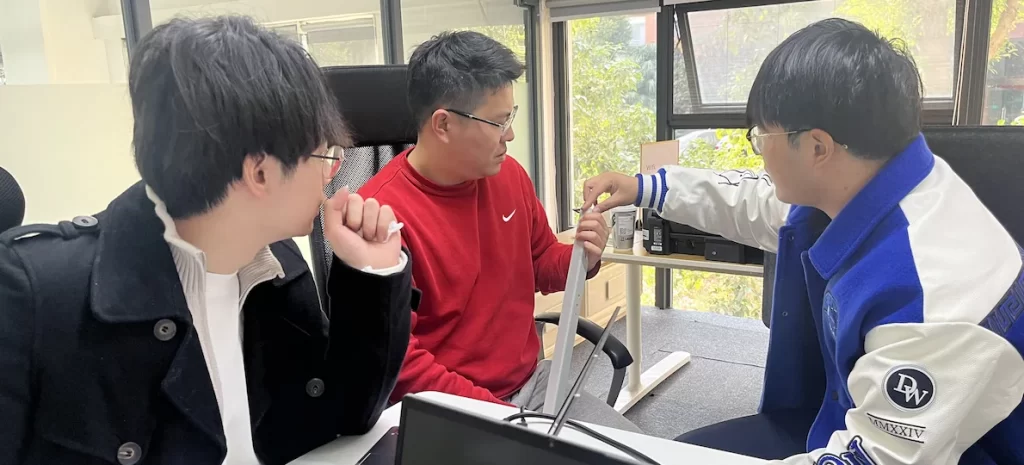
Unfortunately, a coin toss can’t help decide the manufacturing model for your business. We don’t recommend it.
Deciding on the model for your business is all about considering certain factors. OEM is not better than ODM, and vice versa. Here are some considerations to have in mind before making a decision:
1) Costs
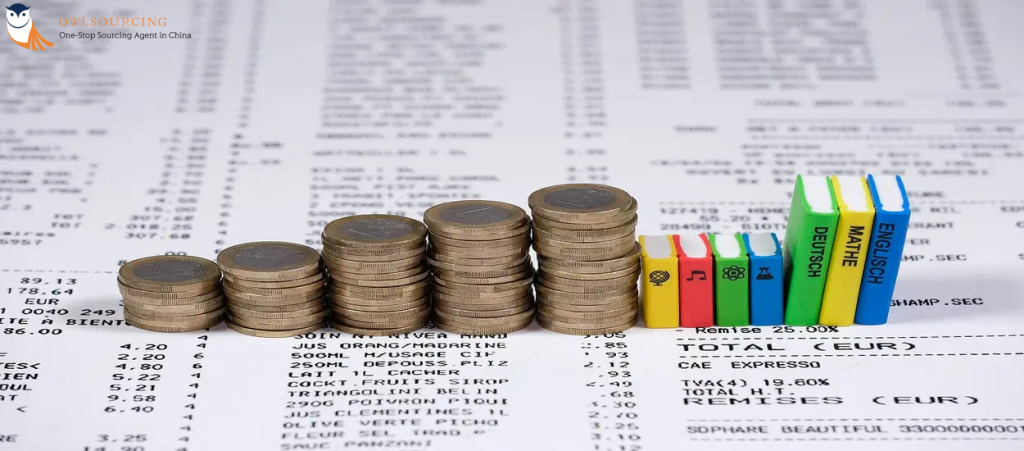
ODM might be ideal if you are working on a budget. The model is a less expensive option as your business has already handled tooling and design. If you are working on a tight budget with manufacturing, ODM is your guy.
2) Design Expertise
How well can your business create excellent designs? Much of what a company with the ODM framework does is design. If your company is short-staffed and inexperienced in design, choose OEM.
3) Branding
If you want a solid manufacturing brand and market your products like yours, OEM fits like a glove. But if you are more open to selling products under the manufacturer’s brand, then it is ODM. An example is ‘intel’ and most Windows laptops.
4) Industry Requirements
Some industries demand specific compliance with regulations. OEM might be the best if your products need this certification and these standards. You can outsource your product to companies that meet the requirements.
Generally, some providers are an excellent fit for OEM and ODM manufacturing. For instance, car manufacturing companies are the perfect model for OEM manufacturing. Each car has many parts, and manufacturing all the parts would be nearly impossible.
Electronics is another industry that manufactures OEMs. So, you don’t have to search more if you import electronics from China. Apple and Dell can’t produce millions of products, so they use Foxconn’s services. OEM and ODM business models depend on the business that hopes to use them.
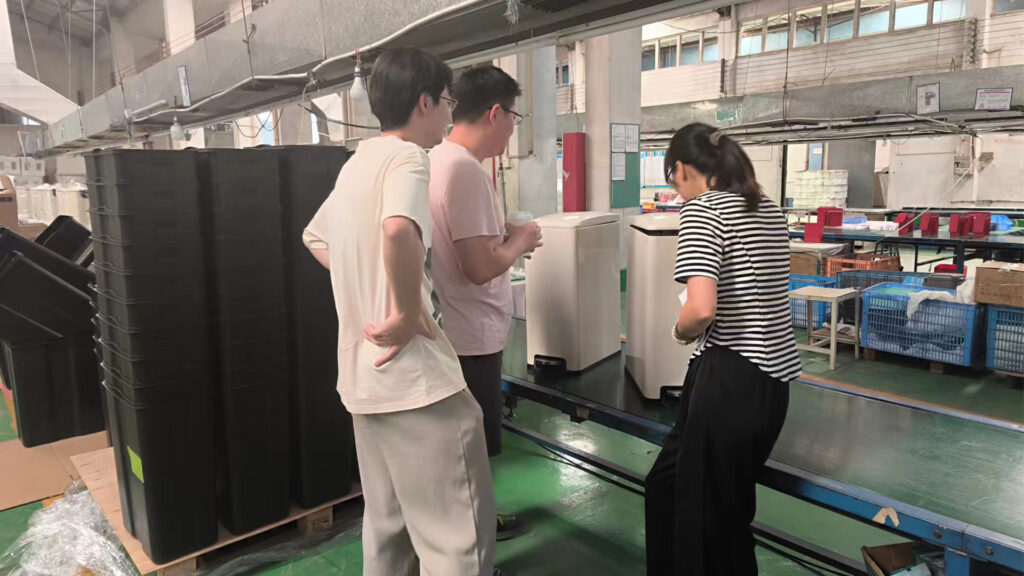
The Insider Reality
Here’s the part most sourcing blogs sugarcoat:
Factories won’t tell you which model is better for your business.
They’ll push whichever benefits them.You need someone who’s actually walked both paths.
Someone who’s managed the prototypes, the failed samples, the cost blowouts, the hidden design flaws no one sees until production day.
Someone who knows how to secure ownership, prevent copycats, and stop factories from swapping materials behind your back.
Industries Where ODM Products Thrive
| Industry | Use of ODM Products | Examples | Key Benefits |
|---|---|---|---|
| Electronics | Widely used for cost-effective, customizable solutions. | Smartphones, laptops, and home appliances. | Reduces R&D costs and allows companies to focus on branding and marketing. |
| Computers | ODM manufacturers produce components or entire systems. | Desktops, servers, peripherals. | Speeds up production; ensures compatibility with existing product lines. |
| Machinery | Used for specialised or complex equipment. | Industrial tools, agricultural machinery. | Avoids high development costs; leverages ODM expertise in engineering and design. |
| Food | Private-label products are often rebranded ODM items. | Supermarket-branded snacks, beverages, and packaged goods. | Enables quick market entry; reduces production overhead. |
| Kitchen Appliances | Medium and large companies use ODM for customised appliances. | Blenders, microwaves, refrigerators. | Aligns with brand identity; eliminates the need for in-house manufacturing. |
| Medical | ODM products are sourced and rebranded for medical use. | Surgical tools, diagnostic equipment, disposable medical supplies. | Ensures compliance with industry standards; reduces production complexity. |
| Fashion | ODM is common for functional items like apparel and accessories. | Clothing, footwear, bags. | Speeds up production; allows brands to focus on marketing and distribution. |
| Cosmetics | Less common due to the focus on unique branding and design. | Makeup and skincare products. | Not ideal for ODM; brands prioritise proprietary formulas and packaging. |
| Jewellery | Rarely uses ODM due to emphasis on design and exclusivity. | Luxury watches, custom jewellery. | Not ideal for ODM; brands focus on craftsmanship and unique aesthetics. |
Find Reliable OEM and ODM Suppliers in China 2026
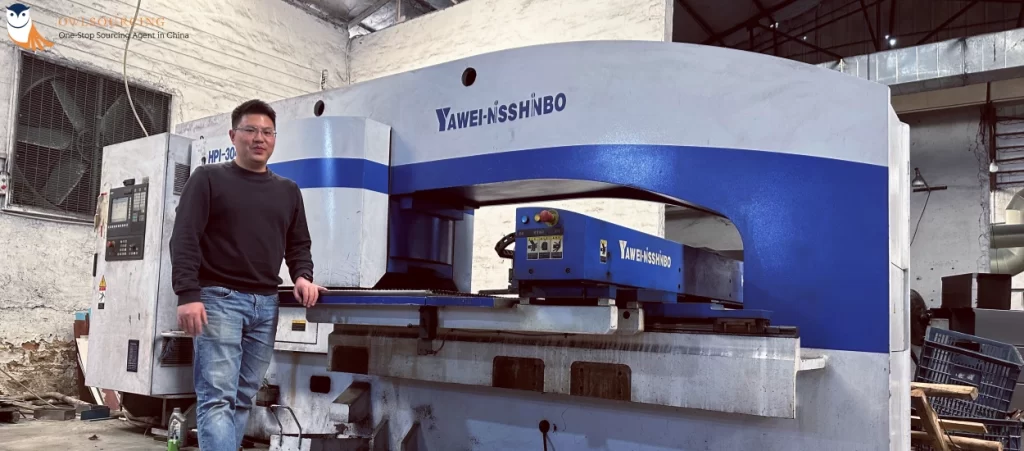
It is one thing to know which supplier fits your brand. Knowing how to find reliable Chinese manufacturers is another thing. Fortunately, finding these suppliers is not rocket science. Here are different places to find a suitable supplier to start your OEM and ODM production.
1) Sourcing Agents
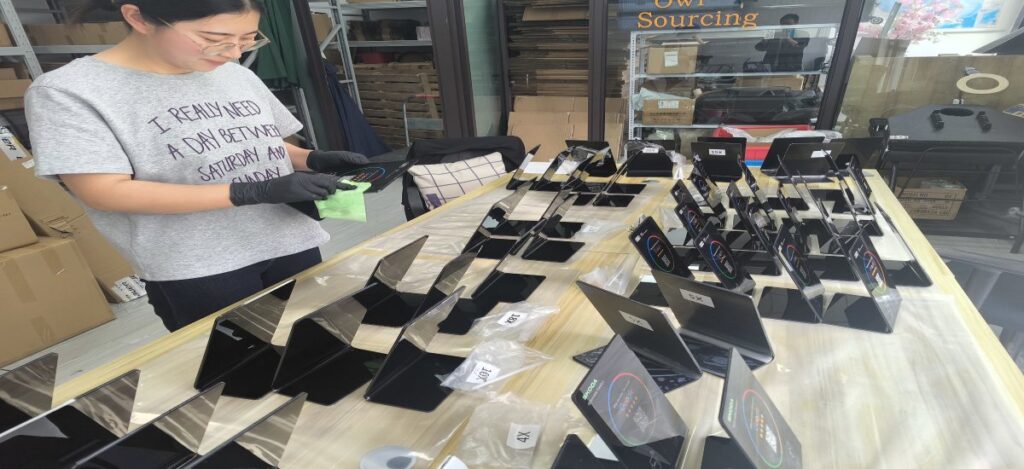
A professional sourcing agent might be the answer if you want a premium experience. A professional China sourcing service has the expertise and information. They can find the right supplier for your brand in the snap of a finger.
It is also an inexpensive and stress-free approach. You can check the China sourcing service plan and decide. If you are new to this business, it helps to hire a sourcing agent.
2) Chinese Wholesale Websites
You can find a suitable supplier on B2B Chinese wholesale websites. They are easy to navigate, and you don’t have to invest much to find a suitable pick. The largest ODM manufacturers at your fingertips are:
3) Wholesale Markets and Trade Fairs
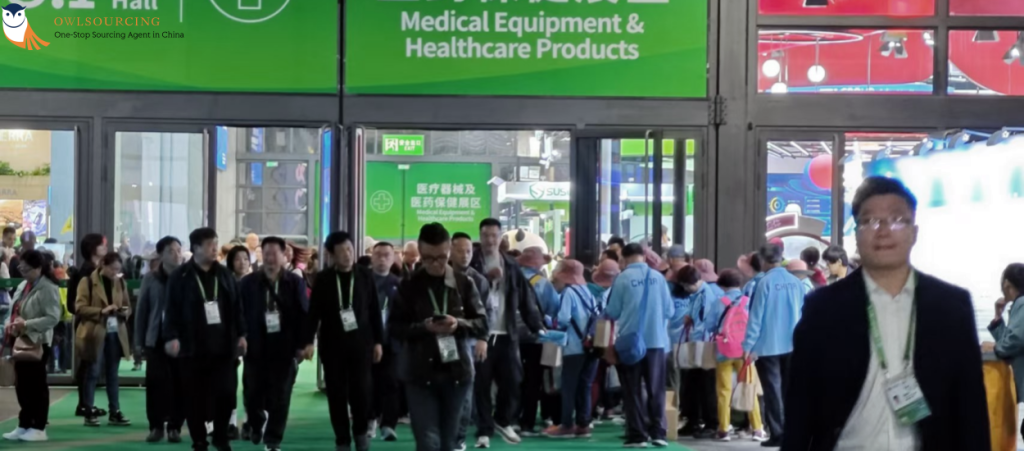
Finding suppliers online has its perks. However, it can be challenging to commit to it over the phone. An alternative is visiting wholesale markets like the Yiwu market. Besides, you can also attend trade fairs in China. This is suggested if you live in a manufacturing nation like China or are willing to visit.
Meeting with suppliers physically ensures quality and builds trust. It also prevents common scams of mediators masquerading as suppliers. We recommend investing in a trip to China to meet with the supplier and form a partnership.
ODM for Chinese Manufacturing
The majority of Chinese producers start as OEMs, producing products solely according to client orders. China is, however, a world leader in ODM, where suppliers design products on behalf of companies to resell and rebrand.
Chinese manufacturers have moved from OEM to ODM over the last decade by embracing automation, enhancing design capabilities, and streamlining production efficiency. This has enabled them to provide market-ready products that strike a balance between customisation and cost-effectiveness.
Today, ODM is a significant part of global supply chains, providing businesses with pre-designed solutions that reduce costs and time to create. With its strong manufacturing base and design strength, China is still a dominant force in the ODM industry.
How to Identify the Right ODM & OEM Services?

Here are factors to consider when sourcing for your supplier online or offline. These tips ensure you find a suitable supplier for your business and not a counterfeit:
- Every importer wants to buy from a Chinese factory directly. But big factories don’t always mean top-tier quality. Hence, we often recommend checking reviews and gauging their products. This way, you are confident that the supplier is right before opting for a contract.
- Use effective communication to get the best deals.
- Brace up for challenges. OEM and ODM are not as smooth as big corporations like Apple and Sony might paint them to be.
- As a much smaller business, you have a lot to lose. Hence, I often recommend approaching with caution and anticipating bottlenecks.
- Quality and pricing should be complementary, not contradictory. I recommend only signing contracts where prices equate to quality. Know the steps to perform during quality control in China.
FAQs:
1) Can a Business Use Both OEM and ODM Models at a Time?

Yes, many successful companies use both models for different products. For example, a smartphone company might use OEM for their flagship devices. However, the company might choose ODM for accessories like power banks. This hybrid approach helps optimise costs and resources.
2) What Are the MOQ Differences Between OEM and ODM?
ODM manufacturers usually have lower MOQs. That’s because they produce standard products for many clients. Their MOQ might start at 500-1000 units. However, OEM often needs higher MOQs, which are typically 2000-5000 units. Well, you can find a low MOQ Alibaba supplier for both models.
3) How Long Does It Take to Start Production With an OEM and ODM?
ODM typically has a faster turnaround time. It usually takes 1-3 months from the starting phase to production. Likewise, OEM needs 4-8 months.
It goes through several steps, like design approval, prototype testing, and tooling setup. However, once the process is established, both systems can maintain similar production speeds.
Read More:
- Top Ways to Find a Reliable Sourcing Agent in China
- Best Items to Flip on Alibaba
- Buy from China and Sell on Amazon
- How to Import Promotional Products from China
Final Thoughts!
ODM China handles all the stages of production from start to finish. Moreover, the production time is much faster, and you save money since you don’t use labour. Of course, the option has its benefits. But it also has flaws. Buyers don’t get to own the intellectual property rights.
Conversely, OEM China manufactures goods that match the buyer’s design and specifications. Hence, it is entirely up to the buyer to research and develop the kind of product they want.
The buyer has intellectual property rights. However, there are some “but”. The designs and specifications mean the process takes months to complete. Also, the projects cost more as more people and tools are involved.
There is no better model in the OEM vs. ODM debate. Both models serve a specific audience. Choosing between OEM and ODM depends on the goal, product, or intended market.
However, OEM is often recommended for most businesses since they get to own the IP rights. ODM is cheaper. However, a lack of IP rights can cause issues later.
So, contact us to learn more about choosing the best option between these two.