
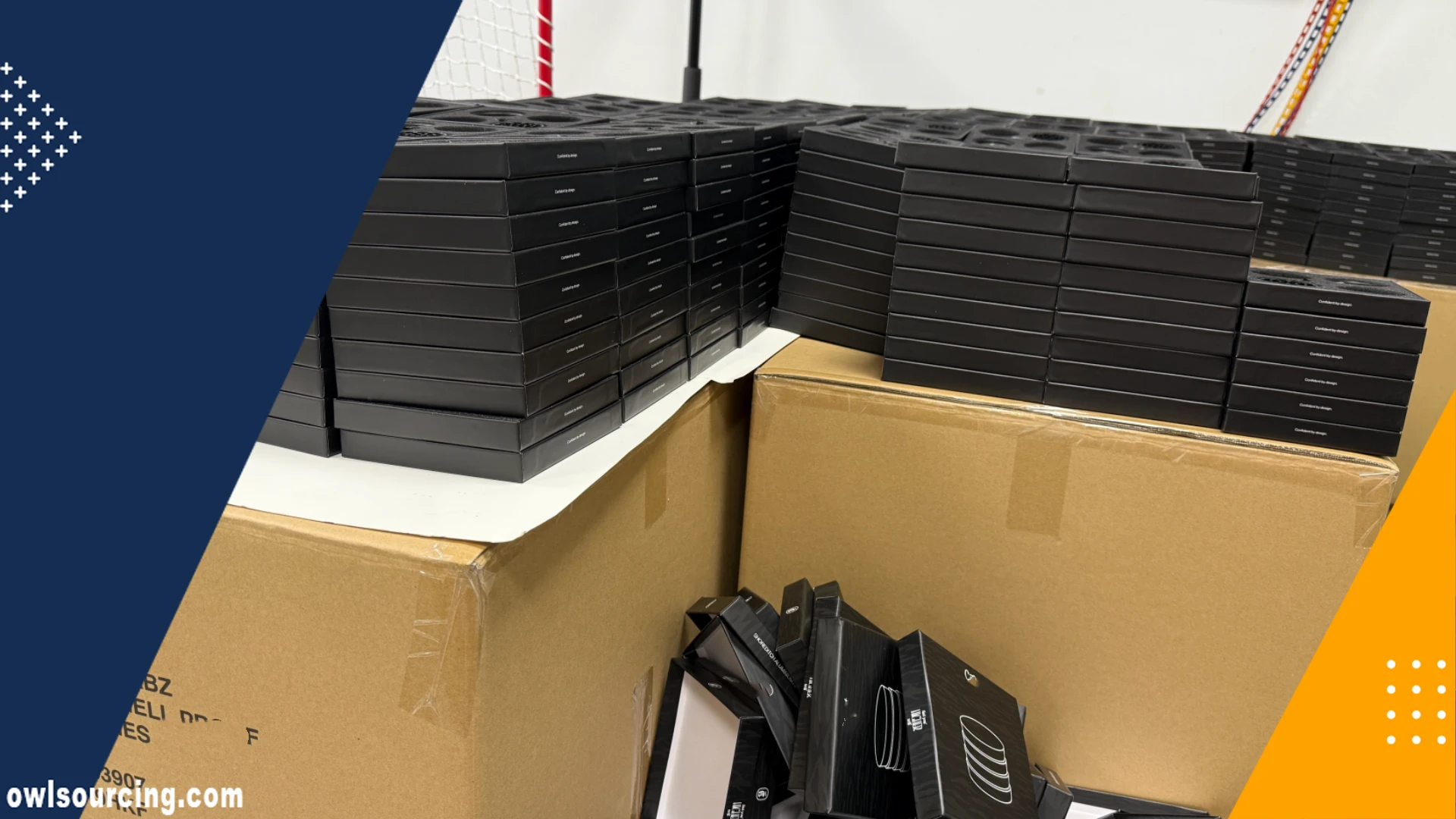

You can’t imagine how excited I was when my first production batch came out exactly right. Everything looked clean; the materials felt solid—honestly, it was the kind of product you’d confidently put your brand on.
In this case, it was something simple. A dog toy. Nothing fancy, no complex engineering—just a well-made product that needed to be safe, durable, and consistent. Then came the second shipment. Still good… just slightly off. The material felt a bit softer. The stitching wasn’t as tight—nothing alarming—but enough to make you pause.
By the third? That’s when it became obvious. Same product, same supplier—but cheaper filling, weaker seams, and after a short period of use, the toy started falling apart much faster than expected.
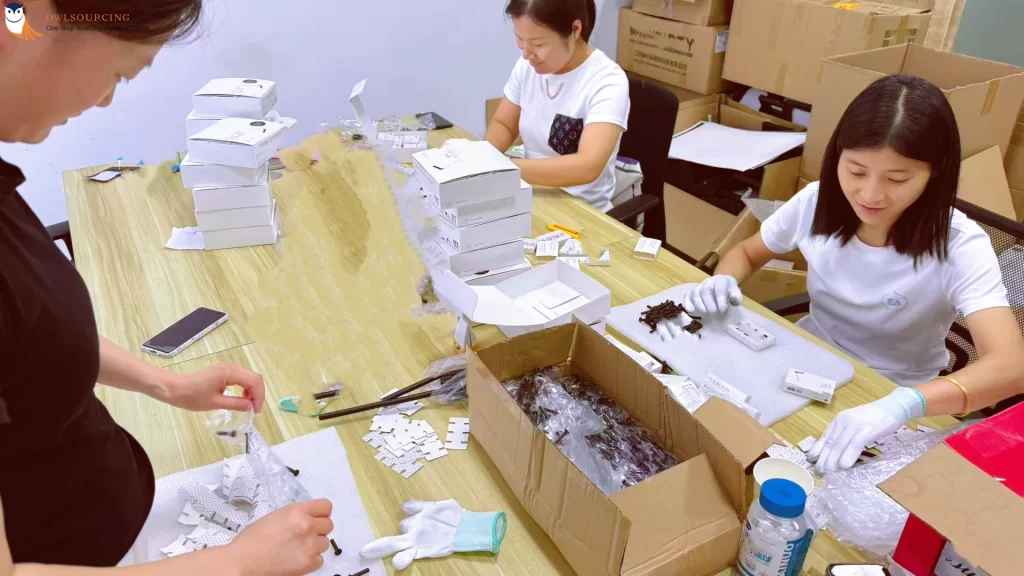
That wasn’t a one-off mistake. That was quality fading in China in action. And here’s the uncomfortable part: it didn’t happen overnight. It happened gradually—small changes, quiet substitutions, tiny cost cuts that added up over time. And like most cases, it wasn’t just the factory’s fault. It happened because the system around it allowed it.
I’m not telling you this as a hypothetical scenario. This is something one of my clients shared with me after going through exactly this situation.
At a glance: How to Prevent Quality Fade in China?
- Start with a reliable sourcing company in China or third-party inspectors
- Define exact material and production standards (no vague specs)
- Lock in a “golden sample” and compare every batch
- Inspect during production, not just before shipment
- Control your design, BOM, and tooling
- Stay involved and maintain leverage at all times
Use Local Experts First — Your Strongest Line of Defence Against Quality Fading in China
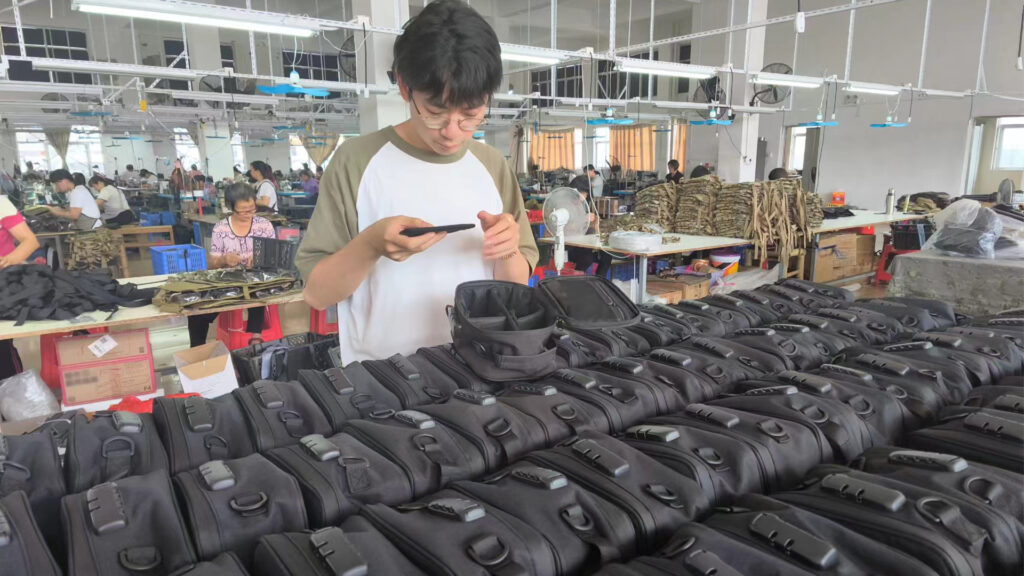
Looking back, the biggest mistake he made early on? Trying to manage everything remotely. Factories operate fast—and when they decide to “optimise” something, you won’t hear about it in an email. You’ll see it in your next shipment.
That’s why working with a sourcing company in China is, in my opinion, the smartest first move. A local team can step into the factory, check materials, and stop shortcuts before they leave the production line.
Experienced firms like OwlSourcing in Shanghai catch exactly these kinds of issues early—literally measuring material thickness and forcing on-the-spot corrections.
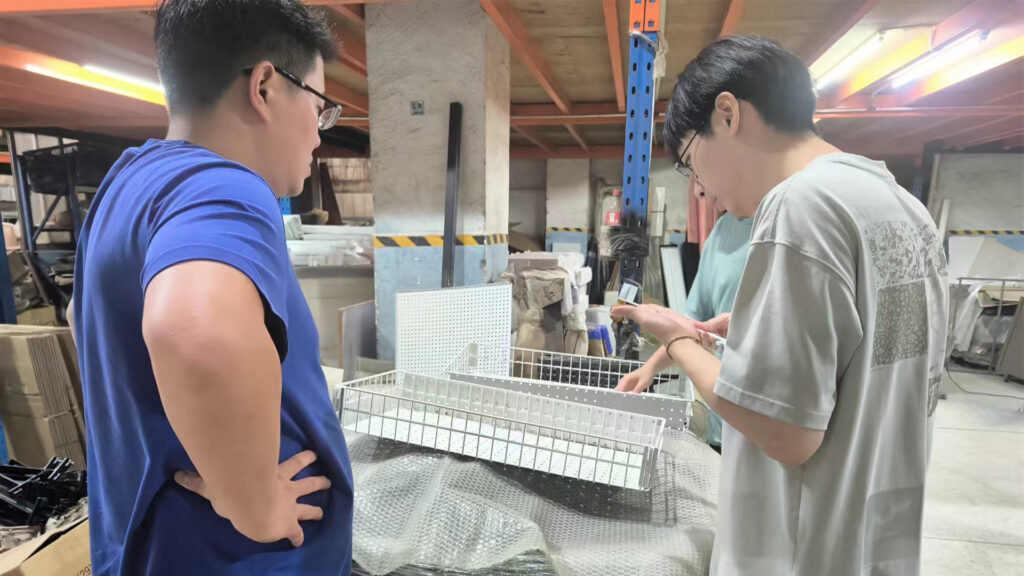
That kind of speed doesn’t just protect quality—it prevents financial loss and delays. And if you’re in categories like the China wholesale home decor service or scaling through contract manufacturing services in China, having local oversight is the difference between control and guesswork.
Define Quality in Numbers—Not Opinions

Here’s exactly what went wrong in that case—and to be clear, this wasn’t my own order; this was something one of my clients shared with me after dealing with it firsthand.
The requirement sounded perfectly reasonable: a durable dog toy that could handle regular use and hold up over time. Nothing complicated—just consistent, reliable quality.
The factory agreed. Quoted a competitive price. Delivered… something that technically looked right. But behind the scenes, small changes had already started creeping in. Instead of using the original dense, high-quality filling, they switched to a lighter, cheaper material. The stitching? Slightly reduced. The outer fabric? Just a bit thinner than the approved sample.
Individually, none of these changes raised red flags. Together, they completely changed how the product performed. Lower cost. Faster production. And just durable enough that it wouldn’t immediately trigger rejection.
That’s the game. Factories often take what I’d call a “calculated risk” approach: produce goods as cheaply as possible, as long as they’re likely to be accepted.
The fix? Precision.
- Specify the exact material composition
- Define measurable tolerances (fabric thickness, stitch density, weight, durability cycles)
- Document everything clearly in your BOM
This becomes especially important when you’re working in areas like how to import home décor from China or living room décor sourcing from China, where even small material changes can quietly impact perceived quality.
If it’s not measurable, it’s negotiable—and not in your favour.
Inspect Early—Because Late Fixes Are Expensive

Another lesson that became clear from this case: inspecting only at the end is basically damage control. By the time the final shipment is ready, you’ve already paid most of the cost. Fixing issues at that stage is slow, expensive, and sometimes impossible.
Instead, you need structured checkpoints:
- Pre-production material inspection
- During production checks (Piece-by-Piece Inspection)
- Final pre-shipment inspection
Because here’s the truth: quality fade is gradual. A factory might first reduce plating thickness. Then tweak materials. Then adjust processes.
Each step feels small. Together? They redefine your product.
Whether you’re sourcing bedroom decor in China or managing wholesale dining room decor from China, inspections are what keep your standards from drifting over time.
Control the Product—or Accept the Risk
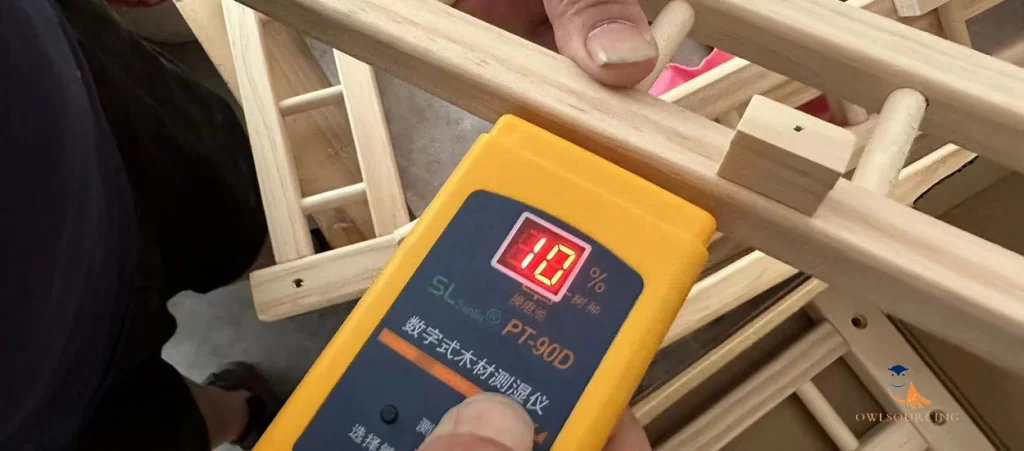
One insight that completely shifted my thinking: if the factory controls your product, it controls your outcomes. In that case, He didn’t fully own the specifications or enforce them tightly enough. That gave the supplier room to “interpret” requirements.
Strong buyers do the opposite:
- Own their Bill of Materials (BOM) and specifications
- Control moulds and production processes
- Document assembly steps clearly
This connects directly to services like custom product development services in China, custom moulding solutions in China, and private & white label product services in China.
It also gives you leverage—the ability to walk away if needed. And interestingly, just having that option often prevents suppliers from testing your limits in the first place.
Stay Involved—Even When Things Feel Stable

This might be the most overlooked part. After a few successful orders, it’s easy to relax. You trust the supplier. Communication flows. Everything feels “under control.”
That’s exactly when quality begins to fade. Sometimes it’s rising material costs. Sometimes it’s a factory owner focused on short-term profit. Sometimes it’s just complacency.
But the pattern is the same. The only way to stop it? Stay present. Regular oversight—either directly or through a trusted China sourcing company for home décor—keeps pressure where it belongs. Consistency isn’t automatic. It’s enforced.
Read More: