

If you’re importing from China, certificates aren’t just paperwork. They are your legal shield. Your customs clearance ticket. Your reputation insurance. And yet, they’re one of the easiest things to fake.
I’ve seen it all—photoshopped ISO certificates, fake CE “approvals”, made-up testing labs, and even forged reports using real company logos. The scary part? Some of them look incredibly convincing.
So let’s break this down properly.
At a Glance
- Fake CE, FCC, ISO, and FDA certificates are extremely common
- Many “certificates” are just edited images or invalid documents
- Customs can seize your shipment if the documents don’t check out
- You—not the supplier—are legally responsible
- The smartest move? Work with a sourcing company in China or an inspection partner early
The Smartest First Move: Don’t Do This Alone
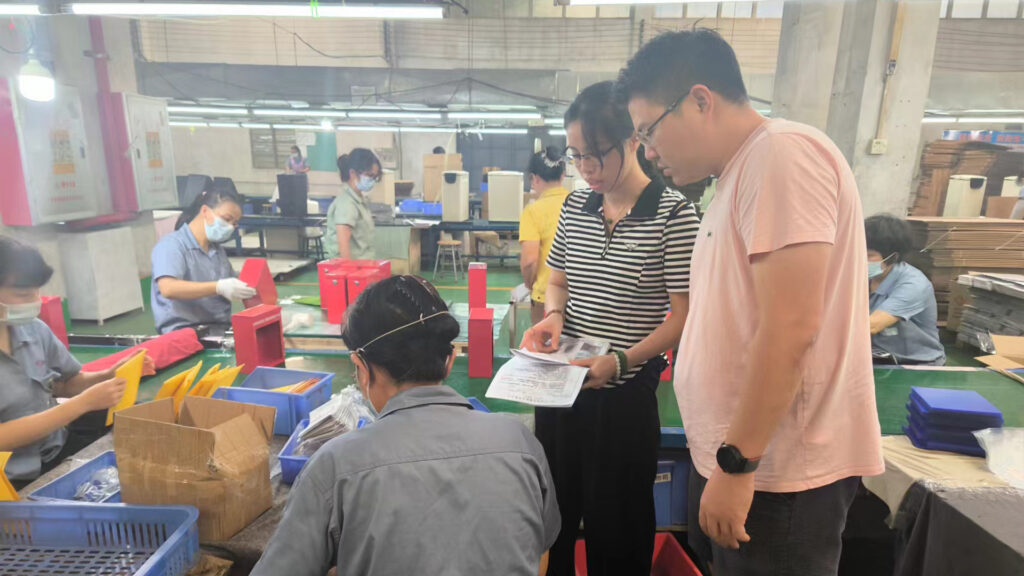
Let me be direct here—trying to verify everything remotely, by yourself, is where most importers go wrong.
If there’s one move that consistently saves money, stress, and delays, it’s working with a local expert. A solid sourcing company in China or a reliable product inspection service in China can spot red flags in minutes that might take you days.
Why?
Because they’re on the ground.
They speak the language. They know which labs are real. They’ve seen the tricks before. And when something goes wrong (and sometimes it will), they can physically step into the factory and fix it fast.
At OwlSourcing, for example, we’ve had cases where a supplier tried to push a fake test report—within hours, our team verified it directly with the issuing body and stopped the shipment before it became a problem. That kind of response time? You simply can’t replicate it from overseas.
And here’s the real benefit: you’re not just avoiding risk—you’re buying peace of mind. Contact us!
What Fake Certificates Actually Look Like
Most people expect fake documents to look… fake. That’s the mistake.
Some of the best forgeries I’ve seen were nearly flawless at first glance. Clean formatting, proper terminology, even QR codes that led to convincing (but fake) verification pages.
So what’s really happening?
- Some suppliers edit real certificates using Photoshop
- Others reuse legitimate report numbers from unrelated products
- In more extreme cases, certain labs issue reports without even testing anything
Yes, you read that right.
I’ve personally encountered situations where a “test report” existed in a system, but the product was never tested. That’s how deep this problem goes.
And this ties directly into a question I get all the time:
“How Can You Verify Chinese Manufacturers?” – “How to Verify a Chinese Supplier’s Legitimacy?“
The short answer? You don’t rely on what they send you. You verify everything independently.
Red Flags That Should Immediately Slow You Down
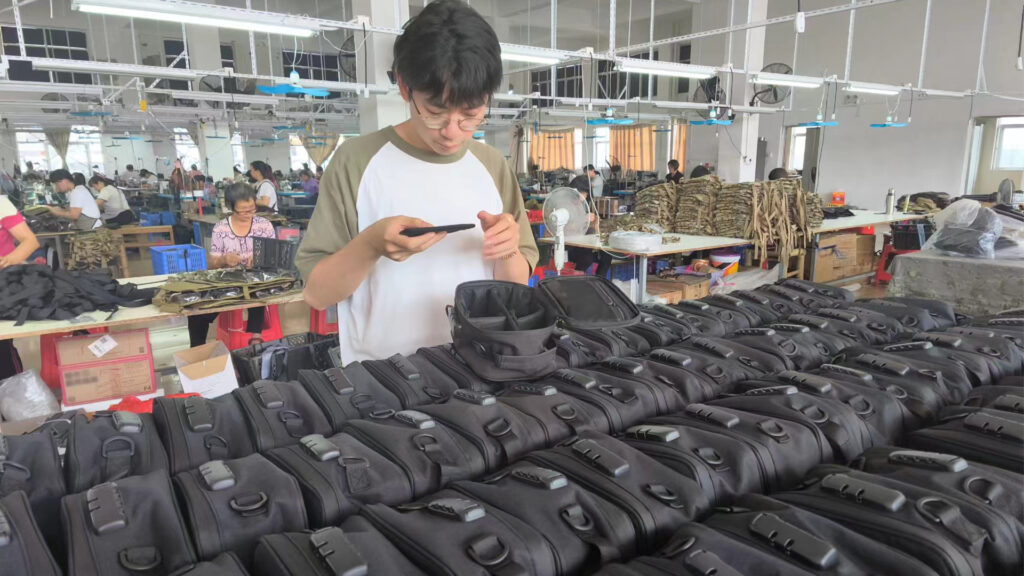
Over time, you start to notice patterns. Certain behaviours almost always signal trouble.
Here are a few that I never ignore:
- Supplier delays sending full documentation
- They provide only a “certificate page” instead of full test reports
- The issuing lab is unfamiliar or hard to verify
- Product details don’t exactly match the certificate
- The document is in JPG or PNG instead of PDF
That last one? Surprisingly common.
Real certificates are issued as secure documents. If someone sends you a casual image file, that’s not a good sign.
Also, watch for something subtle: mismatched scope.
A factory might show an ISO certificate—but when you look closely, it covers something completely unrelated to your product. That’s not compliance. That’s misdirection.
These are classic red flags in Chinese manufacturing, and ignoring them is where problems begin.
How to Really Find Reliable & Verified Products in China?
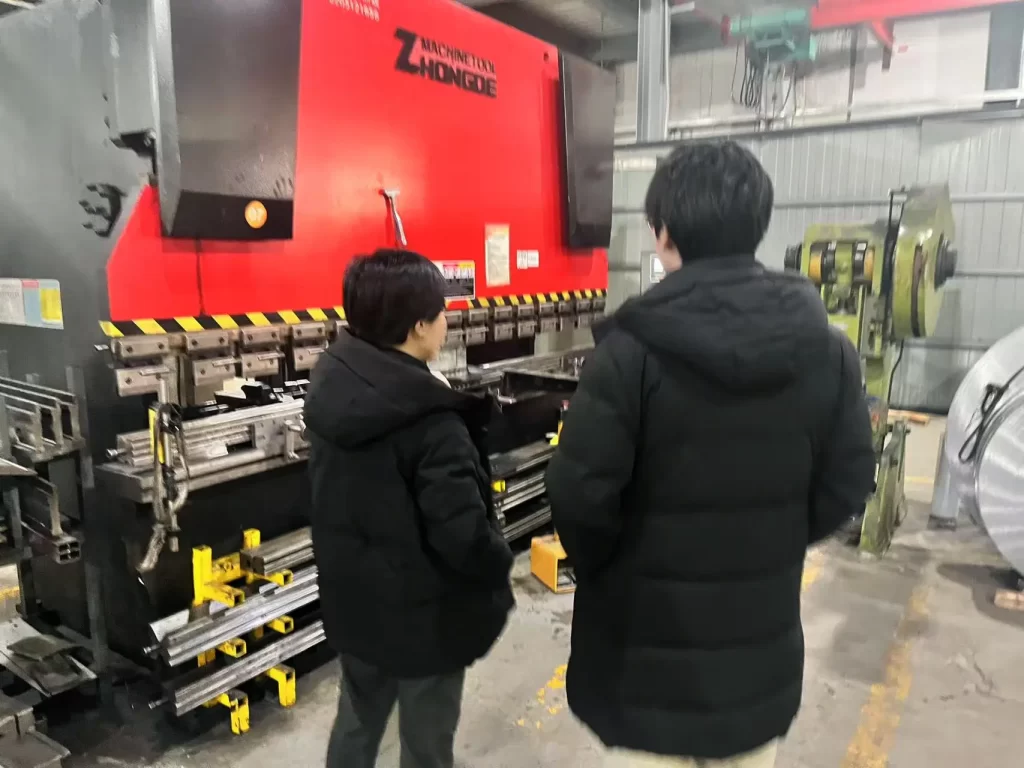
This is where things get interesting—and honestly, where many importers get a bit too comfortable. Let’s start with the big one: How to Find Reliable Factories in China?
Most people think it’s about platforms, filters, and comparing prices. In reality? It’s about verification layers. A factory isn’t “reliable” because it looks good online. It’s reliable because of the following:
- Its documents check out independently
- Its production matches its claims
- Its certifications are valid and traceable
- Its process is consistent under inspection
Now, let’s address the other question: “Are Alibaba-verified suppliers trustworthy?“
Short answer? Sometimes. But not blindly. “Verified” usually means the platform checked certain business details—not that every certificate, test report, or compliance claim has been deeply audited.
I’ve seen verified suppliers present fake CE documents. I’ve seen gold suppliers reuse reports from completely different products.
So what should you do instead? Layer your validation:
- Use a China Sourcing Agent for OEM/ODM Manufacturing to vet factories beyond the surface
- Combine that with a Third-Party Quality Inspection Service Provider in China
- Cross-check certifications directly with issuing bodies
Because real reliability isn’t about where you found the supplier—it’s about how thoroughly you verified them.
How to Actually Verify Certificates (Without Guessing)
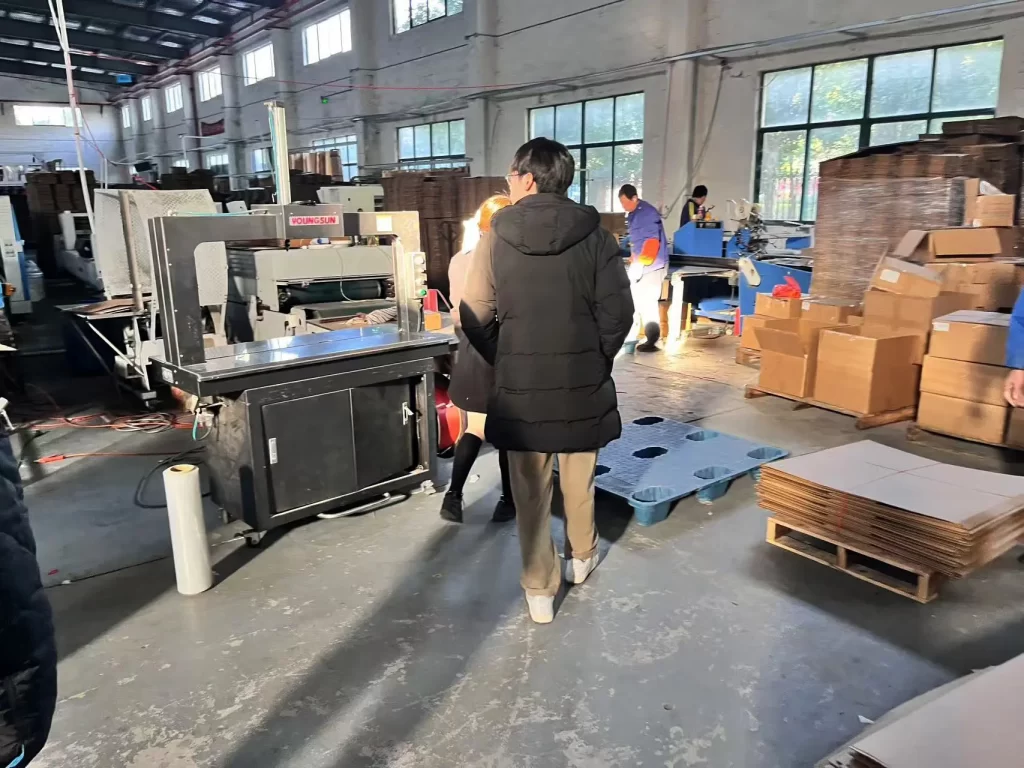
This is where most importers either get serious—or get burnt. Here’s how I approach it, step by step:
First, I never trust documents at face value. Ever.
Then:
- I verify the certificate number directly with the issuing body (like SGS or TÜV)
- I request full, unedited test reports—not summaries
- I cross-check company details against official Chinese business registries
- I confirm that the lab is accredited (CNAS or ISO 17025)
- If needed, I use a third-party quality inspection service provider in China to validate everything on-site
And sometimes, I go one step further—multiple lab verifications. If something feels even slightly off, I want a second opinion. Because here’s the uncomfortable truth: Even “real-looking” certificates can be fabricated inside legitimate systems.
Why This Impacts More Than Just Compliance
Many importers think this is just about clearing customs. It’s not. Fake certificates can lead to:
- Shipment seizures
- Product recalls
- Legal liability
- Brand damage
- Lost customers
And the worst part? It usually happens after you’ve already paid, shipped, and committed. That’s why this conversation connects directly to “Why Quality Control Is Important When Sourcing From China“.
It’s not just about checking products—it’s about validating the entire supply chain.
Where Most Importers Get It Wrong
Let me be blunt for a second. Most issues I see don’t come from bad luck. They come from overconfidence.
People assume:
- “The supplier looks professional.”
- “They’re on Alibaba, so they must be verified.”
- “The price is good, so let’s move fast.”
And that’s exactly how problems slip through.
If you’ve ever wondered, “Are Alibaba verified suppliers trustworthy?“ the answer is sometimes, but verification is not the same as compliance.
You still need to do your own checks.
Read More:
- Latest Trends in Alibaba Scams
- What is the Best Way to Pay Chinese Suppliers?
- How to Send Money to China for Your Product Orders?
- How to File a Complaint Against a Chinese Supplier (Alibaba or Direct Manufacturer)
Final Thoughts!
If there’s one thing I want you to take from this, it’s this: Fake certificates when importing from China are not rare exceptions—they’re a recurring risk.
But they’re also completely manageable if you approach them the right way. Start with the right partners. Verify everything independently. Don’t rush decisions just because a deal looks good.
Because in this business, the cheapest mistake is the one you catch early. And the smartest importers? They don’t just buy products—they build systems that protect them.