


Importing products from China usually goes smoothly. However, you should know how to respond effectively when issues arise.
Every importer must start by communicating concerns to the supplier. Yet, when conversations don’t work, filing a complaint becomes necessary.
So, you must know how to file a complaint against Chinese suppliers. I will cover everything from gathering evidence to when and how to pursue legal action.
A Message to First-Time Importers
If this is your first time dealing with a supplier problem, take a breath. Many importers go through this at some point, especially in the early stages.
Did You Know?
- Over 60% of supplier disputes on Alibaba are related to unclear specifications.
- Most complaints occur after the final payment, when your negotiating leverage is lowest.
- Almost all cases could have been prevented with a QC checklist and a custom packaging guide.
That’s why our team emphasises preparation over reaction.
Always remember;
“Before you get to the stage of filing a complaint, it’s worth rechecking your order. Check how it was prepared in the first place. Many of the disputes we see could’ve been avoided with simple guidelines. Give clearer packaging specs or a simple pre-shipment quality check. If you are unsure how to structure that process, consider working with a sourcing agent in China. We offer free consulting and custom QC support. It is often a faster route than relying on disputes to fix the damage.”
– Andy, OwlSourcing
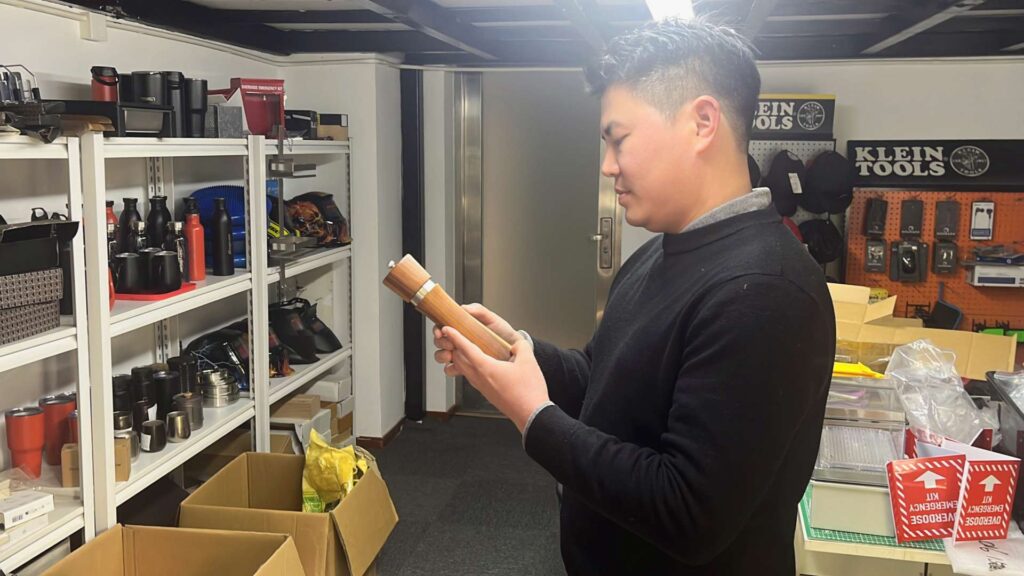
Difference Between Scams and Misunderstandings
Knowing how scams differ from misunderstandings is crucial. The section covers differences to help you better understand how to approach both.
Misunderstanding: At their core, misunderstandings usually stem from minor issues. These issues are often misinterpreted as specifications, label errors, and production oversights. You can address these issues through open dialogue and compromise. An example is a supplier sending a shoe size 43 instead of size 40. Misunderstandings are often non-intentional.
Scam: Scams, however, are different. They involve malicious intent. These are fake companies that don’t ship after payment is made. There are usually warning signs. These signs include refusing video calls and demanding payment through shady platforms.
Some suppliers on Alibaba and direct manufacturers are culprits. Watch out for fake certificates. Once you receive a fake or no certificate, avoid making any further deals.
How Alibaba Trade Assurance Works
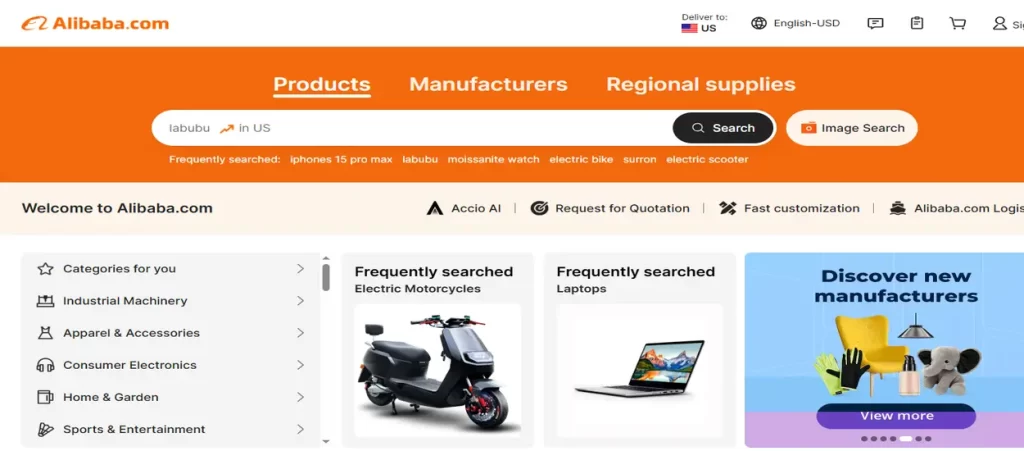
One of the many perks of using Alibaba is its Trade Assurance. The process is straightforward once you understand the basics. Placing an order with Alibaba Trade Assurance uses a secure escrow system.
First, you agree on the supplier’s product specifications and timelines. Then, you pay directly to Alibaba’s designated account; never to the supplier. Alibaba holds the funds until you confirm you are satisfied with the goods.
You will confirm receipt in the Alibaba dashboard to release the payment. However, if the process goes the other way, you can file a dispute via your order page. You will upload all necessary documents, such as product photos or inspection reports.
Alibaba gives the supplier about five days to respond and resolve the issue. Otherwise, Alibaba’s dispute team steps in to mediate. They aim to resolve cases within a few business days. Then, partial or full refunds are typically processed within 7 working days. However, note that the time it takes to receive your refunds depends on your payment method.
Alibaba’s Trade Assurance does not charge buyers additional fees. However, suppliers usually absorb a small transaction cost (2–3%). The fee is often reflected in their pricing.
Note: Alibaba’s buyer protection has some clauses. First, it is only valid if your expectations were documented in the purchase contract. Ambiguous standards or missing data may undermine your dispute claim. Ensure you document properly and open your dispute claims on time.
What’s the time limit for opening a dispute on Alibaba?
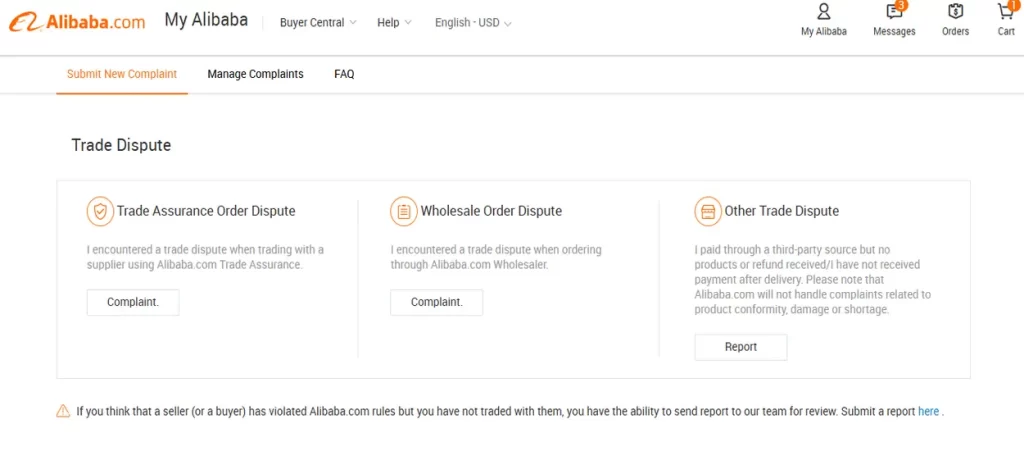
Once your Trade Assurance order shows as “Delivered”, you generally have up to 30 days to file a dispute. It can be up to 60, too, depending on your country and order terms. You’ll find the exact date listed in your Order Details. It’s crucial to check there as soon as delivery is confirmed.
After a dispute is initiated, Alibaba gives the buyer and seller 3 to 30 days to negotiate. If no agreement is reached, Alibaba’s dispute team decides.
How to File a Complaint on Alibaba for Trade Assurance Orders?
This section walks you through the process of filing a complaint on Alibaba:
Step 1: Load Your Order Dashboard
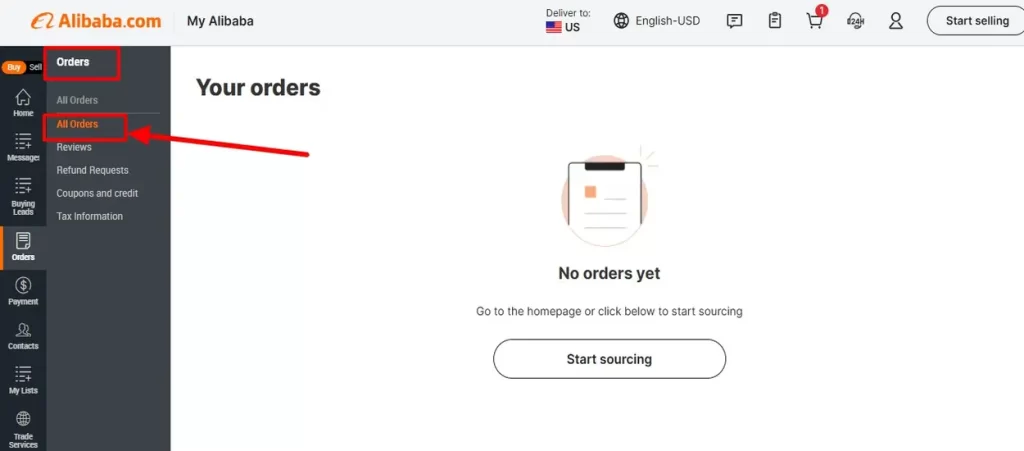
Open your Alibaba account on your desktop or mobile app and navigate to My Orders. This menu option holds all your past purchases and ongoing transactions.
Step 2: Select the Problematic Order
Find the order experiencing issues (defective items, missing shipment, and others). Click “Order Details” for the record.
Step 3: Initiate a Dispute Request
If the payment has already been made and delivery has occurred, click “Open Dispute”. Or tap “Apply for Refund” within that order’s details page. This activates Alibaba’s structured dispute process.
Step 4: Choose the Dispute Reason and Type
Select a dispute category. The options often include Product Quality, Delayed Shipment, Wrong Item, or Non-Delivery. Pick the most accurate reason to help drive efficient processing.
Step 5: Upload Evidence and Describe the Issue
You’ll need to provide clear documentation of the sourcing process. They should be high-resolution photos/videos. Also, the documentation should cover the following:
- Defects/incorrect items
- Inspection reports
- Chats
- Invoices
- Shipping records
Alibaba requires evidence to assess your claim.
Step 6: Propose a Resolution (Refund/Return)
State your preferred outcome. Is it a full refund, a partial refund, or product replacement? Enter what you want. Note that realistic proposals tend to lead to quicker resolutions.
Step 7: Submit Your Dispute and Watch for A Response
After submitting, Alibaba enters a negotiation phase lasting 3 to 30 days. The supplier can now accept, refuse, or propose alternatives. Check daily to respond promptly.
Step 8: Escalate to Alibaba if Unresolved
If the supplier stalls/rejects your request, click “Escalate”. This brings the dispute to Alibaba’s dispute resolution team. Alibaba reviews the materials, mediates, and makes the final decision. The entire process might take a couple of business days. Refunds are issued within 7 days, depending on your payment method.
How to File a Complaint Against a Direct Chinese Manufacturer?
Dealing with direct Chinese manufacturers is a different ball game. The steps need more attention. Here are all the necessary steps:
Step 1: Organise Relevant Documents and Records
Begin by gathering all evidence relevant to your order. They include the following:
- Contracts or purchase agreements
- Email and chat correspondence confirming specifications
- Photos or videos of defective or non-compliant goods
- Production and inspection reports
- Shipping and delivery receipts
- Invoices
- payment confirmations
Strong documentation is critical for later steps. Don’t skip this step to avoid complex mediation, arbitration, or legal action.
Step 2: Craft the Complaint Email
Write a straightforward but firm email with your concerns. Start with a professional greeting. Then, reference your company, the order number, and the delivery date. Explain the issues factually and align them with clauses from your contract. Attach relevant evidence and state what you want. Your request can be for a full refund, a partial refund, or store credit.
Step 3: Set Deadlines
Express your desired resolution and stipulate a response deadline in the email. Most importers set their deadline at about 7 to 10 business days. This sets explicit expectations. It also provides a reason to escalate if the deadline passes without resolution.
Step 4: Check Back Again
If your supplier doesn’t respond for an extended period, send a reminder. You can offer a summary of the problem. And again, emphasise your interest in resolving the situation efficiently and amicably.
Step 5: Involve a Sourcing Agent or Third Party
If the supplier remains unresponsive, it is time for a third party. Opt for a local sourcing agent or trade facilitator. They would act on your behalf to provide an easier, stress-free experience. They can communicate in Mandarin and press your case. This route often helps secure a faster supplier response.
Step 6: Seek Mediation
If everything else fails, invoke any arbitration clause present in your contract. An example is the CIETAC (Beijing Arbitration Commission), which can initiate formal proceedings. CIETAC handles Sino-foreign trade disputes and administers them under its rules. BAC also offers local arbitration forums.
Step 7: Pursue Legal Action If It Is Serious
If arbitration isn’t reachable or you’re unsatisfied, consider litigation in Chinese courts. However, enforcement of foreign judgments requires a filing with a Chinese court. Therefore, the domestic or arbitration-based options are often more effective.
Step 8: Report to Relevant Chinese Authorities if Necessary
File a complaint with Chinese regulatory bodies for fraud or serious non-compliance. A good example is the local Administration for Market Regulation. Alternatively, notify your country’s Chinese embassy trade office. They can review complaints about fraud or misleading documents and may enforce penalties.
Build a Solid Case – What You Can Document

Your first task is to gather solid proof. Without documentation, it is just your word against theirs. This section shows you exactly what to collect.
1. Contracts, Chats, and Email Threads
Keep every correspondence tied to the order. Capture all chat history inside Alibaba’s official messaging tool. This document is critical. Alibaba’s dispute system relies solely on platform-recorded chat logs as valid evidence.
External communications may not count unless both parties agree on their authenticity. There’s also value in retaining email threads. They will come in handy if your dispute escalates to arbitration or court.
2. Inspection Reports & Certificates
Any third-party inspection report, audit, or compliance certificate is highly relevant. Reports from recognised providers, such as SGS and Bureau Veritas, are highly regarded. Both companies play a considerable role in quality control in China. These documents objectively show where your order deviated from expectations.
3. Product Photos/Videos, Packaging Slips, and Invoices
Visual evidence is crucial. Take timestamped photos and videos showing defective products and other inconsistencies. Record the unboxing to document the external packaging and serve as proof of tampering or a shipping mismatch. Get invoices and other shipping information. This can further prove what was shipped versus what was claimed.
How to Structure Your Complaint Email for Better Results
A well-structured complaint email can make all the difference. It helps the supplier or platform take you more seriously. Below, I will show you how to organise your message for maximum impact.
Subject Line
Be specific here.
Order Issue – Urgent Attention Needed (Order #12345)
This subject line helps ensure the supplier sees the problem immediately. Also, it ensures they treat the dispute seriously.
Polite Opening & Business Introduction
Begin with a friendly and respectful tone. Then, introduce your company by name:
Dear [supplier name],
I am John from ABC Company. I am writing about the order number 12345 placed on [Date].
This approach creates an opportunity for constructive dialogue.
Clear List of Issues with Evidence
Present your concerns using bullet points or simple numbered notes. Keep each point direct and reference the supporting documents:
- Incorrect material received: ABS instead of polypropylene (see attached photo)
- Packaging damage: Twenty units arrived with cracked boxes (video attached)
- Missing serial numbers: Ten units non-compliant with the serialisation spec (see invoice/photos)
This format helps the supplier quickly understand each issue.
Desired Resolution & Timeline
State precisely what you expect and give a reasonable timeframe for a response.
We request a full refund for the 30 non-serialised units or compliant replacements. Please respond with a proposed solution by [Date – typically 7 business days from today].
This clarity prompts action. It lets the supplier know you intend to escalate if needed.
Is It Worth Filing a Dispute for a Low MOQ or Small Order?
If Alibaba Trade Assurance covers your purchase, you can open a dispute even for low-value orders. Trade Assurance applies to any order with a participating supplier, regardless of size. You don’t pay extra. Alibaba holds your payment in escrow and requires negotiation before releasing funds to the supplier.
That said, for extremely small orders (e.g., under $50), many buyers choose not to initiate disputes. Filing disputes may consume more time or create friction without much return. On platforms like AliExpress, users are reluctant to open disputes for small orders. They note it can affect buyers’ reputations or consume limited dispute bandwidth.
However, dispute filings sometimes influence seller behaviour even for small orders. Suppliers often prefer a quick resolution to negative feedback or future cancellations.
Remember: opening a dispute takes only a few minutes. When a claim is well supported with relevant screenshots, it can still result in prompt refunds, even for low-value items.
Real Case We Handled: What Happens When a Complaint Isn’t Enough
A few weeks ago, we received a message from a frustrated brand owner in Europe. Their story? The supplier delivered goods with incorrect packaging. Also, the products were clearly not tested or inspected.
The buyer was considering legal action and asked if we could help them “sue the factory.”
Here is how our team handled it:
Importer: Can you help me file a complaint against a deceitful company?
Us: We totally get it. It’s frustrating. But we’re not legally allowed to sue another company on your behalf. However, we can step in with our QC and consulting services to help prevent this from happening again.
We explained how they could still file a complaint and possibly recover some costs. We also showed them a better way forward.
Instead of throwing more money at legal fees, the client worked with us to:
- Improve their spec documentation and inspection process
- Redesign their packaging for consistency
- Use our consulting service to build a custom QC checklist
- Set up fast shipping from China options for urgent orders
- Get transparent quotes that include all the real costs
The client recovered from a bad experience. Plus, they built a stronger supply process with us as their partner. We’re not a law firm, and we don’t act as legal enforcers. But when things go wrong, we offer something more powerful: prevention, clarity, and a solid sourcing backup plan.
Read More:
- Warranties & Refunds When Buying From China
- How to Source Products on Alibaba and Sell via Amazon FBA?
- Alibaba Sourcing Agent
- Why is Quality Control Important When Sourcing From China?
Final Thoughts!
Knowing how to file a complaint as an importer is a valuable skill. Trade is often unpredictable, and there will be days when things might not go your way. Filing a complaint against the supplier puts the reins back in your hands.
That’s why I outlined the key steps to take to protect against fraudulent suppliers and Alibaba scams. However, we understand how far extra help can go. Working with a China sourcing agent makes everything much easier.
Need help resolving a supplier issue or avoiding one in the first place? OwlSourcing is more than just a sourcing agent. Our team is here to protect your orders and step in when things go wrong.
Contact us today to get the support you need. Get it from people who know the ground reality in China.