


Everything can look acceptable at first—samples, pricing, communication—but small inconsistencies often signal more profound problems. Ignore them, and they grow into delays, quality issues, and unhappy clients.
Why “Almost Good” Is the Real Danger in Red Flags in China Manufacturing
As a director of a sourcing company in China, I’ve shifted my focus from spotting clear mistakes to identifying subtle red flags early—because those are what really impact your margins and operations.
Whether you’re handling “living room décor sourcing from China“ or working with “top China custom home décor suppliers and manufacturers“, success isn’t about avoiding bad suppliers—it’s about recognising the deceptively average ones before they cost you.
Let’s get into it.
At a Glance — The Red Flags You Can’t Ignore
- Recurring quality issues with no real fixes
- Weak or nonexistent quality control processes
- Constant need for your supervision
- Unclear pricing or sudden cost changes
- No reliability testing before shipment
- Refusal to allow factory visits
- Limited access to engineers or decision-makers
- Disorganised, manual production systems
And here’s the part most people underestimate:
The fastest way to avoid all of this? Work with a trusted sourcing company in China or a reliable third-party inspection team from day one.
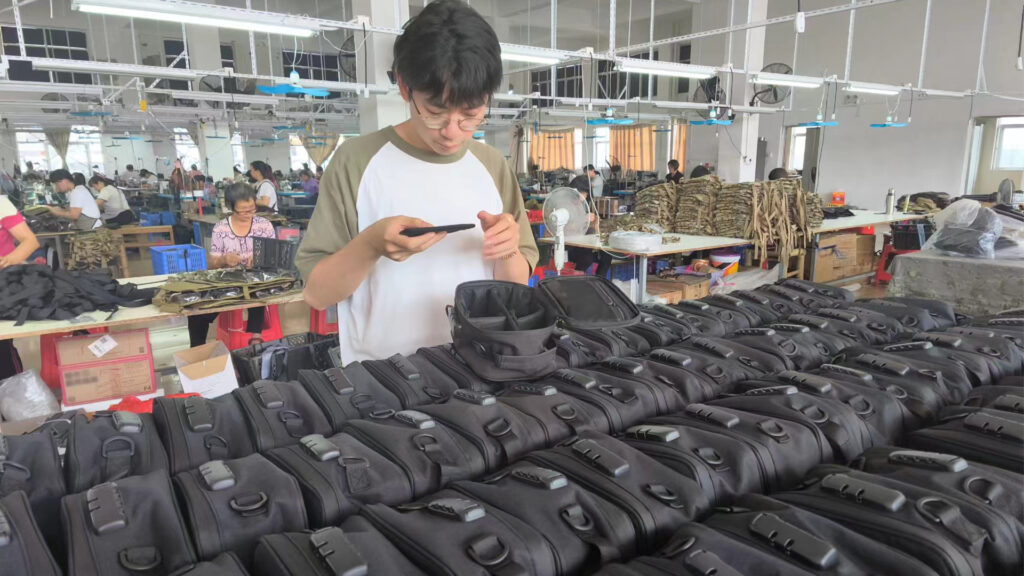
The Smartest First Move: Local Experts on the Ground
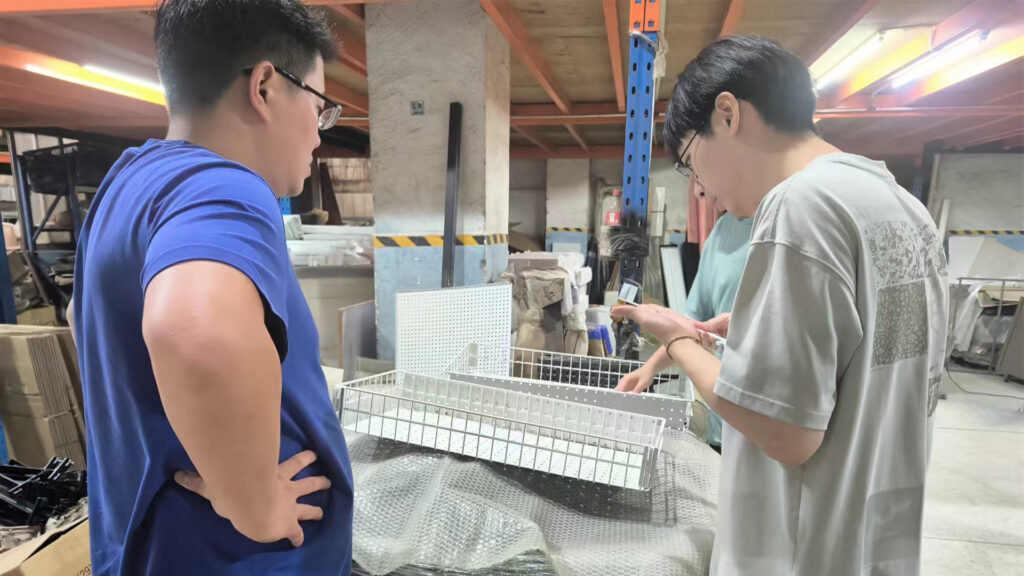
Before we even talk about red flags, let me say this clearly:
If you’re sourcing without a local partner, you’re playing on impossible mode.
I’ve seen too many importers try to manage everything remotely—emails, WeChat messages, maybe a late-night video call—and assume that’s enough. It’s not.
A professional China sourcing agent for OEM/ODM manufacturing or a team like OwlSourcing changes the game completely.
Here’s why:
- They physically visit factories, not just rely on promises
- They catch issues before they scale into disasters
- They solve problems in real-time, locally
- They protect you from delays, miscommunication, and hidden risks
When something goes wrong (and at some point, it always does), having a team on the ground in Shanghai or Shenzhen means the issue gets handled that day, not after a 3-day email chain.
That alone can save you thousands.
Persistent Quality Issues: The Silent Margin Killer
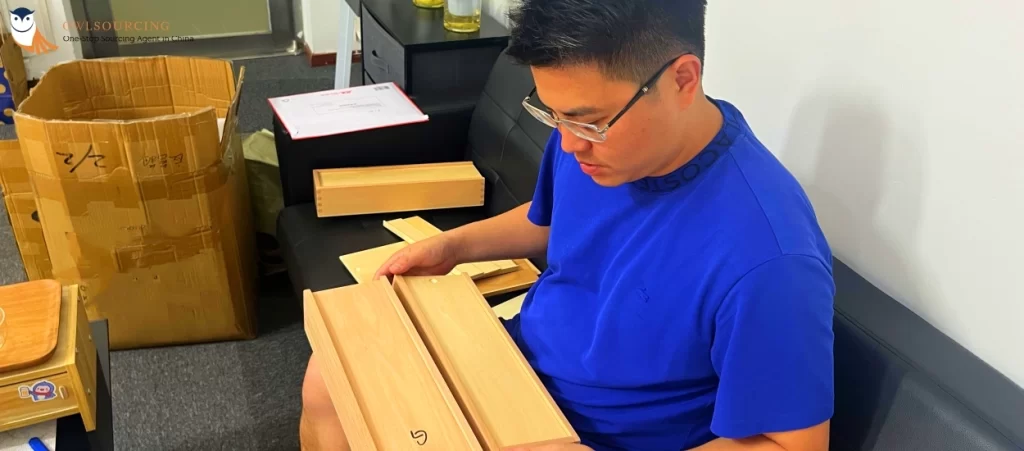
If quality problems show up once, that’s normal. If they show up again and again, that’s a system failure.
I’m talking about:
- Scratches in one batch
- Colour inconsistency in the next
- Packaging damage after that
Different problems, same pattern.
Such issues usually happen when factories lack structured processes—or worse, when they quietly lower standards over time. It’s something I see often in projects like sourcing bedroom decor from China or wholesale dining room decor from China, where visual consistency matters.
The real danger? You start adjusting your expectations downward to keep things moving.
That’s how brands lose their edge.
A proper custom product development service in China should include clear quality benchmarks, documented standards, and ongoing inspections—not guesswork.
No Process, No Control (Even If They Say Otherwise)
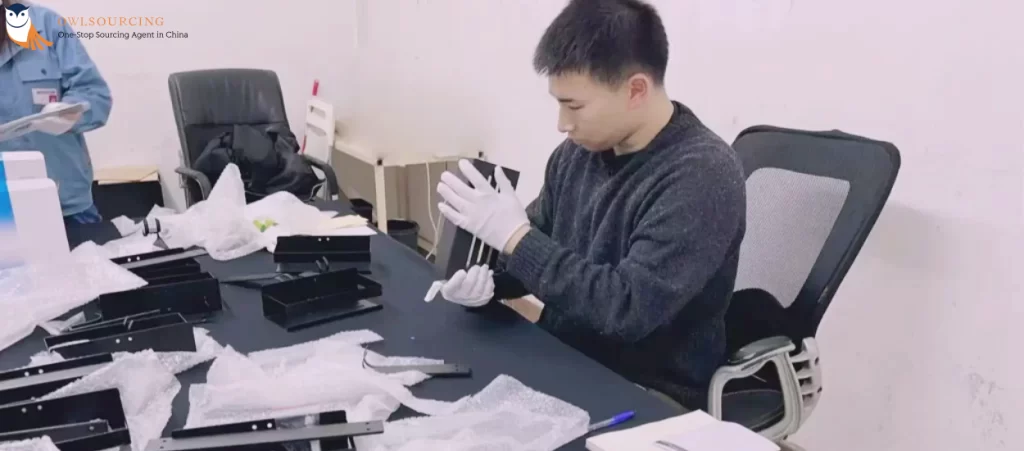
Let me translate something for you: When a factory says, “Don’t worry, we checked everything,” what you should hear is, “Ask for proof.”
Because in many cases, there is none. Red flags here include:
- Identical inspection reports across batches
- No incoming or outgoing QC records
- Heavy reliance on Excel instead of proper systems
That last one surprises people. But outdated tracking leads to undocumented changes, which leads to surprises you don’t want.
If you’re working on projects like “private & white label product services in China“ or “custom moulding solutions in China“, process discipline isn’t a luxury. It’s survival.
This is where a professional inspection team—or better yet, a full China sourcing company for home décor—adds real value. They don’t just “check”—they verify, document, and enforce standards.
You’re Babysitting the Factory (That’s a Problem)
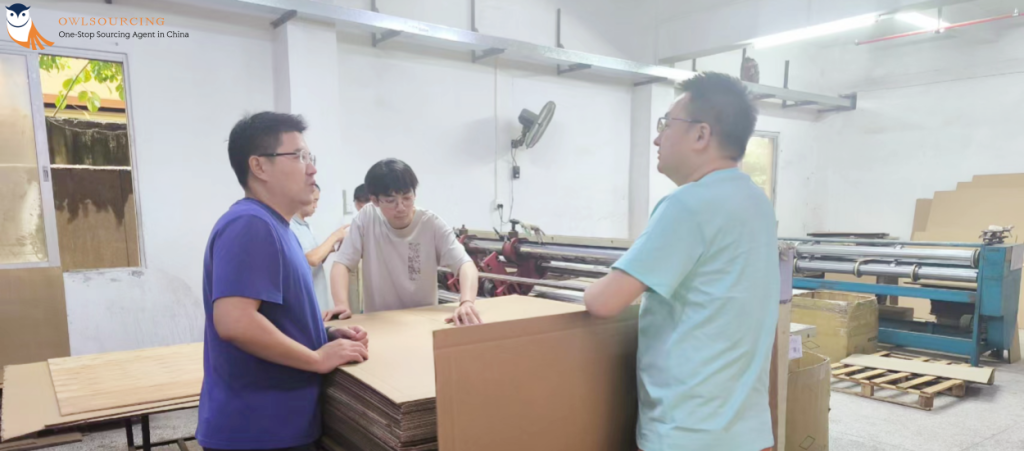
If you feel like production only goes right when you’re watching closely… that’s not control. That’s dependency.
And it’s exhausting. You shouldn’t need:
- Daily follow-ups to keep things on track
- Constant reminders about basic requirements
- Ongoing pressure just to maintain quality
Such behaviour usually signals immature operations or weak internal management.
I’ve seen this happen frequently in projects involving how to source bedroom furniture from China or how to find custom decorative mirror manufacturers in China, where production complexity is higher.
The fix?
You either:
- Replace the factory
- Or put a local team in place to manage them properly
Most experienced importers choose option two—because switching factories mid-project isn’t always realistic.
Price Instability: The Red Flag People Ignore
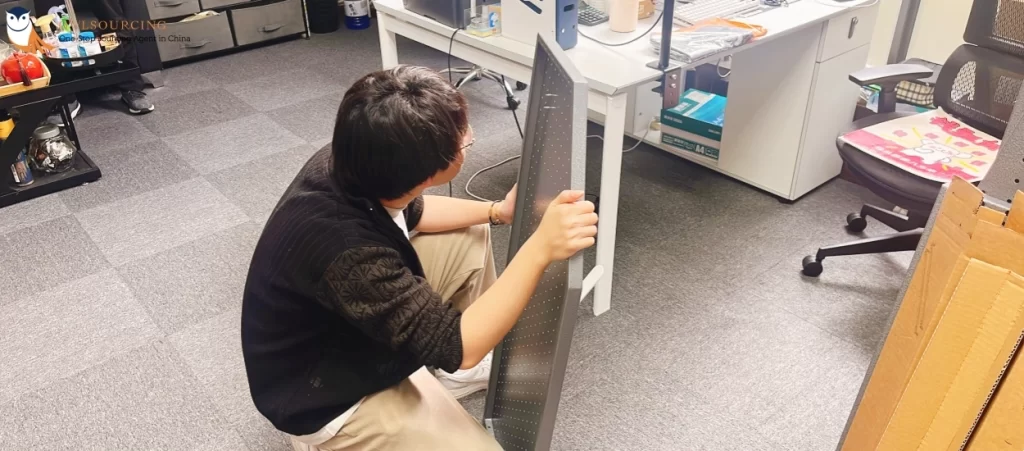
Here’s a pattern you should never ignore:
- Prices go up… but never come down.
- And when you ask why, the answers are vague.
This usually means:
- Poor cost control
- Hidden subcontracting
- Or opportunistic pricing
Without transparency about materials or production, you’re negotiating in the dark. In sectors like China’s wholesale home decor service or sourcing premium custom clocks from China, where margins matter, this can quietly destroy profitability.
A reliable sourcing partner ensures:
- Clear cost breakdowns
- Supplier accountability
- Consistent pricing logic
Otherwise, you’re just reacting instead of managing.
Restricted Access = Hidden Risks
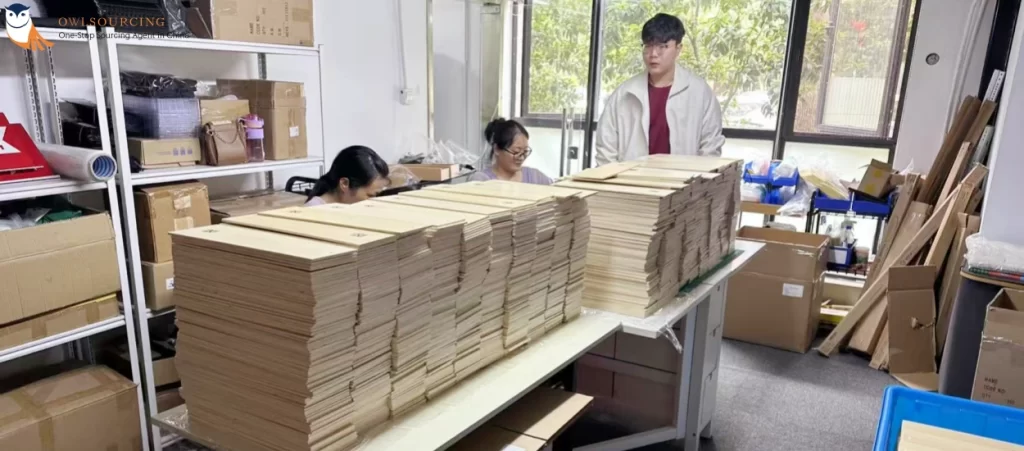
If a supplier refuses factory visits, take that seriously.
Excuses like:
- “Confidential projects”
- “Temporary restrictions”
- “Management not available”
…often hide a bigger truth: they may not be the actual manufacturer.
That opens the door to the following:
- Unknown subcontractors
- Inconsistent quality
- Zero production visibility
If you’re exploring top wholesale markets for home décor in China or scaling into how to import home décor from China, visibility is everything.
No access = no control.
Simple as that.
Weak Engineering Communication: The Hidden Bottleneck
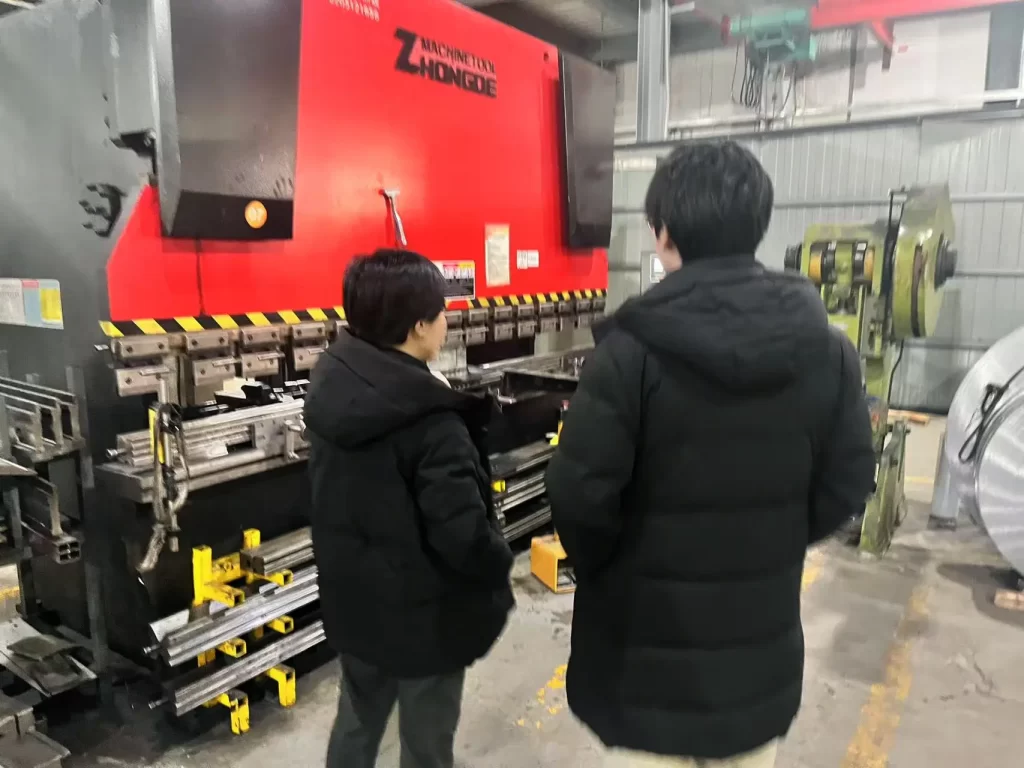
This one is subtle—but powerful. If all communication is channelled through a single salesperson and there is no interaction with engineers or technical staff, challenges may arise.
Because:
- Technical requirements get diluted
- Details get lost in translation
- Mistakes multiply silently
This skill becomes critical in projects involving manufacturing products with injection moulds in China or contract manufacturing services in China, where precision matters.
A strong factory provides you with access to the people who actually build your product—not just the person selling it.
Read More:
- China Manufacturing Cost Breakdown for Importers
- How to Verify a Chinese Supplier’s Legitimacy?
- How to Customise Products for Amazon FBA?
- What to Do When Chinese Suppliers (Alibaba) Ignore Your Inquiries
Final Thoughts
If there’s one thing I’ve learned after years in this industry, it’s this: Problems in China’s manufacturing rarely arise unexpectedly.
They leave clues. Subtle ones at first. Then the obvious ones—if you’re paying attention. The smartest importers don’t wait for problems to explode. They build systems that catch them early. And that usually starts with the right partners.
Whether it’s a trusted sourcing company in China, a hands-on inspection team, or an experienced group like OwlSourcing, having local expertise isn’t an extra cost—it’s risk insurance. Because in this game, the real advantage isn’t finding the cheapest supplier. It’s about knowing which risks to avoid before they cost you.