

A lot of clients have inquired about how to verify a Chinese Manufacturer’s License and Quality Standards. This concern is understandable, as choosing the wrong factory can lead to costly delays, quality issues, or compliance risks. In this article, I am going to lay out nine effective ways to validate Chinese manufacturers.
While working directly with a factory can offer clear advantages, for instance, a direct connection and lower costs. You can effectively handle the changes or the problems when you manufacture the components within the plant itself.
How to Verify a Chinese Manufacturer’s License and Quality Standards?
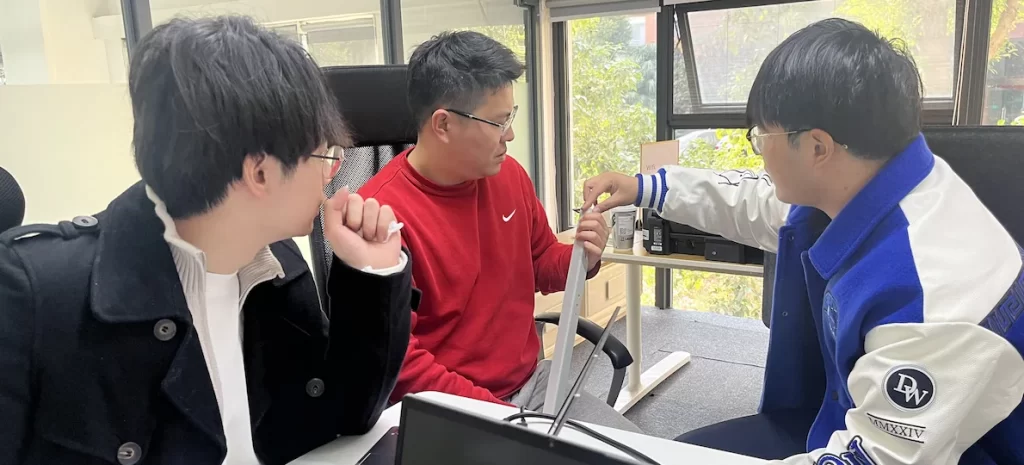
For assurance of a competent partnership with the Chinese factory, the following critical measures are necessary for verifying their authenticity and capability.
1. Do a Background Check; Verify Company Registration
- Verify Registration Details: Get the company’s registration number and legal business name. These need to be cross-checked against the official government database, such as the National Enterprise Credit Information Publicity System (NECIPS), which is maintained by the State Administration for Industry and Commerce in China. The system makes available the records of registered enterprises that are verified.
- Confirm Ownership: Ensure the company is legally owned and operated by the persons or entities they claim to be. Ownership discrepancies could mean risks such as fraudulent operations or unauthorised representatives.
- Review Business Scope: The registration document will also contain the company’s authorised business scope. Check if their declared activities correspond with the services or products they are offering to avoid dealing with unlicensed or non-compliant entities.
- Check Operational Status: Check the operating status of a company: active, suspended, or deregistered. This is important to check the credibility and trustworthiness of the company in maintaining its operations to complete orders.
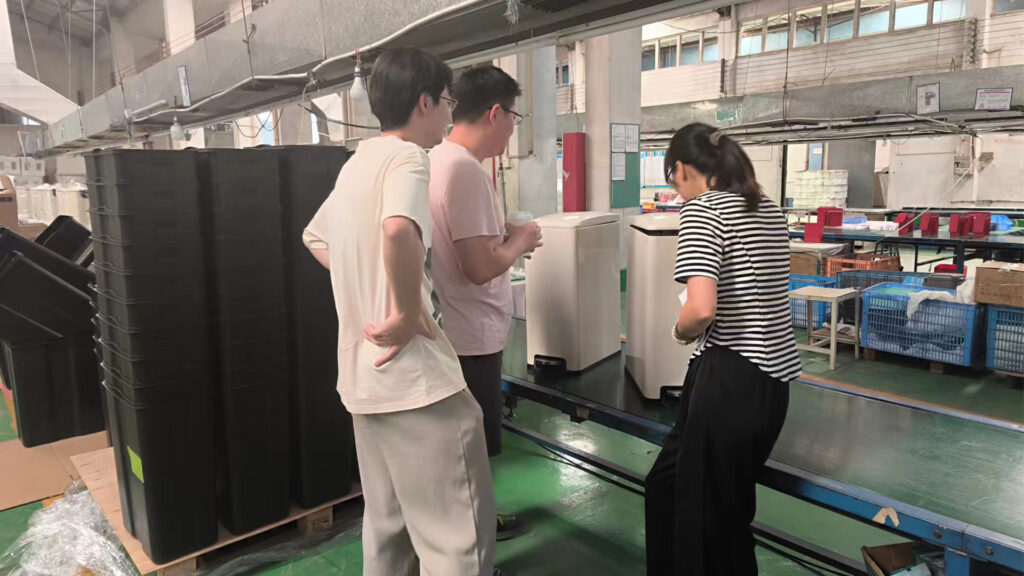
- On-site, virtual, or third-party audits are carried out.
- Production capability, quality control, and industry standards are assessed.
3. Audit Reports

- Study the reports of the factory auditor to understand the quality control standards.
Expert Tip:
1. Audit reports are usually divided into social audit and quality audit.
2. Social audit can help buyers understand the factory’s facilities and human rights issues.
3. Quality audit helps understand the factory’s quality control process and management methods. A complete quality control process can reduce the occurrence of quality problems.
4. MOQ Negotiation:
- Negotiate for reduced MOQs.
5. Complementary Checks:
- Catalogue review
- Online verification
- Third-party verification
Expert Tip:
A. Catalogue Review: This method allows you to understand the factory’s product line and design capabilities, helping you assess whether they have competitive advantages in the specific product area.
B. Online Verification: Clearly state the purpose of this method, such as conducting a virtual factory tour via video conferencing to inspect the factory’s scale and facilities.
C. Third-Party Verification: Utilising professional third-party services can provide expert evaluations of suppliers, saving you time and ensuring a thorough assessment.
6. Conduct a Physical Factory Assessment
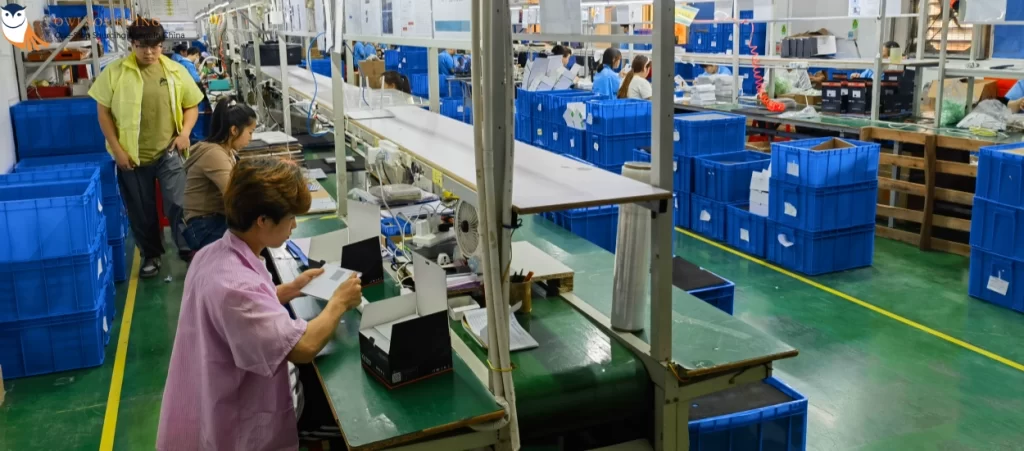
See the factory itself to assess production capacity, operations, and working conditions.
7. Testing of Product Samples
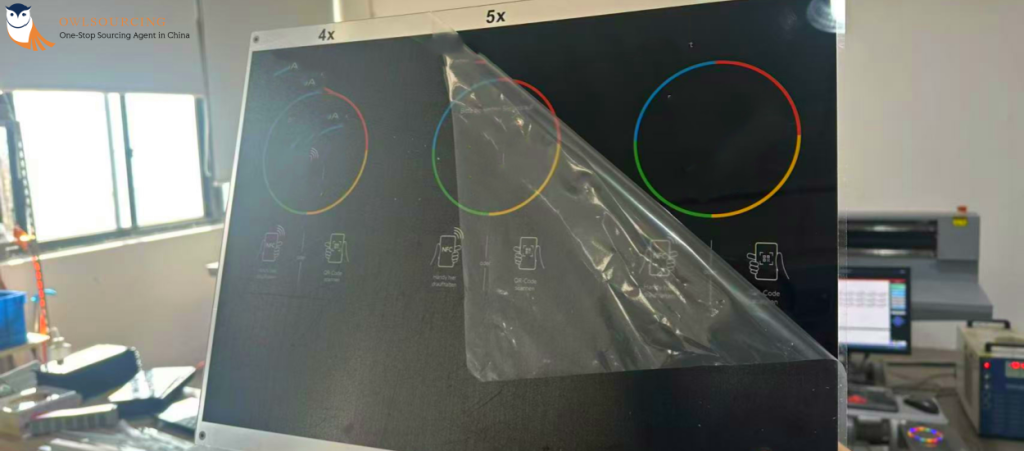
Request and inspect samples of the product to ensure the quality standard meets your expectations.
8. Check Client References and Market Reputation
Contact former clients and check the reputation of the factory in the industry.
9. Ensure Compliance with International Standards

Ensure the factory complies with applicable certifications and respects necessary regulations.
This is quite important in verifying compliance with international standards for quality, safety, and other global regulations when working with a factory in China. A more elaborate look at the process will be provided in the course of this paper.
References:
- References are sought from past clients and peers in the industry.
- Bank reference letters are obtained to assess financial stability.
Identify Relevant Certifications: Depending on your industry, the factory should hold a variety of certifications that prove its compliance with certain international standards. For instance,
- ISO 9001: Quality management systems
- ISO 14001: Environmental management.
- CE Marking: This is a necessity for products sold in the European Economic Area.
- RoHS Compliance: Ensures that electronic products meet hazardous material restrictions.
- FDA Approval: Required for products regulated by the U.S. Food and Drug Administration.
10. Ensure Clear Communication and Transparency
Assess how responsive, clear, and transparent the supplier is.
11. Establish Legal Agreements and Contractual Protections
Draft and review contracts that outline terms, responsibilities, and processes for dispute resolution to protect your interests.
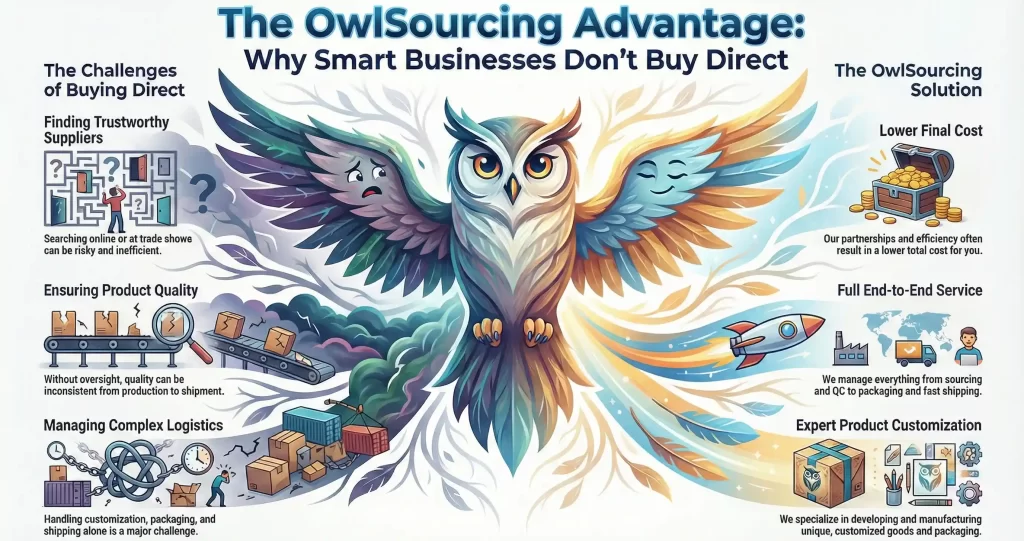
Keep your supply chain safe with reliable China factory verification today! Contact us now!
Read More:
Final Thoughts
Have you found your answer after going through this blog? Verifying Chinese manufacturers is a good preparation before starting your cooperation. Of course, you can also contact us if you need to. Leave a comment down below and share your thoughts with us!