
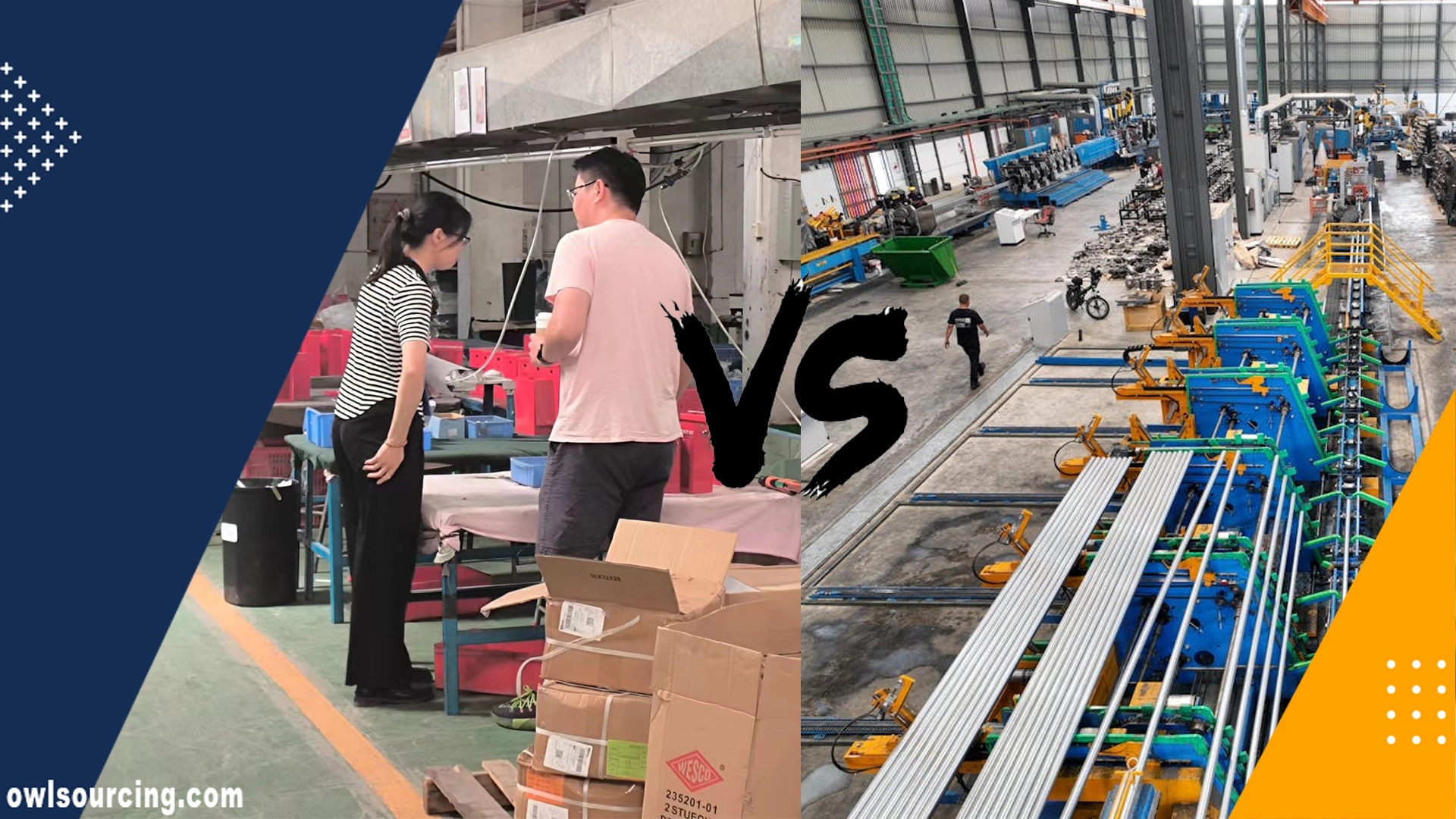

A client once told me, “Andy, just tell me who’s cheaper—the factory or the trading company. I don’t have time for anything else.” I get it. Everyone wants a clean, simple answer. But after years on the ground in China, I can tell you that question is a trap.
Because the real cost of choosing wrong in the trading company vs manufacturer in China decision doesn’t show up in the quote. It shows up later… in delays, quality issues, miscommunication, and those painful “we need to fix this” moments nobody budgets for.
So instead of chasing the “cheaper” option, let’s talk about the smarter one.
At a Glance — What Actually Matters
- Manufacturers = lower unit cost, higher commitment
- Trading companies = flexibility, speed, and easier communication
- Misidentifying them = hidden costs, production risks
- The smartest importers don’t choose alone—they use a sourcing company in China
- Local support = faster problem-solving, less financial exposure
Why I Push Clients Toward Sourcing Teams First (And Save Them Headaches Later)

If you take one thing from me, take this:
Before you even decide between factory or trader, get someone on your side in China.
I’m talking about a solid China sourcing agent for OEM/ODM manufacturing or a trusted third-party quality inspection service provider in China.
Why? Because both factories and trading companies can look identical from the outside. Same catalogues. Same promises. Same, “We’ve been exporting for 10 years.”
But the difference shows up when something goes wrong—and it always does at some point.
Here’s what a local sourcing team changes:
- They verify who you’re actually dealing with
- They catch issues before they turn into expensive problems
- They handle communication gaps in real time
- They protect your timeline when things start slipping
At OwlSourcing, we’ve handled cases where production was about to go off track and fixed it before the client even noticed. That’s not luck. That’s proximity and experience. And in China sourcing, speed of reaction is everything.
Manufacturers: Great Margins—If You Can Handle the Pressure
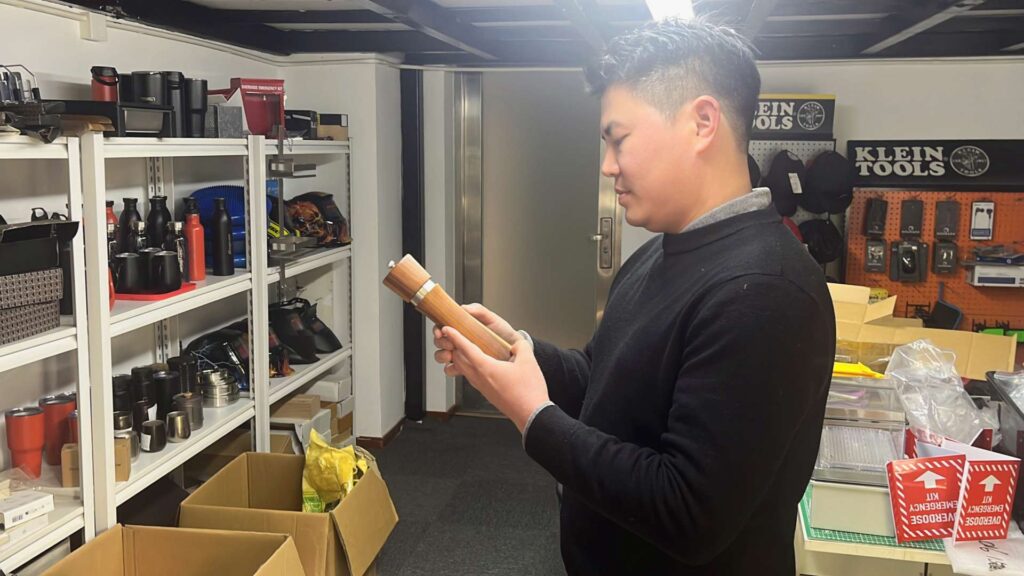
Let’s talk factories. Yes, working directly with manufacturers can give you stronger pricing. In many cases, you’re looking at 5–20% savings compared to middle layers.
Sounds like a win, right? It is—but only if you’re ready for how factories operate.
The upside:
- Lower pricing at scale
- Full control over specs and production
- Ideal for a custom product development service in China
The reality:
- High MOQs (they’re built for volume, not testing)
- Limited flexibility if you need changes mid-production
- Communication can get technical—and sometimes confusing
- Less patience for small buyers
Factories think in efficiency, not convenience. So if you’re still figuring things out—product specs, market fit, quantities—you might feel like you’re forcing a system that isn’t built for you yet.
This is where understanding the China manufacturing cost breakdown for importers becomes critical. Because the “cheapest” option upfront can easily become the most expensive one if things go wrong.
And without proper oversight, you’re exposed to risks like how to prevent factories from quality fading in China, which, trust me, are more common than people expect.
Trading Companies: The Shortcut Most People Underestimate
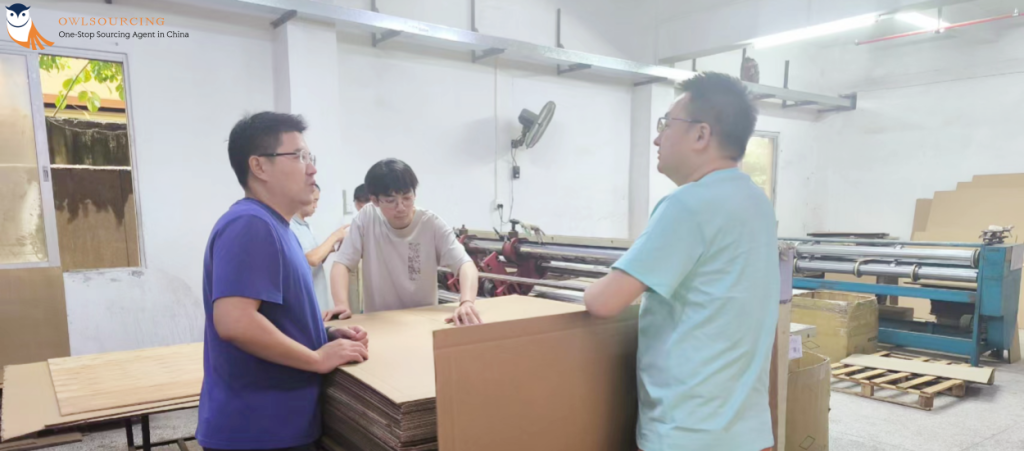
Now here’s where I push back on a common misconception. Trading companies are not the enemy. In fact, in many situations, they’re the smarter move.
Where they win:
- Lower MOQs (perfect for testing or scaling gradually)
- Better communication (most are built for international clients)
- Access to multiple product categories
- Easier coordination for Shipping From China
Think about this: If you’re sourcing different product types—say home décor, accessories, and packaging—do you really want to manage multiple factories across different regions?
That’s a full-time job. A good trading company simplifies that into one relationship. But—and this matters—you need to evaluate them properly.
Not all trading companies add value.
That’s why I always recommend understanding how to verify a Chinese supplier’s legitimacy before committing. Because the right trading partner acts like an extension of your business.
The wrong one? Just another layer of risk.
How to Spot the Difference (Without Guessing)
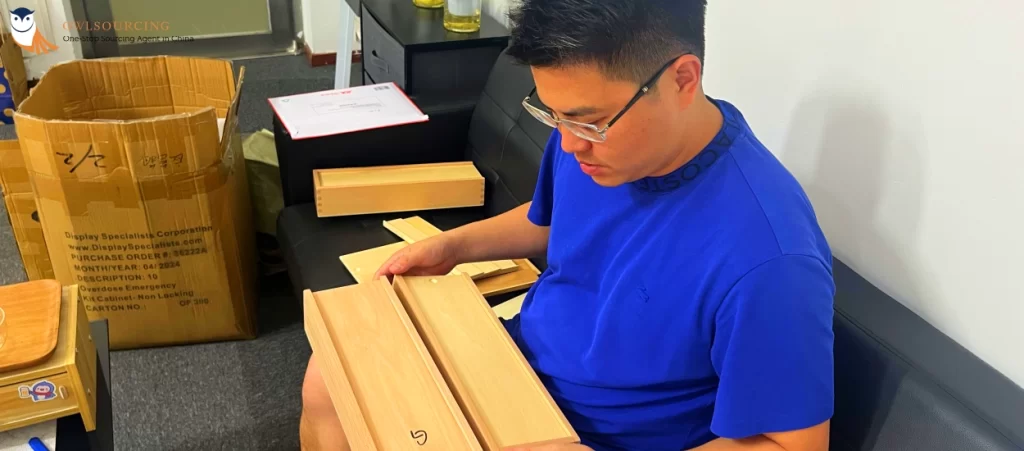
Here’s the part most importers skip—and regret later. Suppliers rarely tell you clearly what they are.
So you need to read the signals.
- Business licence → “生产 / 制造” = factory, “贸易” = trading
- Product range → too broad usually means trading
- Technical depth → factories go deeper; traders stay surface-level
- Pricing patterns → traders adjust more dynamically
Still unsure?
That’s exactly where a product inspection service in China or a sourcing partner earns their keep. Because once production starts, it’s already too late to “figure it out”.
So What’s the Smart Move?
Here’s how I usually break it down for clients:
- New or testing phase → trading company or sourcing partner
- Growing and stabilising → mix of both
- Scaling hard → direct manufacturers with strong oversight
The real advantage comes from flexibility. Not locking yourself into one model, but knowing when to use each. And honestly, the most successful importers I work with don’t try to manage this alone.
They built a system:
- Factories for cost efficiency
- Trading companies for flexibility
- A sourcing partner to control everything locally
That’s how you stay competitive without taking unnecessary risks.
Read More:
- Yiwu Products for Amazon FBA Sellers
- Best Chinese Manufacturers for Smart Home Products
- Red Flags in China Manufacturing That Indicate Quality Risks
- Top Cities for Sourcing & Manufacturing in China
Final Thought!
The biggest mistake I see? People are treating Trading Company vs Manufacturer in China like a one-time decision. It’s not. It’s a strategic setup. You’re building a supply chain—not placing a single order.
And the moment you start thinking that way, everything changes. You stop chasing the lowest price. You start building control, resilience, and speed into your process. And that’s where the real profit is hiding.