
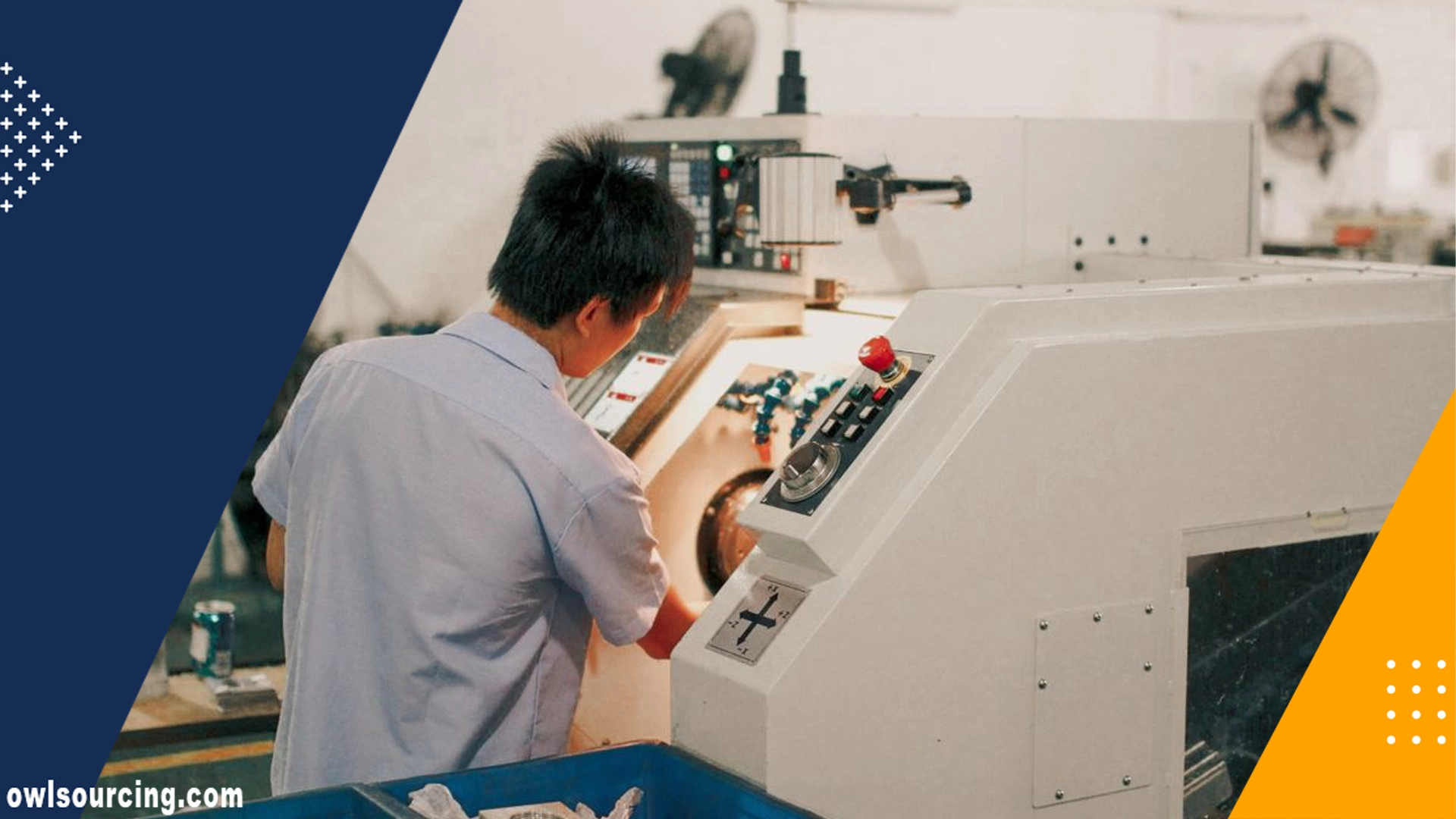

When I first started figuring out “How to Reduce Production Costs When Manufacturing in China”, I did what most people do—I chased the lowest quote like it was some kind of Olympic sport.
I still remember sitting in a factory office in Shenzhen, staring at a price sheet that was 18% cheaper than anything else I’d seen. I thought I’d cracked the code. A week later, the sample showed up… and let’s just say it looked like a distant cousin of what I ordered.
That was the moment it hit me: cutting costs in China isn’t about paying less—it’s about controlling what you’re paying for.
Once you understand that, everything changes.
Let’s get this straight first…
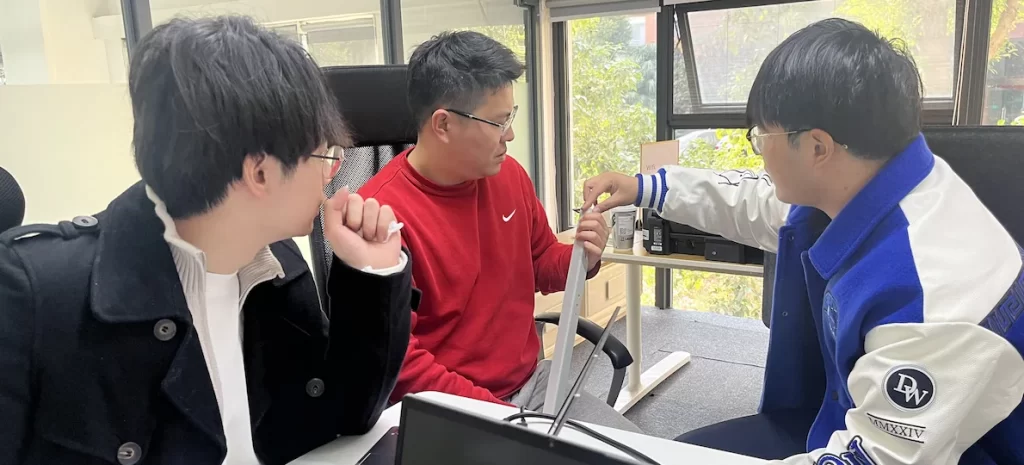
Reducing production costs in China is absolutely possible—but only if you approach it strategically, not aggressively.
Here’s the quick version:
- Work with a reliable sourcing company in China before negotiating anything
- Optimise product specs instead of blindly pushing for lower prices
- Build leverage without threatening suppliers
- Control quality early to avoid expensive rework
- Treat logistics and packaging as cost levers—not afterthoughts
Sounds simple, right? In reality, most people get at least three of these wrong.
Why a Local Partner Is Your Biggest Cost Advantage (Not Expense)
If there’s one lesson that took me years (and a few painful mistakes) to fully accept, it’s this:
The fastest way to reduce costs… is to stop trying to do everything yourself.
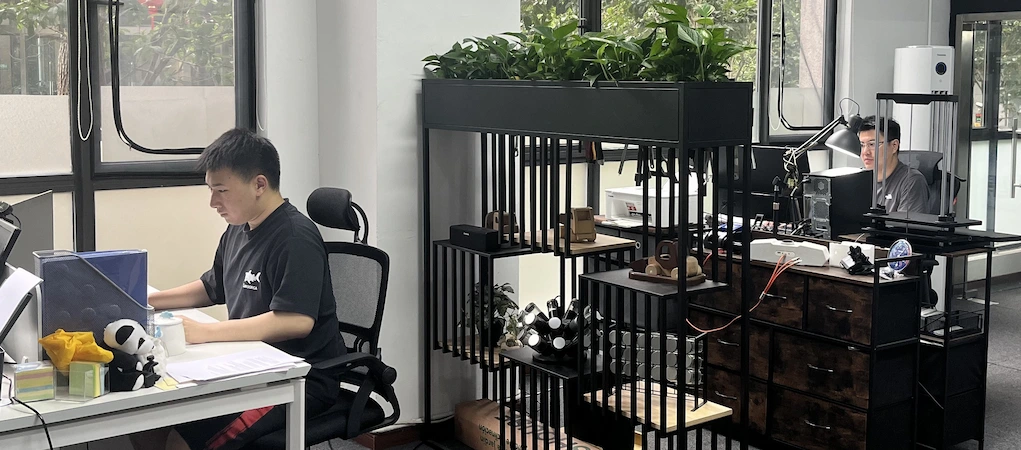
Working with a professional sourcing company in China or a China sourcing agent for OEM/ODM manufacturing is not an “extra cost”—it’s a cost-control system.
At OwlSourcing, for example, we’ve stepped into situations where a client was about to lose $80,000 over a production delay—something that got fixed in 48 hours simply because we had a team on the ground in Shanghai.
That’s the part people underestimate.
Factories behave very differently when someone local is watching.
- Problems get solved faster
- Miscommunication drops dramatically
- Suppliers take commitments more seriously
And when something goes wrong (because eventually, something will), having a local team means you’re not negotiating across time zones while your shipment sits idle.
Emotionally, this is the difference between feeling in control… and feeling like you’re reacting too late.
If you’re serious about reducing costs, start here. Everything else builds on it.
Lesson #1: The Cheapest Quote Is Usually the Most Expensive Decision
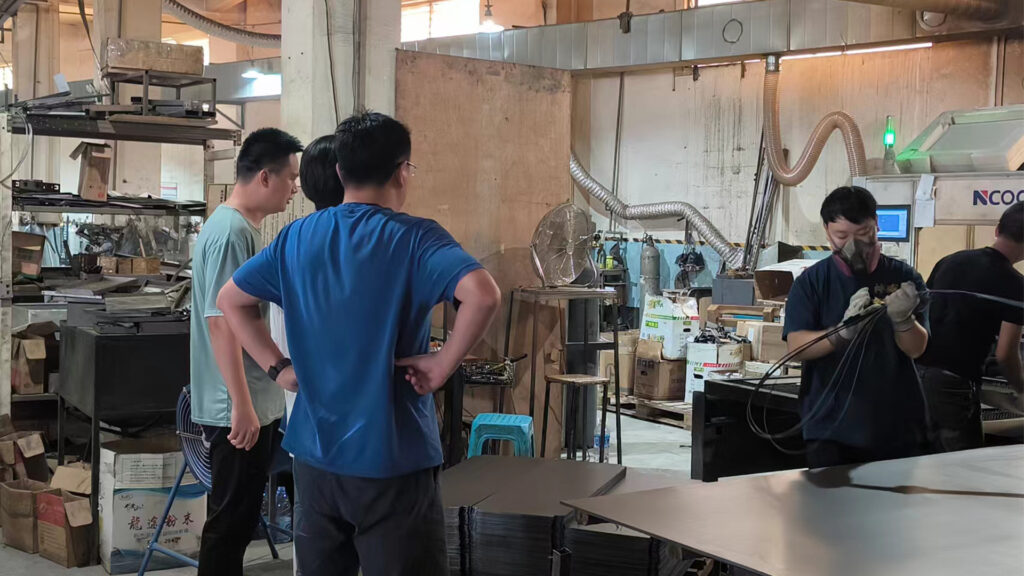
Early on, I believed price comparisons were enough. Then I learned the hard way.
A client once insisted on switching to a supplier offering a 22% lower price. On paper, it looked like a win.
Three months later:
- 12% of units failed inspection
- Packaging didn’t meet Amazon standards
- They paid twice for expedited Shipping From China
The “savings” disappeared—and then some.
This is why understanding the China manufacturing cost breakdown for importers matters. Price isn’t just production:
- Material grade
- Labor quality
- Process consistency
- Hidden overhead (tooling, rework, delays)
Good factories don’t just quote a number—they quote reliability.
And reliability is what protects your margins.
Lesson #2: Smart Negotiation Beats Aggressive Negotiation
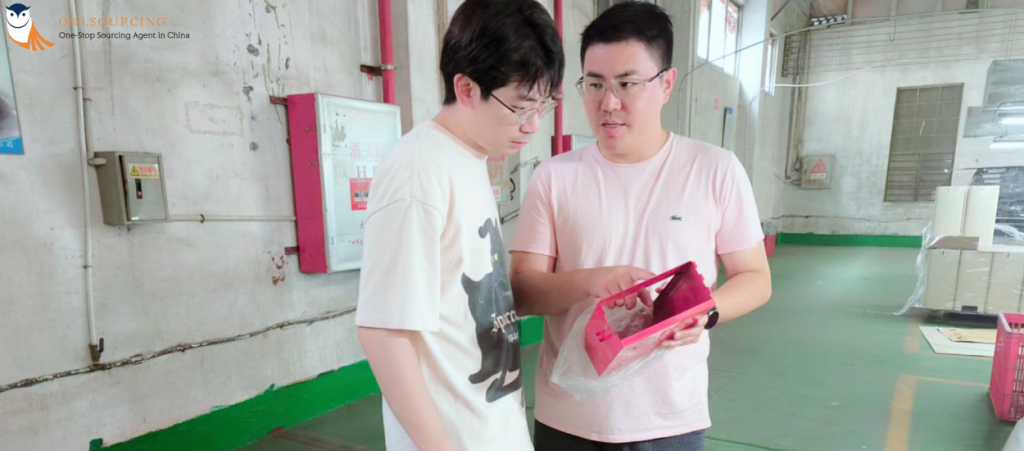
There’s a dangerous myth floating around: “Chinese factories are desperate—just push harder.”
I’ve seen how that plays out.
A buyer demanded a 15% price cut or threatened to move production to Vietnam. The factory agreed… and quietly downgraded materials to maintain their margins.
Six months later, returns spiked.
Here’s the reality: factories are under pressure—but they’re also cautious. Push too hard, and you trigger defensive behaviour.
The better approach?
- Ask for cost breakdowns
- Suggest volume commitments instead of ultimatums
- Reference market conditions without threats
And most importantly—never negotiate blindly.
If you don’t know “How Can You Verify Chinese Manufacturers?“, you’re negotiating in the dark.
The best negotiations feel collaborative, not confrontational. That’s where real savings happen.
Lesson #3: Quality Control Is a Cost Strategy (Not a Safety Net)
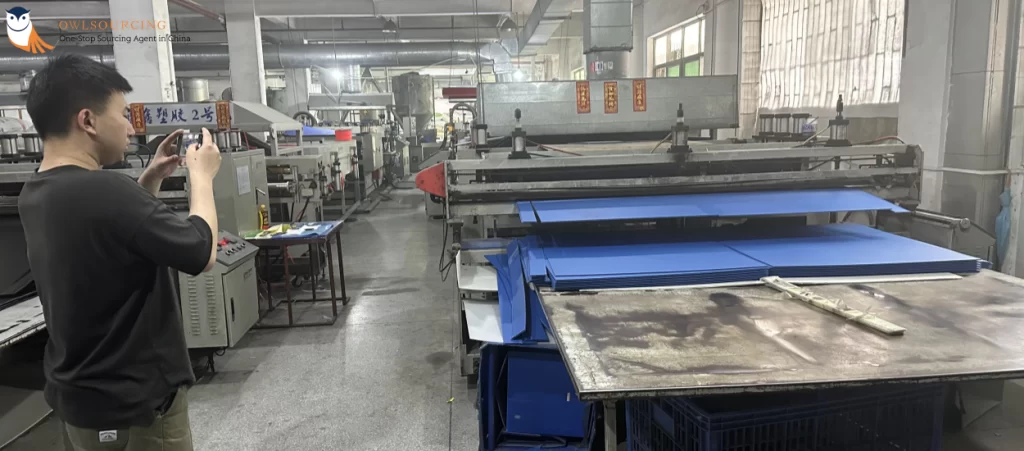
Let me say this clearly:
If you treat inspection as the final step, you’ve already lost money.
I learned this during a project involving custom home décor. Everything looked fine—until the final inspection revealed colour inconsistencies across 30% of the batch.
We had two choices:
- Rework the entire order (delay + cost)
- Ship and deal with returns (worse cost)
Neither was pretty.
That’s when I started treating “Product Inspection Service in China“ as a cost-reduction tool, not just quality assurance.
- Pre-production checks prevent wrong materials
- In-line inspections catch process drift
- Final inspections confirm consistency
This aligns directly with Why Quality Control is Important When Sourcing From China—because preventing a problem is always cheaper than fixing it.
And if you’re wondering, yes—how much an inspection costs in China is usually a fraction of what one bad shipment costs.
Case Study: How We Cut 17% Without Touching the Unit Price
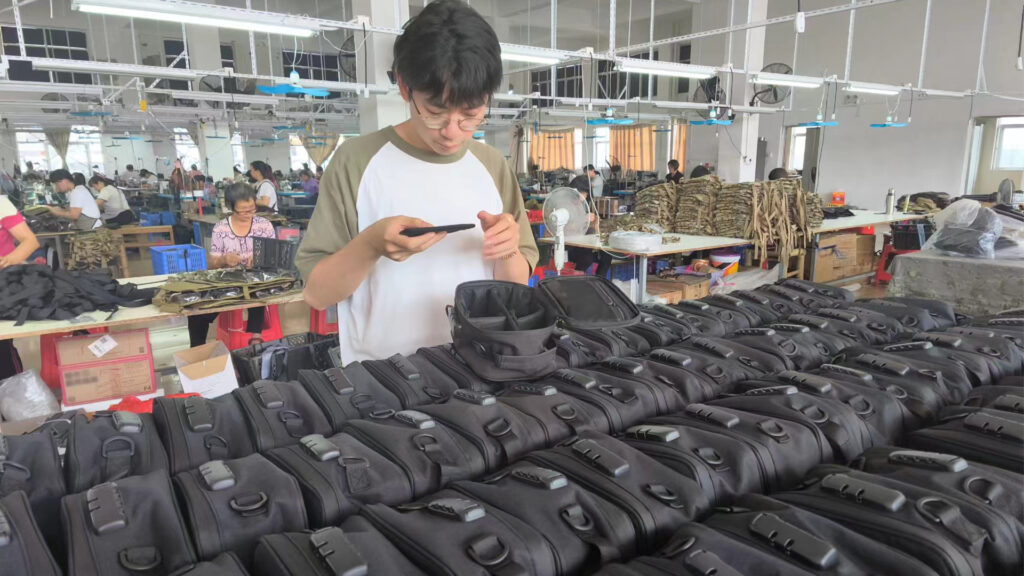
One of my favourite projects involved a U.S. brand sourcing decorative mirrors. They came to us asking for a lower unit price.
Instead, we looked deeper.
Here’s what we found:
- Packaging was oversized (wasting container space)
- Materials were slightly over-engineered
- Production batching was inefficient
We didn’t negotiate the price first.
We optimised:
- Redesigned packaging using China’s custom packaging solutions
- Adjusted material thickness within tolerance
- Consolidated shipments using China consolidation services
Result?
Total landed cost dropped by 17%—without touching the factory’s quoted price. That’s the difference between surface-level savings and strategic cost control.
Lesson #4: Supplier Selection Is Where Cost Reduction Actually Begins
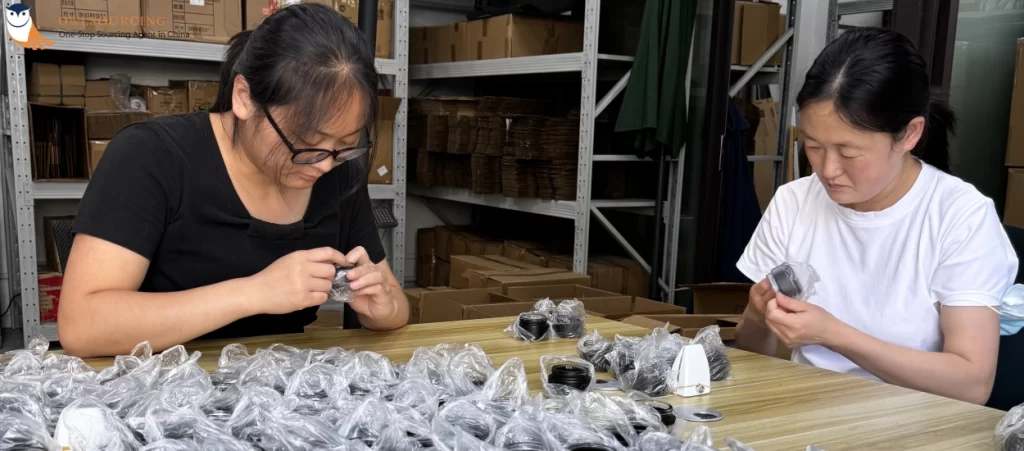
Most people ask: “How do I get a better price?” The better question is, “Did I choose the right factory in the first place?” Because if you didn’t, no negotiation will save you.
Understanding “How to Find Reliable Factories in China“ is foundational. And no—platform badges alone won’t cut it.
I’ve seen plenty of buyers rely on listings and ask, “Are Alibaba Verified Suppliers Trustworthy?”
Short answer: sometimes.
Long answer: verification is just a starting point—not proof of capability.
Real validation comes from:
- Factory audits
- Sample consistency
- Communication quality
- Production transparency
This is also where knowing “How to Verify a Chinese Supplier’s Legitimacy?“ becomes critical.
Choose right, and cost control becomes easier.
Choose wrong, and you’ll spend the next year firefighting.
So… what actually works?

After years in this industry, here’s the practical playbook I’d give anyone serious about how to reduce production costs when manufacturing in China:
- Start with the right local partner (this alone changes everything)
- Optimise product design before negotiating price
- Build relationships—not pressure tactics
- Invest early in quality control
- Treat logistics and packaging as cost drivers
- Always have a Plan B supplier (quietly, not aggressively)
None of this is flashy. But it works.
Read More:
- How to Negotiate with Chinese Suppliers?
- Best Ways to Reduce Shipping Costs on Alibaba
- How to Finding Reliable Party Supply Manufacturers in China
Final Thoughts
The conversation around “How to Reduce Production Costs When Manufacturing in China” has evolved.
It used to be about chasing the “China price”.
Now, it’s about building a system that protects your margins from hidden risks, inefficiencies, and preventable mistakes.
The companies that win today aren’t the ones paying the least.
They’re the ones who understand where costs actually come from—and control them before they show up on an invoice.
That’s the difference between buying cheap… and operating smart.