

Have you ever imagined how many positive impacts buying from China and selling on the Amazon platform will have on your business?
Today, everyone wants to sell his/her goods on Amazon. Are you considering this too? This article seeks to discuss the various benefits that companies around the globe can bring from importing products from China.
In this guide, you will learn how to import and sell products sourced from China on Amazon.
How to Find the Best Products to Sell on Amazon – Get it at a glance
This article will go through some actual solutions to common challenges a seller faces while sourcing products to sell on Amazon:
- Overwhelmed with how to find reliable suppliers?
- Afraid of inconsistent product quality and how that may hurt your brand?
- Concerned about high defect rates hurting your profit margins?
- Uncertain how to surmount communication barriers and build trust with overseas suppliers?
- Want to struggle less in finding a product with demand and good profit potential?
If any of these resonate with you, this guide will offer actionable steps and proven strategies that will drive you to success in sourcing the best products for your Amazon business. Read on to get rid of these pain points and unlock new opportunities!
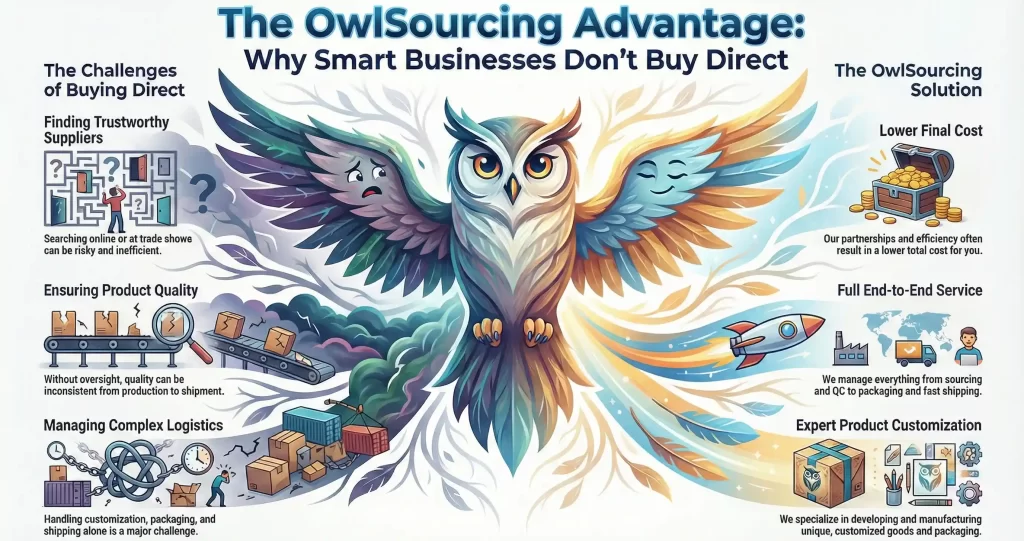
Owlsourcing provides professional sourcing and Amazon FBA services, helping you complete the entire process from sourcing in China to shipping to Amazon warehouses, ensuring the quality of your products and smooth transportation.
If you require information regarding more specific sourcing solutions in China or Hong Kong, please contact us.
How to Buy from China and Sell on Amazon?
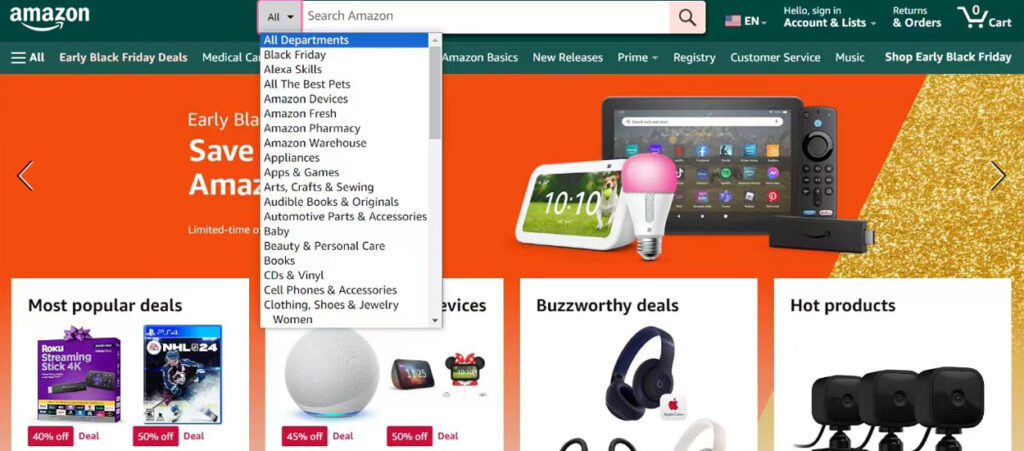
Step 1: Research and Analyse the Amazon Product Market
Before starting your business, analyse the products you need first. Of course, the current best method is to find top-selling products through Amazon. Utilising these selling products can bring you high profits.
We have provided some suggestions for your reference:
- Use tools like Google Trends, Amazon’s Best Sellers, and other market analytics tools to identify trends and popular products.
- Look at similar products on Amazon, noting their pricing, customer reviews, and rankings. This helps in understanding what works and what doesn’t.
- Choose products that have a good balance of demand and competition. Avoid oversaturated markets.
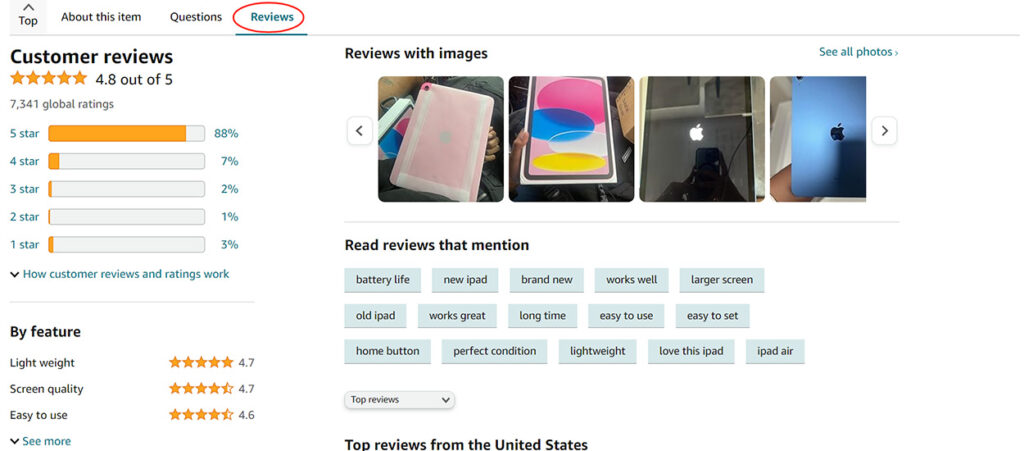
Note: Please pay attention to customer reviews under each product detail, as these come from real users, and their feedback will be your best reference.
Tip: You can access Amazon’s requirements for the product by using this link: Amazon Seller Central
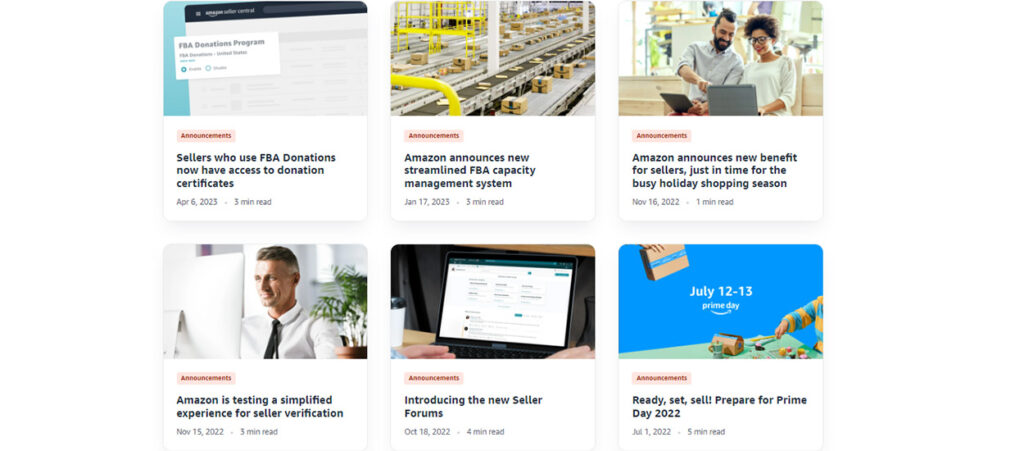
Educate yourself on Amazon’s policy so as not to break the rules, and make sure that all requirements are met regarding custom packaging, labelling, and product quality. Make sure the products you get meet these requirements.
Step 2: Finding Reliable Suppliers in China
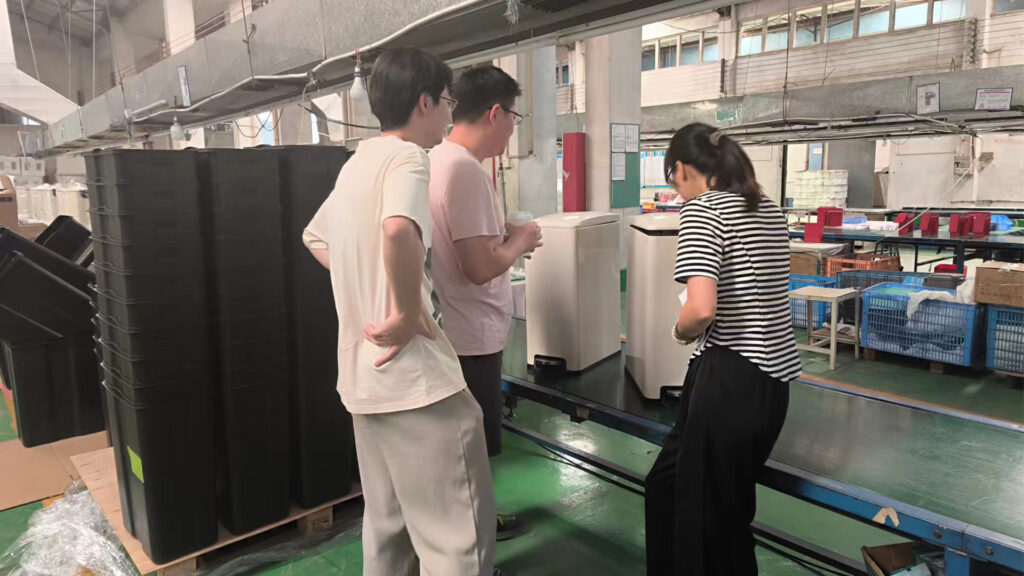
Contact several suppliers to discuss their price offers as well as product quality, delivery methods, and extra services provided by the selected company. It’s advised to request product samples before ordering a larger stock to check the quality of the product.
There are many ways to find a manufacturer in China. Listed below are the methods we have listed to find them through the following approaches.
- Online Marketplaces: Some of the Chinese B2B wholesale websites that can be used to obtain suppliers are Alibaba and alternative Chinese wholesale platforms such as DHgate, Made-in-China, and Global Sources. They should offer verified suppliers.
- Trade Shows: Some of the most effective methods of identifying suppliers are a firsthand encounter through trade shows. For instance, the Canton Fair is probably the largest in China aimed at foreign purchasers. Check on the supplier’s credibility and the legitimacy of their business before using their services.
- China sourcing agent: A China sourcing agent is required if you need to find a manufacturer, but sometimes you are not sure how you can achieve this while being sure that you will find the right one. They will assist you in sourcing from manufacturers in China and will provide you with more comprehensive services.
- Contact Manufacturers Directly: Sometimes, it is helpful to call manufacturers directly and ask them for their wholesale distributors. This approach could also result in an opportunity to provide a wider assortment of goods and services.
How to Find Reliable Suppliers on Online Chinese Marketplaces?
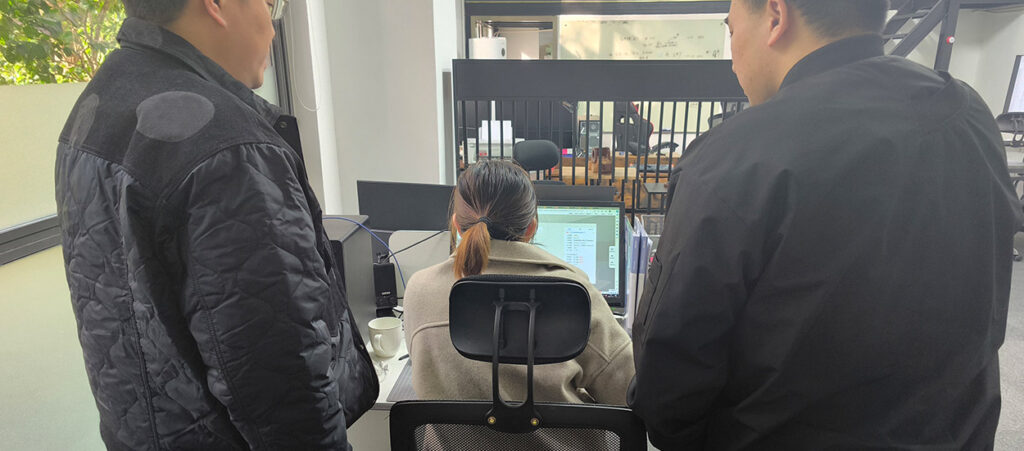
Online B2B platforms can also be helpful when it comes to discovering a variety of goods, where to buy them and at what cost.
a) Alibaba:
- Best for sourcing bulk products directly from manufacturers at competitive prices.
- Tips: Use Alibaba for private-label products. Negotiate for better prices and terms, especially for larger orders. Ensure to verify the credibility of the suppliers. When looking for budget-friendly products with lower minimum order quantities (MOQs), platforms such as DHgate or 1688 are excellent alternatives.
- Pro Tip: Before placing any order, take the time to read customer reviews and request samples to ensure the product quality meets your standards.
b) AliExpress:
- Best for buying smaller quantities of products, ideal for testing the market.
- Tips: Use AliExpress for dropshipping or to order samples before committing to larger orders. The platform offers a wide variety of products.
c) eBay:
- Best for Retail arbitrage, buying unique or discounted items in smaller quantities.
- Tips: Look for clearance items, auctions, or bulk deals to resell on Amazon. eBay is also good for finding suppliers that offer free shipping.
d) DHgate:
- Similar to Alibaba and AliExpress, best for sourcing, both products are available in small and large amounts.
- Tips: Make sure you are providing a working shipping rate in comparison to other platforms. DHgate is also good for dropshipping.
Comparison of Online Sourcing Platforms in China
Choosing the right platform to source products is crucial. Here’s a quick comparison of major platforms to help you decide:
| Platform | Best For | MOQ (Minimum Order Quantity) | Shipping Time | Key Tips |
|---|---|---|---|---|
| Alibaba | Bulk sourcing for private labels | High | Long | Verify suppliers; negotiate terms. |
| AliExpress | Testing new products or dropshipping | Low | Medium | Great for smaller quantities. |
| DHgate | Small-scale and bulk sourcing | Medium | Medium | Check competitive shipping rates. |
| eBay | Unique or discounted items | Low | Short | Look for auctions and bulk deals. |
After finding a Chinese manufacturer you can cooperate with, don’t forget to contact other Chinese manufacturers. Establishing a good communication relationship with them is helpful for your next purchase.
Step 3: Negotiating with Chinese Manufacturers
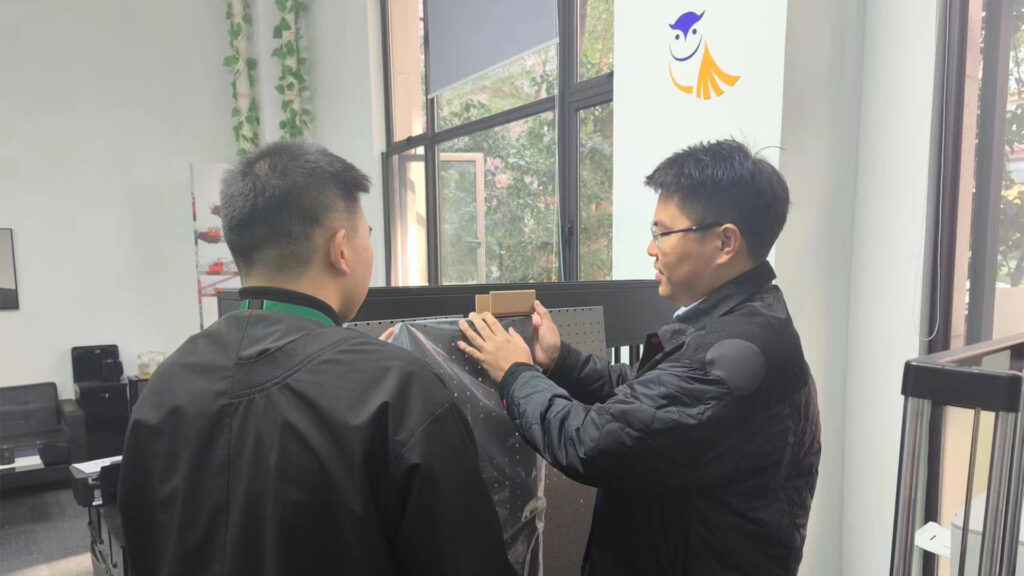
For it make sure to discuss topics like pricing, MOQs, payment terms, and delivery times that you are willing to accept. However, before negotiating with them, please pay attention to the following elements:
- Understand the Cultural Context: For instance, assertiveness as confrontation or an intimidating approach to negotiation can be considered improper. Hospitality is key when it comes to negotiations; it is good to be polite, patient, and respectful throughout the process.
- Clear Communication: Stay clear on your needs, expectations, and the quality that you are willing to settle for. Minimise the use of ambiguity because it results in the misunderstanding of one or several parties. If, for some reason, the two of you cannot understand each other, then it would be best to hire an independent interpreter.
- Decision-Making Process: Note that Chinese companies’ decision-making process can involve a lot of people and, therefore, move up the hierarchical structure slowly. Patience is key.
- Contractual Agreements: After an agreement has been made, a legal contract must be written to cover the remaining details of the agreement. However, remarkable differences in Chinese business culture dictate that a contract is not an obligatory, finished document that cannot be changed in the future.
- Seek Local Advice: Maybe it is worth turning to a person who has experience in the Chinese market. They can offer helpful information about current trends within the business sphere, as well as about the approaches to negotiations in a particular country.
I recommend checking out my article on Negotiating with Chinese Suppliers for deeper insights into effective negotiation strategies when working with suppliers & Manufacturers in China.
Step 4: Buying Product Samples from Chinese Suppliers
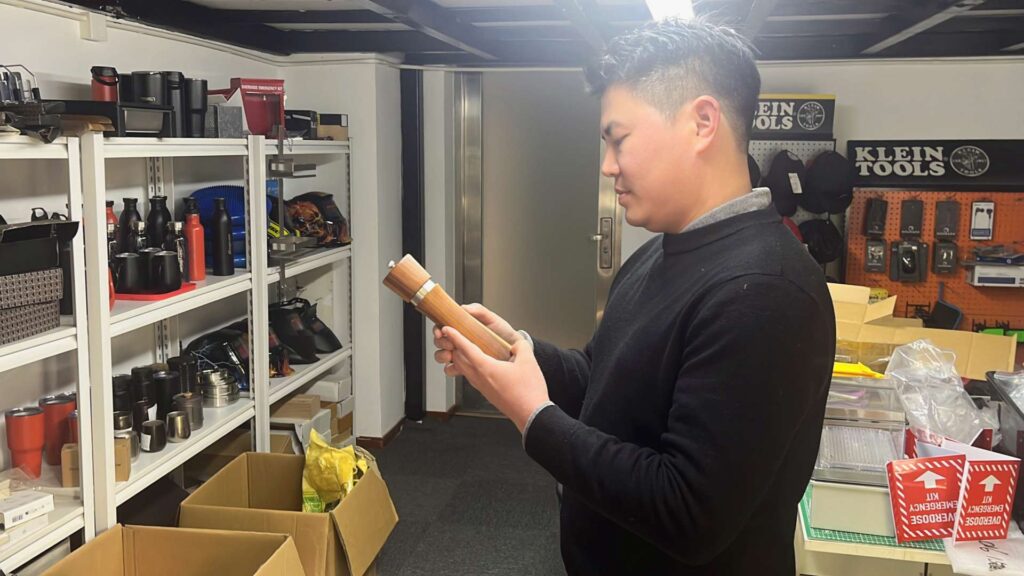
Before committing to a large order, it’s recommended to buy product samples from China. This allows you to assess the quality, functionality, and overall satisfaction of the products you intend to sell.
Here’s a guide on how to go about buying product samples from Chinese suppliers:
- Identify Potential Suppliers
- Request Detailed Information
- Negotiate Sample Terms
- Evaluate Samples Thoroughly
- Provide Feedback
- Discuss Customisation and MOQs
- Plan for Logistics
- Build a Relationship
Note: Remember, do not overlook the relationship with these Chinese suppliers.
Step 5: Choosing the Right Shipping Method
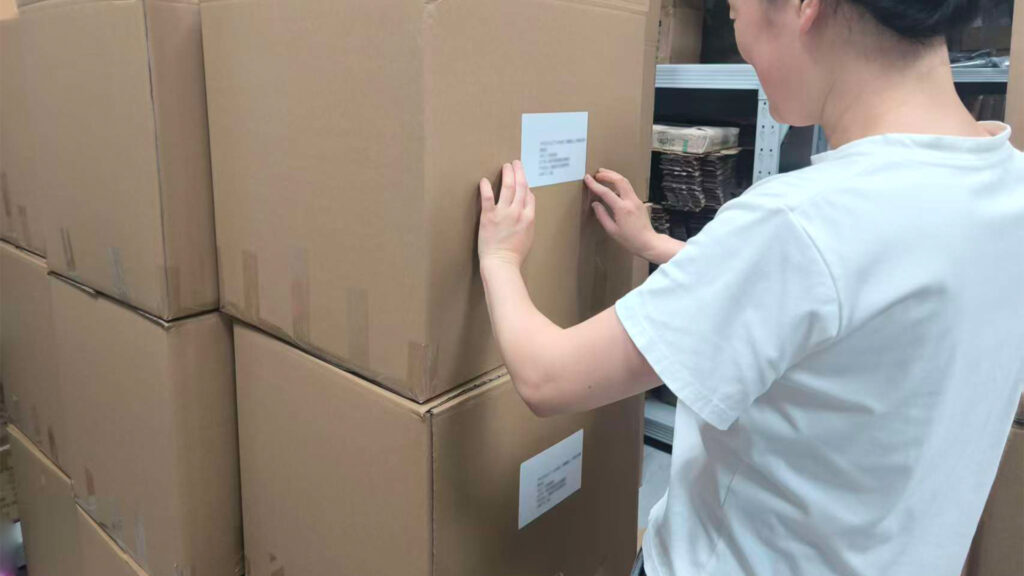
Selecting the correct mode of shipping is very important to have timely deliveries at the least cost possible. Decide on the mode of transport for the shipment: air freight, sea freight, or express delivery services concerning the size of shipment, time, and cost.
| Sea Freight VS Air Freight VS Express Delivery | Sea Freight | Air Freight | Express Delivery |
| Speed | Slowest | Fast | Fastest (3-5 days) |
| Cost | Lowest | Higher than sea freight | Highest |
| Suitability for Large Volumes | Best suited for large volumes | Suited for smaller volumes | Not suited for large volumes |
| Reliability | High (subject to weather conditions) | High | Very High |
| Geographic Reach | Extensive (major global ports) | Extensive (major airports) | Extensive (global coverage) |
| Customs and Clearance | Complex, often requires a customs broker | Simpler than the sea, but still requires clearance | Mostly handled by the courier service |
| Environmental Impact | Moderate (lower than air freight) | High | High |
Ensure Your Amazon Products Meet Standards
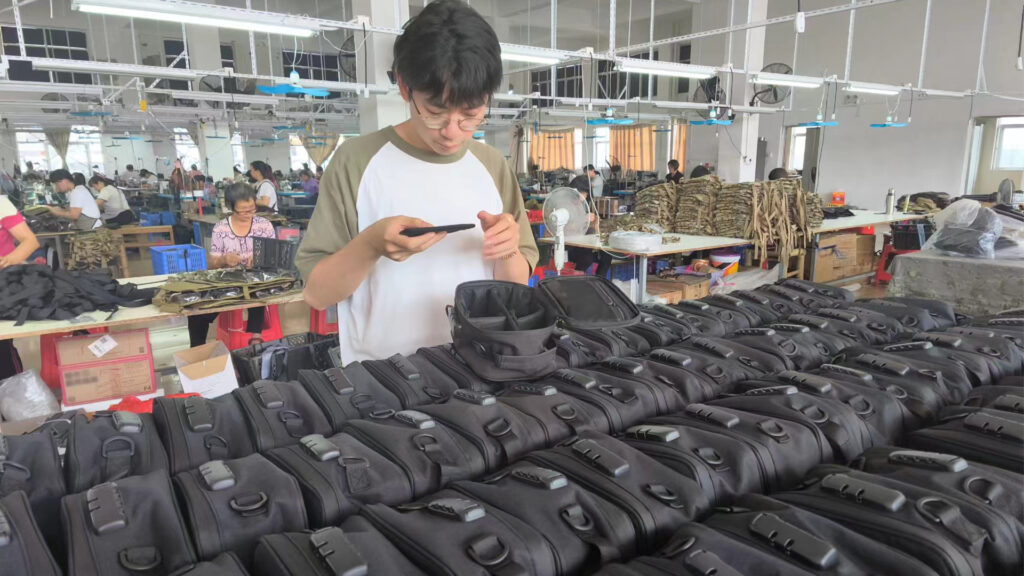
These steps will lead you with confidence through sourcing, compliance, and selling on Amazon.
- Outsource a Quality Control Specialist: Partner with a third-party inspection company to ensure your products meet Amazon’s rigorous standards and protect your brand reputation.
- Use a Request for Quotation: An RFQ will make the process of communicating with suppliers easier. State your requirements clearly to find reliable partners that meet your needs.
- Complete Amazon’s Verification Process: Go through Amazon’s verification process and provide the necessary identity to set up your account and gain the trust of the platform.
- Address Legal and Brand Considerations: Keep yourself compliant by checking brand agreements, intellectual property rights, and regional laws.
How to Set up your Amazon Seller Account?
Setting up an Amazon seller account is relatively straightforward:
- Visit sellercentral.amazon.com and create an account.
- Choose between an Individual or Professional selling plan.
- The detailed registration procedures must be accomplished here, such as an identification check and input of the bank account details.
First of all, let me explain to you that to start selling things on Amazon, you need to create an account on Amazon as a seller. Allow me to take you through the principal steps to achieving this goal.
Select the Correct Business Strategy
The designation of the main business model is the primary and most important decision when creating a seller account. The right model depends on the type of product, the size of your stock, and your business objectives in general.
Amazon offers several business models to choose from:
Private Label: Most suitable for people who intend to market products with their logos or who wish to repurpose products they have sourced from manufacturers. There is great brand visibility here, and the manufacturer enjoys a tight rein on the product quality. For more details, please refer to “How to Find Chinese Private Label Manufacturers for Amazon FBA.“
Online/Retail Arbitrage: This means getting some products at a lower price from physical stores and then selling them at a higher price on Amazon. It can be a sure way of converting popular products into profits; however, it means a constant supply of products from the offline market.
Wholesale: Merchants purchase large quantities of products cheaply and make individual sales on the online marketplace, such as Amazon, in this case. Ideally advisable for people who wish to trade in bulk; however, there is an inherent risk in carrying stock, especially if the products do not move off the shelves.
Dropshipping: A model in which the actual stock of products is not being stored by the sellers, and orders are being directly met from third-party warehouses. On Amazon, you merely promote the products, and whenever a client orders them, the supplier delivers them to them. This model has less initial cost but can be very risky if the product quality does not match or delivery of products is slow.
Handmade: According to this model, independent sellers with unique hand-crafted items are well-positioned. Self-employed artists can use it to display their products and make sales. As this can develop a strong market, at the same time, the time consumed in making a product and expanding it may act as disadvantages.
Fulfilment Options: What are FBA and FBM?
Fulfilment by Amazon (FBA) and Fulfilment by Merchant (FBM) are the two primary fulfilment methods offered by Amazon.
- Fulfilment by Amazon (FBA): Basically, FBA is a method through which Amazon is responsible for the storage of inventory and packing of merchandise, shipping, and customer relations.
- Fulfilment by Merchant (FBM): With FBM, you should handle the entire fulfilment process, including storing inventory and shipping orders directly to customers.
How to Choose Between FBA and FBM?
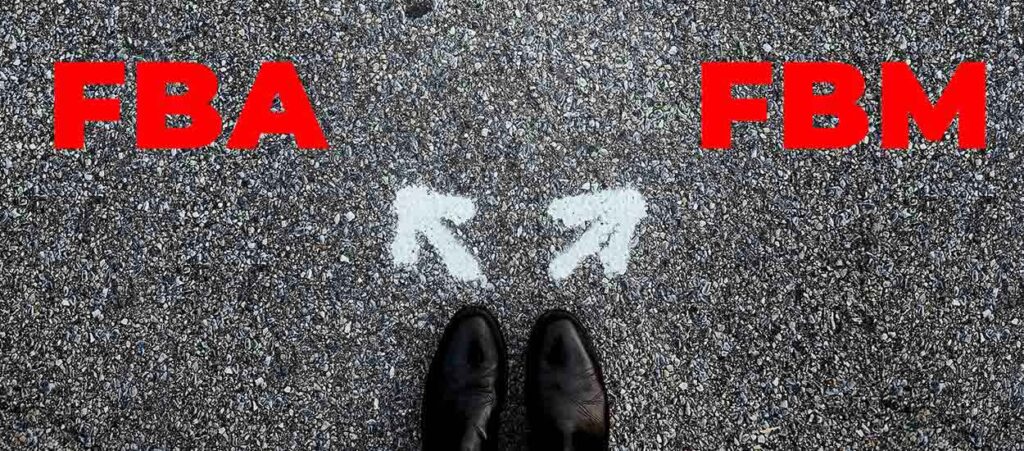
The choice between FBA and FBM depends on various factors such as product size, sales volume, cost considerations, and personal preferences. Consider the following when making your decision:
- Evaluate the fee structure for both options.
- Assess your capacity to manage inventory and fulfil orders independently.
- Analyse the potential impact of Amazon Prime eligibility on sales.
| FBA VS FBM | FBA (Fulfilment by Amazon) | FBM (Fulfilment by Merchant) |
| Fulfillment Process | Handled by Amazon | Handled by the seller or a third-party logistics provider |
| Storage and Shipping | Stored in Amazon’s warehouses; Amazon handles packing and shipping | Stored at the seller’s location or a third-party warehouse; the Seller handles packing and shipping |
| Customer Service and Returns | Managed by Amazon, including customer service and returns | Managed by the seller, including customer service and returns |
| Control Over Inventory | Limited control, as inventory is stored at Amazon’s warehouses | Full control over inventory management |
| Shipping Costs | Fees for storage and fulfilment by Amazon | The seller is responsible for all shipping costs |
| Complexity | Simpler in terms of logistics, but requires an understanding of Amazon’s system | More complex in terms of logistics, but offers more control |
Compliance & Certification Requirements for Amazon
Ensuring products meet compliance standards can prevent costly delays:
- Product Certifications: The CE, RoHS, and FDA certifications are important depending on this product category.
- Customs & Import Regulations: Become aware of procedures, such as customs, invoices, packing lists, and certificates of origin.
How to Send Products to Amazon FBA Warehouses
The next logical step after buying products in China is to ship them to Amazon’s fulfilment centres. Here’s how to do it:
1. Prepare a Shipping Plan
Ensure that your products on Amazon comply with the company’s standards. Design a shipping schedule that states the number of units, UPC Codes, weight, dimensions, and who will package the items (you or the supplier).
- Units per case: Must contain no more than 150 pieces per case, and note “Team Lift” if a box weighs more than fifty pounds.
- UPC Codes: It is mandatory for the new products that the company wants to launch on Amazon.
2. Create Shipping Labels
Open your Amazon Seller Central account, go to the “Inventory” tab and click on it. Navigate your dropshipping store and pick the products you want to send or replenish.
Write your supplier’s address if you order products directly from China and design the labels for shipment.
All boxes should descriptively state the weight and dimensions of the products along with the corresponding box number.
3. The Inventory Placement Service is needed on Amazon
Amazon’s inventory placement service permits you to stock your products at one of the committed fulfilment centres, not at any of the different centres one by one.
Products will be redistributed by the company as required by the market, pending another tender offer.
It is cheaper for big consignments than other modes of transport, and there are no risks of conveying the wrong consignments. Amazon charges $0.30 for all those standard-size items and $1.30 for all the oversized items.
After getting registered for an Amazon seller account and knowing how products reach Amazon FBA, you are all set to import Chinese products and start selling on Amazon!
It is also important to ensure that distance is not breached with Amazon’s rules of conduct to avoid mayhem on business operations.
Read More:
- Source Products from Yiwu to Sell on Amazon
- Buy from China and Sell on Amazon
- Amazon FBA Sourcing Agent in China: Ultimate Guide
- Best-Selling Amazon Products You Can Import From China
Final Thoughts!
Buying from China and selling on Amazon is a great opportunity for your business, but there are still many considerations in this process. Of course, you can contact us at Owlsourcing—a professional Chinese procurement agency.
We will help you solve any problems you encounter during the procurement process or when you are about to start.
If you have any questions and would like to consult, please email us at [email protected], and we will provide you with answers.
2 thoughts on “How to Buy from China & Sell on Amazon (2026 Guide)”
What are the potential legal risks involved in importing products from China and rebranding them with my own logo for resale, and how can I ensure that I am not infringing on any intellectual property rights or violating any import regulations?
Hello Lois,
The potential legal risks include infringing on intellectual property rights, violating trademark laws, and not complying with import regulations.
To mitigate these risks, conduct thorough research on intellectual property laws, ensure compliance with both Chinese and your country’s import regulations, and seek legal advice before proceeding.