

Short answer: The Chinese-made products that keep selling on Amazon in 2026 come from a familiar set of categories: electronics and accessories, apparel, beauty and personal care, home and kitchen, toys, sports and outdoor gear, computer accessories, tools, and fitness gear. What has changed is the math behind them. US tariffs on Chinese goods were reset in 2026, the $800 de minimis exemption is gone, and Amazon’s FBA fees went up again. A product that “sells” is only worth importing if it still sells at a margin after all of that.
This guide covers the categories, the current tariff and fee picture (as of October 2026, with links to the official sources), and how we think about product examples when brands ask us what to source. OwlSourcing has been sourcing from China since 2016, and our founder has 20 years of industry experience.
Looking for where to buy, not just what to sell? Read Where to Buy Products to Sell on Amazon?
Last updated: October 2026. Tariff rules can change quickly. Confirm your HTS code and current rates with a licensed customs broker before you place an order.

Best-Selling Amazon Products from China (2026 Update) – At a Glance
| Category | Popular products | 2026 cost watch-out |
|---|---|---|
| Electronics & Tech Accessories | Wireless earbuds, MagSafe-style phone cases, USB-C fast chargers, cables | Lithium-ion batteries (non-EV) from China moved to a 25% Section 301 rate in 2026. Radio and charging products need FCC equipment authorization. |
| Computers & Accessories | USB-C hubs, laptop stands, keyboards | Check which Section 301 list your HTS code falls under. |
| Apparel | Activewear sets, custom T-shirts, performance fabrics | Amazon’s clothing referral fee depends on price (5%, 10% or 17%). Fiber-content and country-of-origin labels are required. |
| Home & Kitchen | Silicone baking tools, stackable food containers, organizers, knife sets | Steel or aluminum content can trigger Section 232 duties on the metal content. |
| Beauty & Personal Care | Facial cleansing devices, gua sha tools, makeup bags | FDA cosmetics rules apply to formulas. Accessories are simpler. |
| Toys & Games | Building bricks, wooden toys, craft kits | Children’s products need third-party testing to ASTM F963-23 and a Children’s Product Certificate. |
| Sports, Outdoor & Fitness | Insulated tumblers, resistance bands, massage guns, compact gym gear | Insulated stainless tumblers: check for Section 232 steel content. Massage guns: battery rules. |
| Tools & Home Improvement | Under-cabinet motion lights, hand-tool sets | Many tools contain steel, so check Section 232. |
| Pet Products | Personalized collars, orthopedic beds, smart feeders | Smart feeders carry batteries and radio, so FCC and battery rules apply. |
| Smart Home & LED Lighting | Smart plugs, LED strip lights, motion-sensor lights | Buyers expect UL or ETL listing. FCC rules apply to anything wireless. |
What Changed in 2026: US Tariffs on Goods from China
If you last checked your landed cost in 2025, it’s out of date. Here’s where US tariffs on Chinese goods stand as of October 2026:
- The IEEPA tariffs are gone. On February 20, 2026, the Supreme Court ruled that IEEPA does not authorize tariffs. That ended the “fentanyl” and “reciprocal” duties that had stacked on Chinese goods through 2025 (USTR statement). Refunds of duties already paid are a separate process, so talk to your customs broker.
- A temporary 10% global surcharge under Section 122 ran from February 24 to July 24, 2026, then expired. A new Section 301 action replaced it (USTR, July 2026).
- A new 12.5% Section 301 tariff applies to most products of China entered on or after July 24, 2026. It is charged on top of the older Section 301 duties, not instead of them (Federal Register, 91 FR 47318). Goods covered by Section 232 tariffs are excluded, along with some other listed products (USTR fact sheet).
- The original Section 301 tariffs from 2018–2020 still apply. They range from 7.5% to 25% for most consumer goods, and up to 100% for a few strategic products. Lithium-ion batteries for uses other than electric vehicles moved up to 25% in 2026 (USTR notice, September 2024).
- Section 232 tariffs apply by material or product, not by country. Steel and aluminum content pays 50% (Proclamation, June 2025). Drones got their own Section 232 tariffs in 2026 (White House fact sheet).
- De minimis is suspended indefinitely. Shipments worth $800 or less no longer enter the US duty-free, from any country. They need a formal or informal entry and pay the duties that apply (CBP rule, June 2026).
What this means in practice: a typical Chinese-made consumer product now pays its normal (MFN) duty, plus its legacy Section 301 rate (often 7.5% or 25%), plus 12.5%, unless an exemption applies. Products with steel or aluminum content are handled differently. The only reliable answer for a specific product is its 10-digit HTS code. We check it with the client’s customs broker before we finalize a supplier quote.
Tariffs can still change. USTR has another Section 301 investigation of China open (USTR), so leave some margin buffer on products you plan to reorder through 2027.
Amazon Fees in 2026: What Sellers Pay Now
- Selling plan: Professional is $39.99/month, and Individual is $0.99 per item sold (Amazon pricing).
- Referral fees: set by category, usually 15% with a $0.30 minimum per item. Some categories use price bands. Clothing, for example, is 5%, 10% or 17% depending on the item’s price (Amazon pricing).
- FBA fulfillment fees: up an average of $0.08 per unit from January 15, 2026 (Amazon announcement).
- Fuel and logistics surcharge: 3.5% on US FBA fulfillment fees since April 17, 2026 (Amazon announcement).
- Holiday peak fees: from October 15, 2026 to January 14, 2027. The increase averages $0.32 per unit, and the 3.5% surcharge applies on top (Amazon announcement).
- No more Amazon prep: Amazon stopped offering FBA prep and item labeling in the US on January 1, 2026, so inventory has to arrive prepped and labeled (Amazon). That work now happens at the factory or with a prep partner. See our FBA prep in China guide.
Why this matters for product selection: small, light, non-fragile products in the $15 to $50 range still give you the most room. Fees and freight barely move, and the tariff hit is a smaller share of the retail price. Heavy, bulky or battery-powered items need a full landed-cost check before you commit.
How to Find New Product Ideas for Selling on Amazon in 2026
Start with Amazon’s own Best Sellers and Movers & Shakers lists (see Amazon’s guide to products to sell), then check demand against search trends and reviews. A rising Best Sellers rank is a signal, not proof. Before you order samples, run every idea through three filters:
- Landed cost: factory price + freight + MFN duty + Section 301 + any Section 232, then FBA, referral and storage fees.
- Compliance: batteries, wireless, children’s products, food contact and cosmetics all add testing time and cost.
- Defensibility: can you improve the product (materials, packaging, bundle) so you aren’t competing on price alone?
High-Demand Amazon Best-Selling Products to Consider in 2026
These product types show up again and again across Amazon’s Best Sellers categories:
- Electronics – smart surge protectors with USB-C ports
- Clothing, Shoes & Jewelry – breathable running shoes
- Beauty & Personal Care – hydrocolloid acne patches
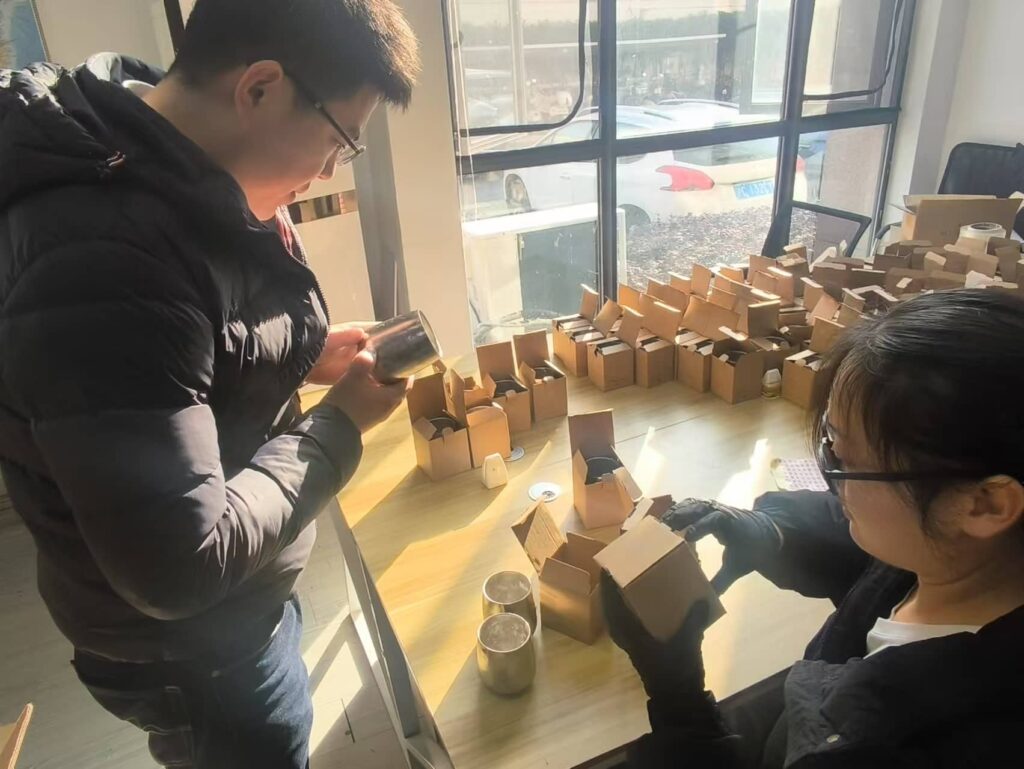
- Home & Kitchen – insulated stainless steel tumblers
- Toys & Games – kids’ LCD writing tablets
- Sports & Outdoors – reusable gel ice packs
- Pet Supplies – odor-control cat litter accessories
- Cell Phones & Accessories – tempered glass screen protectors
- Computers & Accessories – USB-C fast-charging power adapters
- Video Games – noise-canceling gaming headsets
- Musical Instruments – wireless lavalier microphones for content creators
- Tools & Home Improvement – motion-sensor under-cabinet lights
- Arts, Crafts & Sewing – multi-pocket pencil cases
What Makes a Product Fit Amazon FBA
Most of the products in this guide share these traits:
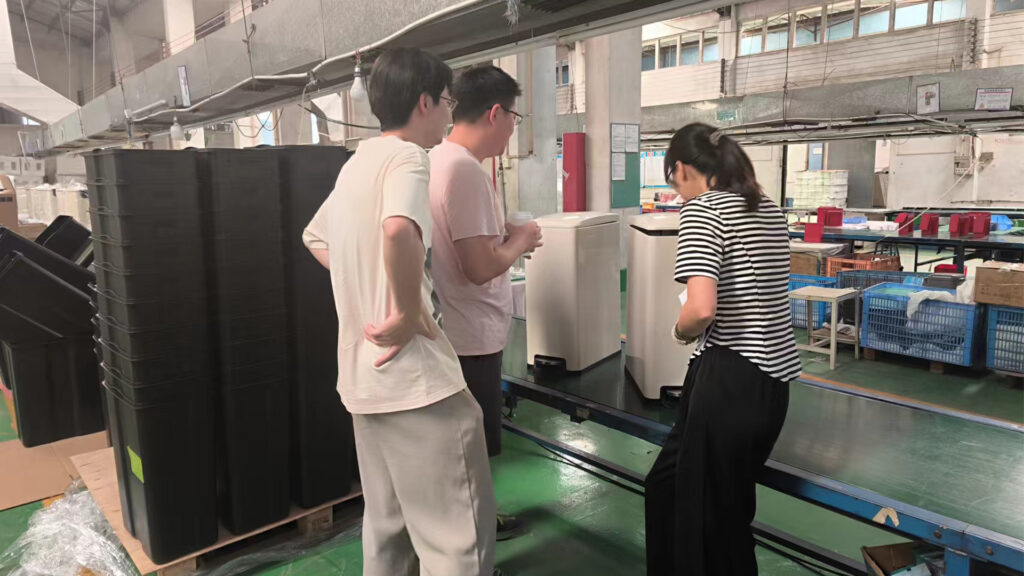
- Light in weight and compact (lower freight and FBA fees)
- A retail price that leaves room for 2026 tariffs and fees
- Durable enough to survive FBA handling
- Easy to customize or private label
- Moderate MOQs, so you can test before scaling (MOQ: minimum order quantity)
- Simple compliance, or compliance you can document
Best-Selling Amazon Products: Electronics and Camera Accessories
Video content still drives a lot of demand for creator tools, which is why this category comes first.
A) Camera Tripod Stands
Lightweight aluminum or plastic tripods are a steady seller. In 2026, aluminum legs mean the product may face Section 232 duty on the aluminum content, so ask your broker before you compare factory quotes.
B) Phone Tripods and Selfie Ring Lights
Phone-first creators keep demand steady. Ring lights with built-in batteries pick up the battery tariff and shipping rules. USB-powered versions are simpler.
C) Wireless Earbuds and Bluetooth Speakers
Shenzhen is still the center of this supply chain. These products need FCC equipment authorization and contain lithium batteries, so budget for testing. Only work with factories that can show test reports for the exact model you’re buying.
Amazon’s Highest-Selling Products: Toys and Games
A) Building Block Bricks
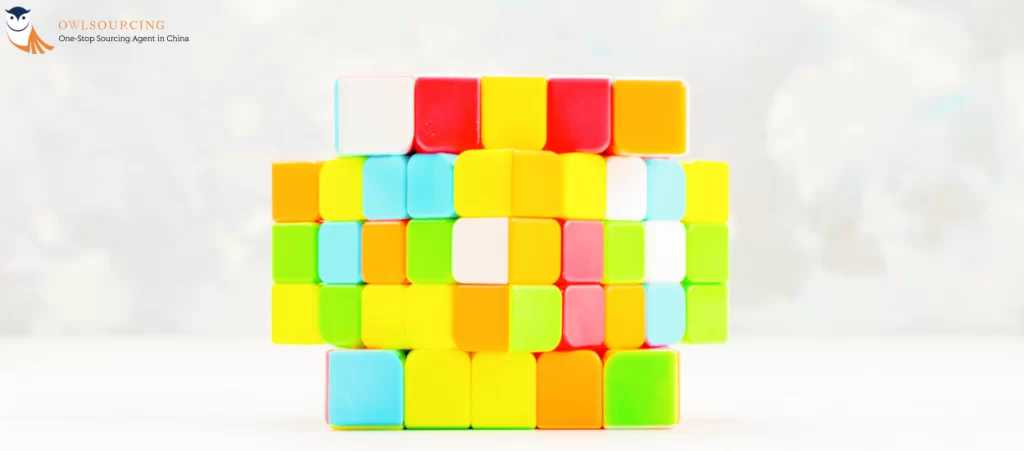
Shantou in Guangdong is China’s toy hub. Many online “manufacturers” there are really traders, so a factory audit pays for itself. To learn more, read how to import toys from China.
B) Wooden Toys
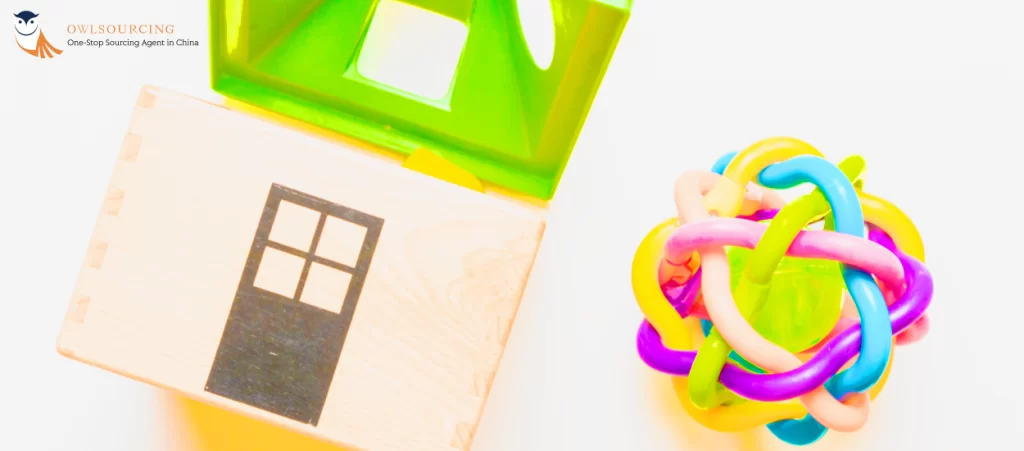
Yunhe in Zhejiang is the wooden-toy cluster. In the US, children’s toys need third-party lab testing to ASTM F963-23, the mandatory toy standard since April 2024 (CPSC rule). They also need a Children’s Product Certificate, so factor testing into your first order.
Amazon Hot-Selling Items: Home and Kitchen Products
A) Kitchen Organizers and Storage
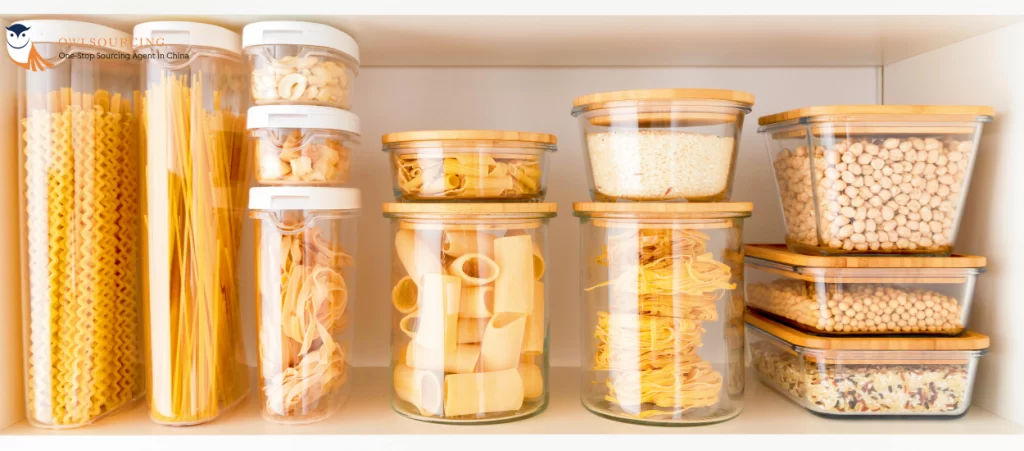
Small, light and easy to brand. Plastic and bamboo versions avoid the metal tariffs, but steel wire racks may not. You’ll find many options in the Yiwu market, too. See how to source products from Yiwu to sell on Amazon.
B) Sustainable Materials: Straws, Containers, Cups
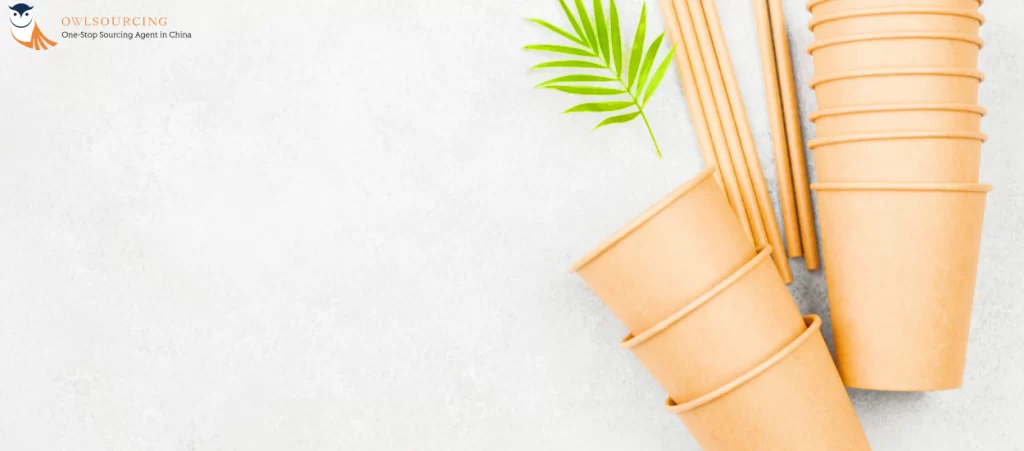
Bamboo fiber, sugarcane pulp and similar materials remain popular. For anything that touches food, ask for food-contact test reports for your market. “Biodegradable” and “compostable” claims need evidence before they go on a US listing.
C) Photo Frames

Fujian Province and Guangdong have large frame clusters. Wood and resin frames are simpler on tariffs than metal ones.
Most-Sold Items on Amazon: Sports and Outdoor

A) Water Bottles and Insulated Tumblers
Huge, competitive demand. The main 2026 question is the Section 232 duty on the steel content of stainless bottles. Get the HTS classification confirmed before you choose between stainless, Tritan plastic and silicone.
B) Sunglasses
Xiamen (Fujian) and Shenzhen make the higher-end frames. Danyang (Jiangsu) and Taizhou and Wenzhou (Zhejiang) cover mid-range fashion styles, and Yiwu covers low-cost options. Sunglasses sold in the US must have impact-resistant lenses (21 CFR 801.410), so ask the factory for test reports.
C) Umbrellas
China is the world’s main umbrella producer. Shangyu (Zhejiang) and Jinjiang (Fujian) are the two main hubs. To import umbrellas, start by learning how to find umbrella manufacturers in China.
Hot-Selling Amazon Products: Arts, Crafts and Sewing
A) Needle Felting, Sewing and Knitting Kits
Suppliers are based in Zhejiang and Jiangsu, and you’ll also find vendors in the China Yiwu market.
B) Crochet and Yarn Storage Bags
Easy to set apart with your choice of fabric and pattern.
C) DIY Jewelry-Making Kits
Light and easy to private label. If the kit is marketed to children, it counts as a children’s product and has to meet children’s product testing rules.
Best-Selling Amazon Products: Smart Gadgets
A) Novelty Wireless Chargers
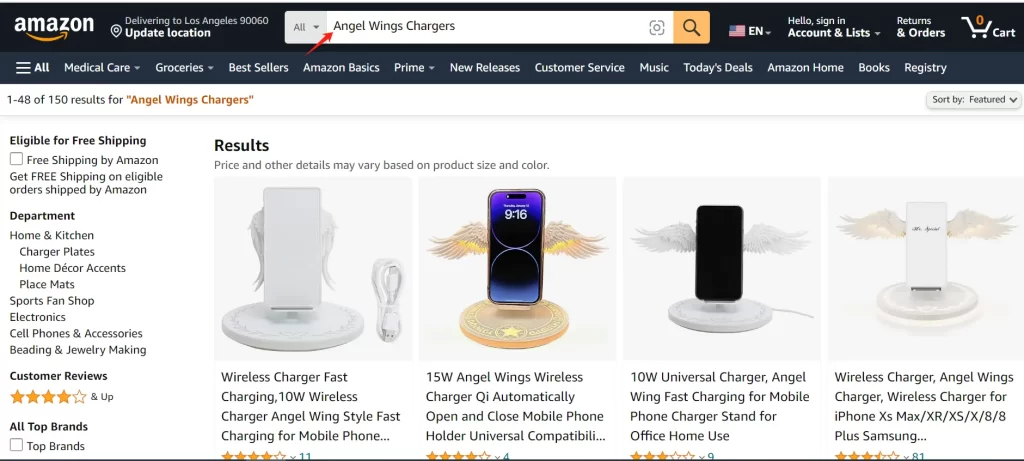
Designs like the “angel wings” charger are eye-catching, but they need FCC authorization, and any built-in battery brings the battery rules into play.
B) Desk and Cable Organizers
No battery and no radio, light and easy to brand. These are some of the simplest gadgets to bring in. Small flying toys, by contrast, can fall under US drone rules, which tightened sharply in 2025–2026 (FCC).
C) Magnetic Fidget Pens
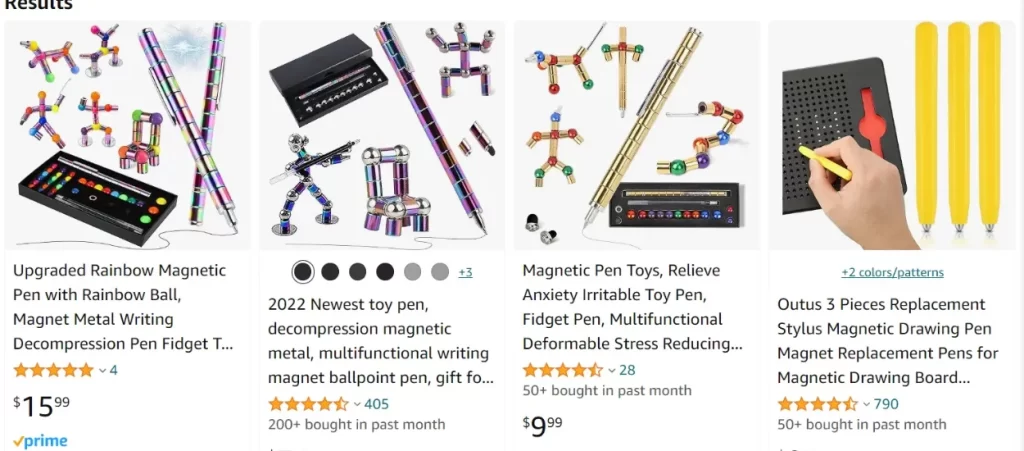
Popular, but strong magnets small enough to swallow face strict US children’s product rules. Market them to adults only, with the right warnings.
D) Cutting Boards with a Folding Basin
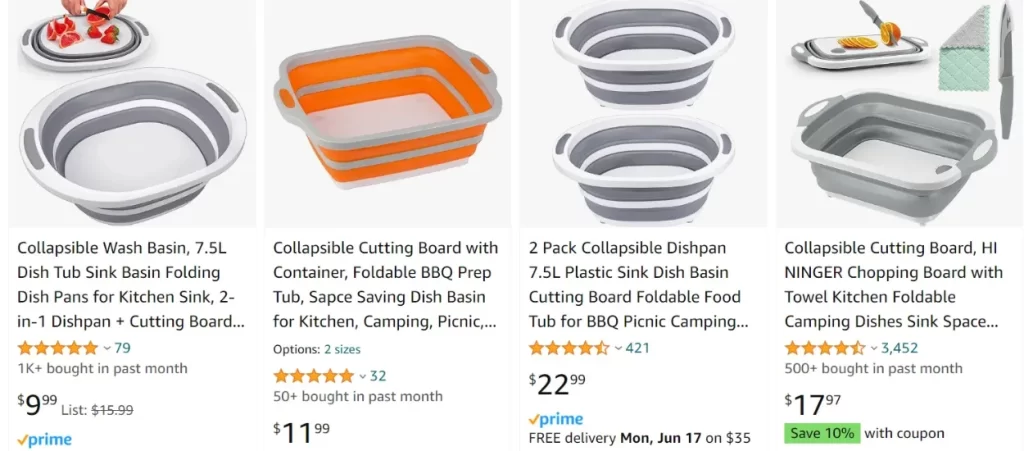
Light and practical (PP and TPR). Ask for food-contact test reports. You can find gadgets like these in the Chinese wholesale market.
AI-Powered Products Selling on Amazon in 2026 (and Sourceable from China)
AI features are moving from phones into everyday hardware: earbuds, recorders, pet cameras, robots and toys. Much of that hardware is built in China, often by the same factories that make conventional electronics. The opportunity is real, but these products combine radio, batteries, apps and personal data, so quality and compliance matter more than in almost any other category. Here is how we look at the main ones.
1. AI Translation Earbuds
Why it sells: Travelers, remote teams and language learners want real-time translation without holding up a phone. These earbuds sit in a familiar product format and are easy to differentiate with your own app experience and packaging.
Sourcing watch-outs: Bluetooth radio, so the product needs FCC equipment authorization. Lithium cells need UN 38.3 test summaries. Translation usually runs in a cloud app, so confirm who owns and maintains that app and where voice data is processed.
2. AI Note-Taking Voice Recorders
Why it sells: Professionals, students and content creators use them to record meetings and lectures and get AI transcripts and summaries. Thin, light and easy to brand, they fit FBA well.
Sourcing watch-outs: Recording and cloud transcription raise data-privacy questions, so your listing and app privacy policy must be accurate. Check FCC authorization for any wireless module and battery test summaries, and get the firmware and app roadmap in writing.
3. AI Pet Cameras and Smart Feeders
Why it sells: Pet owners pay for peace of mind: treat-tossing cameras, feeders with portion control, and apps that recognize the pet. The category rewards reliability more than the lowest price.
Sourcing watch-outs: Wi-Fi, cameras and microphones mean FCC authorization and real privacy obligations. Ask who controls the cloud server, how long video is stored, and whether you can move the app if the factory stops supporting it. Test feeders for jams over several weeks, not one afternoon.
4. AI Robot Vacuums and Robot Lawn Mowers
Why it sells: Obstacle avoidance and mapping have made these mainstream home upgrades, and much of the hardware supply chain sits in China.
Sourcing watch-outs: Large lithium battery packs bring dangerous-goods shipping rules, and bulky boxes push up freight and FBA costs. Plan for FCC authorization, electrical safety testing and spare-parts supply. Run long samples: navigation software is where cheap units fail and where reviews are lost.
5. AI Learning Toys and Kids’ Companions
Why it sells: Parents look for screen-light learning: talking story companions, interactive robots and language toys.
Sourcing watch-outs: These are children’s products: third-party testing to ASTM F963-23 and a Children’s Product Certificate are required, and coin or button cells must meet Reese’s Law. If the toy or its app collects a child’s voice or data, the amended COPPA Rule applies (compliance date April 22, 2026). This is the category where supplier choice matters most.
6. AI Tracking Gimbals and Auto-Tracking Phone Mounts
Why it sells: Solo creators want a camera operator that follows them. Face and gesture tracking turns a simple stand into a product people talk about.
Sourcing watch-outs: Bluetooth and batteries again mean FCC authorization and UN 38.3 paperwork. Most of the value is in the app and firmware, so agree who owns the app account and the update path before mass production.
7. AI Smart Glasses (Non-Prescription)
Why it sells: Audio glasses with voice assistants, and camera glasses for hands-free capture, are a growing accessory category.
Sourcing watch-outs: Sunglass lenses must be impact-resistant in the US, and cameras plus microphones raise privacy expectations, so be clear about recording indicators. We keep to non-prescription frames: prescription eyewear is a regulated medical product, and we don’t source it.
Our rule for every AI product: test production-grade samples for at least a few weeks, get the battery test summary (UN 38.3 / 49 CFR 173.185) and the FCC filing for the exact model, and agree in writing who owns the app, the cloud account and the firmware updates. Our team in China checks these points before you commit to mass production, and our quality control team inspects functions, not just appearance, before shipment.
How to Sell Chinese Products on Amazon in 2026
1. Register as an Amazon Seller
Sign up in Amazon Seller Central and choose Individual ($0.99 per item sold) or Professional ($39.99/month). If you’ll sell more than about 40 units a month, Professional is usually cheaper and unlocks the tools you’ll need.
2. Source Products from China
- Find reliable suppliers on Alibaba, 1688.com or Global Sources, or work with a China sourcing agent who audits factories in person.
- Negotiate price, payment terms and Incoterms. Under DDP terms, make sure the quote really includes 2026 duties.
- Order samples before production, and book a pre-shipment inspection before you pay the balance.
3. Ship Products to Amazon
- Amazon no longer preps or labels inventory in the US, so the factory or a prep partner must apply FNSKU labels, poly bags and warnings before the goods leave China.
- Compare sea, air and express. Sea freight is still the cheapest per unit for anything that isn’t urgent. Use a forwarder experienced in shipping to Amazon FBA.
- Duties are owed on every shipment, including small ones.
4. List and Sell
Write clear listings with good photos and real specs. Price with all 2026 fees included.
5. Optimize and Scale
Track margin per SKU, not just revenue. Register your brand in Amazon Brand Registry, re-check tariffs before each reorder, and stay up to date with Amazon’s rules.
Read more:
- Amazon FBA Sourcing Agent in China
- Find the Best Alibaba Products to Resell
- How to Import Kitchen Cabinets from China?
- How to Find the Best Toy Manufacturers in China?
Frequently Asked Questions
What products from China sell best on Amazon in 2026?
Electronics and accessories, apparel, beauty and personal care, home and kitchen, toys, sports and outdoor, computer accessories, tools and fitness gear remain the core categories. In 2026, the winners are small, light products with simple compliance and enough margin to absorb tariffs and FBA fees. AI-enabled gadgets are a growing niche, but they need more testing.
How do 2026 US tariffs affect Amazon products from China?
Most Chinese-made goods now pay their normal duty rate, plus any older Section 301 duty on their HTS code (often 7.5% or 25%), plus a 12.5% Section 301 tariff in place since July 24, 2026. Goods under Section 232, such as steel or aluminum content, follow separate rules. Confirm your 10-digit HTS code with a customs broker before ordering.
Does the $800 de minimis exemption still apply to shipments from China?
No. The US has suspended the de minimis exemption indefinitely for all countries, so shipments valued at $800 or less need a formal or informal customs entry and pay any duties that apply. This affects samples and small direct-to-customer parcels as well as Amazon inventory, so include duty in every landed-cost estimate.
How do I check whether a product has real demand on Amazon?
Start with Amazon’s Best Sellers and Movers & Shakers lists, then look at search trends, review counts and how many sellers already compete. A rising rank is a signal, not proof. Read the one- and two-star reviews of top listings: the complaints show what to fix, and fixing them is how a new brand wins.
What minimum order quantity (MOQ) should I expect from Chinese factories?
It depends on the product and how much customization you need. Stock items with your logo can start at a few hundred units. Custom molds, colors or packaging usually need more. Factories are often flexible on a first order if you pay a slightly higher unit price. See our guide to minimum order quantities.
How can I avoid quality problems when importing from China?
Agree a written specification, approve a golden sample, and inspect before you pay the balance. We recommend a pre-shipment inspection against AQL standards, plus functional tests for electronics. With Amazon no longer prepping inventory in the US, also check labels, barcodes and packaging in China, because problems found after delivery cost far more to fix.
What compliance do AI-enabled gadgets need for the US market?
Anything with Wi-Fi or Bluetooth needs FCC equipment authorization. Lithium batteries need a UN 38.3 test summary for shipping. Products that record voice or video need an honest privacy policy, and children’s products may fall under COPPA and toy-safety rules. If you also sell in the EU, internet-connected radio equipment must meet the RED cybersecurity requirements.
How does OwlSourcing help Amazon sellers source from China?
Our team in China finds and audits factories, manages samples and production, inspects goods and arranges shipping to Amazon or your warehouse. On our Full-Service Plan, our costs are included in the product’s unit price. If you already have suppliers, the Existing Supplier Plan fee is 5–10% of product value. See pricing or contact us.
Final Thoughts
The categories that sell on Amazon haven’t changed much. The cost of getting Chinese-made products onto the shelf has. In 2026, the winners are the sellers who know their HTS codes, keep their freight and FBA costs down, and fix quality before the goods leave China rather than after the reviews come in.
If you’d like a second opinion on a product’s landed cost or a supplier’s quote, contact us. Our Shanghai team handles factory audits, quality control and shipping for brands selling on Amazon.

About the author: Andy Yu
Founder of Owl Sourcing
Andy Yu has 20 years of experience in the sourcing industry and has helped Amazon sellers and DTC brands in the US and Europe source from China since 2016. He works with clients directly in fluent English and runs every order with detailed SOPs, trusted partner factories and inspection before shipment, including 100% checks at Owl Sourcing’s Shanghai warehouse when an order needs it. His strongest categories are metal products, wood, plastic and paper packaging, and custom products with demanding quality requirements.
Connect with Andy on LinkedIn