
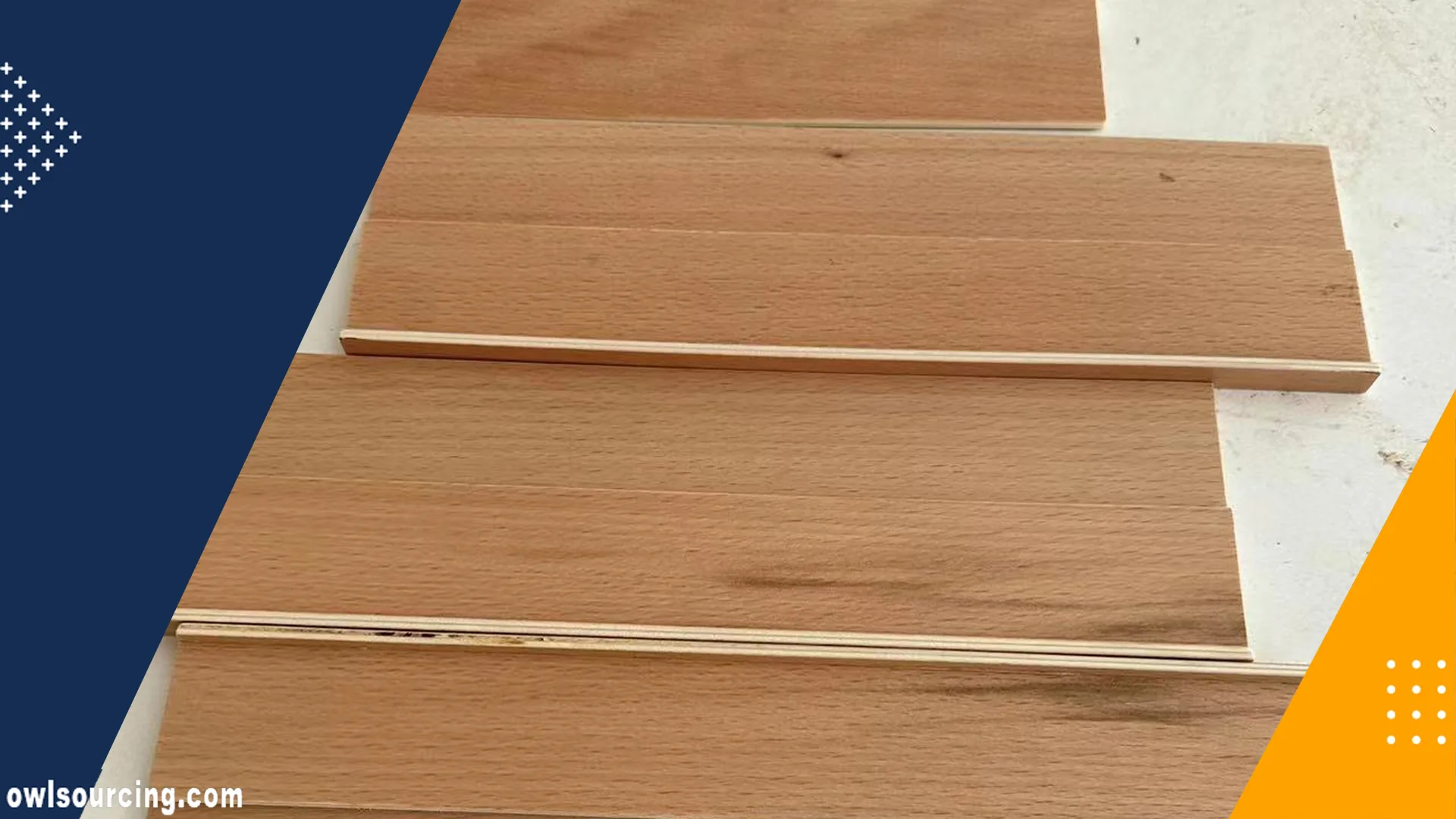

Short answer: bulk orders drift from the approved sample because something changes between the two: the material batch, the process, or the speed of the line. To keep China mass production matching the sample, confirm materials, processes and lead time in writing before sampling, sign a golden sample for both sides, check incoming materials and the first production run against it, and refuse concession acceptance when defects would reach your customers.
Below we explain why it happens, walk through a real beech veneer case from our own QC work, and set out the checks we now use to stop it.
- Why is the sample good but bulk production different?
- Case: clean beech veneer samples, about 20% defects in bulk
- Step 1: Confirm materials, processes and lead time in writing
- Step 2: Sign a golden sample, one for each side
- Step 3: Check incoming materials and the first run
- Step 4: When bulk doesn’t match, rework or replace instead of a discount
- FAQ
Why is the sample good but bulk production different?
A sample is made once, slowly, and everyone is watching it. Bulk production is made thousands of times, at speed, by a production line that has to hit a delivery date. The product drawing may be the same, but the conditions are not.
Most sample vs mass production gaps come from one of four changes:
| What changes | At sampling | In mass production | What to lock down |
|---|---|---|---|
| Materials | Small quantity, easy to pick good pieces | Bought in volume; supplier batches vary | Material spec in writing; incoming check against the sample material |
| Process | Often done by hand with careful control | Machines set for speed and volume | Process steps written down before sampling |
| People | Experienced hands focused on one piece | Line workers handling large quantities | First-run products checked against the signed sample |
| Inspection | The sample itself gets close attention | Without internal QC, defects pass to the next step | Incoming and in-process spot checks |
None of these changes has to be dishonest. A faster machine or a new material batch can be a normal production decision. The problem is that nobody checks whether the result still matches what you approved.
Case: clean beech veneer samples, about 20% defects in bulk
This case is from a wooden product set made with beech veneer boards. We have left out the client, the factory and the product details.
What went wrong
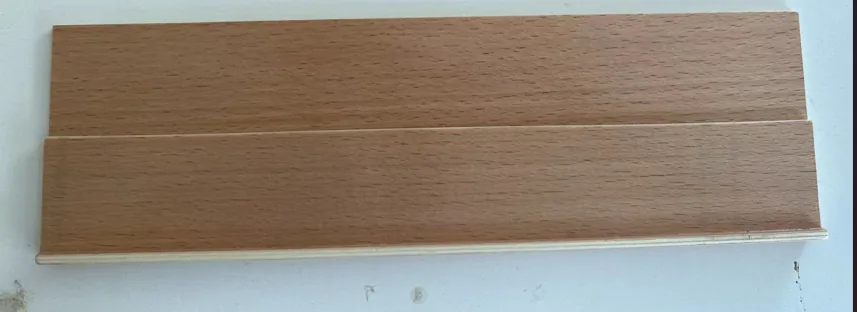
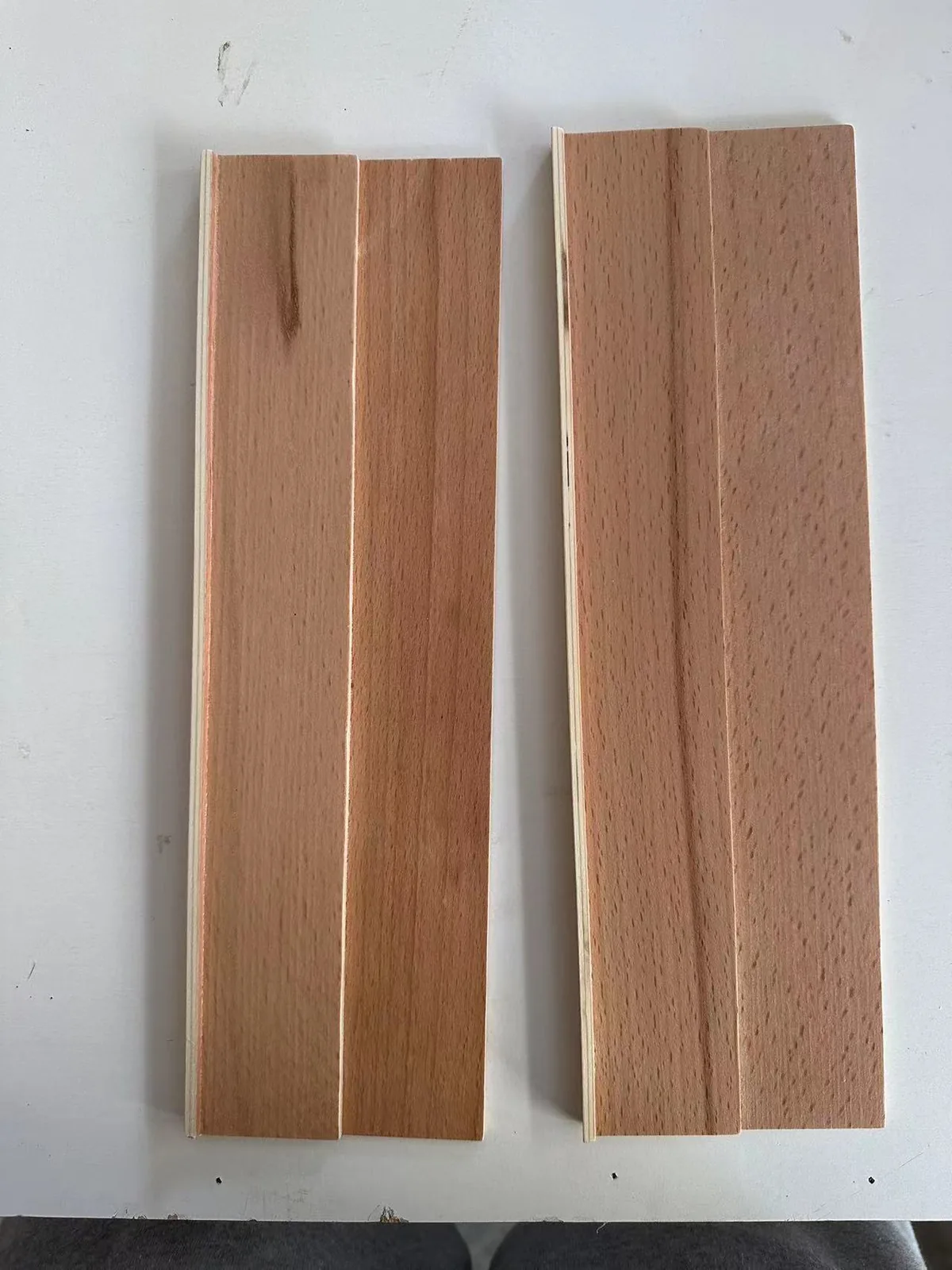
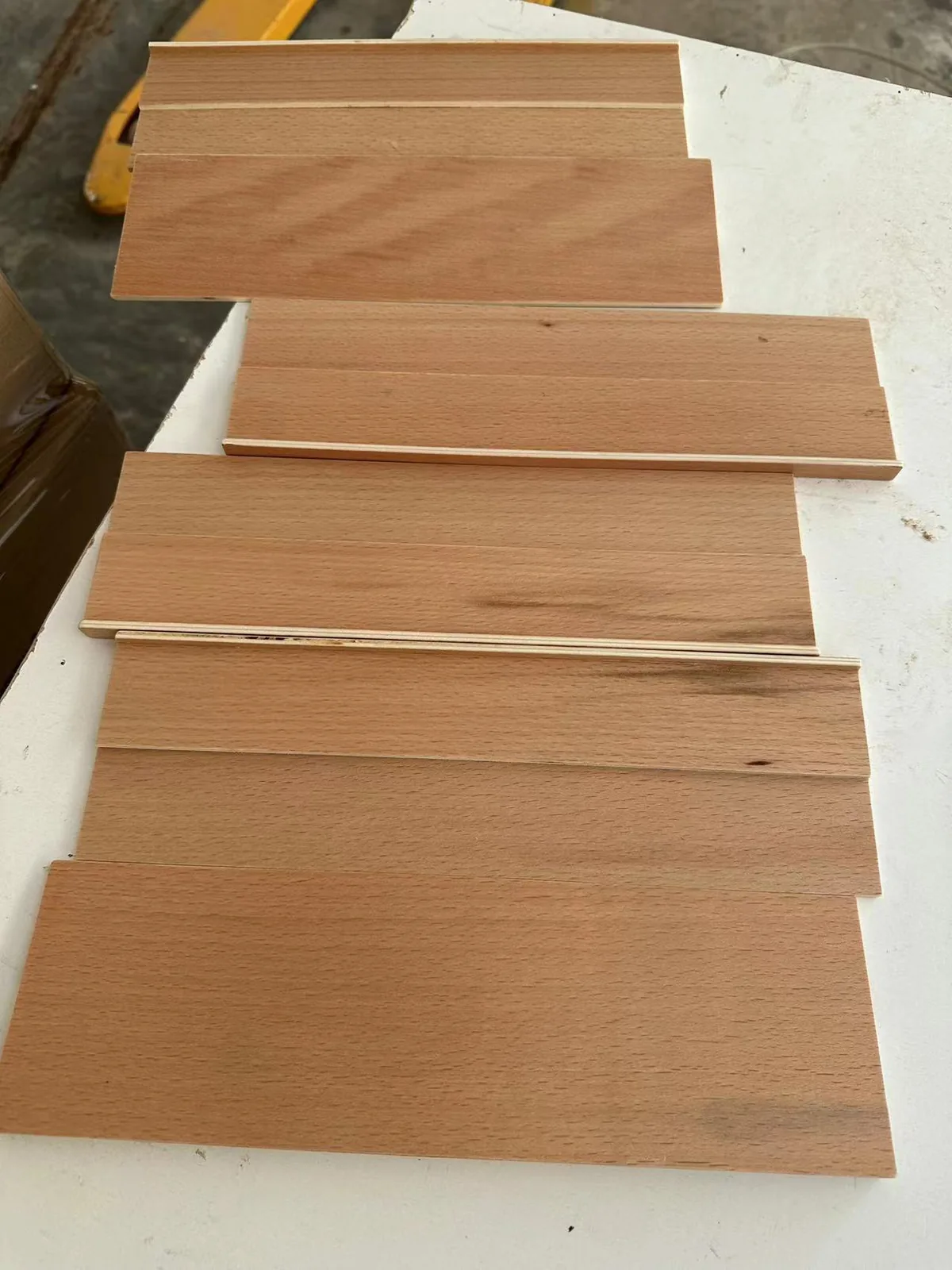
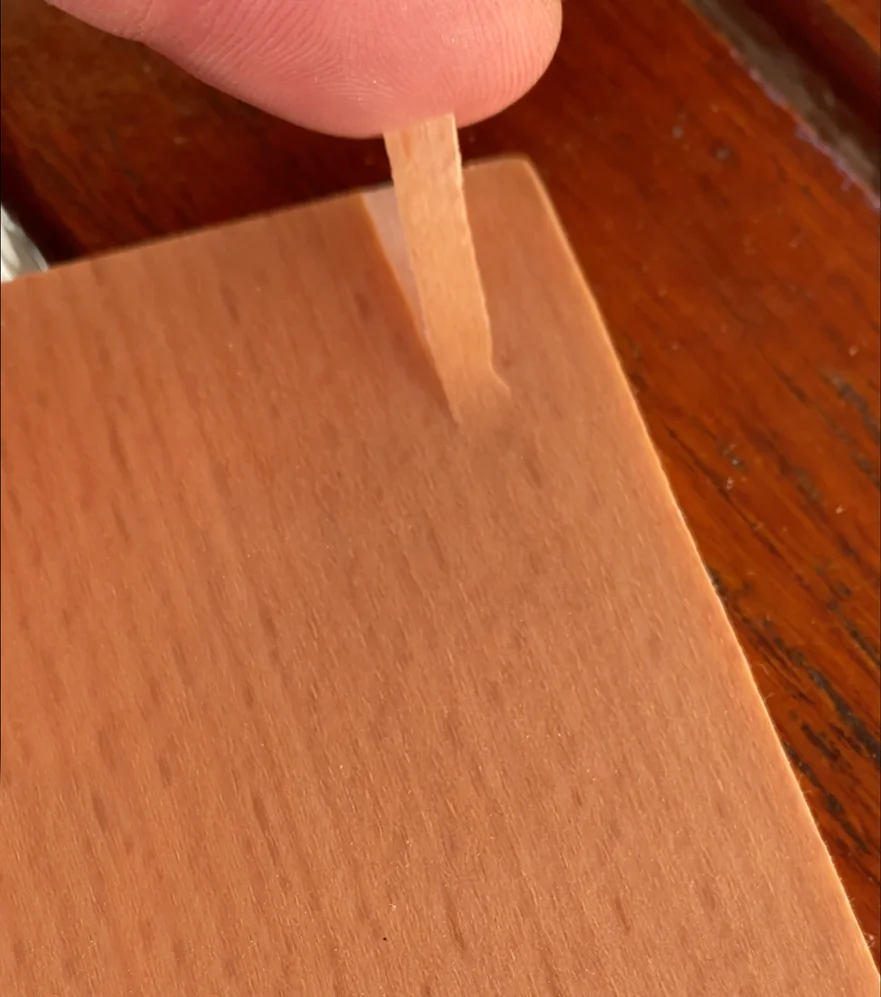
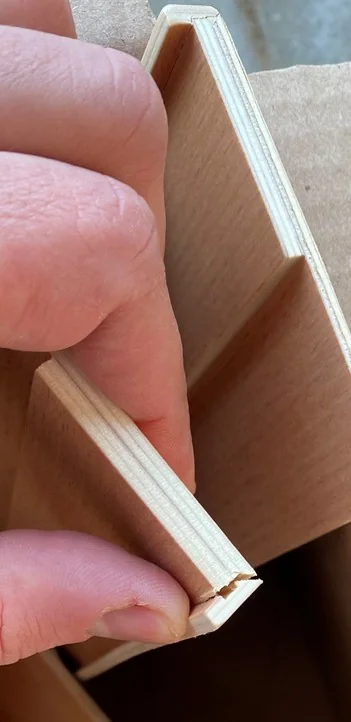
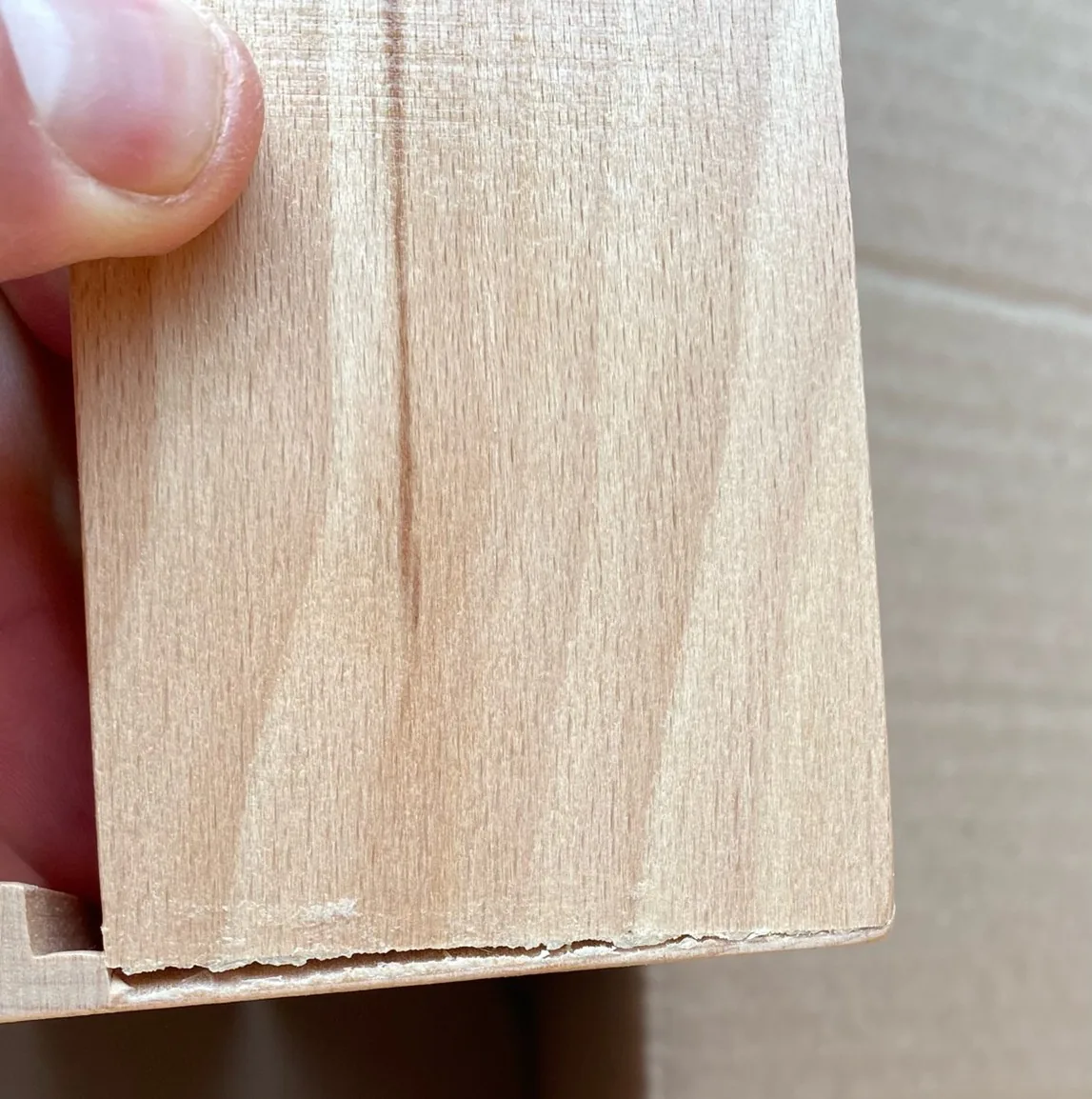
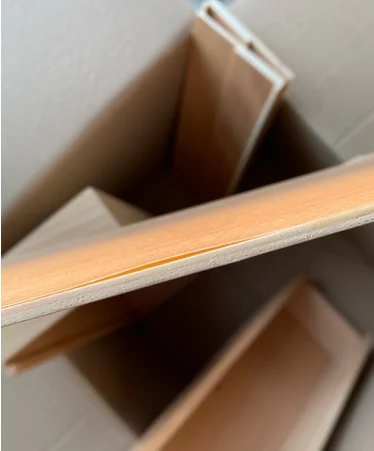
During sampling, the beech veneer was clean, and the client signed the approved sample as the golden sample. Our during-production inspection (DUPRO) then compared bulk boards against that signed sample and found the problem before shipment. About 20% of the boards showed black water lines and other appearance defects. Some boards varied in shade and had dark streaks. Others had worse problems: veneer that peeled off by hand, plywood layers cracking and separating at the edge, and veneer lifted and cracked on a board already packed in a carton.
Why it happened
The root cause was mainly the raw material. The veneer supplier sold defective beech veneer to the factory, and the factory had no internal QC on incoming veneer or during processing. Bad veneer went straight into production.
The gluing process was a second factor. The samples were glued and hot-pressed by hand with careful control. Bulk production used a glue-spreading machine running fast for volume, and the result was not the same.
What we did
Our own QC team then did a two-day, 100% piece-by-piece inspection on site at the factory. Several thousand defective pieces were sorted out. All of them were returned to the factory and destroyed.
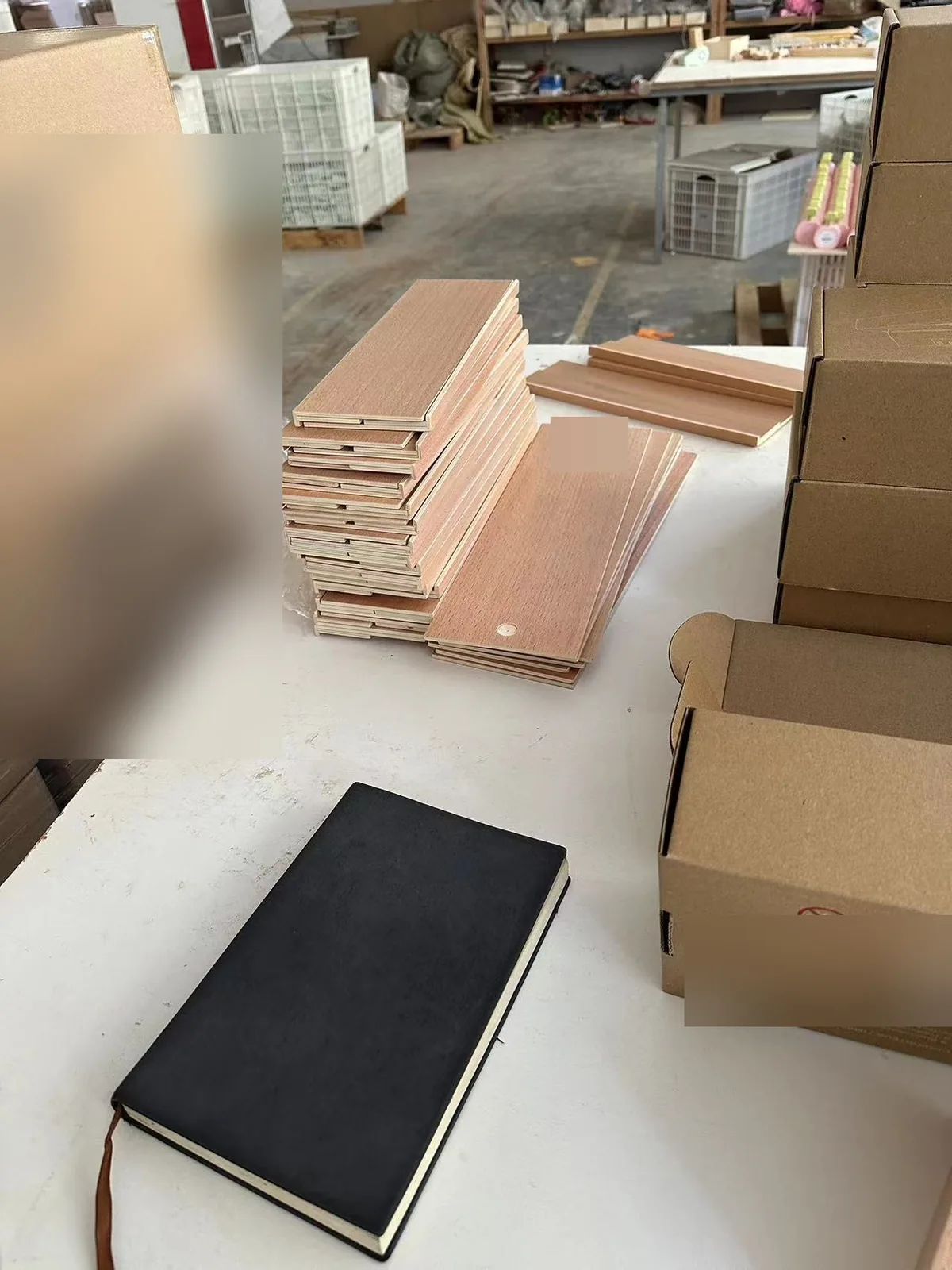
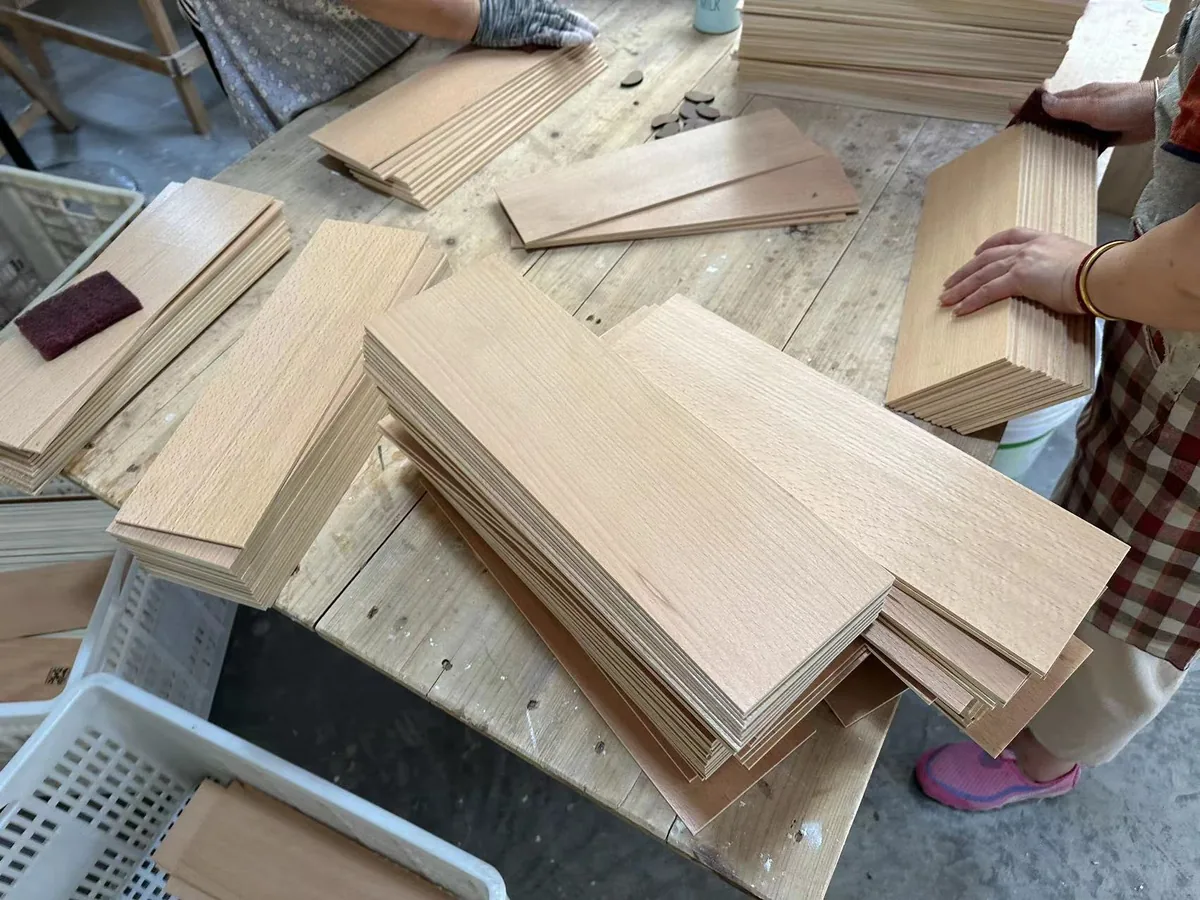
The factory considered a certain defect rate normal. It did not realise what those boards would do to a brand once they reached customers. That is why we refused concession acceptance, meaning we would not take the defective boards at a discount. Instead, the factory remade and replaced every defective piece we sorted out, and switched to a different veneer supplier for the remake.
The remake delayed delivery by 15 days. That is a real cost, but 15 days late is better than shipping defective boards and collecting bad reviews.
What we learned
The problem started with the incoming veneer, so check it before bulk production starts: add a veneer spot check, for example an appearance check on 5% of each batch. And for brands selling online, appearance defects are not a small problem: bad reviews snowball and hurt sales of the whole brand.
For a different kind of quality problem, see our iron tray defective products case study, where the defects came from handling and packing, not from the sample-to-bulk gap.
Step 1: Confirm materials, processes and lead time in writing before sampling
Before the first sample is made, we confirm the materials, processes and lead time with the factory in writing. This is where sample vs mass production control starts, because you cannot hold a factory to something that was never agreed.
Write down the parts that are easy to change quietly. For a veneer product, that means the veneer itself, the glue and how it is applied, and the hot-press step, not only the size and the finish. If the factory plans to make the sample by hand and bulk by machine, that should be discussed now, not discovered later. This is a core part of how we run custom product development projects.
Step 2: Sign a golden sample, one for each side
Once the sample is right, it becomes the golden sample. We sign it, and we keep two: one with the client and one at the factory.
A photo or a spec sheet is not enough on its own. Shade, grain, gloss and feel are hard to describe in words, and a factory may say its bulk goods are “the same”. A signed physical sample on both sides means there is one standard, and it is not open to debate.
Step 3: Check incoming materials and the first run against the sample
Most sample vs mass production problems can be seen early, if someone is looking. Our production follow-up covers two points:
- Incoming materials vs sample materials. Before materials go into production, compare them with what was used for the approved sample. For veneer, add a spot check, for example an appearance check on 5% of each batch.
- First-run products vs the signed sample. Compare the first products off the line with the golden sample before the full run continues.
In the beech veneer case, defective veneer from the supplier went straight into production because the factory had no internal check. Once veneer is glued and pressed, it cannot be swapped out. Our during-production inspection caught it before shipment, but a spot check at the start is where this kind of problem is cheapest to stop. These checks sit alongside the inspections described on our quality control page.
Step 4: When bulk doesn’t match, rework or replace instead of a discount
When bulk goods don’t match the golden sample, a factory may treat a certain defect rate as normal and offer a discount to ship them anyway. This is concession acceptance, and it is tempting when a launch date is close.
For products sold online, we usually advise against it. Customers do not know there was a discount. They only see a board with a dark streak or veneer lifting at the edge, and they leave a review. Bad reviews snowball and hurt sales of the whole brand, not just one order.
Instead, we negotiate replacement or rework with the factory, so the client does not have to deal with it directly. In the beech veneer case that meant 100% inspection, destroying the defective pieces, and a remake of every one of them by the factory. Delivery was 15 days late, and no defective boards were shipped.
FAQ: sample vs mass production in China
Why does mass production differ from the approved sample?
Because something changes between the two. Samples are often made by hand, with careful control and a small amount of material. Bulk runs on machines at higher speed, with materials bought in volume from supplier batches that can vary. In our beech veneer case, hand gluing at sampling became a fast glue-spreading machine in bulk, and the veneer supplier sold defective veneer to the factory.
What is a golden sample?
A golden sample is the approved sample that both sides sign and keep as the reference for bulk production. We keep one signed sample with the client and one at the factory, so bulk goods are compared against the same physical piece on both sides.
What is the difference between a golden sample and a pre-production sample?
A pre-production sample is made just before mass production, ideally with the bulk materials and the bulk process, to show what the production line will actually deliver. The golden sample is the signed reference everything is compared against. If the pre-production sample does not match the golden sample, fix it before bulk starts.
What should be confirmed in writing before sampling?
Materials, processes and lead time. For a veneer product that means the veneer itself, the glue and how it is applied, and the hot-press step, not only the size and finish. Written terms give you something to hold the factory to when bulk production changes.
How do you check that bulk production matches the sample?
Check incoming materials against the sample materials, check the first products off the line against the signed golden sample, and run a during-production inspection (DUPRO) before the order is finished. In our beech veneer case, the during-production inspection found the problem before shipment.
How much incoming veneer should be spot checked?
As a starting point, check about 5% of each veneer batch for appearance before it goes into production, then adjust to the product and the supplier’s record. The goal is to stop bad material before it is glued and pressed, when it can no longer be swapped out.
Should I accept bulk goods at a discount if they don’t match the sample?
Not when the defect will reach your customers. A factory may treat a certain defect rate as normal, and concession acceptance looks cheaper today. But when you sell online, bad reviews snowball and hurt sales of the whole brand. In the beech veneer case we refused concession acceptance: several thousand defective pieces were destroyed and the factory remade every one of them, even though delivery was 15 days late.
What happens when bulk production doesn’t match the golden sample?
The signed sample becomes the standard for the decision. Depending on the defect, we sort the goods, have the factory rework or replace the failed pieces, and negotiate with the factory so the client does not have to deal with it directly.
Need bulk production that matches your approved sample?
Owl Sourcing manages production in China from sample to shipment: written confirmation before sampling, signed golden samples, production follow-up and on-site QC. Tell us about your product and quantity, and we will reply within 24 hours.

About the author: Andy Yu
Founder of Owl Sourcing
Andy Yu has 20 years of experience in the sourcing industry and has helped Amazon sellers and DTC brands in the US and Europe source from China since 2016. He works with clients directly in fluent English and runs every order with detailed SOPs, trusted partner factories and inspection before shipment, including 100% checks at Owl Sourcing’s Shanghai warehouse when an order needs it. His strongest categories are metal products, wood, plastic and paper packaging, and custom products with demanding quality requirements.
Connect with Andy on LinkedIn