

By Andy Yu, founder of Owl Sourcing · Last updated: November 2026
Short answer: when defective products from China turn up in your order, do not argue over one bad carton. Stop, sort the whole order, find out where in the process the damage happens, fix that step, and present the factory with evidence it cannot dispute. On a 1,000-piece order of metal trays, the first carton of 200 had 34 defective pieces. Full sorting found 108 in total. We traced the damage to three causes, changed the packaging, and the factory accepted responsibility and added all 108 replacements to its current production schedule. The brand never had to deal with the factory directly.
This is a real Owl Sourcing project. We have managed production in China for brands since 2016, and this case shows what that means when something goes wrong. The client name, its market and the factory are not disclosed.
What did the first carton tell us?
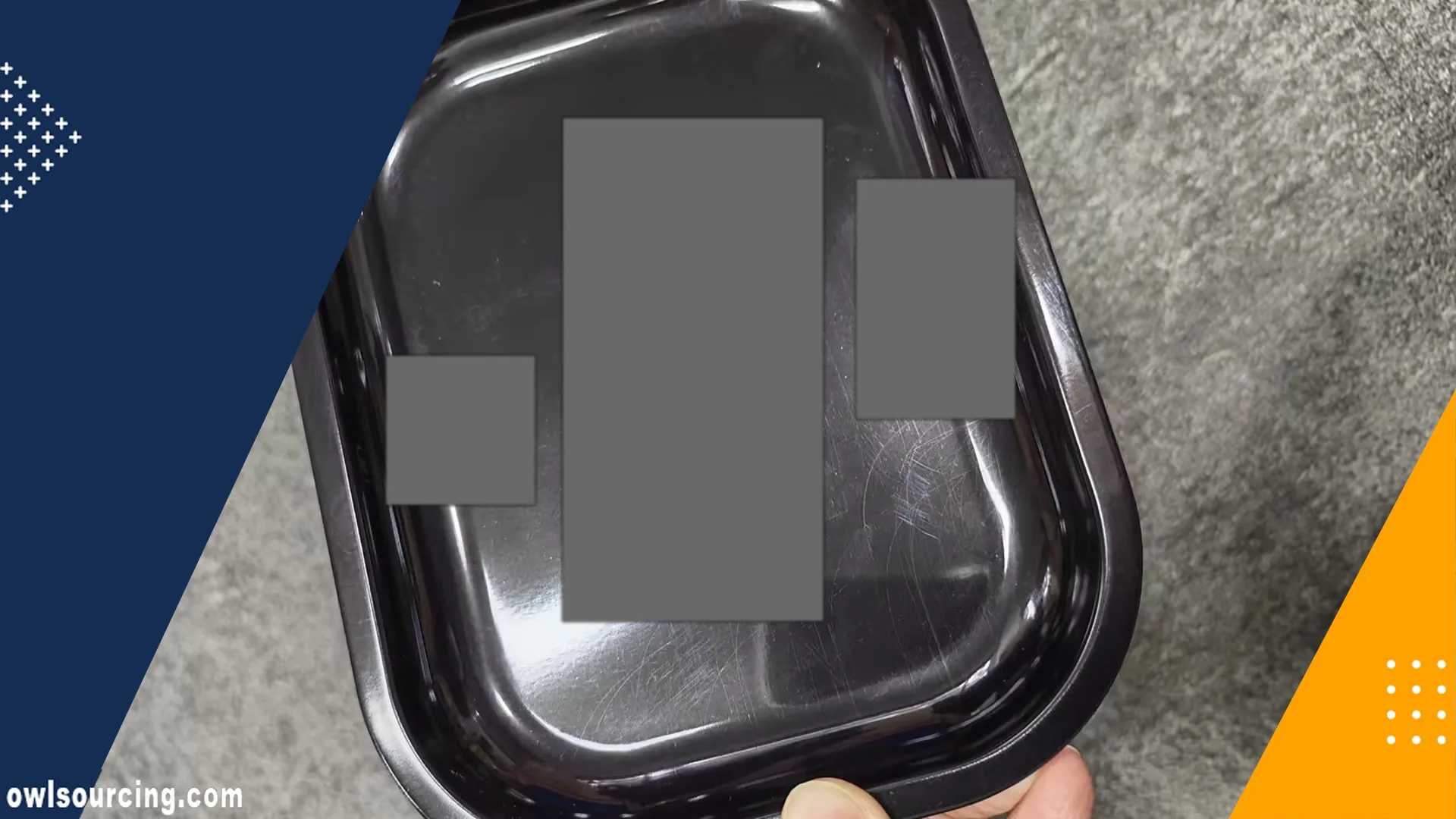
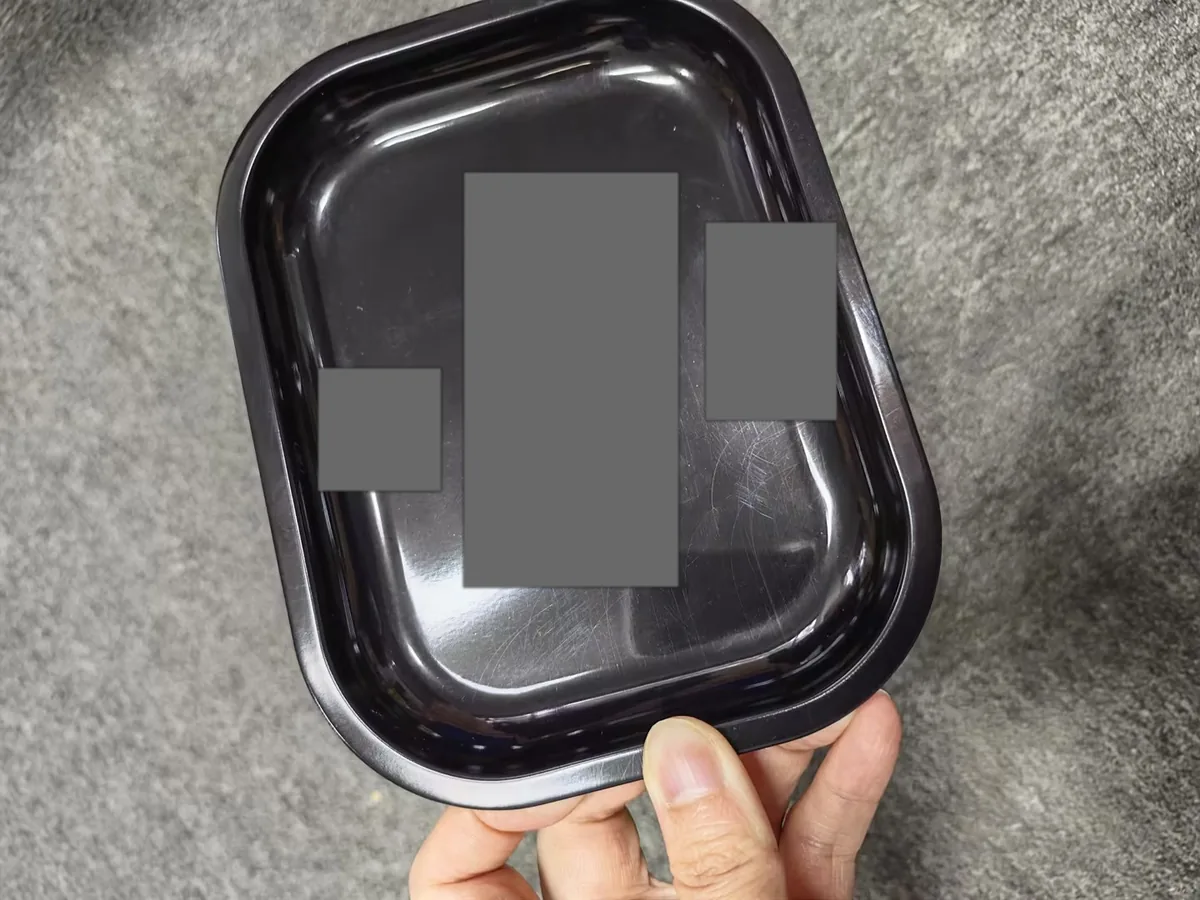
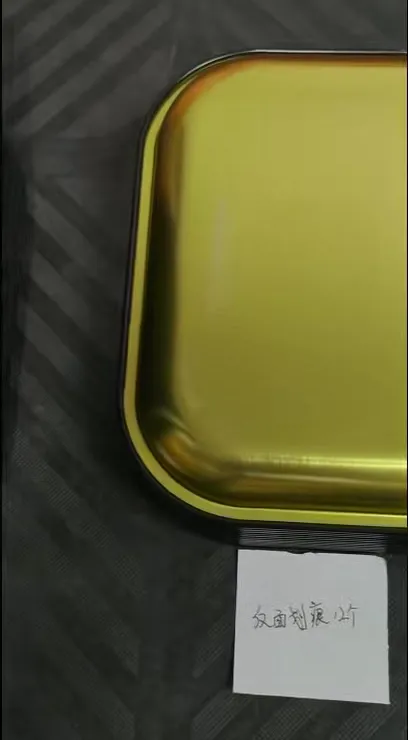
The first carton of 200 metal trays had 34 defective pieces. That is about 17% of the carton, far too high for a brand that sells on quality. The defects were easy to see: scuffs and scratches on the coated surface, long scratches on the back, and chipped coating on the rim.
“34 out of 200 is about 17%. That rate was too high to ignore. Based on the data and our experience, we needed to check far more than one carton.”
Andy Yu, founder of Owl Sourcing
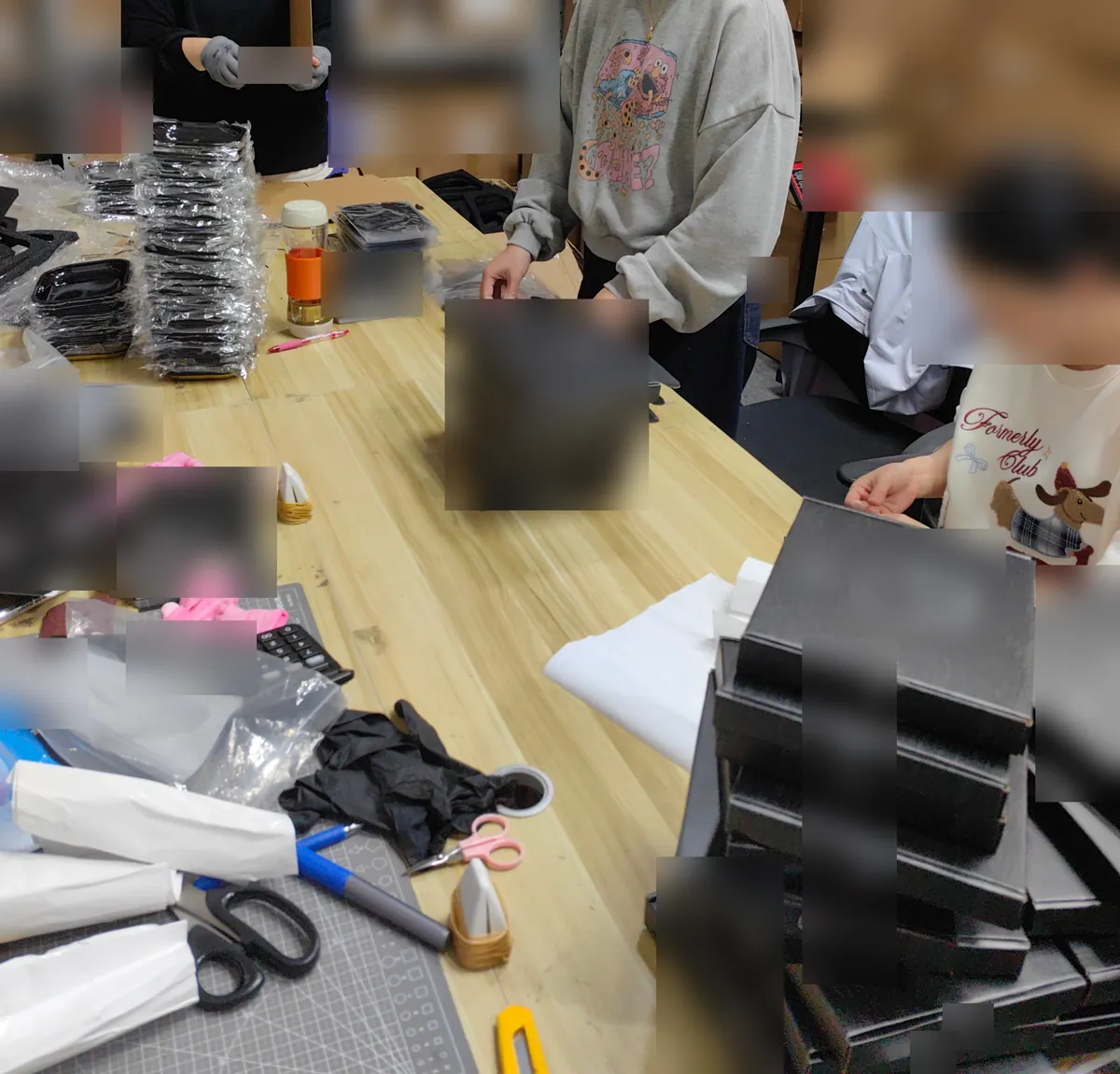
So we sorted the entire order, every piece of the 1,000, instead of judging the order from a sample. Full sorting gave two things a sample could not: the exact number of trays that had to be replaced, and a clear pattern of where on each tray the damage appeared.
What did full sorting find?
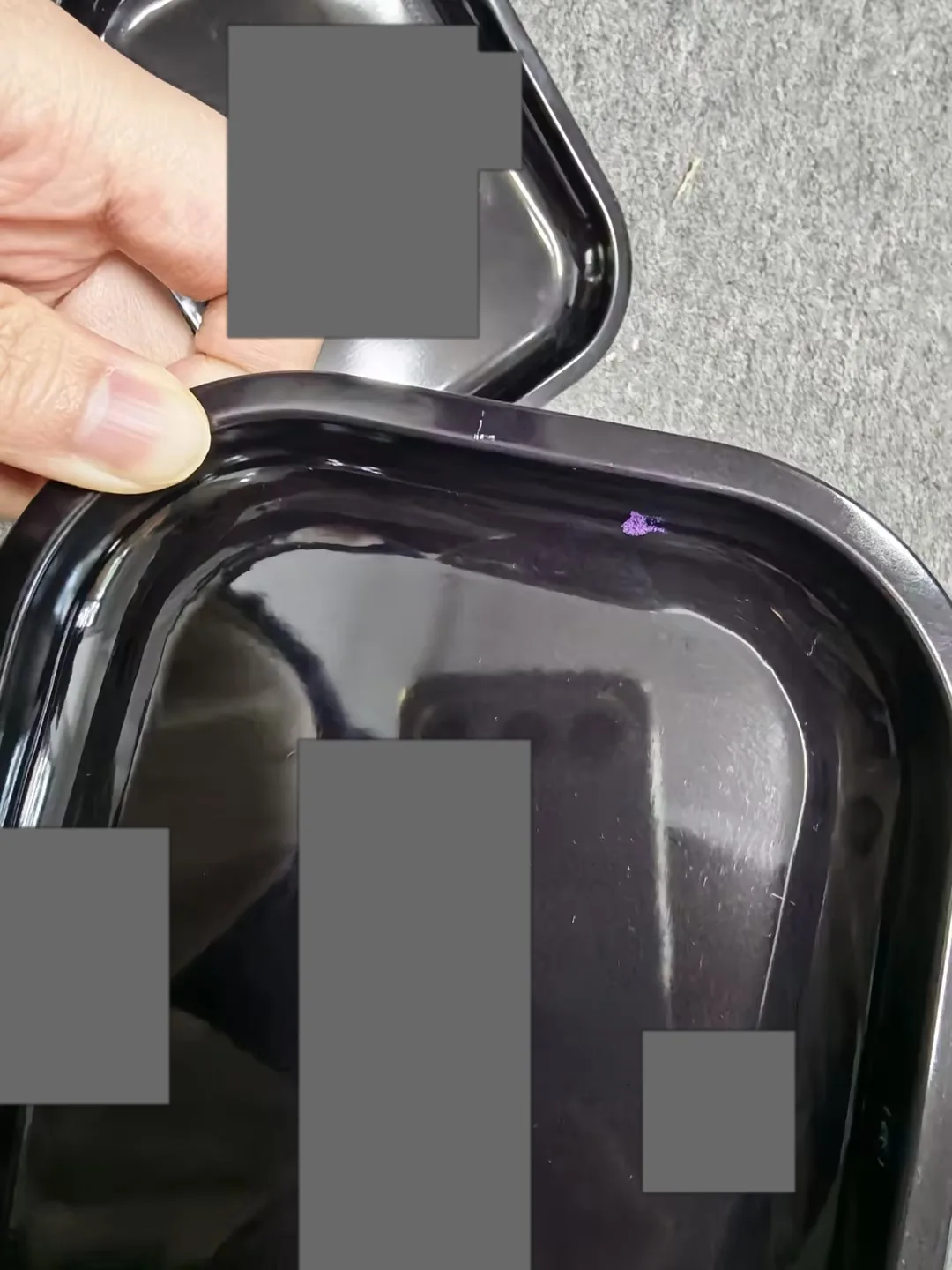
Full sorting found 108 defective trays out of 1,000. Every defective tray was set aside and grouped by defect type, so the count could be checked by anyone, including the factory. The main defect types were:
- Scuffs and fine scratches on the coated front surface.
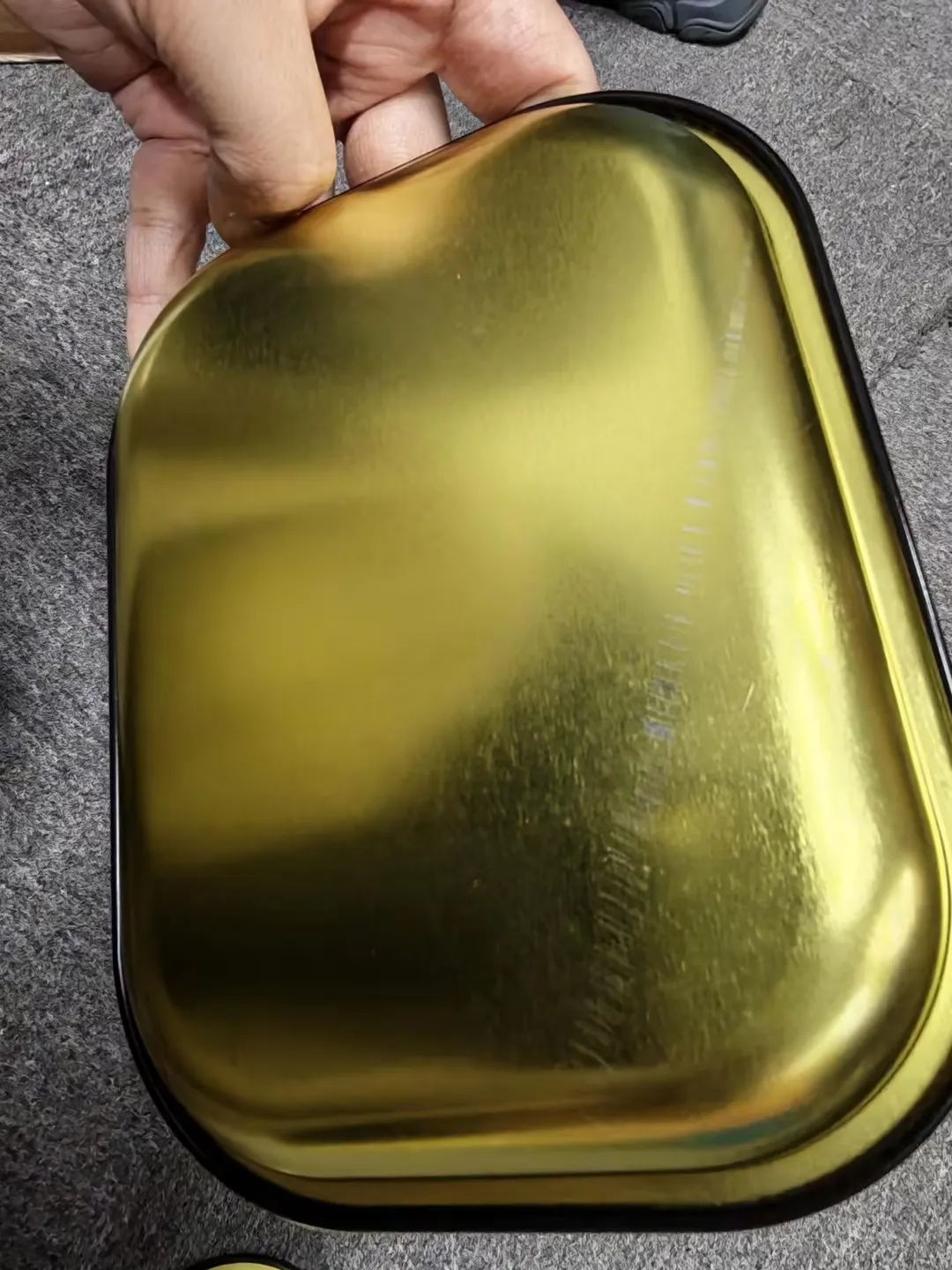
- Long scratches on the back, where trays had rubbed against each other.
- Chipped coating on the rim and edges, consistent with knocks and drops.
What caused the defects?
The defects were not random. The damage pattern pointed to how the trays were handled between processes and how they were packed, not to the forming or coating itself. We found three root causes:
- Handling and stacking between processes. Trays were stacked directly on each other and moved between steps, so finished surfaces rubbed together. Fix: foam spacers between trays.
- Debris in the workshop. Small debris on work surfaces scratched the coating when trays were put down or slid. Identified and raised with the factory.
- Weak carton protection. The cartons did not protect the trays from drops in transit, which chipped rims and edges. Fix: reinforced packaging.
Finding the cause matters more than finding the defects. If only the bad trays are replaced, the next order is packed the same way and arrives with the same damage.
How did we get the factory to remake every defective piece?
We presented the factory with the evidence: the full count, the defective trays grouped by type, and the link between each defect type and a step in its own process. With that in front of it, the discussion was not about whether the defects existed. The factory acknowledged that its workers had handled the trays carelessly, and it added all 108 replacement pieces to its current production schedule.
At the same time, we changed the packaging so the problem would not repeat:
- Foam spacers between trays, so finished surfaces no longer rub during stacking and transit.
- Reinforced cartons that protect the trays when a carton is dropped.
The brand did not have to negotiate with the factory, chase the remake or redesign the packaging. That is the difference between a production partner in China and someone who only reports defects: the inspection result is the starting point, not the deliverable.
Get a Quote Tell us about your product and we will tell you how we would manage it.
Small handling mistakes, lower star ratings
Scratches like these rarely make a product unusable, but they still cost a brand. Andy Yu explains why Owl Sourcing pays close attention to storage and handling on products with demanding finishes:
“For products with demanding surface finishes or printing, as a rule we require that, whenever materials are stored or moved, the factory checks whether anything nearby can scratch the product. A small mistake by a worker can cause a batch-wide problem with the surface quality. It isn’t fatal, but it’s often why a product stalls at around 3.5 to 4 stars on an online marketplace instead of earning a high rating. The details of your product decide the future of your listing.”
Andy Yu, founder of Owl Sourcing
What can brands learn from this case?
In our experience, defects like these rarely come from one bad machine. They come from small handling and packing habits that nobody owns. These four points apply to any product with a coated, painted or polished surface:
- Treat a high defect rate in the first carton as a signal. When the first carton is clearly bad, switch from sampling to full sorting. Our guide to piece-by-piece inspection in China explains how full sorting works.
- Look at where the damage is, not only how much. Scratches on the back, scuffs on the face and chipped rims each point to a different step.
- Specify the packaging, not only the product. Spacers, carton strength and how units are stacked belong in the specification. See our notes on Amazon FBA packaging quality control.
- Use inspection as evidence. A pre-shipment inspection in China is most useful when someone acts on the result with the factory. That is how we approach quality control in China.
Managing problems like this with the factory is part of how we work, and our pricing is quoted as an all-in unit price.
Frequently asked questions about defective products from China
What should I do if my China supplier sends defective products?
First, stop accepting more goods until you know the scale. Count the defects across the whole order, group them by type, and photograph each type. Then find which production or packing step causes each defect. With that evidence, ask the supplier to remake or repair the defective pieces and to change the step that caused them, so the next order does not repeat the problem.
Who pays when a factory in China makes defective goods?
It depends on your agreement and on the evidence. A factory is more likely to accept responsibility when the defects are counted, documented and clearly linked to its own process, such as handling or packing. In our metal tray case, the factory acknowledged careless handling by its workers and added all 108 replacement pieces to its current production schedule. Put quality standards and remedies in writing before production starts.
When should a sample inspection become full sorting?
A sample inspection should become full sorting when the defect rate in the sample is too high to trust the rest of the order. In our metal tray case, 34 defective pieces in the first carton of 200 was that signal. Full sorting checks every piece, gives an exact count of what must be replaced, and shows patterns that point to the root cause.
How do you stop metal products from getting scratched in transit?
Keep finished surfaces from touching each other and protect cartons against drops. Foam spacers between units stop the rubbing that causes scratches when products are stacked or moved. Reinforced cartons reduce chipped edges from drops in transit. Clean work surfaces matter too, because small debris on a workbench can scratch a coated surface before the product is even packed.
Can a pre-shipment inspection catch transit damage?
No. A pre-shipment inspection checks goods before they leave the factory, so it cannot catch damage that happens later in transit. It can check how the goods are packed, which is what prevents transit damage. That is why the packing method, spacers and carton strength should be part of the inspection checklist and the product specification, not left to the factory to decide.
Can surface scratches affect my product reviews?
Yes. Surface scratches are rarely fatal to a product, but they can hold its rating down. Andy Yu, founder of Owl Sourcing, has seen small handling mistakes by workers cause batch-wide surface problems, and that is often why a product stalls at around 3.5 to 4 stars on an online marketplace instead of earning a high rating. For products with demanding finishes or printing, storage and handling need close attention.
What is the difference between a production partner and an inspection company?
An inspection company reports what it finds. A production partner in China manages the order and acts on the findings: it works out the cause with the factory, changes the process or packaging, and follows the remake through. At Owl Sourcing, inspection is one step in managing production for brands, not the service on its own, so the brand does not have to manage the factory.
Need someone to manage production in China?
Owl Sourcing has managed production in China for quality-focused brands since 2016, from our base in Shanghai. When something goes wrong, we deal with the factory so you do not have to. Orders typically start from about 500 pieces.

About the author: Andy Yu
Founder of Owl Sourcing
Andy Yu has 20 years of experience in the sourcing industry and has helped Amazon sellers and DTC brands in the US and Europe source from China since 2016. He works with clients directly in fluent English and runs every order with detailed SOPs, trusted partner factories and inspection before shipment, including 100% checks at Owl Sourcing’s Shanghai warehouse when an order needs it. His strongest categories are metal products, wood, plastic and paper packaging, and custom products with demanding quality requirements.
Connect with Andy on LinkedIn