
100% Inspection Case Study: 1,000 Metal Trays Sorted, 108 Remade
The problem
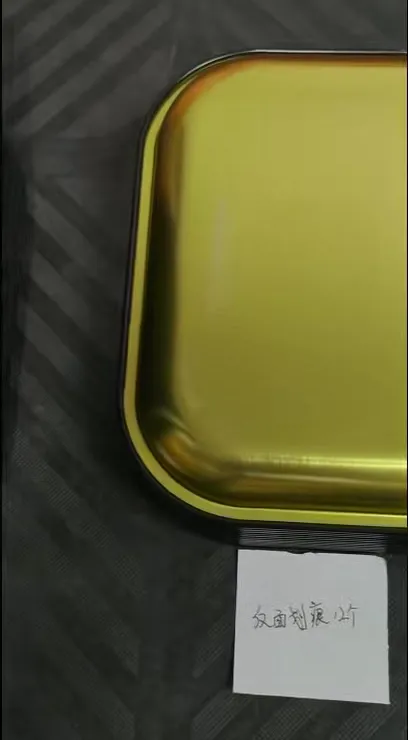
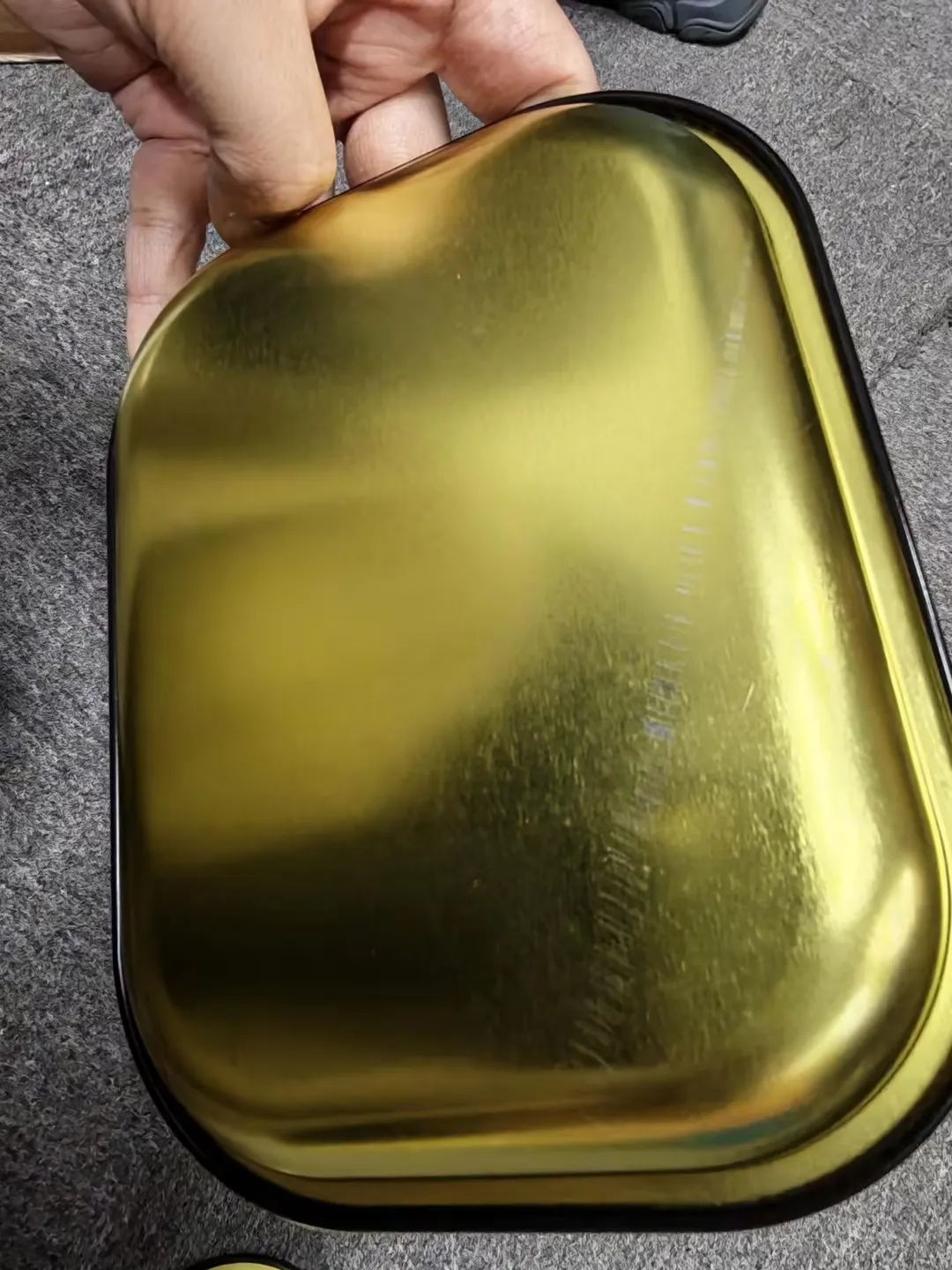
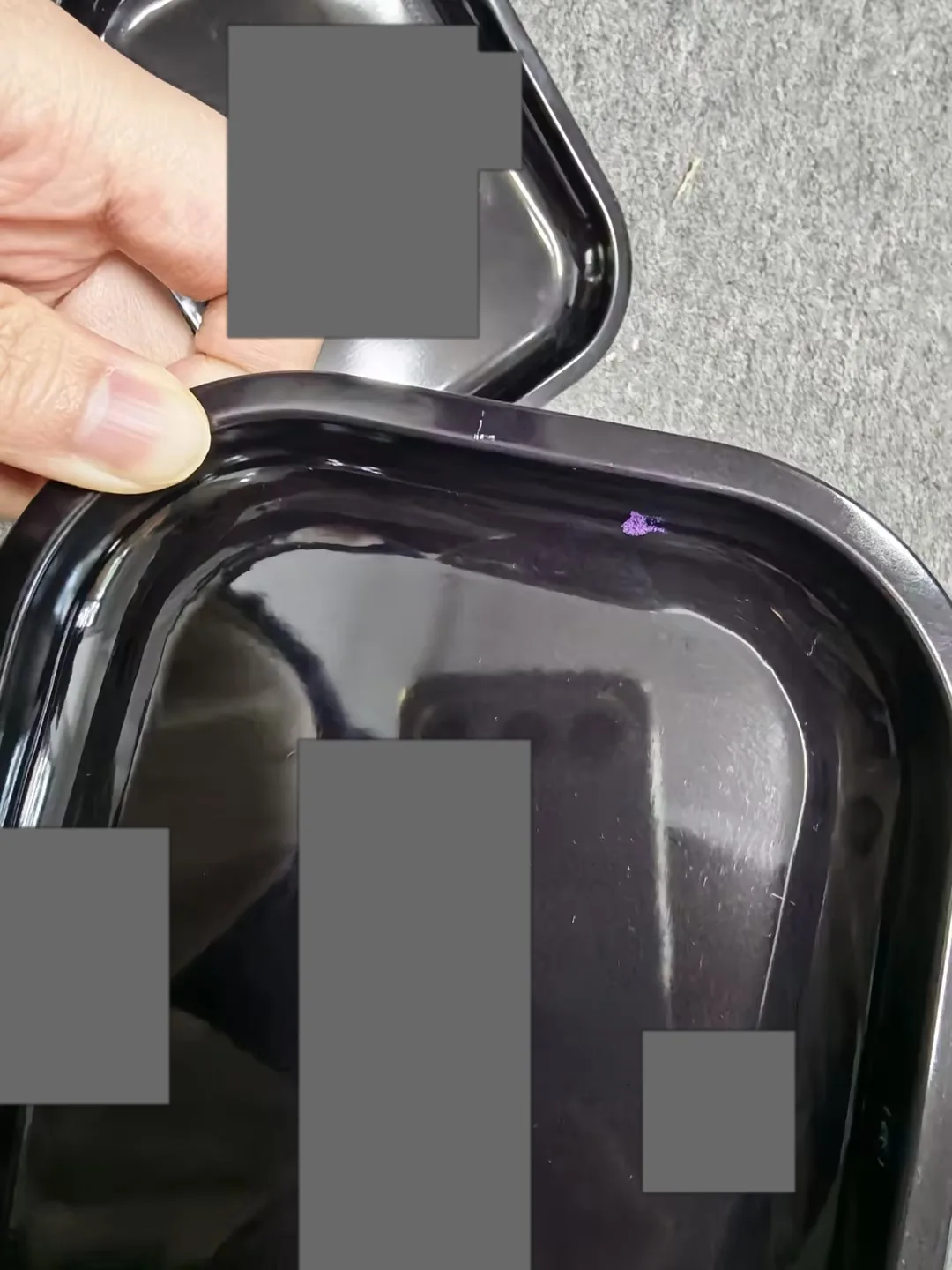
A brand client ordered 1,000 metal trays. The first carton of 200 had 34 defective pieces. That is about 17% of the carton, far too high for a brand that sells on quality. The defects were easy to see: scuffs and scratches on the coated surface, long scratches on the back, and chipped coating on the rim.
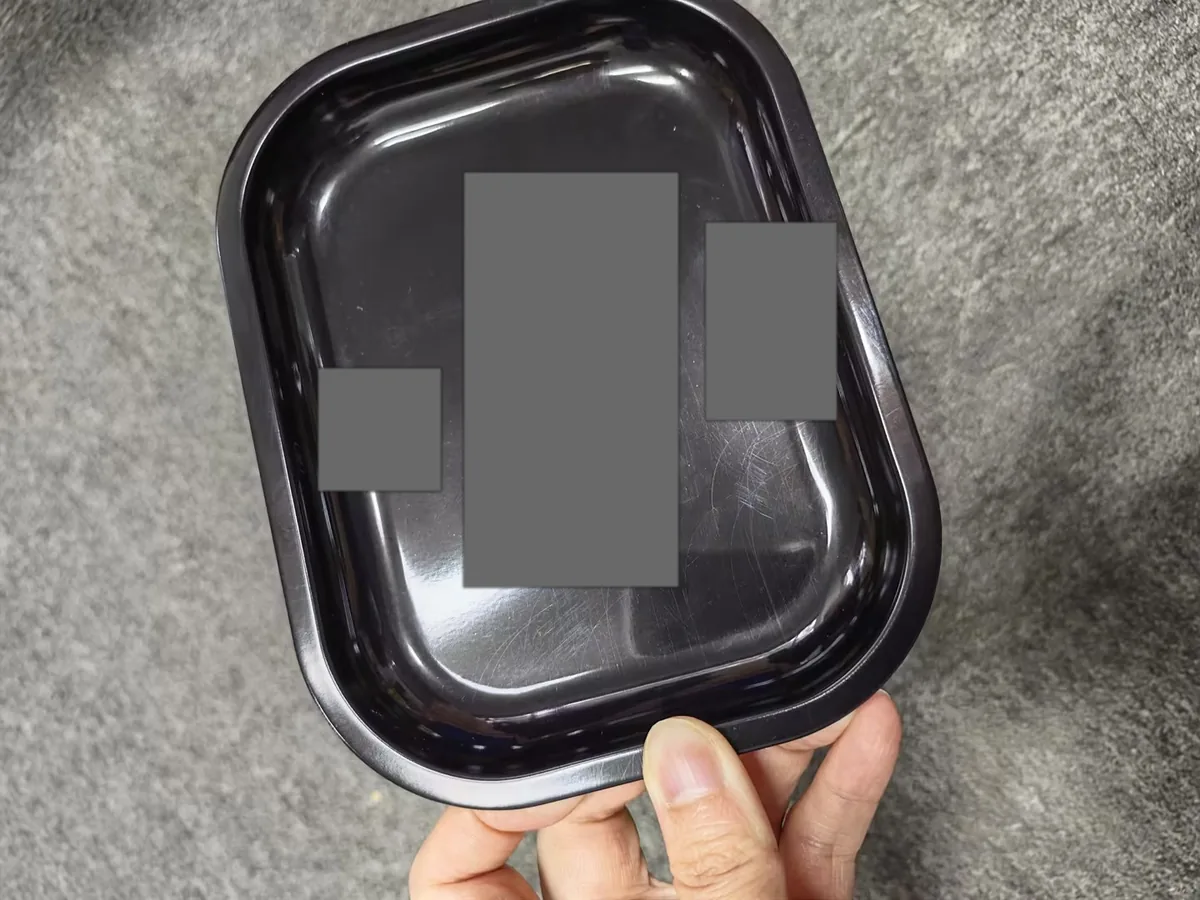
So we carried out a 100% inspection: we sorted the entire order, every piece of the 1,000, instead of judging the order from a sample. Full sorting found 108 defective trays. Every defective tray was set aside and grouped by defect type, so the count could be checked by anyone, including the factory.
The cause
The defects were not random. The damage pattern pointed to how the trays were handled between processes and how they were packed, not to the forming or coating itself. We found three root causes:
Handling and stacking between processes. Trays were stacked directly on each other and moved between steps, so finished surfaces rubbed together.
Debris in the workshop. Small debris on work surfaces scratched the coating when trays were put down or slid.
Weak carton protection. The cartons did not protect the trays from drops in transit, which chipped rims and edges.
What we did
We presented the factory with the evidence: the full count, the defective trays grouped by type, and the link between each defect type and a step in its own process. With that in front of it, the discussion was not about whether the defects existed. The factory acknowledged that its workers had handled the trays carelessly, accepted responsibility, and added all 108 replacement pieces to its current production schedule, remaking them right away within that schedule.
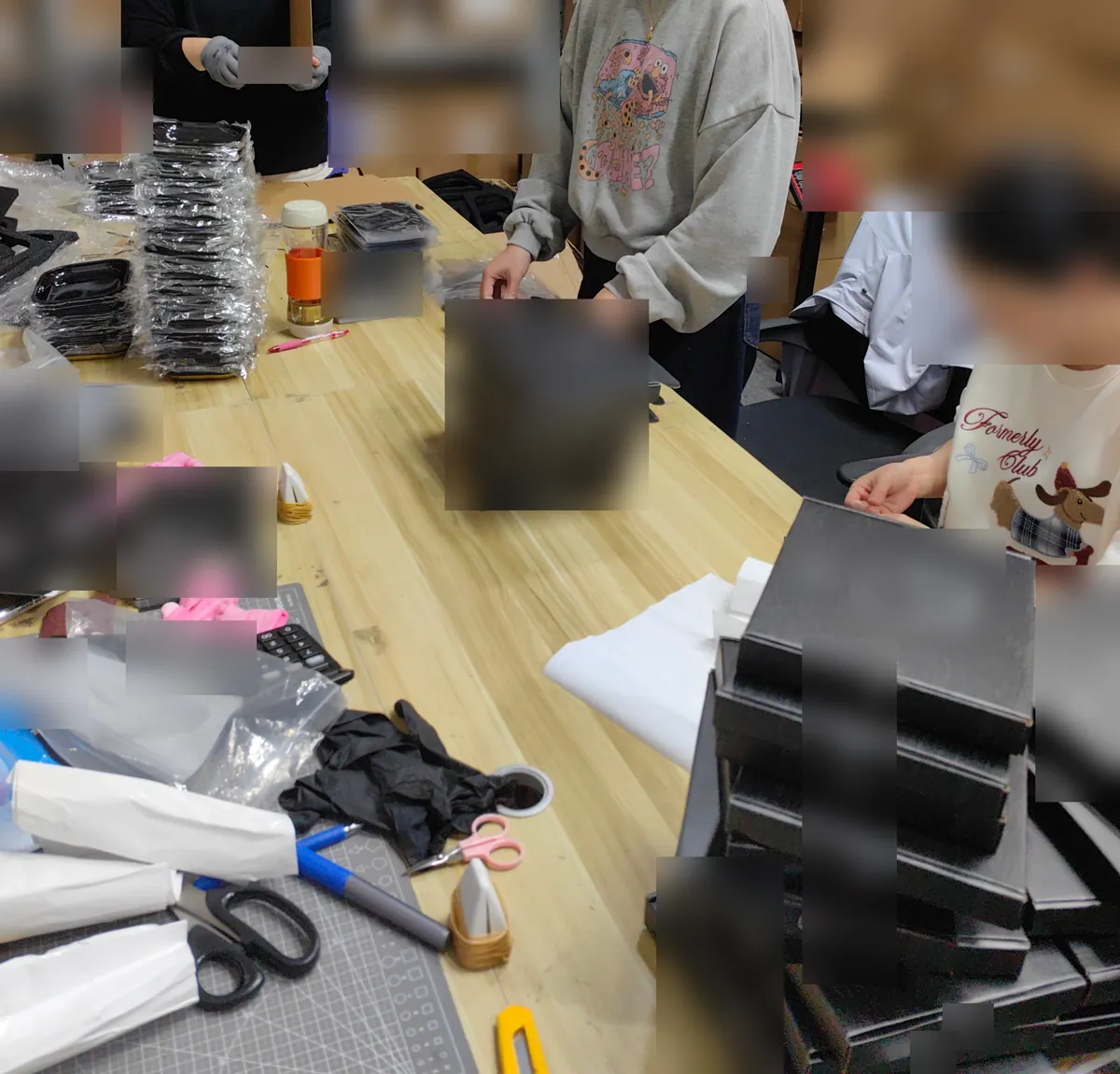
At the same time, we changed the packaging so the problem would not repeat. Foam spacers went between trays, so finished surfaces no longer rub during stacking and transit. Cartons were reinforced so they protect the trays when a carton is dropped.
The brand did not have to negotiate with the factory, chase the remake or redesign the packaging.
Result and lesson
The factory remade all 108 defective pieces within its current production schedule. The brand never had to deal with the factory directly.
Finding the cause matters more than finding the defects. If only the bad trays are replaced, the next order is packed the same way and arrives with the same damage. Spacers, carton strength and how units are stacked belong in the specification, not only the product itself.
A longer write-up of this project, including what brands can learn from it, is on our blog: Defective Products from China: How 34 Bad Trays in One Carton Led to a Full Remake.
Related: quality control in China, piece-by-piece inspection, custom packaging.