
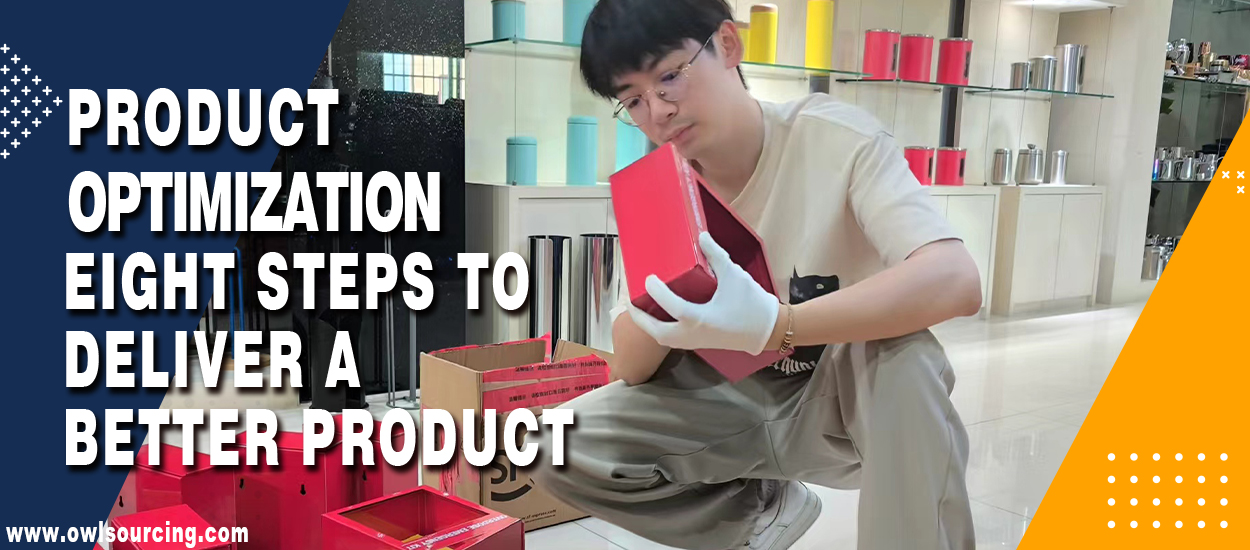

Product optimisation is a crucial aspect of every business selling a product. A business must be able to fashion its product to meet the desired needs of its customers. Product optimisation makes it possible for the company to do so. You might think about this term if you import from China.
But what is even product optimisation? How do you do it? And why should it matter? We know these questions are swirling in your head, and this article hopes to provide answers. Keep reading for helpful insights.
What is Product Optimisation, And Why Does It Matter?

Product optimisation is a series of steps to ensure a product’s better performance. It includes identifying weak points and fixing them for better outcomes.
The steps to an optimised product vary. However, optimisation often requires extensive research. You need to find a manufacturer in China who offers this service. The research helps determine whether the project matches the customer’s needs. After that, you can make prototypes and try to align your products with what the market prefers.
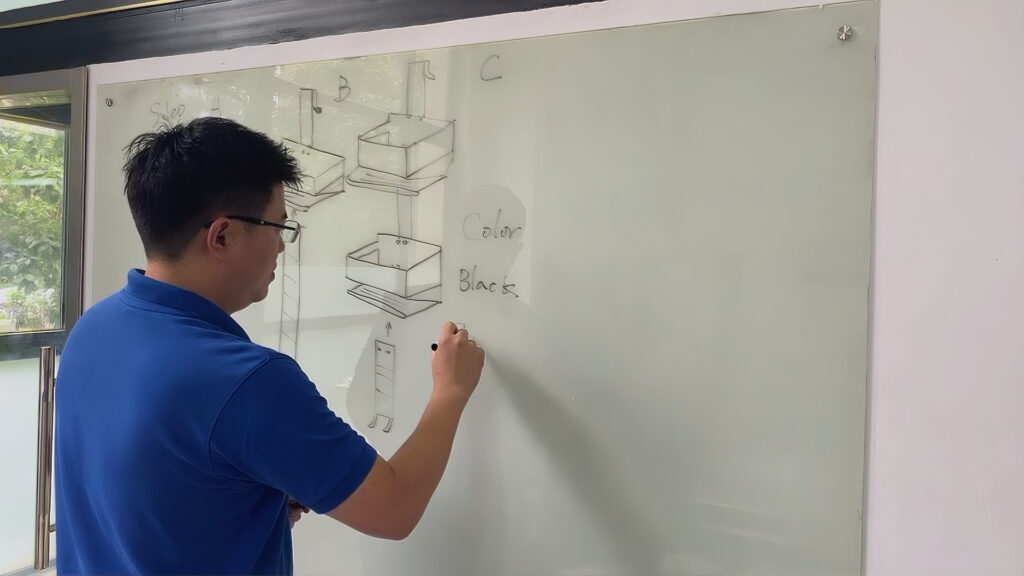
Do you still believe that “optimization” only refers to speeding up processes?
Let’s face it, anyone can increase output.
That isn’t optimization. That simply means applying more pressure to the gas pedal.China’s actual optimization? It’s a complete alignment of your product’s design, functionality, and perception.
What’s Really Going On?
Optimization is treated by far too many importers as a one-time factory upgrade.
Change a machine. Reduce the lead time. Completed.What happens, though, if the product fails when it hits the market?
When clients request a change, an updated version, or improved packaging, and your supplier is unable to provide it without causing havoc?
Why Should You Opt for Product Optimisation?
Why should product optimisation matter? Does your business have anything to gain from it? Yes, every industry has a lot of things to gain from product optimisation. Here are the perks of opting for product optimisation:
1) Improved User Experience

Product optimisation ensures that your product appeals to a broad audience. It also offers an enhanced user experience by providing the necessary features.
For example, suppose you import LED lights from China. Then, you can improve products by adding features that offer more light and consume less electricity.
After proper research of your customers needs, align your products to match them. It will stir loyalty and increase functionality.
2) Better Performance
When you optimise a product, you improve its performance. You can look for potential bottlenecks.
Suppose you are importing kitchen utensils from China. Perhaps you produce knives and they aren’t sharp enough; adjust the sharpness. Another example is when you import electronics from China. So, optimising your electronic products for faster speed will help you improve them.
These adjustments are what turn users into loyal customers. Product optimisation helps improve product quality, which improves performance.
3) Enhanced Retention
Product optimisation builds a positive brand image. It shows that your business is interested in pleasing its customers. Also, optimization leaves a good impression.
It is similar to the business behemoth Samsung. The company releases new optimised mobile phones biannually. Each model addresses its users’ concerns. This way, it better serves them with faster speed and performance.
From Quicker to More Intelligent
The top Chinese manufacturers refine rather than just build.
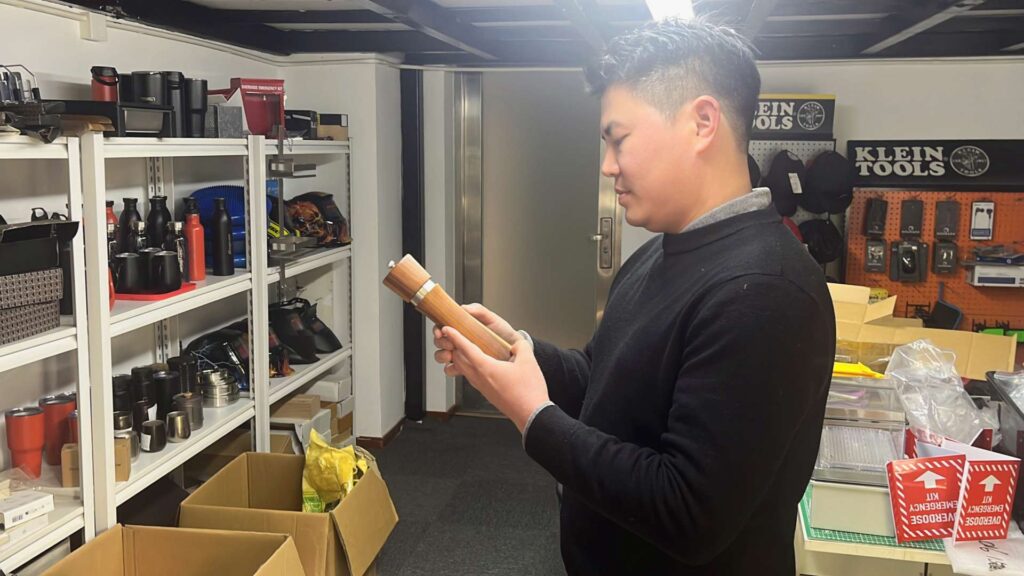
They pinpoint areas of weakness, create prototypes, test, modify, and test once more.
To create products that truly meet consumer needs, they employ automation, 3D modeling, and in-depth research.And collaboration is necessary for that.
You need a team that comprehends both production and perception, not just a factory.The Broad View
Working harder isn’t the goal of true optimization. It’s about working more efficiently.
Whether it’s your supplier setup, your product specifications, or even your online presence, it’s about knowing where to make adjustments.Because if you’re going in the wrong direction, speed is meaningless.
Product Optimization Process
Now, let’s explore the required steps for product optimization. The steps are easy to grasp. You might miss a couple of steps on the first try, but it gets easier. You can use the knowledge to deliver better products and get more customer retention:
Step 1: Understanding Customer Needs and Feedback

Knowing what your customer needs from you is crucial. Optimizing alone is not enough; you must also optimize in the right direction.
To do this, you need to listen. Several brands choose to optimize their products without consulting customers. They include new specs that aren’t necessary and get a heated backlash. Hence, the first recommended step is to pay attention.
Step 2: Market Research for Product Insights
While customer feedback is critical, so is market research. Find out what the competition is doing that attracts customers.
Once you can spot these features, you know where to focus your attention. Moreover, market research can offer insight into how to optimize product performance. Well, many Chinese suppliers can help you at this stage.
Step 3: Enhancing Product Design for Maximum Efficiency
Efficiency is crucial when optimizing a product. It is best to design a product with maximum efficiency in mind. Try different prototypes to see how the products function in real-life situations. Learn how to make a prototype in China.
Step 4: Enhancing Product Performance and Durability
Products should perform their best and last long. Durability and performance are crucial metrics used to gauge how good a product is. Hence, when optimizing your products, you must include making them durable. Moreover, ensure you preserve how well they work.
Step 5: Implementing Efficient Production Techniques
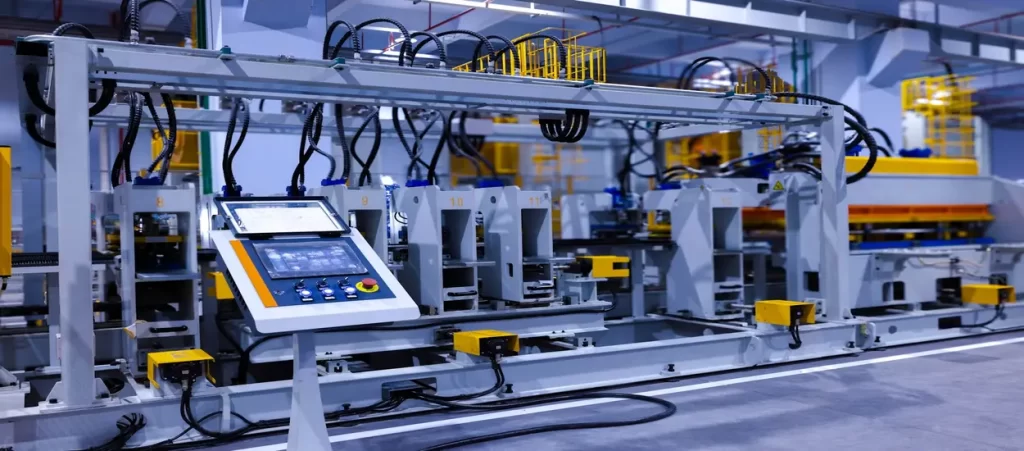
How do you make the production? You have to implement efficient production techniques to produce desired products.
There are quicker and more effective tools for product development optimization. Leverage these techniques for speed to ensure you meet the demands in record time.
Step 6: Continuous Testing and Iteration for Product Improvement
Testing is a crucial step in optimizing your product. Your business must be confident that the product meets the required functionality. Continuous testing and iteration are needed. You can hire third-party inspection companies to help.
In contrast, release some beta products to trusted customers and await their reviews. When you test the product, you know the pain points and what to adjust before you release it to the public.
You can perform quality control in China at the time of production. Hire a third-party quality inspection in China to do this.
Step 7: Managing Costs without Compromising Quality (Product Price)
A primary concern during product optimization is maintaining the price without massive trade-offs. Optimizing products can be expensive. They often require new hands, parts, and skill sets.
When optimizing the product, the cost price goes up. Many businesses hike their prices to maintain a solid profit margin. However, some decide to trade part of the product quality. This issue is a recurring one, and it is crucial to know how to navigate it.
Seek to cut costs in other areas. You can negotiate with suppliers for lower material costs. Or you can discuss how to streamline the manufacturing process.
Best of all, undergo cost analysis. It helps you spot places you can cut costs without affecting the quality of the products. You can hire professional help if it seems too daunting.
Step 8: Get Feedback
How else will you know you have done an excellent job? Manufacturing is like a ping-pong match. When your products get back to the market, listen for feedback.
Moreover, product performance enhancement is not a one-off commitment. You have to do product optimization over and over to ensure your product is following the trend.
Common Challenges with Product Optimization
Product Optimization is not as simple as banging sticks together. We really wish it were. Instead, the process is a series of complex activities and one wrong step, and it blows up in your face.
I always ask you to avoid sourcing mistakes when importing from China. Likewise, you should also avoid product optimization mistakes.
It is crucial to know the possible challenges. This way, you have a rounded perspective on how to approach product optimization. Here are common challenges with product optimization:
1) Implementing New Technology
Product optimization might require recent technologies. You might need cutting-edge technology that the business doesn’t yet have access to. This inconvenience will lead to extra costs and more effort.
2) Integrating Feedback

Getting feedback is simple. You can use reviews and ratings or request feedback from customers. However, the issue surfaces when you want to incorporate this feedback. Which feedback should you ignore? Which feedback should you include? Do you include the feedback input?
Furthermore, many reviews feature unrealistic expectations that could make your product too expensive. Hence, it is crucial to know how to filter the feedback. This way, you integrate features that would make a difference while keeping the cost low.
Many major manufacturing companies do this. It is a cost-effective approach to product optimization.
3) Required Expertise
Some optimization steps require skilled hands. When optimizing product features, you might need a skill set your business lacks. Obtaining these skills might be expensive or take time.
4) Balancing Efficiency with Cost-effectiveness
Many suggestions include adding new features. Making a better chair that’s softer and more compact might require buying a lot more. It might lead to inflated cost prices. Setting a new price might lead to losing customers even when you add new features.
Opting for product optimization comes with several challenges. For example, how do you align your business to the new demands? How do you include the new demands while keeping the price of goods low? How do you get suitable suppliers for the optimization?
However, the challenges don’t have to drain your business to failure. Several ways exist to bypass this issue. One of the best practices for product optimization is using a sourcing agent. Below, we address more about how sourcing agents work. Choosing that route would save a lot of time and effort.
Read More:
- What Are Amazon’s New FBA Fees and Policies?
- How to Consolidate Shipments from China?
- How to Manufacture Injection Moulds in China?
- How to Import Solar Panels from China؟
Outsource your product optimization to OwlSourcing
There are many steps to keep track of when you decide to optimize products. If this is your first time opting for product optimization, it can be overwhelming.
Even a lot of experienced manufacturers don’t have it easy. Unless you are a massive company with a dedicated product optimization team, it is not an easy ride. So, what do you do?
We know the obsession with keeping things simple, so we are here to help. Instead of worrying about what customers have to say, get a sourcing agent. Outsourcing your product optimization ensures you get the steps right.
Plus, it allows you to have time to attend to other aspects, like marketing and distribution. Contact us, and let’s arrange something suitable. Our team responds fast, and in under five minutes, we work towards a solution.
FAQs:
1) How Often Should You Optimize Products?
There is no fixed schedule to do this. However, I suggest you review and optimize products at least annually. You can do it if there is consistent customer feedback pointing to specific issues.
2) Can You Optimize Multiple Products Simultaneously?
Yes! However, I suggest you focus on one product line at a time to ensure proper resource allocation. This task will get easy if you hire a reliable China sourcing agent.
3) What Is the Minimum Budget Needed for Product Optimization?
The budget can vary depending on the product design and scope of optimization. You can start with a focused approach. Work on the essential aspects if you are working with limited resources.
4) Is It Worth Hiring a Dedicated Optimization Team?
Yes! It is often more cost-effective to work with sourcing agents like OwlSourcing initially. You will find it beneficial rather than maintain a full-time optimization team.