
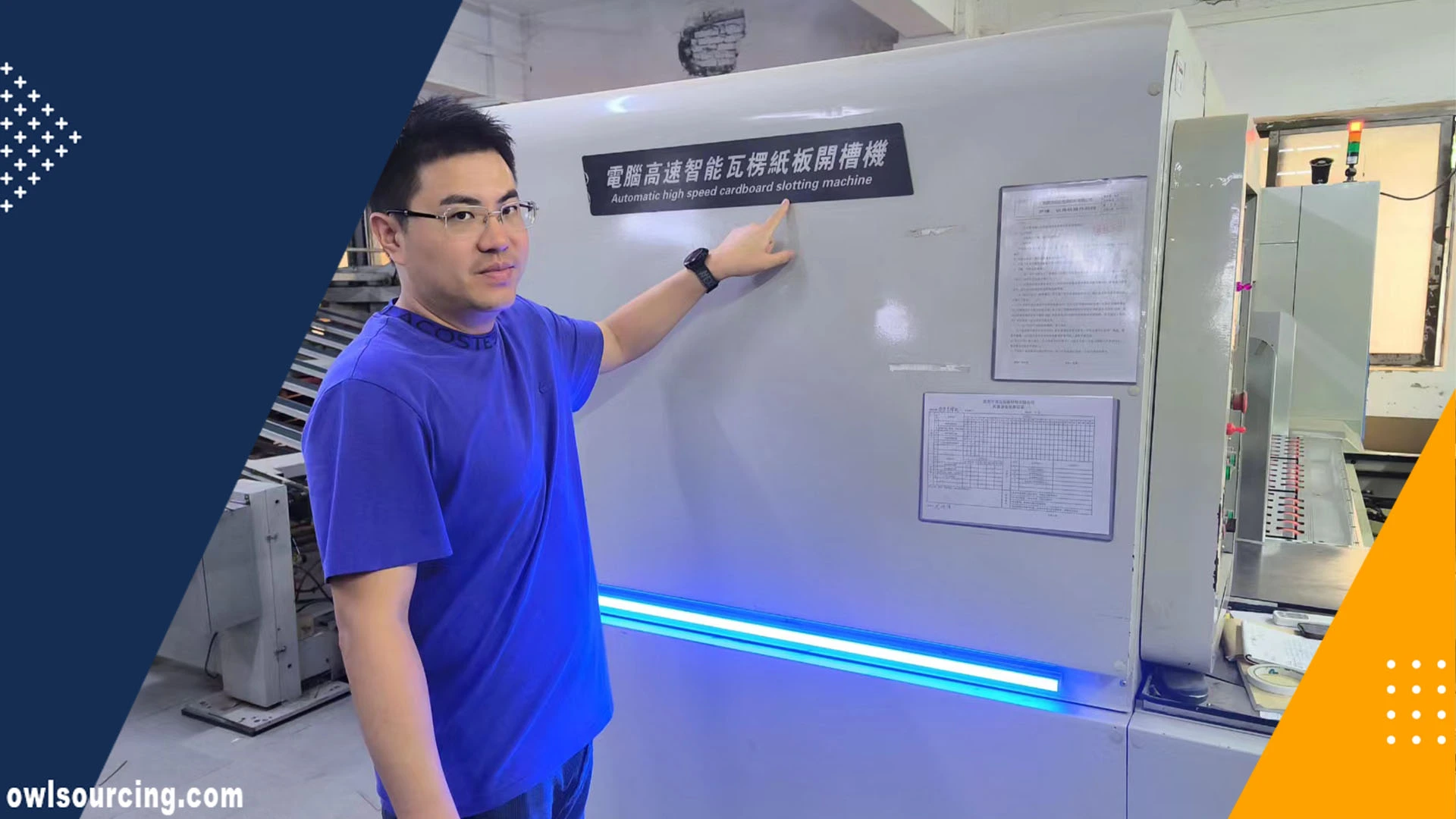

Many importers believe that clear communication, professional quotations, and successful sample approvals mean a supplier is ready for production. But in reality, that is not the case.
Quick Answer
An on-site factory inspection is a physical evaluation of a manufacturer’s facilities, equipment, workforce, quality systems, and operational processes before or during cooperation. The inspection verifies whether the factory can consistently produce products at the required quality and volume. A proper factory inspection often identifies hidden risks such as fake certifications, unsuitable machinery, overstated production capacity, and poor warehouse management before they create costly delays or quality failures.
What is Factory Inspection: A factory inspection is an on-site verification process that evaluates a supplier’s production capability, quality systems, workforce, equipment, and compliance before production begins. Most inspections require 4 to 6 hours on-site and typically review dozens of operational checkpoints that cannot be validated through emails, video calls, or product samples alone.
Why an On-Site Factory Inspection Matters More Than Samples
A perfect sample proves that a factory can make one good product.
It does not prove that the same factory can manufacture 5,000 units consistently, maintain quality standards, or deliver on schedule. Industry audit guides repeatedly emphasize that production capability differs significantly from sample capability.
At OwlSourcing, we regularly encounter factories that present impressive certifications and communication during sourcing discussions. However, physical inspections often reveal issues that would never appear during online meetings.
Common findings include:
- Fake or unverifiable certifications
- Production lines unsuitable for the intended product
- Disorganized raw material storage
- Poor traceability systems
- Hidden subcontracting arrangements
- Capacity claims that exceed actual production capability
Based on our sourcing experience, approximately 30% of supplier evaluations reveal significant operational concerns during physical inspections, despite appearing qualified during online communication.
A supplier can provide accurate answers during video calls or meeting while still operating an unsuitable factory floor.
The key lesson: communication validates intentions, while factory inspections validate reality.
The Hidden Costs of Skipping Factory Inspections in 2026
Most buyers focus on the inspection cost.
Experienced importers focus on the cost of not inspecting.
Recent sourcing and audit reports show that supplier misrepresentation, hidden subcontracting, and overstated production capacity remain common sourcing risks.
Consider a typical Amazon FBA scenario:
| Event | Financial Impact |
|---|---|
| Production delay of 21 days | Missed seasonal sales |
| Packaging failure | Amazon receiving delays |
| Quality defect rate above 8% | Refunds and negative reviews |
| Incorrect labeling | FBA compliance costs |
| Hidden subcontracting | Inconsistent product quality |
At OwlSourcing, we have found that conducting a physical factory inspection before cooperation often prevents 15% to 30% additional losses during delivery periods and peak selling seasons.
For many Amazon sellers, that loss exceeds the entire sourcing budget for the year.
A factory inspection is not an expense. It is a risk reduction mechanism.
The numbers matter because a delayed container arriving after Prime Day or Black Friday can permanently impact revenue forecasts.
What to Check During a Factory Inspection

A factory inspection checklist should focus on operational reality rather than marketing materials.
Many factory audit guides recommend examining four core areas: legal legitimacy, production capability, quality systems, and warehouse management.
1. Production Equipment
Check whether the machinery matches your product requirements.
For example, a factory producing precision aluminum products requires different equipment from a facility manufacturing textile goods.
Red flags include:
- Obsolete machinery
- Borrowed equipment
- Idle production lines
- Equipment with no maintenance records
2. Warehouse Organization
Warehouse conditions reveal more than presentations.
Inspect:
- Raw material storage
- Finished goods segregation
- Product labeling systems
- Inventory tracking procedures
Messy storage often correlates with inconsistent production management.
3. Quality Control Stations
Look for documented quality checkpoints.
Verify:
- Incoming material inspection
- In-process inspections
- Final inspection procedures
- Corrective action records
Many factories display quality manuals. Fewer actually follow them consistently.
4. Workforce and Capacity
Compare worker counts with production claims.
A supplier claiming monthly output of 100,000 units should have staffing and equipment that support that volume.
Several audit specialists identify worker count discrepancies as one of the most common sourcing risks.
The inspection goal is simple: confirm that operational reality matches sales promises.
The OwlSourcing Factory Reality Verification Process – 5 Steps
Many factory audits stop after checking licenses and certifications.
We developed a more operational approach because paperwork rarely causes shipment failures. Production problems do.
Step 1: Certification Authentication
Verify certificates against issuing organizations and confirm product category coverage.
Step 2: Equipment Validation
Match machinery specifications with actual product manufacturing requirements and projected order volumes.
Step 3: Production Floor Assessment
Review workflow organization, material movement, workstation efficiency, and process controls.
Step 4: Warehouse Traceability Check
Evaluate raw material identification, inventory management, finished goods segregation, and shipment preparation.
Step 5: Capacity Stress Test
Compare machine counts, workforce levels, shift schedules, and production records to determine realistic output capability.
Using this process, OwlSourcing frequently identifies hidden risks that online supplier evaluations fail to uncover.
In approximately 30% of factory evaluations, we find discrepancies between supplier claims and operational conditions.
These findings often prevent downstream issues that could otherwise generate 15% to 30% additional losses during fulfillment and peak sales periods.
On-Site Factory Inspection vs Remote Verification
Many suppliers now offer virtual factory tours.
Virtual tours provide useful information but cannot replace physical inspections.
| Evaluation Method | Facility Access | Equipment Verification | Warehouse Inspection | Capacity Validation | Hidden Risk Detection |
|---|---|---|---|---|---|
| Video Call | Limited | Partial | Limited | Low | Low |
| Remote Audit | Moderate | Moderate | Moderate | Moderate | Moderate |
| Third-Party Factory Audit | High | High | High | High | High |
| OwlSourcing On-Site Inspection | High | High | High | High with operational cross-checking | High |
Physical inspections allow auditors to:
- Observe actual production activity
- Verify machine usage
- Inspect warehouse conditions
- Interview production personnel
- Detect unauthorized subcontracting
Several factory audit experts note that many critical findings only emerge during direct floor observation.
Remote verification works best as a preliminary screening tool.
Major purchase orders require physical validation.
On-Site Factory Inspection Guide for 2026: When Should You Visit?
Not every order requires a flight to China.
However, certain situations justify mandatory inspections.
Conduct an on-site factory inspection when:
- Working with a new factory
- Launching a private-label product
- Ordering above $10,000
- Entering peak seasonal production
- Changing materials or specifications
- Experiencing recurring quality issues
Industry sourcing guides increasingly recommend combining document verification with physical audits for higher-value orders.
The earlier you inspect, the more options you have.
Finding problems after production begins significantly increases correction costs.
A factory inspection creates visibility before capital becomes committed.
FAQ
What should you check during a factory inspection?
A factory inspection should verify production equipment, warehouse organization, quality control systems, worker capacity, certifications, and operational processes. Physical observations often reveal issues such as unsuitable machinery, poor inventory management, or overstated production capacity that cannot be detected through supplier communications alone.
Why is an on-site factory inspection important before placing an order?
An on-site factory inspection confirms whether a supplier can consistently manufacture products at the required quality and volume. The inspection validates production capability, verifies certifications, identifies operational weaknesses, and reduces the risk of delays, defects, and hidden subcontracting arrangements.
How much can a factory audit reduce sourcing risks?
A factory audit cannot eliminate all sourcing risks, but it significantly improves supplier visibility before production begins. OwlSourcing’s inspection experience shows that physical factory visits frequently uncover issues that could otherwise contribute to approximately 15% to 30% additional losses during delivery periods and peak selling seasons.
Contact OwlSourcing for a Factory Inspection Assessment
If you are evaluating a new supplier or reviewing an existing manufacturing partner, a factory inspection provides information that emails, samples, and video calls cannot deliver.
OwlSourcing conducts on-site factory inspections before cooperation begins and throughout ongoing supplier relationships. Our team verifies production capability, validates certifications, evaluates warehouse conditions, and confirms that factory operations match supplier claims.
Request a free sourcing consultation, supplier assessment, or factory inspection review at owlsourcing.com and identify potential risks before they impact your business.