

The first time I looked into sourcing products from China for the Canadian market, I thought, “How complicated could it be?” Find a factory, place an order, and ship it across the ocean. Easy, right?
Well… not quite.
Between supplier verification, Canadian import regulations, quality inspections, shipping logistics, and the occasional language barrier, things can get complicated fast. And if you’re running a business, the last thing you want is a shipment stuck at the border or a container full of products that don’t meet Canadian standards.
That’s exactly why many Canadian companies turn to a China sourcing agent. The right partner doesn’t just connect you with factories—they manage the entire process so importing becomes predictable, compliant, and profitable.
Let’s break it down.
At a Glance: Sourcing from China to Canada
If you’re thinking about importing from China, here’s what the process really involves:
-
Finding reliable manufacturers that match your product requirements
-
Ensuring compliance with Canadian regulations (CSA, Health Canada, labelling rules)
-
Managing samples, production, and quality inspections
-
Handling shipping logistics to Canadian ports like Vancouver or Montreal
-
Preparing customs documentation for CBSA clearance
-
Controlling risks such as supplier fraud, delays, or product defects
This is exactly where a sourcing partner like OwlSourcing becomes incredibly valuable. Now let’s walk through what actually matters when sourcing from China to Canada.
Why Do Canadian Businesses Still Manufacture in China?
Despite constant headlines about shifting supply chains, China remains one of the most powerful manufacturing ecosystems in the world. And from a practical business standpoint, the advantages are still hard to ignore.
First, cost efficiency.
Chinese factories operate at an enormous scale. Whether you’re ordering 1,000 units or 100,000 units, the manufacturing infrastructure is designed to produce efficiently. That translates into competitive pricing for Canadian importers.
But cost is only part of the story. China also offers:
-
Advanced manufacturing technology
-
Experienced suppliers across nearly every product category
-
Flexible customisation for OEM and private-label products
-
Massive production capacity for scaling brands quickly
If you’re importing electronics, home goods, automotive accessories, toys, or apparel, chances are China already has thousands of factories specialising in exactly what you need. The key question isn’t whether China can manufacture your product.
It’s which factory you should trust. And that’s where things get interesting.
Finding Reliable Suppliers for Canadian Importers in China
Anyone who has searched for manufacturers online knows the feeling. You open a Chinese B2B sourcing platform, type your product into the search bar… And suddenly you’re staring at 2,000 suppliers claiming they’re the best.
So how do you separate real manufacturers from trading companies or, worse, unreliable vendors? Experienced importers typically evaluate suppliers based on several factors:
1. Business verification
A legitimate manufacturer should have a valid Chinese business licence, export history, and industry certifications such as ISO or CE, where applicable.
2. Manufacturing capability
Different factories specialise in different production methods. Injection moulding, die casting, stamping, and electronics assembly—each requires specific equipment and expertise.
3. Export experience
Factories familiar with international clients are far more likely to understand packaging standards, compliance documentation, and shipping logistics.
Still, verifying suppliers remotely can be risky. That’s why many Canadian businesses rely on sourcing partners like OwlSourcing, who already maintain networks of vetted factories across China. Instead of guessing, you start with manufacturers that are already proven. And that alone can save months of trial and error.
Navigating Canadian Import Regulations
Here’s something a lot of first-time importers underestimate. Getting products manufactured is only half the job. Getting them legally into Canada is the other half.
Canada has very specific requirements for imported goods. Before your shipment even leaves China, you need to have several things in place.
Business Number (BN)
Canadian importers must register a business number with an import/export account through the Canada Revenue Agency. Without it, goods cannot be cleared through customs.
Product classification
Every imported item must be assigned an HS code (Harmonised System code). This determines:
-
Duty rates
-
GST obligations
-
Whether special permits are required
-
Whether anti-dumping rules apply
Incorrect classification can lead to fines or shipment delays.
Customs documentation
Canadian authorities require several documents, including:
-
Commercial invoice
-
Packing list
-
Bill of lading or Air Waybill (AWB)
-
Canada Customs Invoice for shipments over CAD $2,500
All goods entering Canada must be declared to the Canada Border Services Agency (CBSA), and importers must keep records for at least six years for audit purposes.
That may sound like a lot—but with the right process in place, it becomes routine.
Product Compliance: The Detail That Can Make or Break Your Shipment
If there’s one area where Canadian importers absolutely cannot afford mistakes, it’s compliance. Different product categories must meet different standards before entering the Canadian market.
For example:
-
Electrical products often require CSA, UL, or ETL certification
-
Children’s products must meet strict safety testing standards
-
Cosmetics and health products must follow Health Canada regulations
-
Textiles and consumer goods must follow labelling requirements
And speaking of labelling…
Canada typically requires bilingual labels in English and French. That means product names, origin information, and other key details must appear in both languages. If labelling is incorrect, shipments can be rejected or recalled.
This is why experienced sourcing teams coordinate compliance early in the production process—not after the goods arrive.
Quality Control: The Smart Importer’s Safety Net
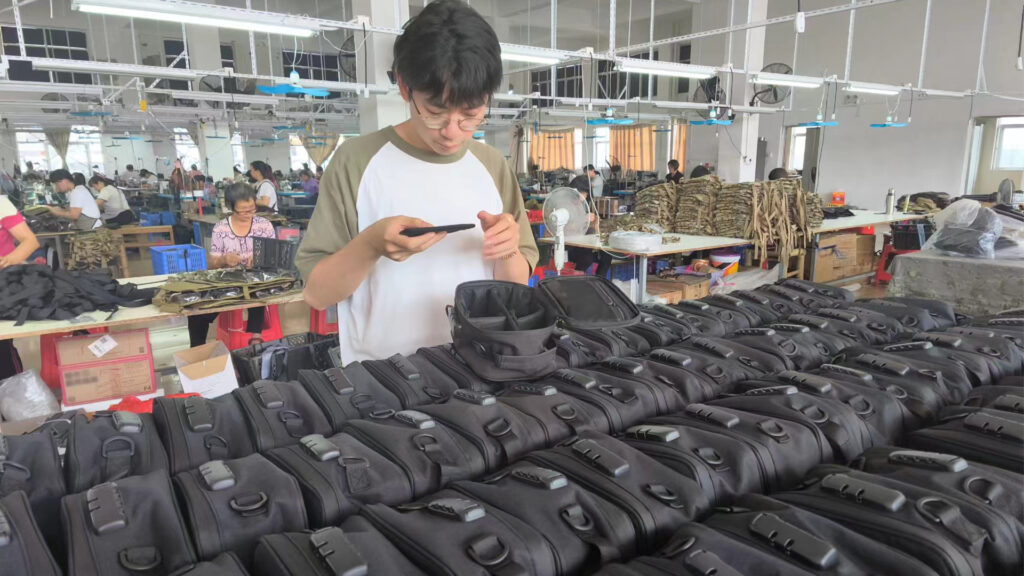
I’ve seen it happen too many times. A company orders thousands of units from a new factory… only to discover defects when the shipment arrives in Canada.
At that point, fixing the problem becomes extremely expensive. Smart importers take a different approach. They build quality checks directly into production.
Typical inspection stages include:
-
Pre-production checks to confirm materials and specifications
-
In-line inspections during manufacturing
-
Pre-shipment inspections before goods leave the factory
Independent inspectors verify product quality, packaging, and quantities before the shipment is approved. Companies like OwlSourcing coordinate these inspections on-site in China, ensuring products meet Canadian expectations before they ever enter a container.
And trust me—catching issues early is far cheaper than dealing with returns later.
Shipping from China to Canada in 2026
Once production is finished, the next challenge is logistics. Most shipments from China to Canada travel through major ports such as:
-
Vancouver
-
Prince Rupert
-
Montreal
-
Halifax
Ocean freight is typically the most economical option, with transit times ranging from 20 to 35 days depending on the route.
Air freight is significantly faster—usually 2–7 days—but comes at a higher cost. Businesses typically reserve it for urgent or high-value shipments. For smaller packages or product samples, express couriers like DHL, FedEx, or UPS are common.
A sourcing partner can coordinate freight consolidation, container booking, and customs documentation, ensuring shipments arrive smoothly at their Canadian destination.
How OwlSourcing Simplifies the Entire Process
This is where everything comes together. At OwlSourcing, the goal isn’t just to help Canadian companies find factories. It’s to manage the entire sourcing journey from start to finish.
Their services include:
-
Factory sourcing and supplier verification
-
Production management and factory communication
-
OEM and ODM product customization
-
Compliance documentation for Canadian imports
-
Quality control inspections during production
-
Freight coordination and delivery to Canadian ports
They work with businesses across Canada—from Toronto and Vancouver to Calgary, Montreal, Ottawa, Winnipeg, and Halifax—supporting importers in a wide range of industries.
Whether you’re sourcing consumer electronics, home décor, kitchenware, toys, or industrial components, the process becomes far more manageable with experienced support on the ground in China.
And frankly, that peace of mind is invaluable.
Read More:
- A Complete Guide to Importing Goods from Hong Kong
- Importing from China to New Zealand
- How to Import Goods from China to Argentina
- How to Import from China to Japan
Final Thoughts!
Sourcing from China to Canada isn’t complicated because it’s impossible. It’s complicated because there are so many moving parts—suppliers, compliance, logistics, inspections, and documentation.
But when the process is managed correctly, the rewards are significant. Lower manufacturing costs, scalable production, and access to one of the most advanced manufacturing ecosystems in the world. And that’s exactly why thousands of Canadian businesses continue to source from China every year.
With the right sourcing strategy—and the right partner like OwlSourcing—importing becomes less of a gamble and more of a competitive advantage. And if you ask me, that’s when global sourcing really starts to get exciting. Contact us now!