
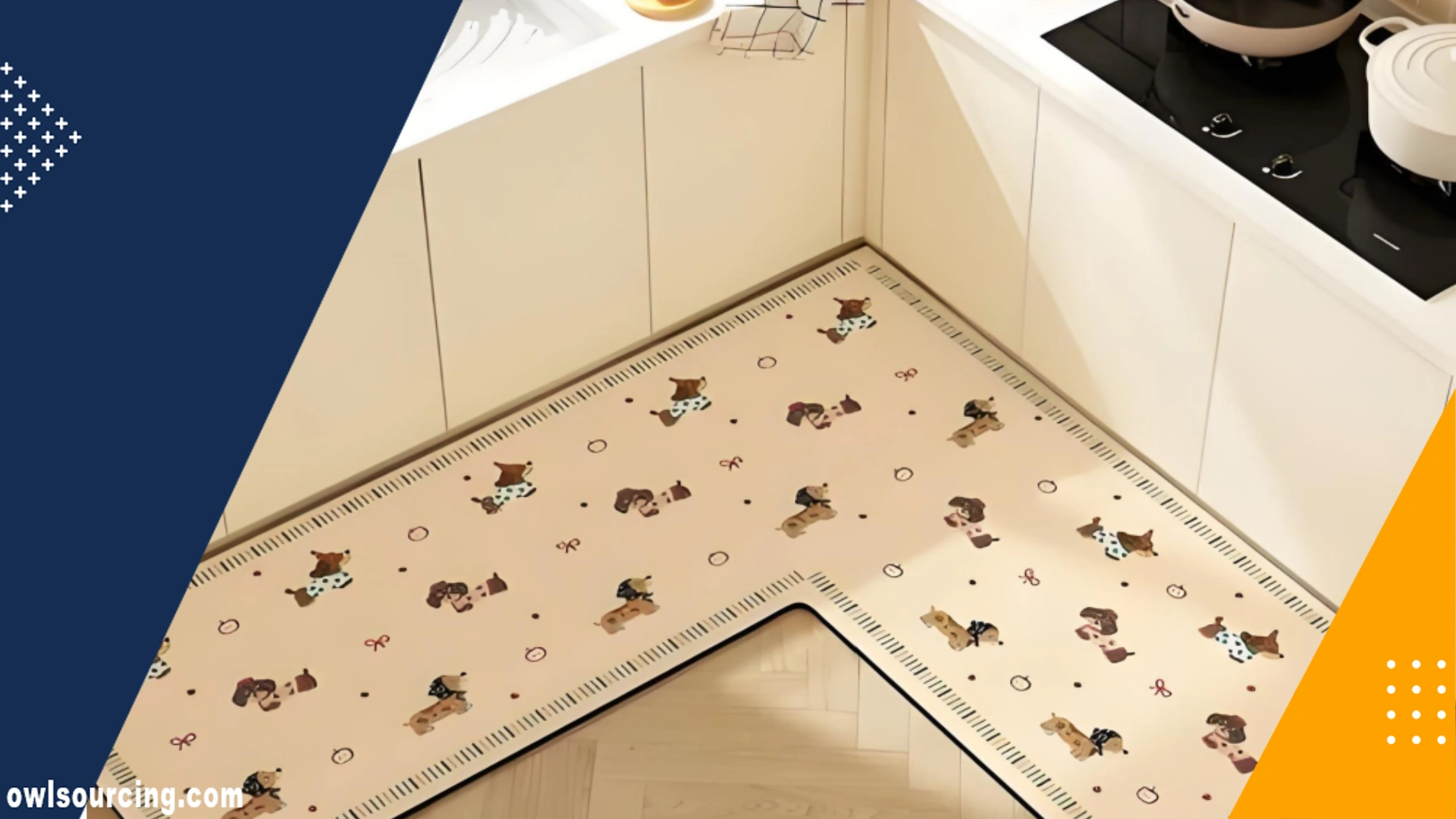

With significant industrial clusters in Zhejiang, Guangdong, Shandong, and Jiangsu, China continues to be one of the world’s top manufacturers and exporters of kitchen mats (including anti-fatigue, anti-slip, PVC/rubber, textile, and custom-printed designs).
This expert list of leading Chinese kitchen mat producers and suppliers is ideal if you’re looking for high-quality, large-scale, or OEM/ODM custom orders:
Top Manufacturer and Supplier of Kitchen Mats in China
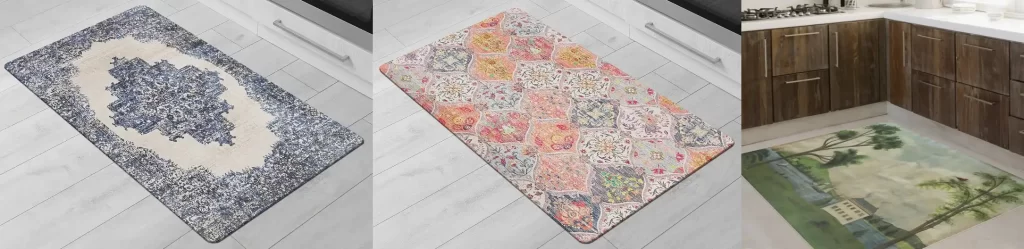
When customers work with us instead of buying directly from factories or distributors, their total landed cost is often lower, not higher. This is because we help to minimise the costs of hidden errors, rework, delays, and quality issues that normally occur and can quickly exhaust budgets.
By working closely with the manufacturer throughout the entire process of sourcing materials and managing product quality control, we also provide product modifications, package design and other customisation services. The outcome is not only a quality end product but also a stable and reliable long-term source for that product with diminished risk.
Our company has become known for developing completely customised products and provides a complete solution from design, through manufacturing and packaging, to shipping, all within the same coordinated structure.
1. Benyi Textile Technology Co., Ltd., Zhejiang.
Benyi is based in Shaoxing, a centre for printed and woven textiles, and specialises in kitchen mats that blend efficient production with personalised design.
Key benefits:
- Controlling weaving, dyeing/printing, and finishing all at once
- Robust R&D group for seasonal trends in fabrics
- Flexibility with custom orders for retailers and brands
2. Houseware Co., Ltd., Ningbo Hapton.

A verified Ningbo houseware manufacturer with more than ten years of expertise in kitchen mats and associated floor coverings.
Ideal for:
- Memory-foam rugs, bath mats, and regular kitchen mats
- Dependable delivery and affordable prices
- OEM assistance for sourcing private labels
3. Home Textile Co., Ltd., Xianju Xinyue.
A textile manufacturer based in Zhejiang that specialises in producing custom kitchen mats while adhering to ISO9001 and BSCI quality systems.
Key benefits:
- Experience in global exports
- Ability to customise printing and mat styles
- Broad product mix (bath, living room, kitchen mats)
4. Spreey Textile Co., Ltd. of Guangzhou.
Known for attentive service and high reorder rates, this Guangdong-based supplier is smaller but incredibly responsive.
Why consider them:
- Quick response and adaptable MOQ
- A good option for boutique buyers or smaller companies
5. Rubber Products Co., Ltd., Cixi Hongcheng.
specialises in rubber-backed kitchen mats with superior wear resistance and grip, making them perfect for high-traffic or anti-fatigue kitchen settings.
Top advantages:
- Sturdy rubber backing
- A good mix between cost and quality
- Suitable for commercial kitchens and home use
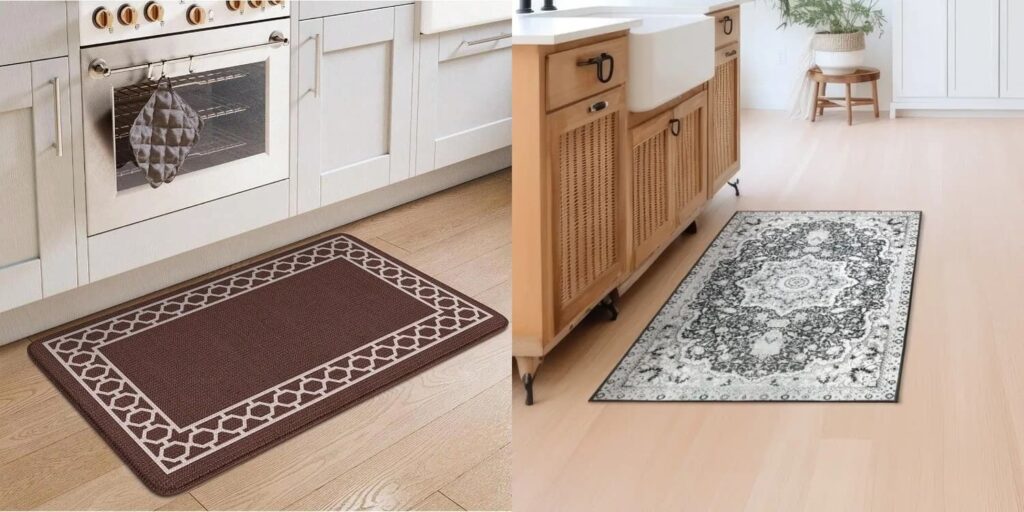
How to find a reliable custom kitchen mat manufacturer or supplier in China?
1. Start With Supplier Discovery (Reality Check)
Most buyers think Alibaba = safe.
That assumption is where problems start.
Late deliveries.
Materials quietly swapped.
“Factory” turns out to be a guy with a laptop and a WeChat account.
If you want the lowest-risk path, this is the real ranking 👇
✅ Option #1 (Most Reliable): Work With a China Sourcing Agent
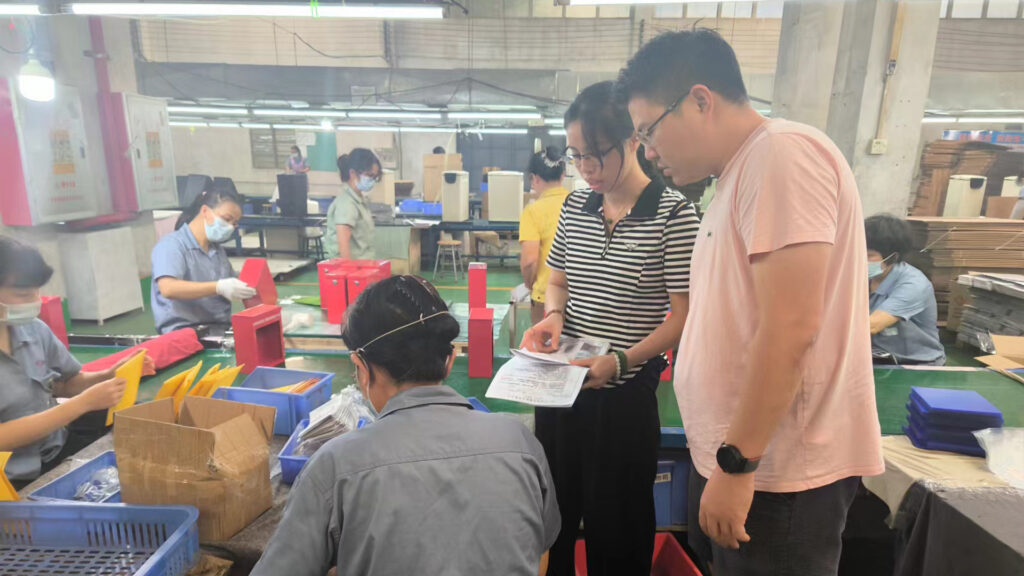
A professional China sourcing agent outperforms any online platform because they operate within the system, not behind a screen.
Why sourcing agents outperform B2B marketplaces:
-
✅ Direct access to real factories (not trading companies pretending to manufacture)
-
✅ Factory background checks (licenses, ownership, production history)
-
✅ On-site quality control during production — not after problems appear
-
✅ Sample verification vs mass production (same material, same process)
-
✅ Negotiation in Chinese, prices, MOQs, tooling, packaging
-
✅ Custom product development that competitors cannot copy or find online
-
✅ Problem-solving on the factory floor, not via email excuses
For custom kitchen mats (materials, anti-slip backing, thickness, printing, and compliance), price matters less than the other factors.
⚠️ Option #2: Online B2B Marketplaces (Use With Caution)
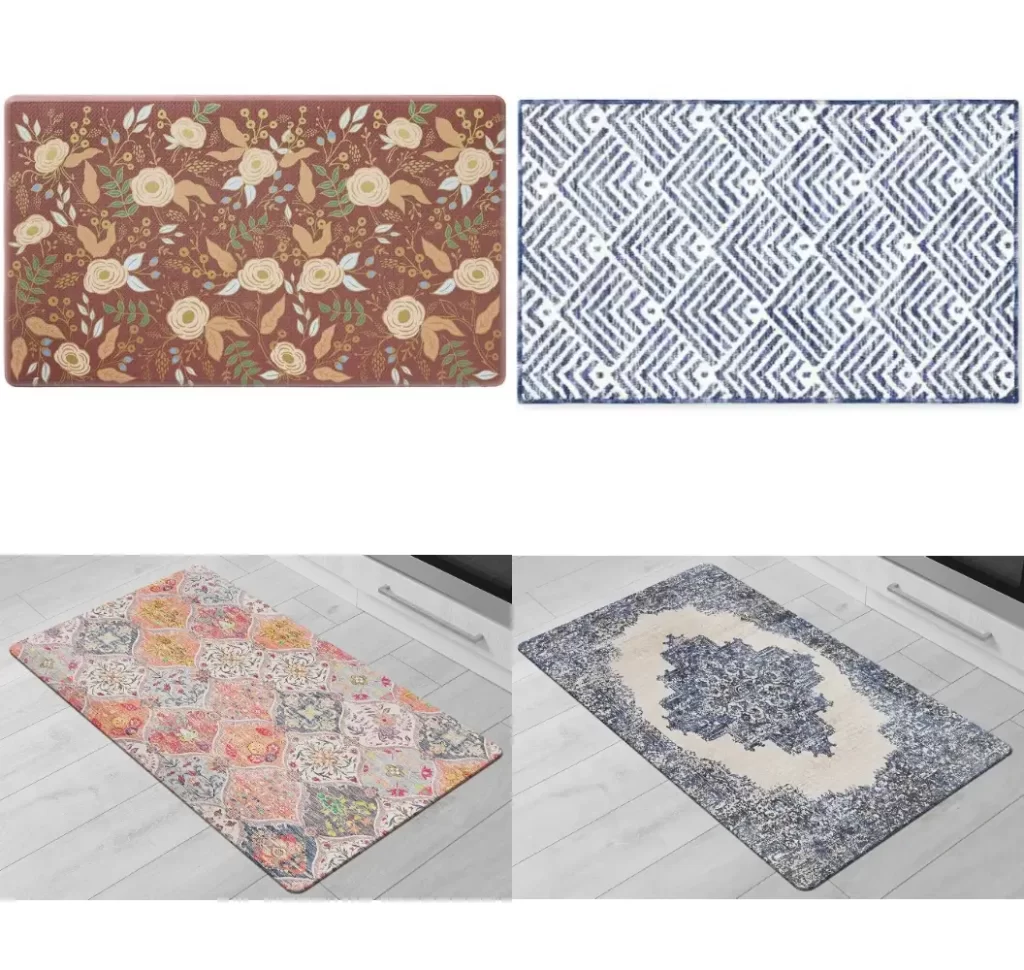
Platforms like Alibaba, Made-in-China, and Global Sources are useful == only for building an initial list.
Where they help:
- Browsing product styles
- Rough price comparisons
- Identifying active exporters
Where they fail:
- ❌ Fake factories
- ❌ Bait-and-switch samples
- ❌ Zero control once production starts
- ❌ No leverage when things go wrong
Most “Verified” badges mean paper verification, not factory reality.
Option #3: Trade Shows (Good, but Limited)
You can meet suppliers individually at major Chinese trade shows, which is helpful but not risk-free.
Important shows consist of:
- The largest and most comprehensive trade show in China is the Canton Fair in Guangzhou.
- Home, kitchen, and household goods from China HomeLife / China Homelife Expo
- The China International Furniture Fair, or CIFF, is important for home textiles, flooring, and mats.
- Intertextile Shanghai: soft home goods, textiles, and materials
- Hong Kong Houseware Fair: suppliers focused on exports aimed at international consumers
These occasions benefit you:
- View product samples in person
- Quickly compare materials and styles
- Meet a lot of suppliers quickly
However, the restrictions are actual:
- Post-fair factory verification is still required.
- When producing in large quantities, quality control is still necessary.
- If you don’t speak Chinese or comprehend factory cost structures, you are still negotiating blind.
- Many exhibitors are not actual manufacturers but rather trading firms.
- Booth promises don’t always make it to the production line.
- Because of this, a lot of serious buyers visit factories at trade exhibits and then turn everything over to a sourcing agent, who verifies the factories, locks specifications, oversees production, and maintains quality control until shipment.
Option #4: Chinese Kitchen Mat Hub Markets (Useful, but for Pros)
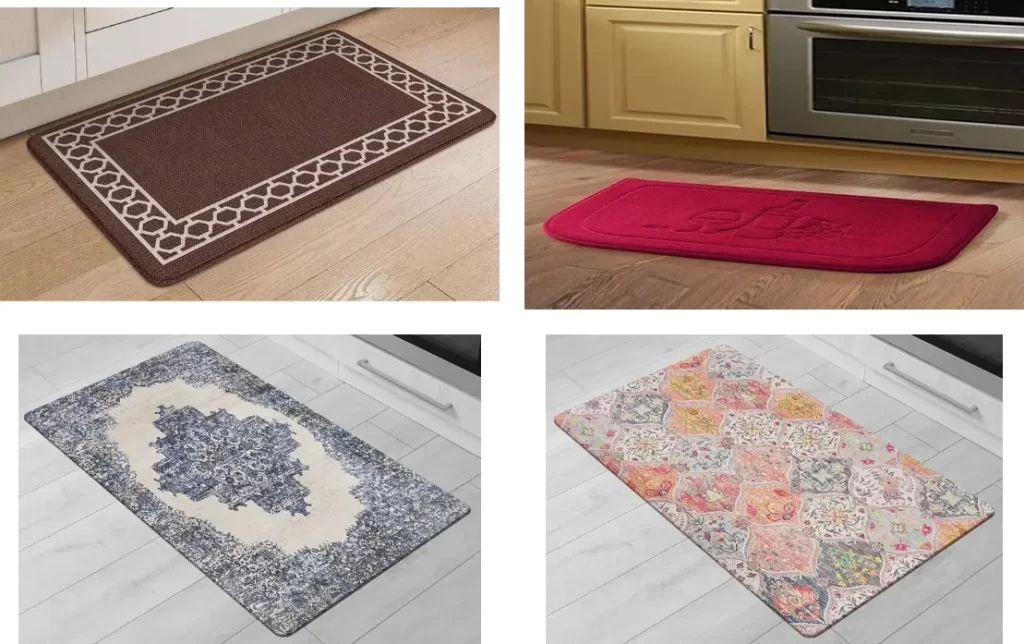
China has several physical wholesale and manufacturing hubs/markets for kitchen mats.
Key kitchen mat-related hubs include:
- Shaoxing (Zhejiang): printed fabrics, OEM designs, and textile kitchen mats
- Rubber-backed, PVC, non-slip kitchen mats from Ningbo & Cixi (Zhejiang)
- Yiwu International Trade Market: quick-moving designs and small to medium-sized suppliers
- Shandong clusters: bases for the production of floor mats, carpets, and rugs
- Guangdong (Foshan / Dongguan) – PVC, foam, and moulded mat products
Why consumers visit:
- Dozens of suppliers can be compared in a single day.
- Quicker access to novel materials and designs
- Improved understanding of actual factory price ranges
Here’s the catch, though:
- The majority of vendors do not export directly.
- From booth to booth, quality varies greatly.
- Almost no one speaks fluent English.
- Once you place an order, there is no protection.
- No contracts, no quality control, and no follow-up in case something goes wrong
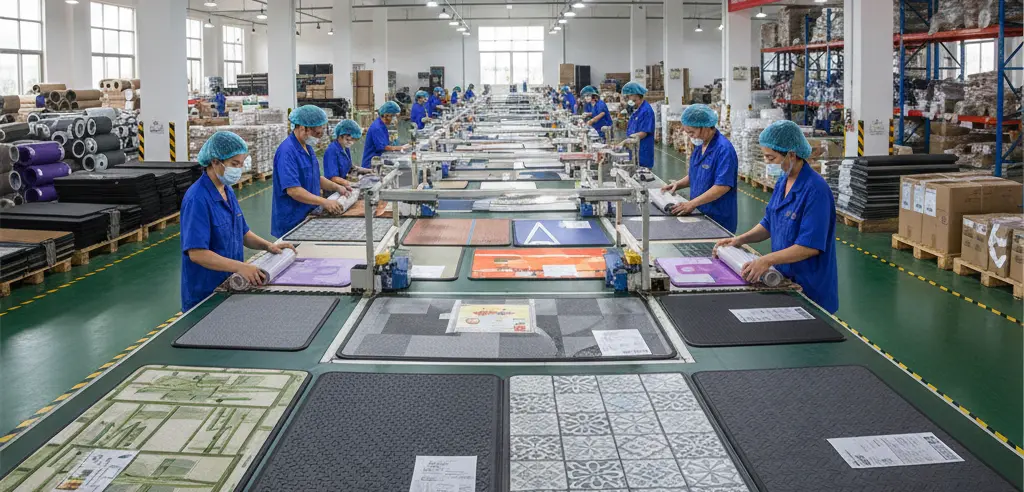
These markets are only effective if you know how to control production, negotiate locally, and verify factories. Because of this, seasoned importers travel to hub markets accompanied by a China sourcing agent, who can lock specifications, manage quality after the visit, and distinguish genuine manufacturers from resellers.
Read More:
Final Thoughts!
In summary, finding a trustworthy Chinese manufacturer of custom kitchen mats is more about control than it is about selecting the cheapest factory or the most polished Alibaba profile.
Zhejiang, Guangdong, and Shandong are home to top-notch kitchen mat suppliers and manufacturers in China that can produce fully customised and premium OEM mats.
However, even “top” suppliers can quickly become dangerous in the absence of adequate verification, sample control, and on-site quality management.
The most trustworthy purchasers, frequently through a seasoned China sourcing partner, combine access to top manufacturers with factory audits, production-stage quality control, and unambiguous customisation control. When done correctly, China offers unparalleled cost-effectiveness, flexibility, and quality. If you do it incorrectly, the savings vanish before the shipment even leaves the factory.