
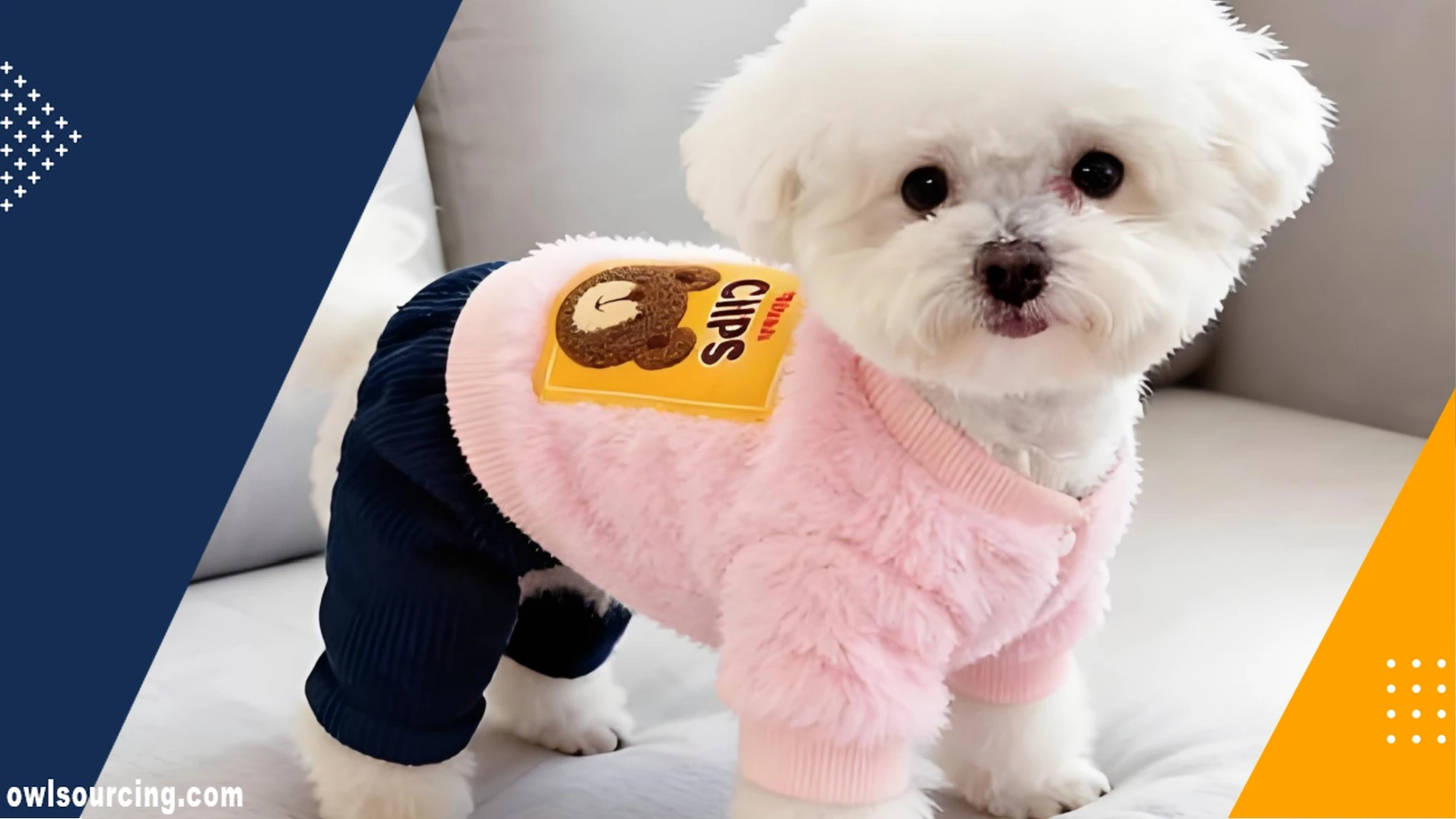

If you’re an Amazon seller exploring new private label opportunities, cat clothing sits in that interesting sweet spot—low manufacturing complexity, high emotional appeal, and surprisingly strong margins.
But here’s the part many sellers underestimate: finding the right private label cat clothing manufacturer is the difference between launching a profitable product… and ending up with a box of poorly stitched cat sweaters nobody wants.
So let’s talk about how to do it properly.
Cat Clothing Manufacturing — At a Glance
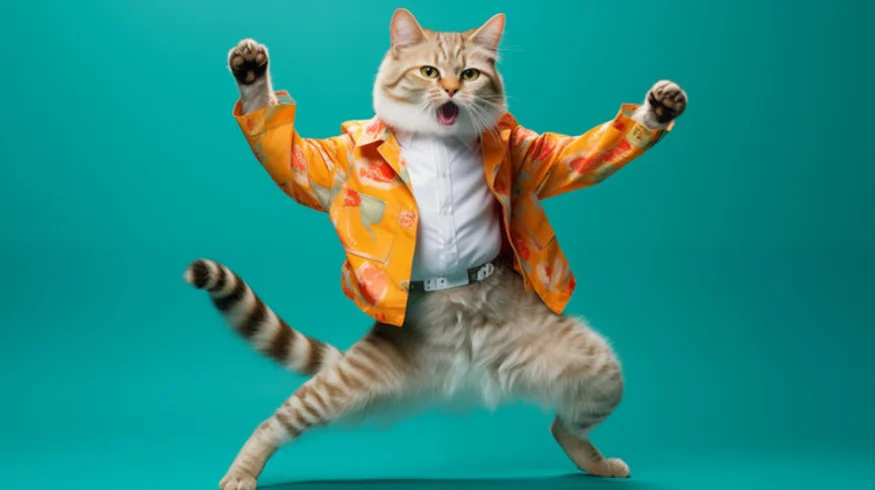
Before we dive deeper, here’s the quick overview most Amazon sellers want:
-
Best manufacturing regions: China, Vietnam, and parts of Southeast Asia
-
Typical MOQ: 300–1000 pieces per design
-
Common materials: cotton blends, fleece, soft polyester
-
Private label options: logo tags, custom packaging, embroidery
-
Key challenge: sizing accuracy and comfort for cats
-
Big opportunity: bundling designs and seasonal collections
Simple on paper, right? Well… yes and no. Let’s walk through the details that actually make a product succeed.
Why Cat Clothing Is Quietly Becoming a Smart Amazon Niche
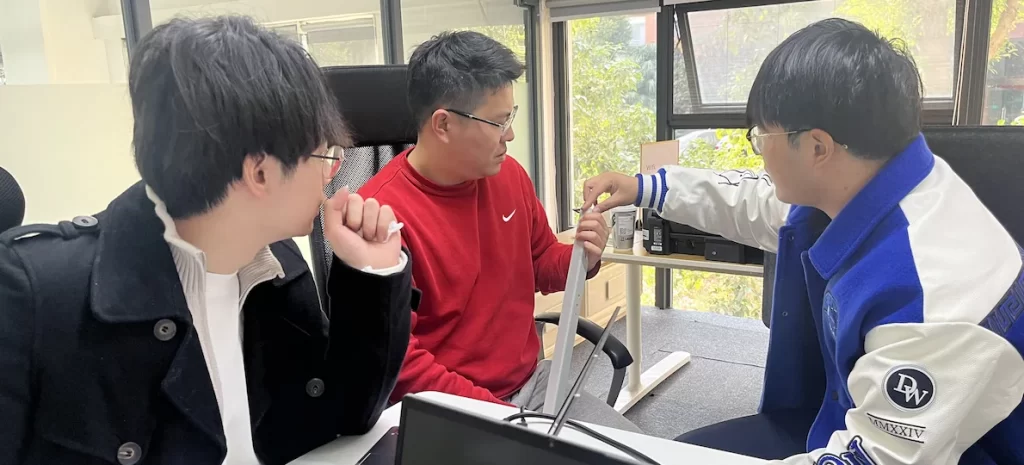
If you’ve spent time browsing pet categories on Amazon, you’ve probably noticed something: dog products dominate the conversation.
But cats? They’re catching up fast.
And from a seller’s perspective, that’s exactly what makes the opportunity interesting. Cat owners tend to fall into a very specific category of customer – highly emotionally invested. When someone treats their cat like family (and let’s be honest, many do), spending $12–$25 on a cute outfit doesn’t feel extravagant.
It feels fun. Even better for sellers, cat clothing products usually have:
-
Lightweight shipping
-
Low manufacturing cost
-
Strong impulse-buy appeal
A simple fleece cat hoodie might cost $2–$4 to produce at scale. With smart branding and packaging, that same item can retail for $16–$22.
The maths starts looking pretty attractive. But here’s where things can go wrong. Not all apparel factories understand pet ergonomics—especially cats, which are far less tolerant than dogs when clothing feels uncomfortable.
The Anatomy Trap: Why “Mini-Dog” Patterns Fail
Many factories simply shrink their dog patterns and label them as cat clothes. This is a recipe for high return rates. Cats have a unique, highly flexible skeletal structure; they need more room in the shoulder blades and a deeper cut around the chest for jumping and stretching.
If a garment restricts a cat’s movement or feels too heavy, the owner will see it immediately—and you’ll see it in a 1-star review. Using a “dog-first” manufacturer for a cat brand is the fastest way to lose your Amazon ranking.
That’s why choosing the right manufacturer matters more than most new sellers realise.
What Actually Makes a Good Cat Clothing Manufacturer in China
After working with pet apparel factories for years, I can tell you the difference between an average supplier and a great one shows up quickly.
And no—it’s not just about price.
Experience With Cat Apparel in China
Some factories simply treat pet clothing as a smaller version of human clothing. That rarely works.
Cats need clothing that’s:
-
lightweight
-
flexible around the neck
-
soft on the inside seams
-
easy to put on and remove
Manufacturers in China that already specialise in pet apparel understand these details. Their product catalogues will usually include cat hoodies, recovery suits, winter sweaters, and seasonal costumes.
That’s a good signal. It means they’ve already solved problems you don’t want to discover during production.
Private Label Customisation for Cat Clothing in China
If you’re building a real brand on Amazon, customisation isn’t optional. Your manufacturer should offer options like:
-
Woven logo labels
-
Embroidery or printed branding
-
Colour and size variations
These details turn a generic product into something customers recognise. And when shoppers recognise your brand—even subconsciously—they trust the listing more. That trust often shows up as higher conversion rates and better reviews.
How to Vet Cat Clothing Manufacturers in China?
I’ve seen sellers rush this step, and it almost always comes back to bite them later.
A supplier might look great on paper, but the real test happens during the conversation phase. The questions you ask early on can reveal whether a manufacturer is truly capable—or just trying to win another order.
Here are the questions experienced buyers always ask.
1. What Are Your Minimum Order Quantities?
Minimum order requirements tell you a lot about a factory’s flexibility. If a supplier insists on 5,000 units for a new product, that may not fit a private label testing strategy. Many reliable Chinese manufacturers offer 300–500 unit test runs, which makes it much easier to validate demand before scaling.
2. Can I Order Samples Before Committing?
This one should never be skipped.
Samples let you evaluate:
-
fabric softness
-
stitching quality
-
sizing accuracy
-
comfort for pets
Without samples, you’re essentially guessing. And guessing with inventory rarely ends well.
3. Are Your Materials Safe for Pets?
Pet clothing isn’t just about appearance. Materials must be comfortable, breathable, and non-toxic for prolonged wear.
Good manufacturers understand these requirements and can confirm compliance with basic safety standards.
If a supplier hesitates here, that’s a red flag.
4. What Is Your Average Production Turnaround Time?
Timing matters more than people realise. Seasonal products—think holiday sweaters or Halloween costumes—only sell during specific windows. If production runs late, you might miss the entire demand cycle.
Clear timelines from Chinese factories help you plan inventory around these spikes.
A Quick Pro Tip for Custom Cat Clothing: Most Sellers Learn Late
One piece of advice I give almost every new Amazon seller: don’t rely entirely on the factory’s word when it comes to FBA preparation.
Before the shipment leaves China, someone should verify:
label placement
barcode readability
suffocation warning printing
polybag thickness
packaging accuracy
Amazon FBA: The “Hidden” Rules of Cat Apparel
Here’s something many new sellers discover the hard way. Finding a good product in China is only half the job. If your packaging doesn’t meet Amazon’s FBA rules, your shipment can get flagged before it ever reaches the shelf.
I’ve seen sellers lose weeks—and sometimes thousands of dollars—because of simple preparation mistakes.
For cat clothing, there are a few non-negotiable requirements.
FNSKU Labelling of Cat Apparel
Every single unit must have a scannable FNSKU barcode. Do not rely on the factory’s generic UPC code. For private-label sellers on Amazon, the FNSKU ensures the sale is credited to your brand.
Without it, your inventory may be rejected or relabelled with expensive “unplanned service” fees.
The Suffocation Warning
Most clothing items are packed in polybags. If the polybag opening is 5 inches or larger, Amazon requires a printed suffocation warning on the packaging.
It sounds like a small detail, but missing this warning is one of the most common reasons shipments get delayed at fulfilment centres.
Size and Colour Label Accuracy
Cat owners are picky about sizing. And honestly, they should be. Your labels must clearly distinguish variations like:
-
Small – Pink
-
Medium – Pink
-
Small – Grey
If those labels get mixed up during packing, customers receive the wrong item and immediately mark it as “Item Not as Described.”
And that type of complaint can quietly damage an Amazon account over time.
Proper Unit Preparation
Clothing items must be:
-
folded neatly
-
sealed in polybags
-
protected from dust or contamination
If a cat hoodie arrives with lint, hair, or factory dust inside the bag, customers often assume it’s a returned product.
That perception alone can trigger negative reviews—even if the product itself is fine. Good factories in China maintain clean packing environments specifically to avoid this issue.
Design Strategy of Cat Clothing: Why Collections Beat Single Products
Here’s another pattern I’ve seen repeatedly with successful cat apparel brands. They rarely launch just one product.
Instead, they build small collections.
For example:
-
winter fleece hoodies
-
minimalist daily vests
-
seasonal holiday costumes
This approach does two important things. First, it makes your brand look more established. Second, it increases the chances that customers browsing your listings will find something they like.
And when cat owners find multiple designs they love… they often buy more than one.
Expert Sourcing for Wholesale Pet Clothing from China
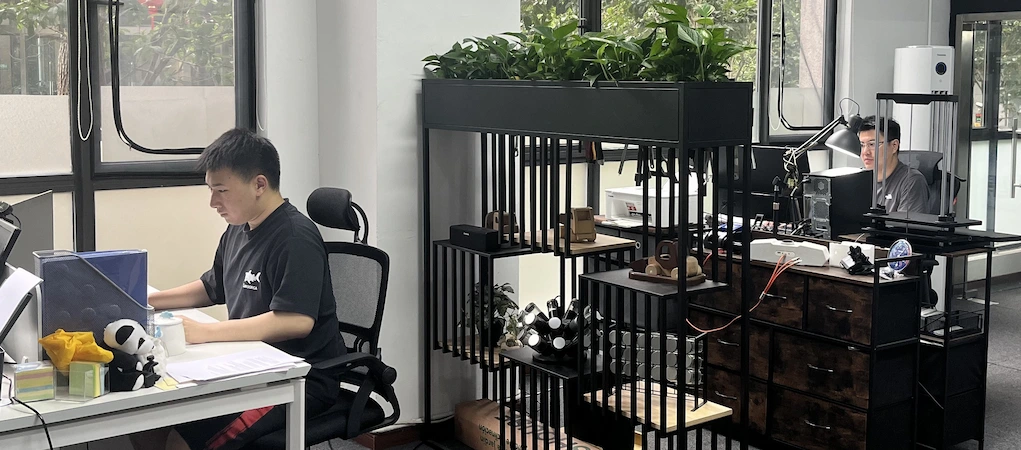
If you’re planning to source pet products from China, working with the right partner on the ground can save you time, money, and a lot of unnecessary stress. OwlSourcing is a specialised sourcing company in China with a dedicated team focused on sourcing pet products.
We help global brands, retailers, and Amazon sellers connect with reliable manufacturers while ensuring product quality and supply chain transparency. Our expertise covers several high-demand categories and sourcing services, including:
- Best China Wholesale Pet Clothing Supplies – connecting buyers with trusted manufacturers for private label and bulk pet apparel.
- China Quality Wholesale Pet Supplies – sourcing reliable factories producing durable, safe, and competitively priced pet products.
- Quality Inspection for Pet Products in China – professional inspections before shipment to ensure your products meet quality and safety expectations.
- Top Eco-Friendly Pet Toys to Import from China – identifying manufacturers producing sustainable and eco-conscious pet toys for the growing market demand.
- Custom Product Development – working directly with Chinese manufacturers to develop unique, private-label pet products tailored to your brand.
With local sourcing expertise and hands-on supplier verification, OwlSourcing helps businesses build dependable pet product supply chains directly from China.
Looking for reliable pet product suppliers in China? Contact us today and let our sourcing specialists help you find the right manufacturers.
Read More:
- China Pet Furniture Manufacturers and Suppliers
- Best Ways to Find Reliable Wholesalers for Custom Cat Trees in China?
- How to Import Clothes and Fabric from China
- Custom Dog Apparel Manufacturers in China
Final Thoughts
I’ll say this after watching many Amazon niches come and go: cat clothing might look like a novelty category at first glance. But when you step back and look at the fundamentals—low production cost, strong emotional appeal, and endless design variation—it’s actually a very solid private label opportunity.
The key is approaching it like a brand builder, not a product gambler. Find a manufacturer that understands pet apparel.
Invest in thoughtful designs. Control quality before products ship. Do those three things well, and suddenly that tiny cat hoodie you laughed at earlier starts looking like something else entirely.
A surprisingly smart business move.