

You are probably familiar with the staple “Made in China” sticker if you shop often. We see it on the bottoms of the new shoes, cups, and hair products.
Undoubtedly, these products seem ubiquitous, and for good reason. They were cheap and of reasonably good quality! Indeed, sourcing products from China is becoming increasingly popular.
As a businessperson hoping to start importing, you might wonder, “How do I begin?” “How to Source Products From China?” This guide has answers.
I have over a decade of experience dealing with importation, and I will share a few things I picked up along the way. Stick around and learn how to advance wholesale sourcing strategies (MOQ & pricing)!
How to Source Products From China? – Get it at a glance:
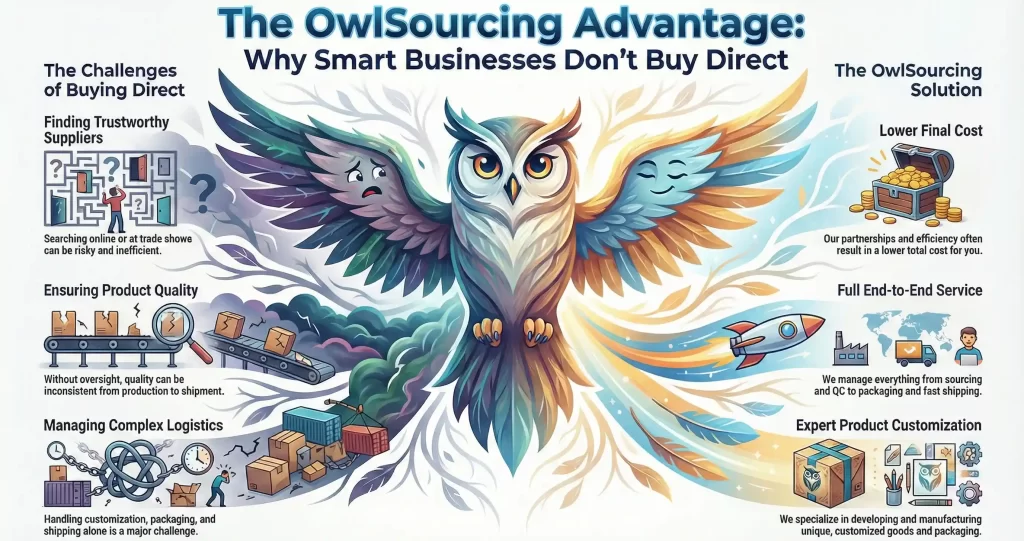
When sourcing products from China, you can consider things like:
1. Finding a Chinese Supplier (Take the time to choose the right vendors)
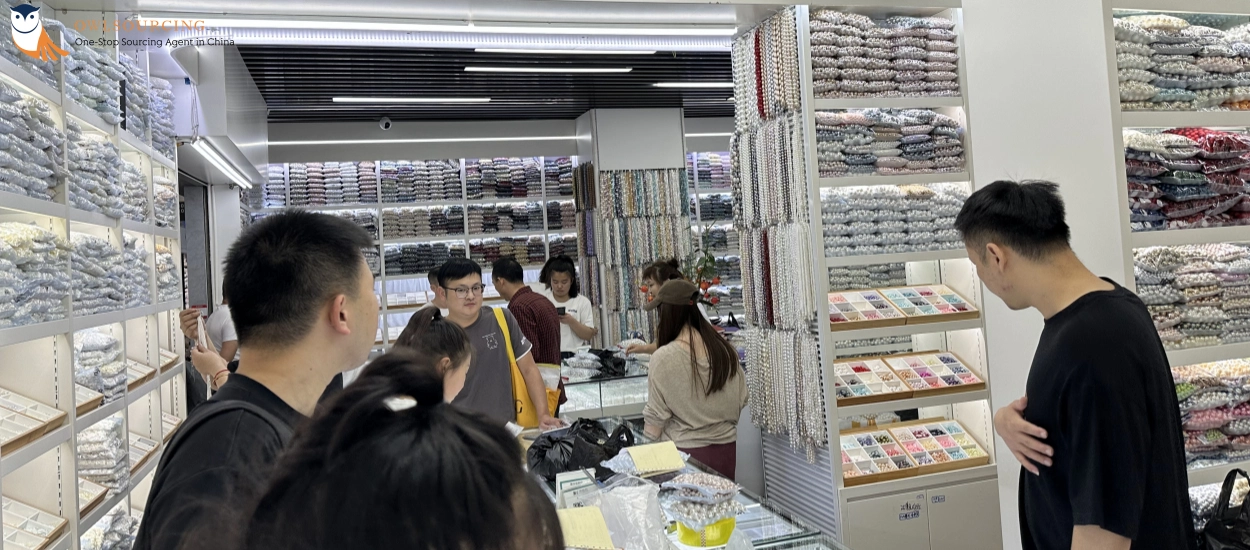
Choose a supplier who understands your specific needs and product requirements.
A. Finding Where to Source Products in China
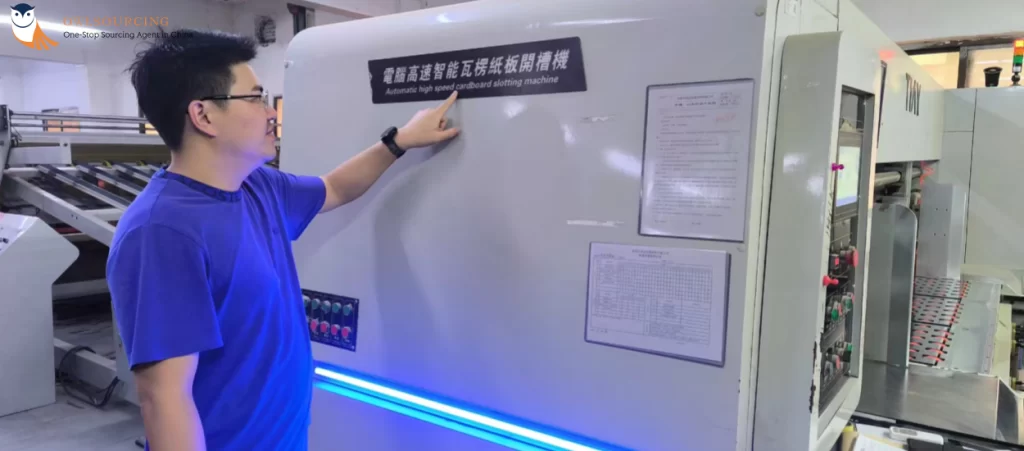
China is home to several manufacturing areas. These areas include Guangzhou, Yiwu, and Shenzhen. Each of these areas has products that they produce in large quantities. Guangzhou is popular for electronics and textiles.
The Yiwu market is famous for selling affordable small commodities. It is well-known as the largest small-commodity market in the world. Shenzhen is another massive electronics hub. It is an excellent spot for products, accessories, and parts.
Some popular sourcing destinations include Guangdong (electronics and textiles), Zhejiang (home appliances and machinery), and Jiangsu (automotive parts and chemicals).
1. Guangzhou:
- Baima Clothing Market: Specialised in clothing and fashion accessories. If you are looking to import clothing from China, it is a great choice.
2. Yiwu:
- Yiwu International Trade City: Also known as Yiwu Market, it’s the largest small commodities wholesale market in the world, offering a vast array of products.
3. Shenzhen:
- Huaqiangbei Electronics Market: A major electronics market known for its wide range of electronic products, components, and accessories.
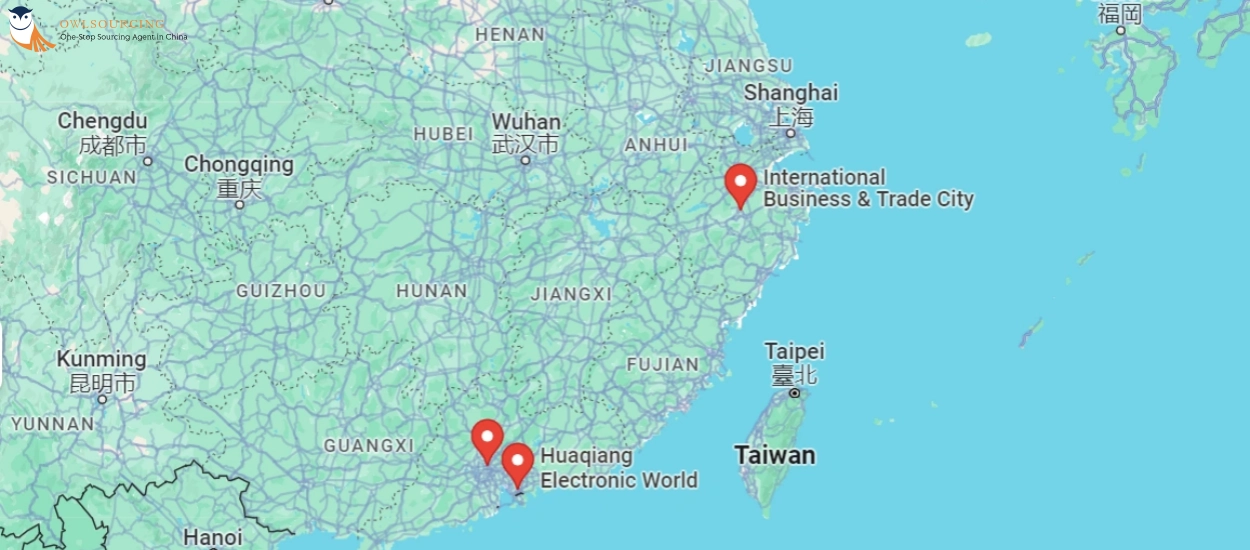
Importing electronic products from China is the best option.
Research the regional strengths that align with your product requirements.
B. Leveraging Chinese Trade Shows for Supplier Discovery
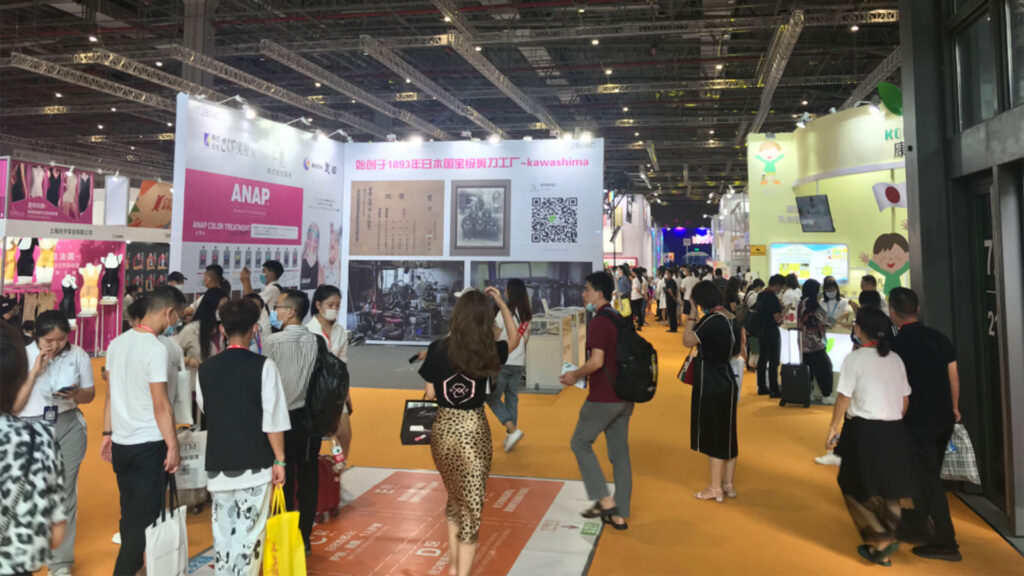
Attend Chinese trade shows, fairs, and industry-specific events to meet Chinese suppliers face-to-face. This is a good opportunity to gauge their professionalism and see their products firsthand.
Date: Oct. 21st to Oct. 24th in Yiwu
You can download the Yiwu market distribution map for free
Exhibition centre: Yiwu, China, Yiwu International Expo Centre
Date: November 2026 in Shanghai
Exhibition centre: Shanghai, China, National Exhibition and Convention Centre Shanghai (NECC)
Date: Spring Session 2026:
- Phase 1: Mid-April
- Phase 2: Late April to Early May
- Phase 3: Early to Mid-May
Autumn Session 2026:
- Phase 1: Mid-October
- Phase 2: Late October to Early November
- Phase 3: Early to Mid-November
Exhibition centre: the China Import and Export Fair Complex
C. Best Online B2B Platforms for Sourcing Products from China
- Alibaba: The world-trusted marketplace for sourcing quality products, connecting with global buyers, and more.
- AliExpress: Good for small orders, connects wholesale Chinese suppliers with foreign consumers.
- DHgate: Offers access to competitive prices and quality products from Chinese sellers for bulk orders.
This article provides a list of “Top Wholesale Websites for Bulk Purchasing” that you can use to buy wholesale goods from China.
D. Connecting with Chinese Manufacturers
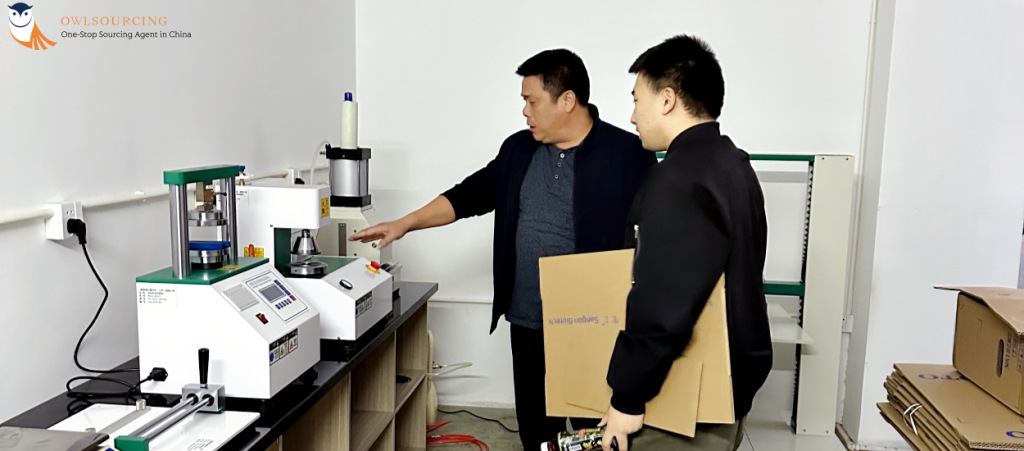
While contacting manufacturers in China is crucial for sourcing, many businesses hesitate, not due to a lack of negotiation knowledge, but because they feel uncertain about the best way to initiate contact.
Understanding the Four Main Product Sourcing Options in China
- Direct Manufacturers: Working directly with a factory offers the best outcomes if your business can accommodate the manufacturer’s minimum order quantities. Manufacturers provide a lower, per-unit price and enable much better control over product quality, which turns them into the best solution for large quantities and high-precision products.
- Wholesale Market Agents: Companies such as retail chains or other businesses with large product catalogues, but less frequent per-product purchases, often benefit from working with wholesale market agents who tend to deal at large bulk centres such as the Yiwu commodities market. These agents work to ease the ordering process by handling the delivery, integrating multiple orders, and dealing with other practicalities to make transactions more efficient.
OwlSourcing simplifies global procurement by connecting businesses with reliable suppliers, managing orders, and ensuring quality.
Our services include supplier negotiation, quality checks, and logistics support, including shipping, packaging, and custom product design.
Contact OwlSourcing for sourcing solutions in China and Hong Kong.
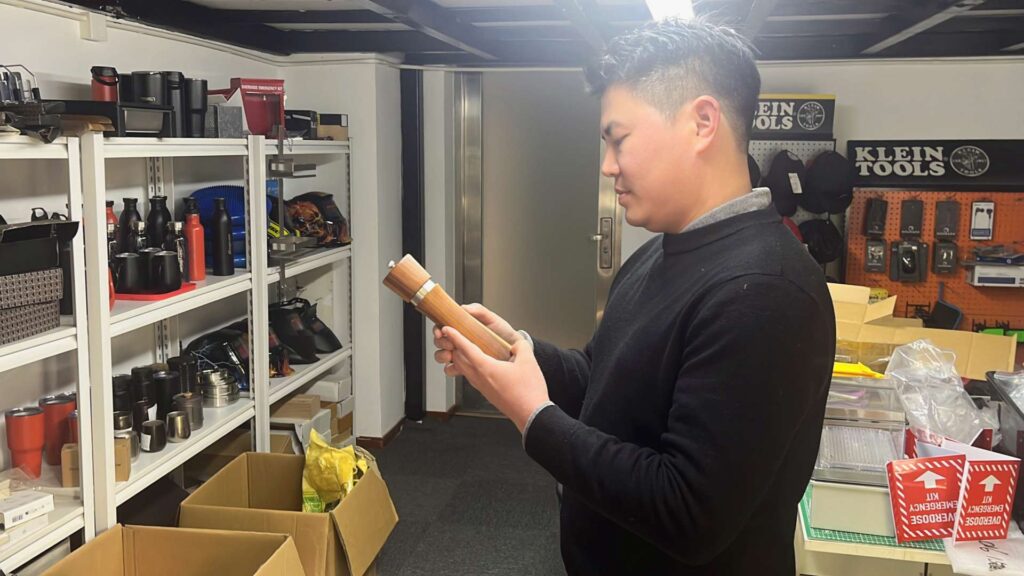
You will face these challenges in China’s product sourcing. Therefore, you should choose one of them according to your business conditions:
| Option | Description | Pros | Cons |
|---|---|---|---|
| Buy Directly from Supplier | Importers manage the sourcing process and avoid intermediaries by purchasing directly from Chinese suppliers. | Full control over the process, no intermediary costs | Requires high organisational capacity and MOQ |
| Use a China Sourcing Agent | China sourcing agents leverage their industry knowledge, connections, and local expertise to make the sourcing process smoother and more efficient. They manage communication, help with supplier verification, and ensure quality standards. | Saves Time: Sourcing Agents quickly connect you with reliable suppliers by using their established networks. Reduces Hassle: Handles communication, negotiation, and quality checks on your behalf. Local Expertise: They understand market dynamics and supplier reputation, and can help avoid scams or substandard products. Flexible and Cost-Effective: Ideal for businesses of any size, especially those new to sourcing from China. |
risk of kickbacks if not well-vetted |
| Buy from a Trading Company | A good choice for startups or businesses with small order sizes, as trading companies work with manufacturers willing to produce small quantities. | Speed and convenience for small orders, access to suppliers that accept lower MOQs | Hidden supply chain, higher long-term costs due to margins |
| Use a third-party Company | This is for importers who have suppliers but need on-the-ground production follow-up. Service companies provide transparency on supplier identity, processes, and quality checks. | Transparency: Direct access to supplier information and process details. Good for long-term partnerships: Invest in quality control for ongoing orders. |
Upfront service fees |
2. Supplier Verification (Ensure Proper Supplier Verification)
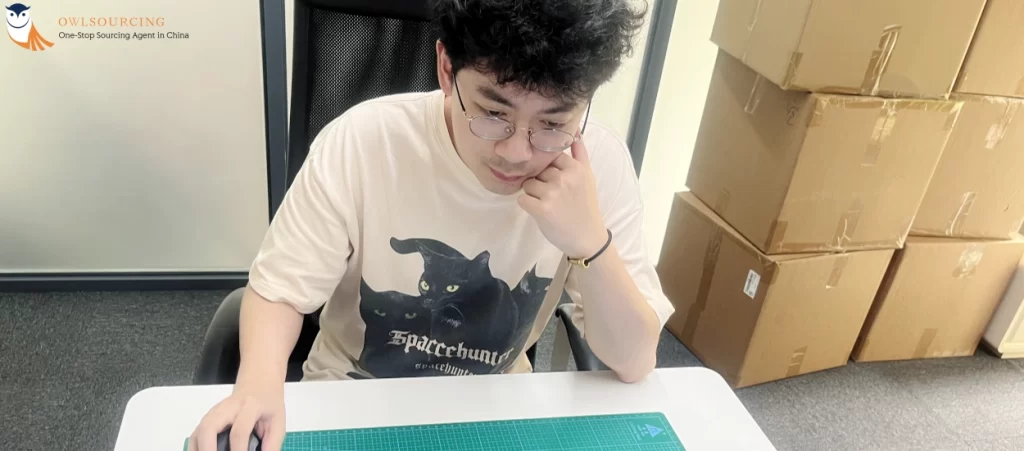
To avoid procurement fraud, one must ensure a supplier’s credibility by requesting audited financial reports, Value Added Tax (VAT) invoices, or even product samples. The main point here is to perform a proper background check.
Distinguishing between resellers and manufacturers online requires a careful and discerning approach.
Although websites such as Alibaba provide supplier feedback to help locate manufacturers within China, this feedback may not always be accurate, as premium members automatically receive a “gold supplier” status.
Hence, preliminary checks should be made to ensure the supplier meets all necessary criteria. In general, Direct procurement from a manufacturer is the best choice for products with specific technical requirements.
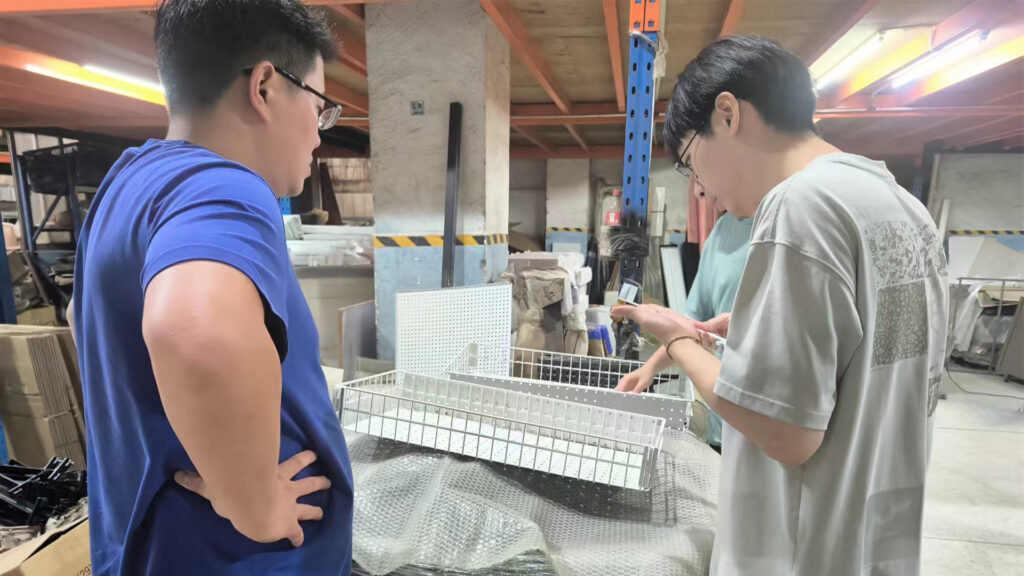
3. Negotiating Terms (Negotiate Terms Like a Pro)

Effective negotiation can simplify costs considerably and shape the supplier’s offerings to your goals. Pay attention to the following key aspects:
- Pricing
- Transaction terms
- Product quality expectations
- Business relationship architecture
This article helps you more: “How to Negotiate with Chinese Suppliers“.
The first thing to consider is payment.
Negotiate to ensure you get the option you want. You can also use escrow services. Direct communication and purchasing from suppliers help reduce risks of miscommunication and avoid potential delays in transferring money to China.
Another point for discussion is the minimum order quantity and potential long-term partnership. Depending on the product, you might also have to discuss the intellectual rights. Negotiation is a great way once you know how to use it.
When sourcing online, it is advisable to use communication tools commonly used in China, such as WeChat, to stay in direct contact with your supplier.
4. Quality Control for China product sourcing (Don’t Skip It)
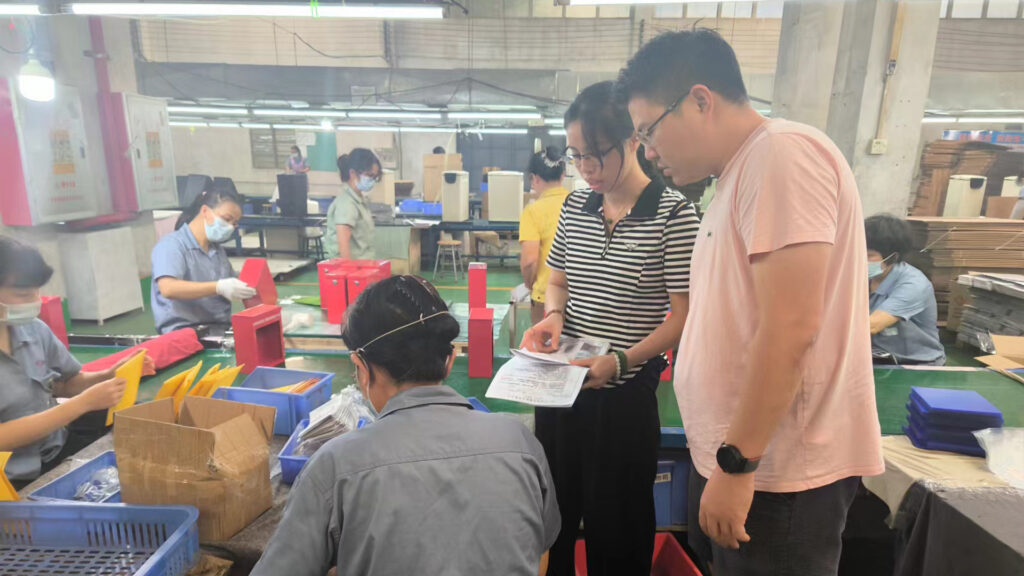
Never omit quality control inspections after agreeing with suppliers. Periodic inspections will ensure that products conform to your standards and avoid costly surprises down the line.
The main aim of importing is to resell and potentially make profits. Hence, product quality is essential. You want a product that meets your country’s quality standards, and you can vouch for it. So, how do you ensure you get quality products?
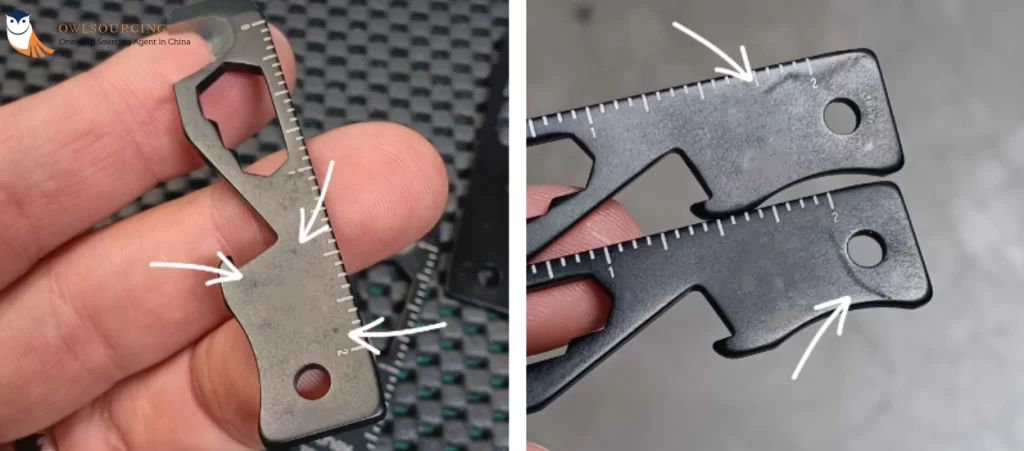
- Sampling: Sampling is one of the oldest ways to reduce the risk. When you want to ensure a client’s products meet your requirements, opt for sampling. You can get one or two products before mass production begins. This way, you can gauge the products’ quality.
- Quality Inspections: Inspection is another way to keep your products safe. You can employ a third-party quality inspection in China. They inspect the product during different stages of production.
- Factory Audits: Opt for regular audits. These audits will ensure that the supplier facilities are always up to par.
Quality shouldn’t be overlooked, not even as a compromise for a lower price. I have been in the import industry for a long time, and I see that ignoring quality goes wrong.

The money you take your eyes away ensures the best quality, and your customers notice. And the one thing holding every business is trust. Once your customers don’t trust you enough to expect quality products, they leave.
Examine every batch to ensure that the quality reaches the required standards.
5. Effective Communication
Be sensitive to the language and cultural differences of your supplier. Effective, respectful, and clear communication is the key to a strong partnership.
6. Shipping and Logistics
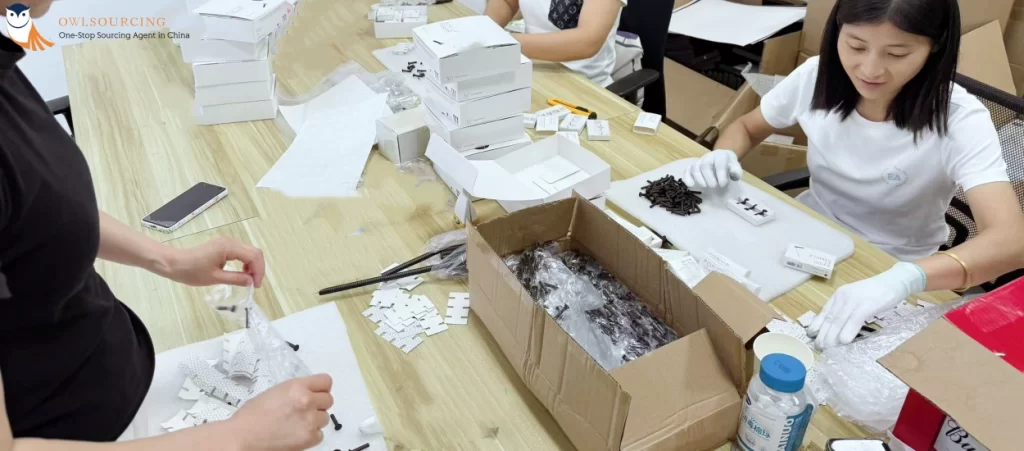
Plan your shipping arrangements carefully by considering:
- Type and size of shipping container required
- Booking timelines
- Scheduling Short-term storage
Here are the factors to consider to avoid that:
Shipping Method
You can choose between air and sea freight. Deciding between the two options depends on the cost, speed, and product type. Air freight is the fastest option, but it costs more.
Moreover, you should consider the product type as well. Air freight service from China is the better option for carrying delicate products.
Freight Forwarder
Collaborate with experienced freight forwarders. The good ones help manage documentation and customs clearance. Hence, you don’t have to worry about delays. They ensure your products get to you in due time.
Partner with Sourcing Agents
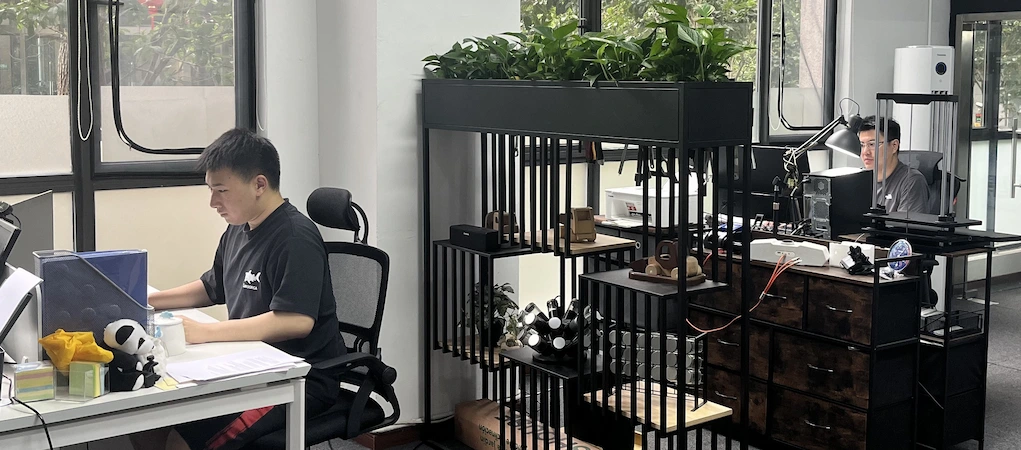
Shipping can be a daunting task to navigate. You need to pass through customs. You also need to ensure your products are safe.
Undoubtedly, it can be a headache for a first-timer. Hence, you can hire a sourcing agent to help you every step of the way.
7. Documentation and Legalities
Documents are an inseparable part of importation. There are necessary licenses and documents, like commercial invoices and packing lists. It can be challenging to get a hold of all the required documents.
Hence, I usually advise first-time importers to get an attorney’s services.
I know it is an extra cost, but you only need them for the first two imports. You can start doing it independently once you get the hang of it. If you try to rough it, you are risking your products, and that’s a lot of money.
Elevate your China product sourcing journey with expert guidance
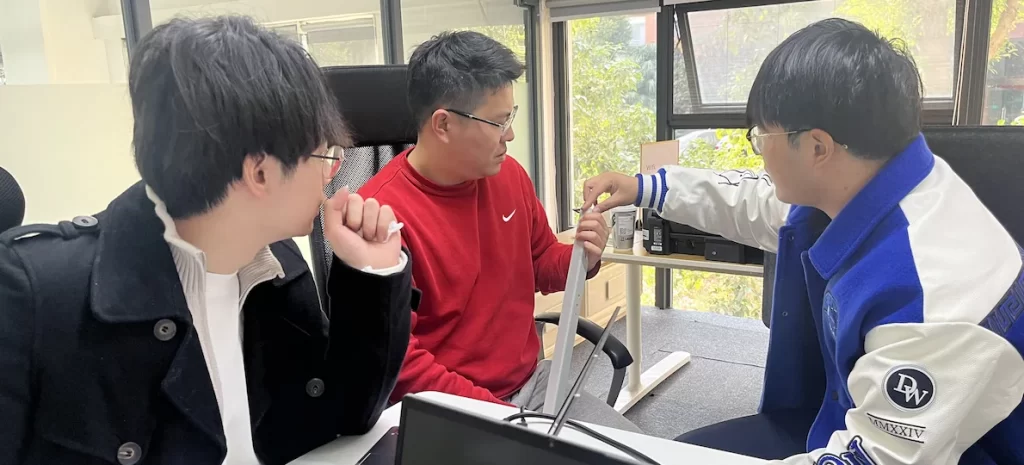
Sourcing from China takes more than browsing Alibaba. Many listings are unreliable trading companies or non-expert factories.
On the other hand, navigating sourcing products from China can be complex, but with the right strategy, you can efficiently use China product sourcing services and gain a competitive edge. ———That’s where OwlSourcing helps.
At OwlSourcing, we specialise in product sourcing from China, ensuring seamless supplier connections, quality control, and logistics support for product sourcing from China.
Whether you’re a startup wondering how to source a product from China or an established business looking to source products from Chinese manufacturers, we provide tailored solutions to streamline your process.
Why OwlSourcing?
✅ Direct access to factory-audited manufacturers.
✅ Supplier vetting, samples, production oversight, and shipping.
✅ Transparent pricing with full customisation.
✅ End-to-end support from sourcing to delivery.
With years of hands-on experience, our Shanghai-based team ensures reliable suppliers, lead time, smooth logistics, and fewer costly mistakes.
👉 Ready to source with confidence? Contact OwlSourcing today.
Read More:
Final Thoughts!
Sourcing Chinese products offers a golden opportunity to score massive profit margins. The market is booming; now is the best time to jump on the wagon.
The import business is a demanding one. But once you find your footing, you are good to go. If you need any extra help, you can contact us. We will offer the best help possible and connect you to the necessary professionals.
7 thoughts on “How to Source Products from China: The Complete Guide 2026”
Sourcing in China can be a daunting task, but as a merchant with over 13 years of experience working with Chinese suppliers, I can attest to the benefits of working with a sourcing agent company. Not only does it provide peace of mind in terms of trust and quality control, but it also helps to lower costs in the long run. From start to finish, a reliable sourcing agent can support you in every step of the process, from finding the right suppliers to shipping the goods. I highly recommend considering this option for anyone looking to source products from China. It has certainly made a significant difference in my business operations.
Hey,
Thanks a bunch for the awesome article that’s been a real help for budding entrepreneurs!
I landed on this blog while brainstorming ideas about launching a local watch brand in my home turf. Currently, I’m a student with a crew all set to jump into the wristwatch entrepreneur game.
Any chance you can point us in the right direction for trustworthy watch manufacturers in China? We’ve done some digging, but we’re a bit iffy on who to trust. Our aim is to match the quality of brands like DW but with our own creative spin.
Also, we’re curious about the ins and outs of providing warranty services for our future customers. Got any insights to share?
Hope to hear from you soon!
Best,
Joseph
Hey Joseph,
It’s fantastic to hear about your entrepreneurial journey into the watch industry! For trustworthy watch manufacturers in China, I recommend checking out platforms like Alibaba and Made-in-China.com, focusing on suppliers with verified business licenses and good reviews. Also, attending trade shows like the Hong Kong Watch & Clock Fair could provide valuable contacts.
Regarding warranty services, offering a straightforward and transparent warranty policy can build customer trust. Consider setting clear terms about what the warranty covers and the process for service claims.
Best of luck with your watch brand!
As a small business owner, your article on sourcing from China was insightful. Any specific advice for navigating bulk orders and maintaining quality control? Your expertise would be highly appreciated!
Thank you for your comment, Jackson! For managing bulk orders from China, it’s crucial to establish clear communication with your supplier about your quality standards. Regularly schedule product inspections either personally or through a third-party service before shipment to ensure consistency. Also, consider smaller trial orders to evaluate the supplier’s reliability and product quality before committing to larger volumes. This approach helps in maintaining control over the quality while managing bulk orders efficiently.
Really helpful tips on sourcing products from China. I appreciate the straightforward advice. Looking forward to trying these out. Thanks!
Thank you for your kind words, Kula! I’m glad the sourcing tips were helpful. Best of luck as you apply them, and if you have any questions along the way or need further advice, feel free to reach out. Happy sourcing!