
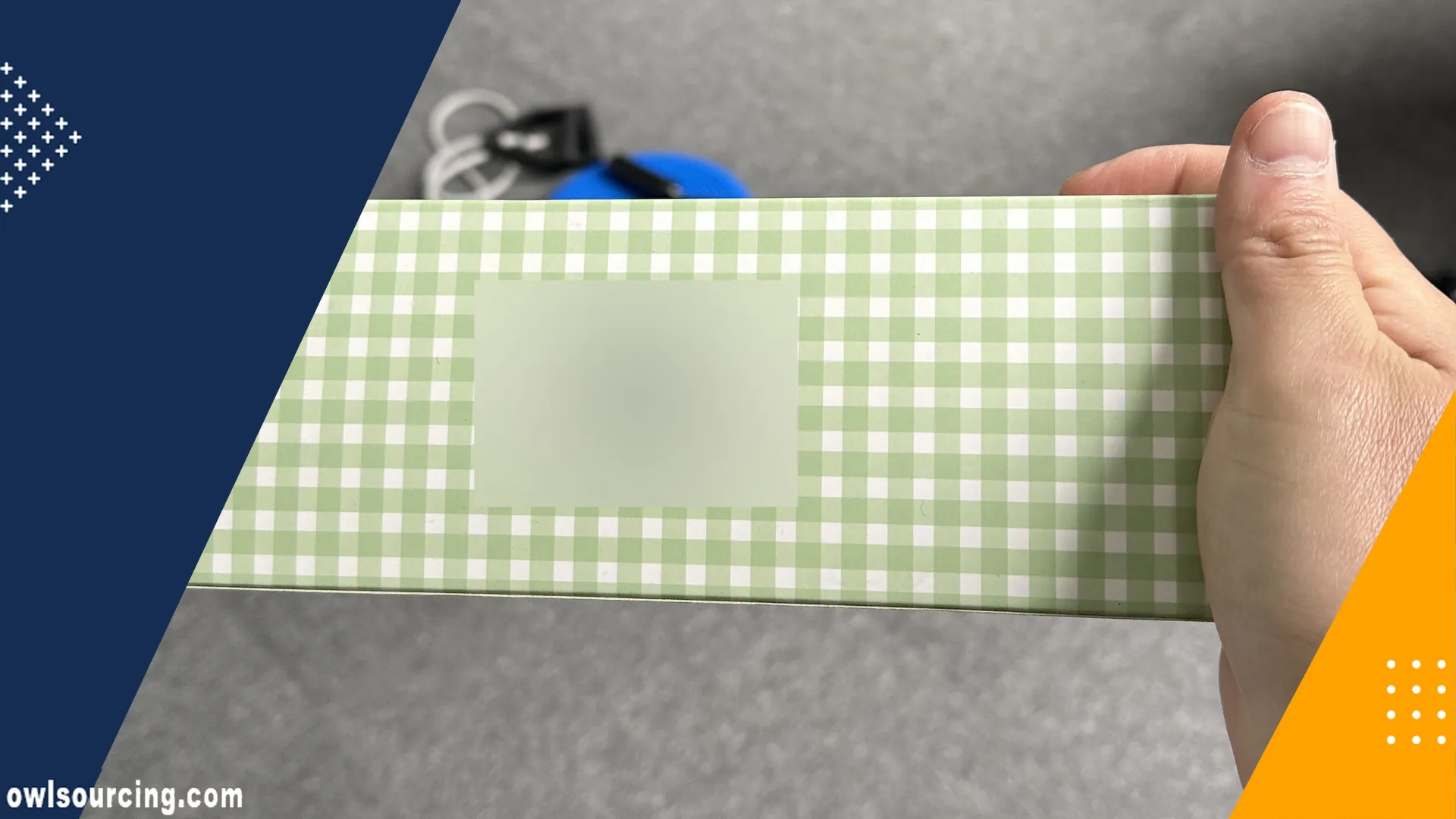

By Andy Yu, founder of Owl Sourcing · Last updated: November 2026
Short answer: before you choose a packaging factory in China, check five things. Can the factory turn your drawing into a box size that its gluing machines can actually run? How does it control Pantone color on press? How many sampling rounds and days should you plan for? Can your packaging be made separately from your product and still arrive at one place for assembly and QC? And does your order quantity suit the factory? This guide walks through each check, based on how we manage custom packaging for Amazon and DTC brands at Owl Sourcing.
At Owl Sourcing, the packaging and the product are usually made in different factories. Both are then delivered to our Shanghai warehouse, where we assemble, inspect and pack the goods before shipping. Most of the advice below comes from that process.
What should you decide before you contact a packaging factory?
A packaging factory can only quote and sample accurately when your brief is complete. Brands that send a clear specification get comparable quotes and fewer sampling rounds. Before you contact any packaging supplier in China, prepare the following:
| Decision | What to prepare |
|---|---|
| Box style | Folding carton, rigid gift box, mailer box, sleeve or bag. A reference photo helps. |
| Size | Product dimensions with tolerances, and the inside dimensions you need. Leave room for the insert. |
| Material | Paperboard or corrugated grade, and any recycled-content or certified-paper requirement. |
| Printing and finish | Artwork on the factory’s dieline, Pantone references, and finishes such as matte lamination, foil or embossing. |
| Insert | Paper, pulp, foam or plastic tray, and how tightly the product should sit. |
| Quantity | Your first order and the expected reorders. |
| Assembly and shipping | Where the product goes into the box, and whether the goods ship to Amazon FBA or your own warehouse. |
A dieline is the flat, unfolded template of a box that shows cut lines, fold lines and glue areas. Ask the packaging factory to supply its dieline for your box size, and have your designer place the artwork on it. Artwork built on a generic template is a common cause of misaligned printing.
How do you tell if a packaging factory in China is the right fit?
The right packaging factory is the one that checks your drawing against its own machines before it quotes, controls color with a clear process, and agrees a signed sample with you before mass production. Price matters, but a low quote on a box that cannot be produced to your drawing costs more in the end.
1. It checks your size against its production limits
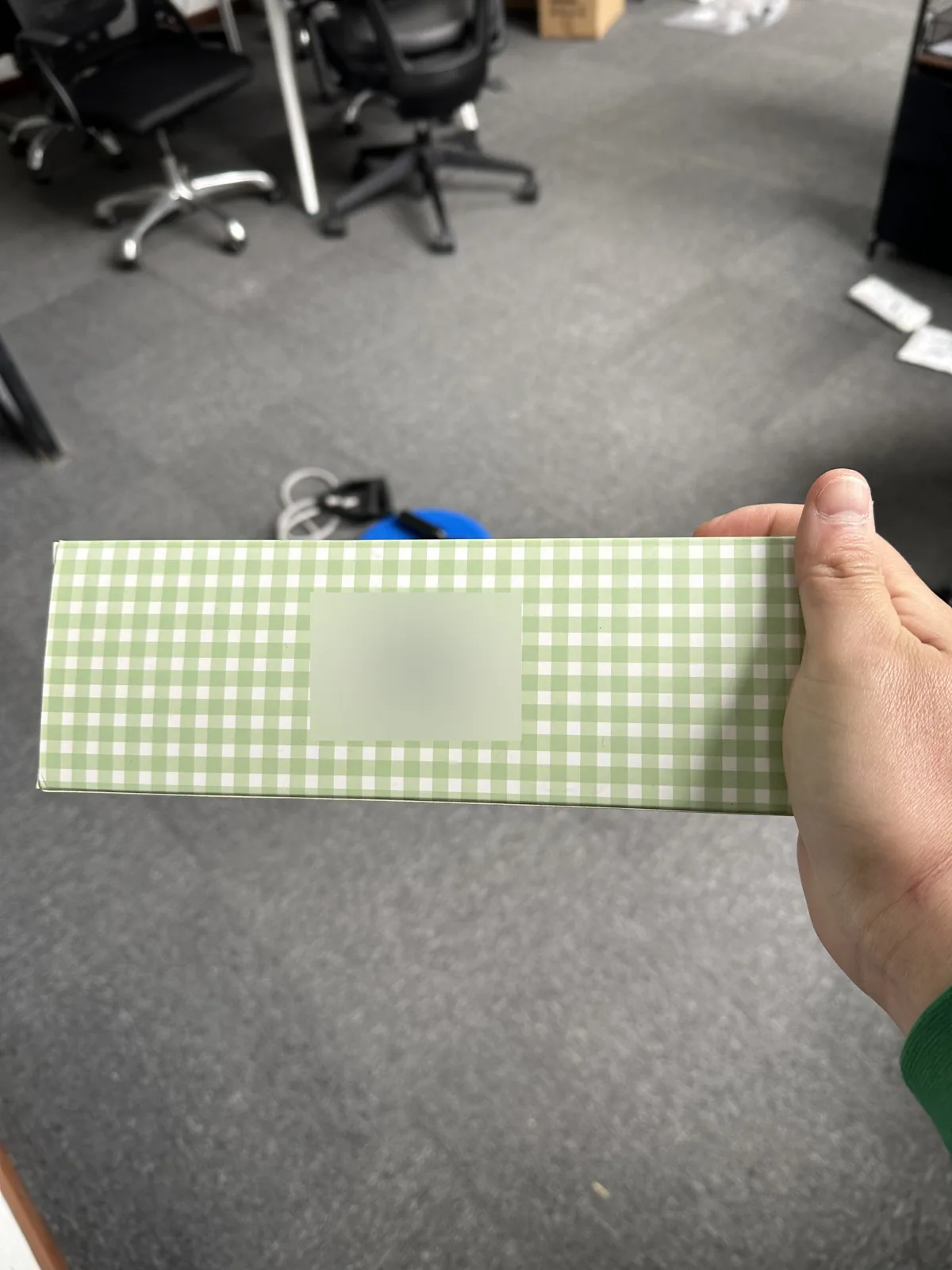
In our experience, one of the most common packaging problems is a size deviation from the drawing. A typical case is a box whose height is too small for the box-gluing process or the gluing machine’s requirements. If nobody catches this early, the size has to change late in sampling, or the boxes run into problems at the gluing stage. A good factory flags this at the quotation stage and proposes a size it can run.
“The most obvious problems are size deviations from the drawing and colors that don’t match the Pantone reference. We often have to work with the client to agree on a choice both sides can accept.”
Andy Yu, founder of Owl Sourcing
2. It has a clear color control process
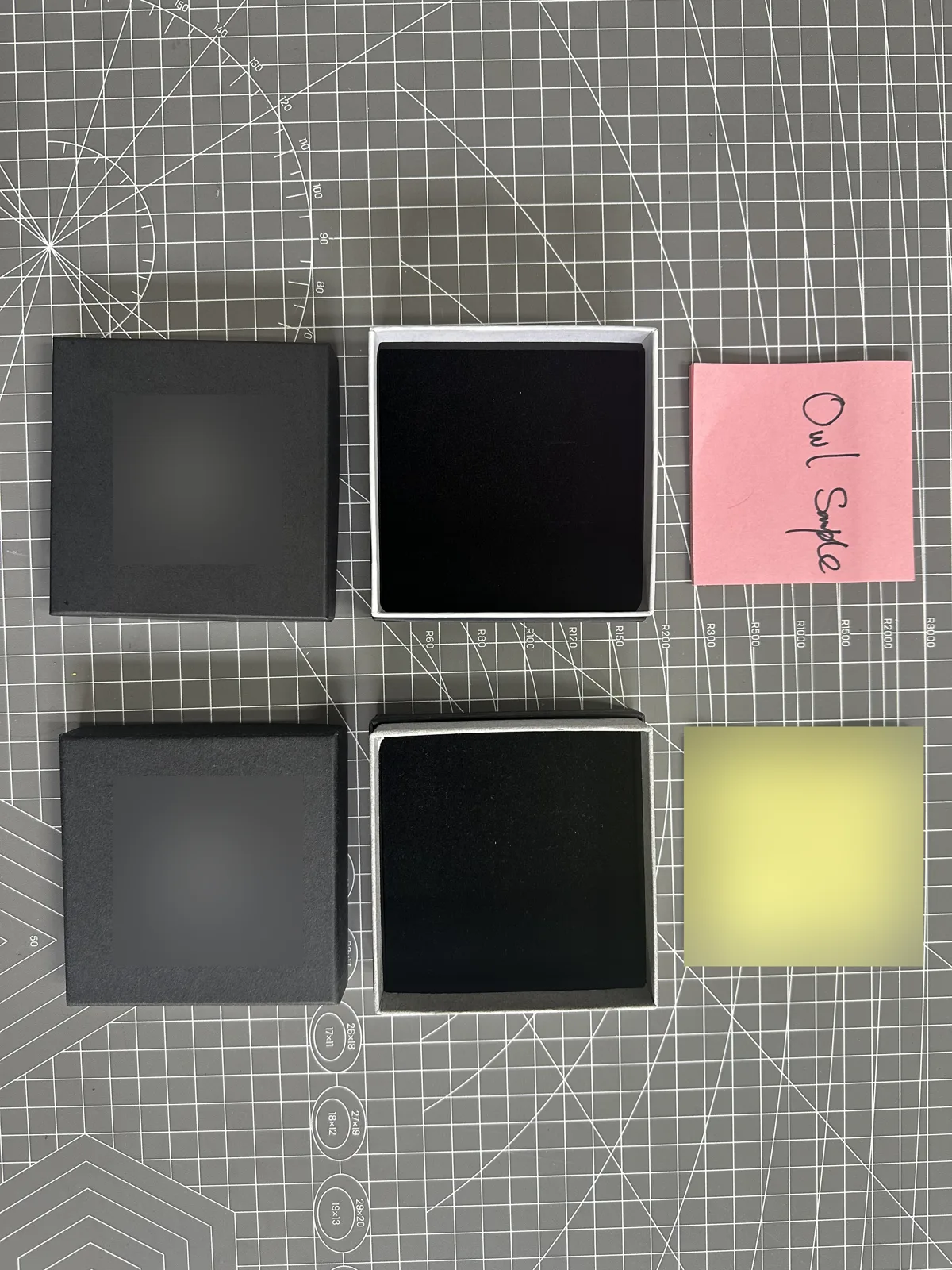
Ask how the factory matches Pantone colors, who checks the first sheets on press, and how it handles variation between batches. If the answer is only “we follow your file”, expect surprises.
3. It samples before mass production
Ask for a printed and assembled sample in the real material, not only a digital proof. The approved sample becomes the reference for production and for the inspection before shipment.
4. It can work with your product factory
Packaging often comes from a different factory than the product, so the packaging factory needs exact product dimensions and insert requirements, and someone has to test the fit. We cover this below.
How do packaging sampling and color matching work?
Packaging sampling in China usually takes 3 to 7 days per round, and most projects need 1 to 3 rounds. Color is the part that needs the most attention. This is how we handle it at Owl Sourcing:
- Agree the color references. Every brand color is specified with a Pantone reference from a Pantone color guide, not only as a screen color.
- Check color on site at the printing press. Our staff member goes to the printing factory and compares the printed sheets with the Pantone guide at the press.
- Bring back the closest color sample. Our staff member brings back the closest printed sample. We either post it to the brand overseas for approval, or, for brands we know well, we judge whether it is acceptable based on how well we know the brand’s standards.
- Approve a reference sample. The approved sample becomes the color standard for mass production and for our inspection.
Even with this process, a printed color will not match a Pantone chip exactly, and every batch has some variation. On one printed insert card, the Pantone green came out slightly different from the reference. In cases like this, we work with the brand client to agree on a result both sides can accept, before the full run is printed.
If you are planning custom packaging and want a factory checked and a sample matched before you commit, Get a Quote. We reply within 24 hours.
Should your packaging be made in the same factory as your product?
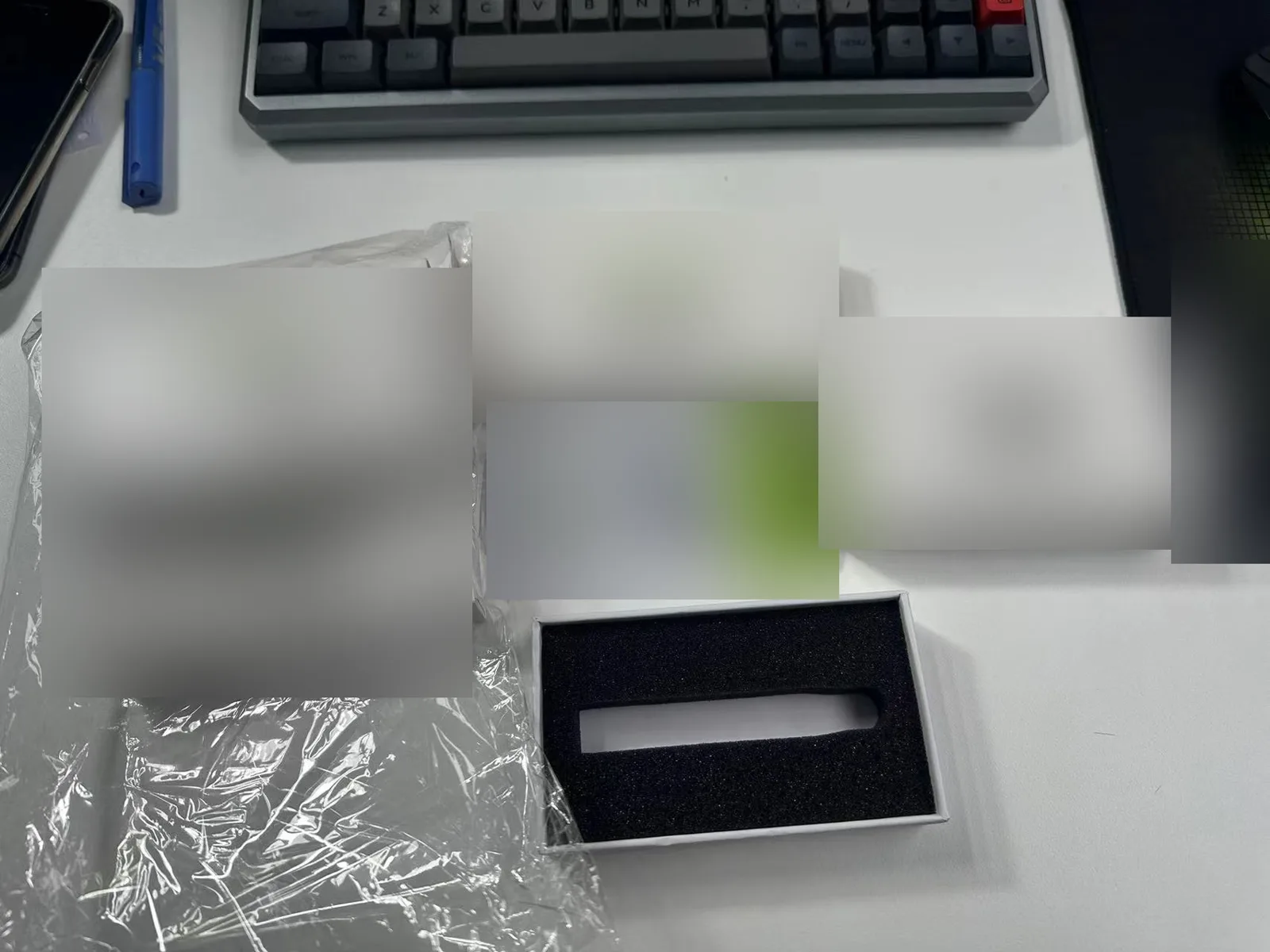
Usually not. In our projects, the packaging and the product are made in different factories, because a printing and packaging factory and a product factory have different equipment and skills. Both are delivered to our Shanghai warehouse, where we assemble the products into their packaging, inspect them and pack them for shipping.
Working with two factories gives you a specialist for each part, but it needs coordination:
- Both factories work from the same dimensions, so the product factory’s tolerances are shared with the packaging factory.
- The insert is fitted with a real product sample before the packaging goes into mass production.
- Delivery dates are aligned, so neither part waits long at the warehouse.
- Quantities are checked on arrival, so every product has a box.
This is the part of custom packaging that brands find hardest to manage from overseas, and it is where an on-the-ground team saves the most time.
What problems show up in packaging mass production?
Most packaging problems in mass production can be traced back to an unclear standard at the sampling stage. These are the checks we focus on:
- Size: finished boxes are measured against the drawing and the approved sample, especially height and inside dimensions.
- Color between batches: each batch is compared with the approved color sample, not only with the previous batch.
- Insert fit: the product should sit firmly without force, and the lid should close without pressure on the product.
- Folds and creases: fold lines are checked for cracking of the print or coating.
- Moisture: paperboard can warp in humid conditions, so storage and carton packing are checked.
- Print and barcode: registration, spelling and barcode scanning are checked before packing.
For a deeper look at inspection checkpoints, see our guide to packaging quality inspection in China.
What should you check before packaging ships, including Amazon FBA rules?
Before custom packaging ships from China, check it against your own approved sample and against the rules of where it is going. For Amazon sellers, that means Amazon’s FBA prep and packaging requirements.
- Amazon FBA: Amazon’s FBA prep, packaging and labeling guide says each unit must be scannable, existing barcodes on the outside of shipping boxes must be covered, and bags with an opening larger than 5 inches need a suffocation warning. Amazon may refuse, return or repackage non-compliant units at the seller’s expense. The full rules are on Amazon’s Packaging and prep requirements page in Seller Central. These rules were checked in November 2026 and can change, so confirm the current version before you print.
- Transit testing: the International Safe Transit Association publishes ISTA test procedures for packaged products, including a 6-AMAZON.com procedure for products that ship in their own container. Ask whether your retailer or channel requires a specific test.
- Environmental claims: if your box says “recyclable” or “compostable”, the US FTC’s Green Guides (16 CFR Part 260) require the claim to be true and substantiated. Check claims with your compliance adviser before artwork is final.
At Owl Sourcing, packaging is inspected together with the product before shipment, against the approved sample. You receive the inspection report within 3 working days. Learn more about our quality control in China.
What drives the cost of custom packaging from China?
The cost of custom packaging from China depends mainly on structure, materials, printing and quantity. The main drivers are:
- Structure: a rigid gift box with a separate lid involves more material and handwork than a folding carton.
- Material: board grade and thickness, and any certified or recycled-content paper.
- Printing and finishes: the number of colors, Pantone spot colors, foil, embossing and lamination.
- Inserts: foam or molded inserts add tooling and cost.
- Quantity: set-up costs are spread over the order, so unit cost falls as quantity rises.
- Sampling rounds: a complete brief reduces rounds and time.
- Shipping volume: rigid boxes ship as finished volume, while folding cartons can ship flat.
On quantity, packaging orders typically start from about 500 pieces. For smaller packaging, the most common order range is about 500 to 1,000 pieces. This is not a fixed minimum, and the right quantity depends on the box style and printing method.
Owl Sourcing quotes an all-inclusive unit price. We focus on packaging that matches your approved sample, not on the lowest quote.
How Owl Sourcing manages custom packaging for brands
Owl Sourcing manages China production for Amazon and DTC brands from start to finish, and packaging is part of that work. For packaging, we:
- Review your brief and drawing, and match it with a suitable packaging factory.
- Manage sampling, including on-site color checks at the printing press.
- Coordinate the packaging factory with your product factory, including insert fit.
- Receive both at our Shanghai warehouse, then assemble, inspect and pack.
- Arrange shipping to Amazon FBA or your own warehouse.
If your packaging is part of a new product, see how we handle custom products from China. If you are still at the sample stage, our guide to ordering product samples from China explains how to brief suppliers.
Frequently asked questions about custom packaging from China
Can a packaging factory in China make small quantities?
Yes. In our projects, packaging orders typically start from about 500 pieces, and for smaller boxes the most common range is about 500 to 1,000 pieces. This is not a fixed minimum. Rigid boxes, special finishes and custom inserts usually make low quantities more expensive per unit, so ask for prices at two or three quantities before you decide.
What files does a packaging factory need from me?
A packaging factory needs your product dimensions with tolerances, the box style, the material, your artwork and your Pantone color references. Ask the factory for its dieline for your exact size, then place your artwork on that dieline in a vector file. Include a reference photo of a box you like, and state whether the goods will ship to Amazon FBA.
How close can printed packaging get to a Pantone color?
Printed packaging can get close to a Pantone color, but it will rarely match the chip exactly. Paper type, coating, lamination and ink all affect the result, and every batch varies slightly. The practical answer is to approve a printed sample on the real material and use that sample, not the screen file, as the color standard for production and inspection.
Should packaging and product be made in the same factory?
Usually not. A product factory is rarely also a good printing and packaging factory, so we normally use separate specialists for each. The risk is fit and timing, so both factories must work from the same dimensions, and someone must test the insert with a real product. At Owl Sourcing, both are delivered to our Shanghai warehouse for assembly, QC and packing.
How long does a custom packaging sample take in China?
A custom packaging sample in China usually takes 3 to 7 days per round, and most projects need 1 to 3 rounds. Simple folding cartons are faster, while rigid boxes with special finishes or foam inserts take longer. A complete brief with the correct dieline, Pantone references and product dimensions is the most effective way to reduce sampling rounds.
Do I need to test my packaging for Amazon?
Your packaging must meet Amazon’s packaging and prep requirements, which cover barcodes, bagging, bubble wrap and box preparation by product type. For transit performance, ISTA publishes test procedures, including 6-AMAZON.com for products that ship in their own container. Check Amazon’s current Seller Central page and your own channel requirements before you finalize the packaging design.
Can I print “recyclable” or “eco-friendly” on my packaging?
Only if you can support the claim. In the US, the FTC’s Green Guides (16 CFR Part 260) say environmental marketing claims must be truthful and substantiated, including claims about packaging. Broad terms such as “eco-friendly” are hard to support. Ask the factory for material documentation, and have your compliance adviser review any claim before the artwork is finalized.
Who checks custom packaging before it ships from China?
At Owl Sourcing, our team checks the packaging together with the product before shipment, against the approved sample. The checks cover size, color, print, barcodes, insert fit and carton packing, and you receive the inspection report within 3 working days. If something is wrong, we work with the factory on a fix before the goods leave China.
Plan your custom packaging with Owl Sourcing
Tell us about your product, your packaging idea and your quantities. We will check the drawing with suitable packaging factories, manage sampling and color, and inspect everything at our Shanghai warehouse before it ships.
We reply within 24 hours.

About the author: Andy Yu
Founder of Owl Sourcing
Andy Yu has 20 years of experience in the sourcing industry and has helped Amazon sellers and DTC brands in the US and Europe source from China since 2016. He works with clients directly in fluent English and runs every order with detailed SOPs, trusted partner factories and inspection before shipment, including 100% checks at Owl Sourcing’s Shanghai warehouse when an order needs it. His strongest categories are metal products, wood, plastic and paper packaging, and custom products with demanding quality requirements.
Connect with Andy on LinkedIn