
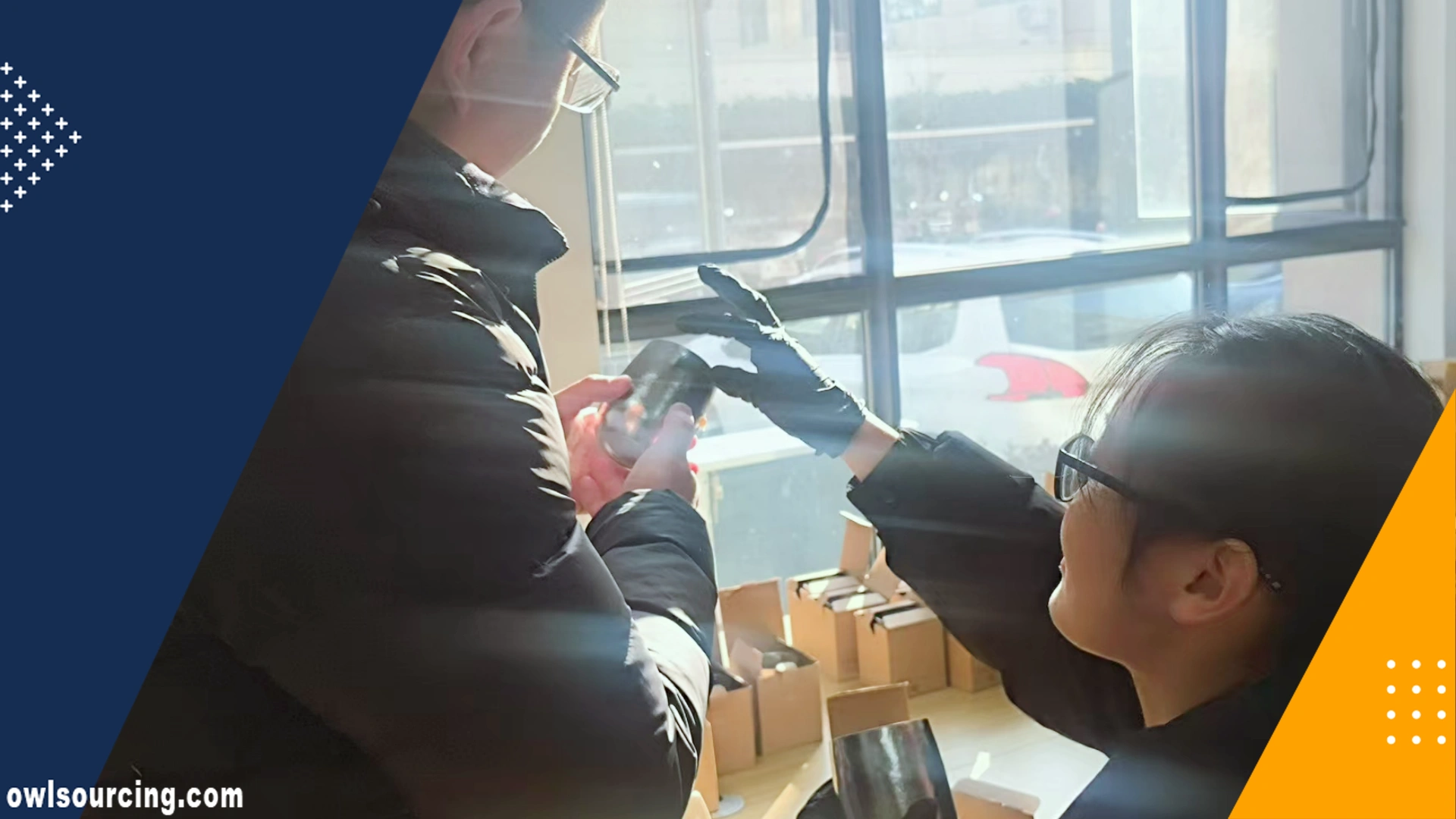

Your consumer expects nothing less than perfection. When you decide to import from China, you cannot simply hope for good quality. You need a guarantee. Standard China product inspection often relies on random sampling methods.
This approach means that inspectors only check a small percentage of your goods. For many products, this leaves you exposed to huge commercial risk. You must be very sure that every single unit in your order is flawless.
Many importers believe that checking just a few samples is enough to ensure quality. In some cases, it works fine. However, “fine” isn’t always safe when it comes to sensitive or expensive products, such as electronics, machinery, or Amazon FBA items.
This is the precise moment when piece-by-piece inspection in China becomes essential. It is a powerful tool. It actively protects your brand from negative feedback. We will discuss everything about this unique quality control process.
Understanding Piece-by-Piece Inspection
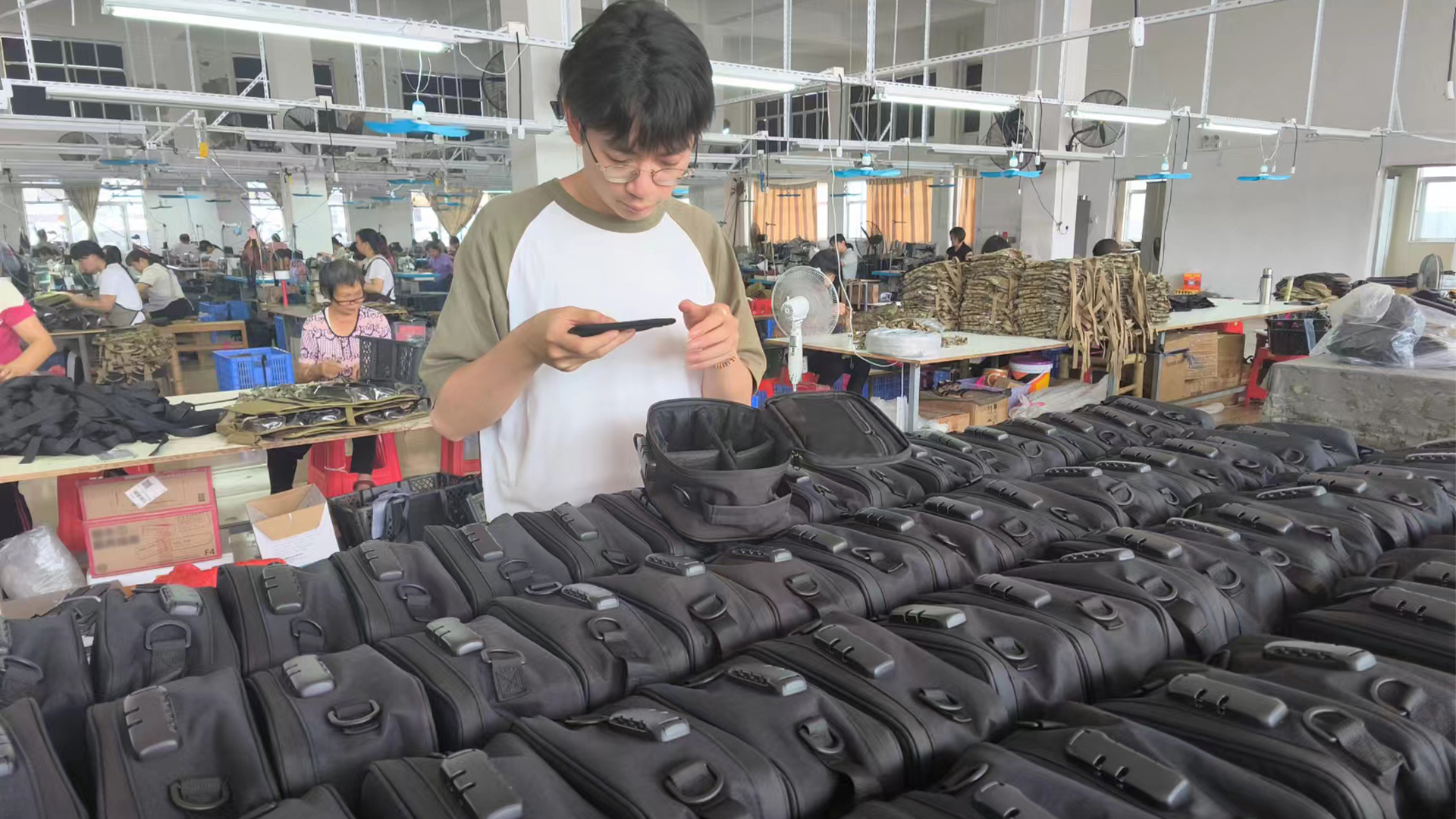
In simple terms, it’s a complete quality check. Here, every single product in your order is inspected before shipping.
It is the most rigorous form of quality control in China. This process demands that inspectors check every item in your entire shipment. This is a fundamental departure from random sampling methods. No product is allowed to escape scrutiny. Every single unit must successfully pass a set of quality criteria.
The scope of this checking process is thorough. Inspectors carefully examine the product against your precise specifications and drawings. They look for obvious defects like scratches or poor finishes. They also confirm the correct customisation elements are present.
A piece-by-piece quality control in China is necessary when defect costs are too high. You must use this service if sample checks reveal poor quality.
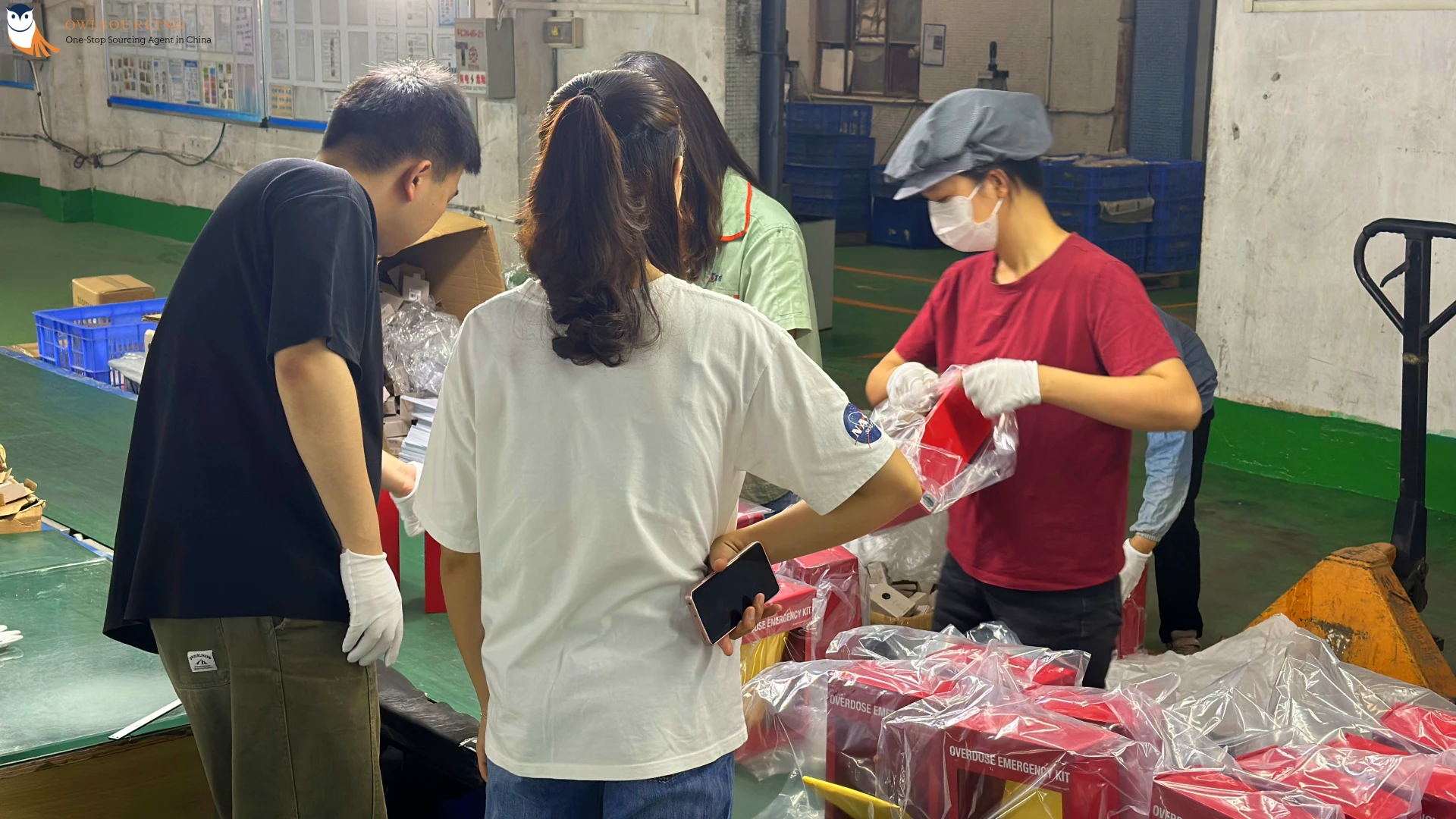
Trained inspectors go through every single unit. One by one. Piece by piece. They follow a strict checklist that covers everything: dimensions, functionality, labelling, packaging, and more. Every item is recorded, flaws are noted, and outcomes are recorded.
Nothing gets away. It’s not just inspection; it’s insurance. Especially if you’re selling on Amazon FBA, where one bad batch can tank your entire account faster than you can say “policy violation.”
Piece-by-Piece vs. Random Sampling – A Quick Comparison
| Factor | Random Sampling | Piece-by-Piece |
| Scope | Checks a small percentage of the total goods | Checks every single item |
| Accuracy | Detects general trends in quality | Detects all defects, even minor ones |
| Time & Cost | Lower | Higher |
| Best For | Low-risk, mass-market products | High-value, brand-sensitive items |
| Defect Detection | May miss hidden issues | Captures every defect |
| Ideal Scenario | Stable supplier with a proven track record | New supplier, strict markets, or critical parts |
Is Piece-by-Piece Inspection Common in China?
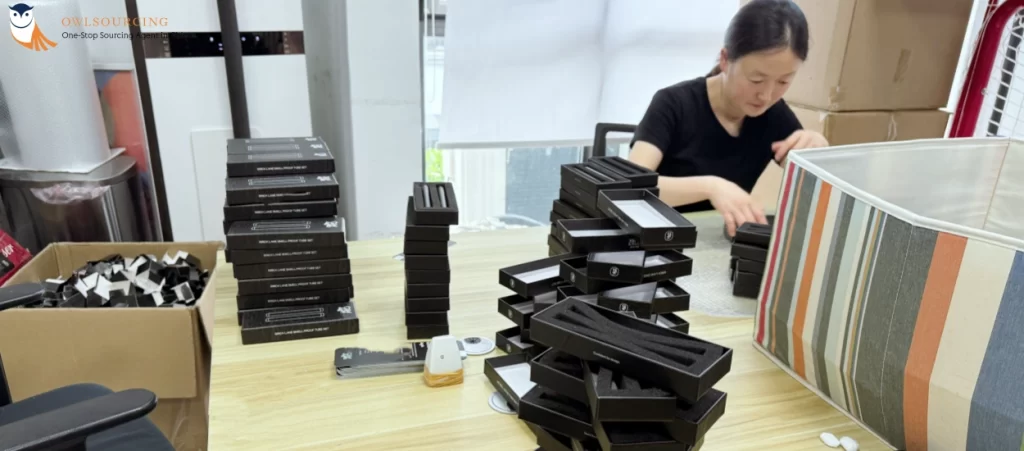
Yes, Piece-by-Piece inspection is common for export products in China. The demand from buyers drives this necessity. Many reputable Chinese suppliers understand the need for full verification. Because of this, many Chinese inspection companies actively offer this service. They have efficient systems to handle the volume.
These services are important for goods destined for major global markets. Strict regions like the European Union demand high quality. They have rigorous import standards and legal liabilities. Suppliers know a complete check is needed to meet these requirements. It is a fundamental part of the export readiness process.
You can easily arrange a full inspection service in China through a third party. This guarantees an objective verification before the products are loaded. It removes any doubt about the quality. It gives serious importers the confidence they need.
The “Cheap Now, Costly Later” Trap
Many buyers skip a thorough inspection to save a few hundred dollars. And it seems wise—until the package shows up.
incorrect labels. surfaces with scratches. goods that hardly make it through the “function” test.You’re not saving now. You are fighting a fire.
reimbursements. replacement expenses. deliveries that are delayed.
The worst part is that your brand’s reputation is slowly eroding.
So, What Does a Full Inspection Actually Cost?
- On-site inspection (the traditional method): An inspector goes directly to the factory, examines your products there, and provides you with an accurate assessment.
Depending on how complicated the job is and how keen the inspector’s eyes are, you could expect to make between $190 and $300 per day. Simple, clear, and devoid of guesswork, it is billed on a working day. - A little more adaptable is the third-party inspection service. You specify your needs to the supplier, including pre-shipment inspections, quality assurance, thorough defect reports, and anything else your product requires.
Depending on the product type, scope, and depth of investigation, they will provide you with a quote. In essence, you pay for the assurance that neither Amazon FBA nor customs will make your shipment a nightmare.
The Real Question Isn’t “How Much?”
It’s how much are you willing to risk?
A few hundred dollars can buy you complete clarity.
Or you can gamble that your supplier’s “all good” really means… all good.Your call.
[embedyt] https://www.youtube.com/watch?v=zum8EKmn314[/embedyt]
Benefits of Piece-by-Piece Inspection
Image Source: Pexels
Choosing a full inspection offers enormous and powerful commercial advantages. This choice moves you far beyond simply hoping to meet quality expectations. It is a proactive step that allows you to guarantee excellence to your customers.
1. Zero-Defect Delivery Assurance
The most direct benefit is peace of mind. You can be entirely confident that your overseas customer receives a perfect product. This level of quality control is really hard to replicate. This assurance makes your business stand out. It solidifies your market position as a premium or reliable provider. You are selling trust, not just a product.
2. Builds Trust with Overseas Buyers
Being clear and committed to this level of quality is a good advantage. It creates immediate and powerful long-term customer loyalty. When a buyer knows you conduct a third-party quality inspection, they feel secure.
Your customers understand they are receiving thoroughly checked goods. This eliminates the anxiety associated with buying imported products from China. Trust becomes an important feature of your product offering.
3. Reduces Return and Brand Reputation Risks
Fewer defective products in the shipment means fewer customer returns. It means you will process far fewer time-consuming refunds. These savings directly improve your bottom-line profitability. It protects your brand from devastating negative reviews.
Bad reviews can quickly tank the sales of your custom products. Preventing the defect is cheaper than dealing with the fallout. This proactive quality check is the best form of brand insurance available. It protects future product launches and sales.
4. Ideal for Strict Markets (EU, US, Japan)
These markets do not allow any major defect. Products that do not meet standards may face heavy fines. Full inspection ensures complete compliance with their regulations. It minimises the legal and financial risks of non-conformance.
If you are importing sensitive products, this level of scrutiny is not optional. It is a mandatory part of your entire global sourcing strategy. You must meet the required safety and performance benchmarks.
5. Helps Identify Recurring Production Issues Early
When your inspectors check every single unit, defects quickly become obvious. This allows for powerful data analysis. The factory can then fix the root cause of the recurring problem. This might involve machine calibration or material changes. Identifying these issues early is a massive benefit.
How to Estimate the ROI of a Full Inspection
A full inspection may look expensive on the surface. However, the actual numbers can show a different story. You can calculate the ROI by comparing inspection costs against potential loss from faulty products.
For example:
| Item | Amount |
| Inspection Cost per Unit | USD 0.30 |
| Average Product Price | USD 25 |
| Potential Defect Rate Without Full Inspection | 5% |
| Expected Loss per thousand Units, if defective | USD 1,250 |
| Inspection Cost per thousand Units | USD 300 |
Even with this model, one can save around USD950 per thousand units. When we add the value of protecting brand reputation and reducing refund rates, the ROI becomes much higher.
When Should Someone Go for Piece-by-Piece Inspection
A full inspection is a good business decision. It is not always necessary for every product type. There are five important scenarios where you need this level of scrutiny.
1. High-Value or Brand-Sensitive Products
If the individual unit cost of your product is high, a defect is too expensive. Losing just a few units can quickly erode all your profits. This includes luxury items where the client expects perfection. A scratch can destroy the value entirely.
Similarly, any product that carries your brand name must be flawless. This investment guarantees that the product shows your high brand standards.
2. Products with Tight Tolerance or Safety Requirements
Certain products need zero errors. Items like complex machinery parts or precision tools have extremely tight tolerances. Their dimensions must be exactly right to function correctly. Their function must be 100% assured for user safety.
So, piece-by-piece inspection is not an option for these items. It is a fundamental safety and legal requirement.
3. Past Supplier Quality Issues
Do not assume the next batch will be better without checking it. If you have experienced inconsistent quality between batches, full inspection is needed. This is particularly true if the supplier has recently tried to fix a major defect.
You must verify every single piece after a rework is performed. This check ensures the problem is truly solved and not hidden.
4. First-Time Orders or Before Mass Production Scaling
Never scale your order quantity without first thoroughly verifying the factory’s capability. Before you launch into mass production, subject the first large batch to a full check. This helps identify limitations in the factory’s current processes.
This rigorous check on the initial run secures your success in the future. Once quality is confirmed, you can then scale up confidently.
5. When Working with New or Unverified Suppliers
Trust is earned, especially when importing products from China. You should not trust an unverified supplier. Their standards may be much lower than your own. Use a third-party quality inspection in China to verify their claims. This step provides an assessment of their manufacturing ability.
Step-by-Step Process of Piece-by-Piece Inspection
The piece-by-piece quality control is a transparent procedure. The following four steps are well defined. They ensure you receive an effective inspection service.
Step 1. Pre-Inspection Prep
You must work closely with your global supply chain provider. The first step is to confirm specifications using precise drawings and samples. Create a detailed checklist that leaves nothing to interpretation. This document must clearly classify all defects.
For example, specify what counts as a minor versus a critical flaw. The factory must prepare a suitable inspection area. This space must be clean and well-lit. All necessary testing tools must be calibrated.
Step 2. On-Site Inspection
This is where the actual labour of the piece-by-piece inspection takes place. The on-site team checks every single product. They begin with a thorough visual check. This covers the finishing quality. Every single unit then undergoes full functional and dimensional testing.
As each product is checked, it is instantly sorted. It goes into either the acceptable pile or the defective pile. Inspectors count and record the quantities of both good and bad items.
Step 3. Rework and Re-Inspection
The defective items are isolated and moved to a quarantine area. Your product inspection team then issues a Defect Report. This document specifies the exact nature and location of every flaw. You and the supplier must quickly agree on a necessary corrective action plan. This plan usually involves two possible actions.
The supplier can rework the product if the defect is minor. Replace it if the defect is critical. The inspector must verify this entire correction process. This re-inspection ensures that your supplier has fixed the defect.
Step 4. Final Report
The final report is the most important document you will receive. It serves as the official proof of the quality check. The report records the exact total quantity of products checked. It records the final pass rate and the total defect rate.
This document must include clear high-resolution photos and objective data analysis. It should talk about the specific checklist used during the process.
Digital Tools and Technology in Piece-by-Piece Inspection
Modern technology has changed how full inspections are carried out in China. It has made the process more accurate and far easier to track. Today, most professional inspection teams rely on a range of digital tools. It brings complete transparency to your quality control operations.
1. Mobile Inspection Apps
Inspectors now use dedicated mobile apps to record inspection data in real time. Every item scanned or tested is logged instantly. This prevents manual counting errors. The data is automatically uploaded to cloud storage for your immediate review.
2. Barcode and QR Code Tracking
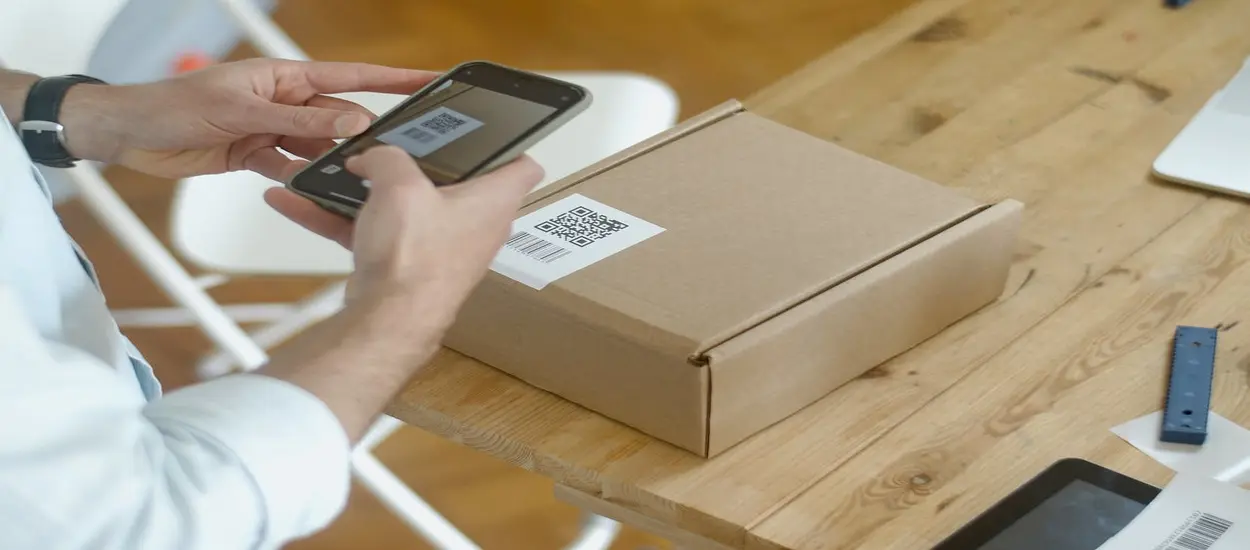
Barcode and QR code systems help trace each product throughout the inspection process. Every item can be tagged and linked to a specific batch or supplier. It creates a clear trail of accountability if issues are found later.
3. Digital Image and Video Reporting
High-resolution photo and video documentation is now standard. Inspectors can record visual proof of defects or reworks. This digital evidence gives you a clear picture of product quality. It is especially valuable for overseas buyers managing multiple orders.
4. Defect Detection with AI
Artificial intelligence tools assist inspectors in identifying surface defects through image recognition. Although still developing, this technology promises to reduce human error.
At OwlSourcing, we already integrate all these digital systems into our inspection work. From barcode to photo reports, our team ensures every unit is verified with precision. We also use several proprietary tools that are hard to list in one post. All our tools are designed to make your wholesale sourcing process more efficient.
Planning a Piece-by-Piece Inspection in China
Arranging a successful inspection requires a professional approach. It is about careful planning and selecting the right partners. The effective coordination of quality control is non-negotiable for serious importers.
1. Choosing a Good Inspection Agency
Look for an inspection agency with a good track record. A good agent will manage your process from start to finish. They ensure the inspectors are certified and completely independent. A third party acts only in your best interest.
2. Setting Clear Product Criteria and Defect Classification
Ambiguity is the enemy of effective quality control. You must clearly define what constitutes an acceptable product. Share specifications with both the Chinese suppliers and the inspection team. You must tell them what is a minor flaw or a major issue. This clarity ensures that inspectors apply consistent standards across the batch.
3. Coordinating Schedule with Suppliers and QC Teams
Logistics are vital when you source products from China. The inspection must not cause a delay to your production timeline. You must plan the inspection date. The inspection can only happen when the production is 100% complete. Make sure the factory gives you all the necessary documents.
4. Deciding Inspection Location
Where the inspection takes place affects the cost and efficiency. The most common location is directly on the factory floor. This allows for immediate communication with the production manager. Many experienced China shipping agents offer inspection services at their own facility. This is a great choice if you are importing from multiple suppliers.
5. Reviewing Inspection Reports
You must analyse the final inspection report and all the accompanying data. Pay special attention to the defect images and the final count. If the defect rate is within your acceptable limit, you can approve the results. Only after this final approval should you make payment to the supplier. You then instruct them to pack the products and prepare for export.
Is Piece-by-Piece Inspection Service Worth Its Extra Cost?
Yes. The investment required in this inspection is minimal. The fee should be viewed as an insurance policy. The cost of dealing with customer returns is always higher.
What happens to defective items during inspection?
Defective items are moved into a segregated area. Your assigned China product inspection team then issues a detailed Defect Report. This document tells you the nature of every single flaw. You and the Chinese suppliers must agree on a corrective plan. This plan typically offers one of two clear options.
The supplier may rework the product if the flaw is minor. The faulty units must be replaced entirely if the defect is critical. The Quality Control (QC) team will always follow up. They will verify the corrected batch with a mandatory re-inspection.
Can you combine piece-by-piece and random inspections?
Yes, combining these two inspection methods is very common. This approach is often called a hybrid inspection plan. It helps you manage overall cost and mitigate high-quality risk. You can use a standard random product inspection for basic items. Then, you apply the piece-by-piece inspection for the high-risk product.
Read More:
- How to Find a Low MOQ Alibaba Supplier?
- Quality Inspection for Pet Products in China
- How to Ensure Product Quality Before Shipping?
- Why Quality Control is Important When Sourcing From China?
Final Thoughts!
Securing a zero-defect delivery when you import from China should never be left to chance. It must be implemented as a mandatory business process. Use piece-by-piece inspection for any high-value or high-risk goods. It is the one tool that eliminates all the guesswork from importing products from China.
Our team offers the absolute best China sourcing service available today. We are perfect for handling all the heavy lifting on your behalf. This includes managing and supervising the necessary 100% inspection service. Contact us today to discuss your next significant import order.