
Beech Veneer Case Study: Clean Samples, About 20% Bad Boards in Bulk
The problem
A brand selling online ordered a wooden product set made with beech veneer boards. During sampling, the beech veneer was clean, and the client signed the approved sample as the golden sample.
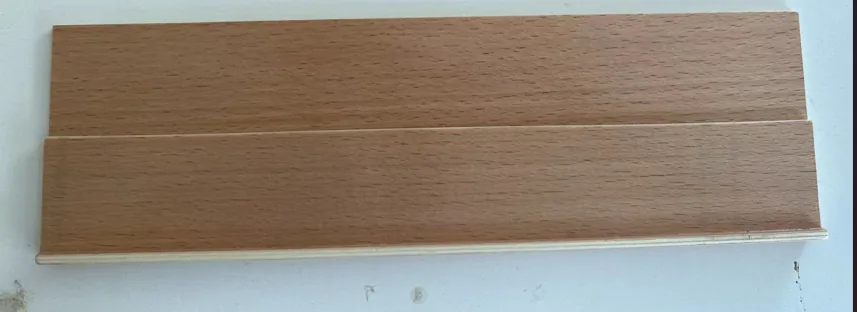
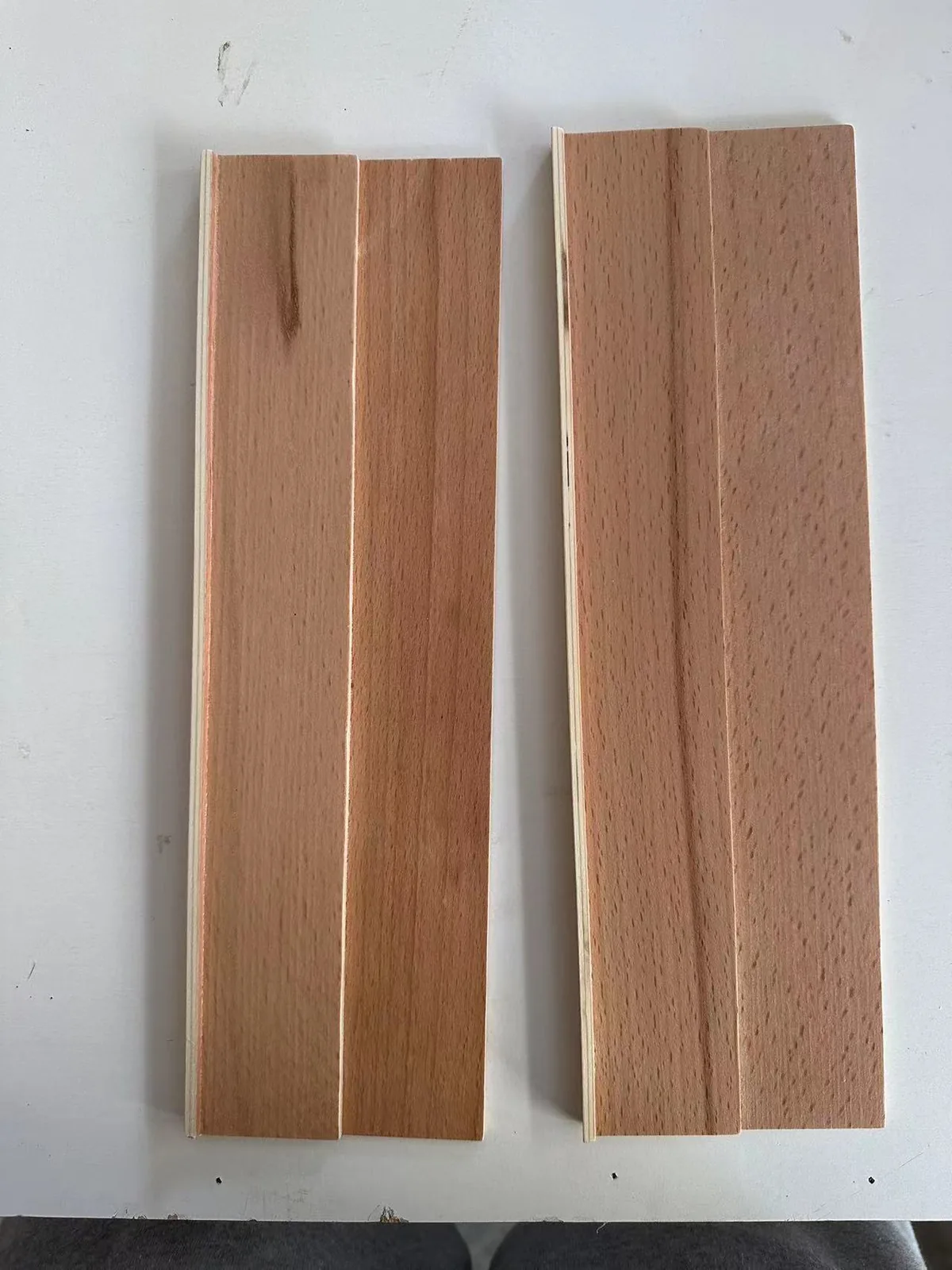
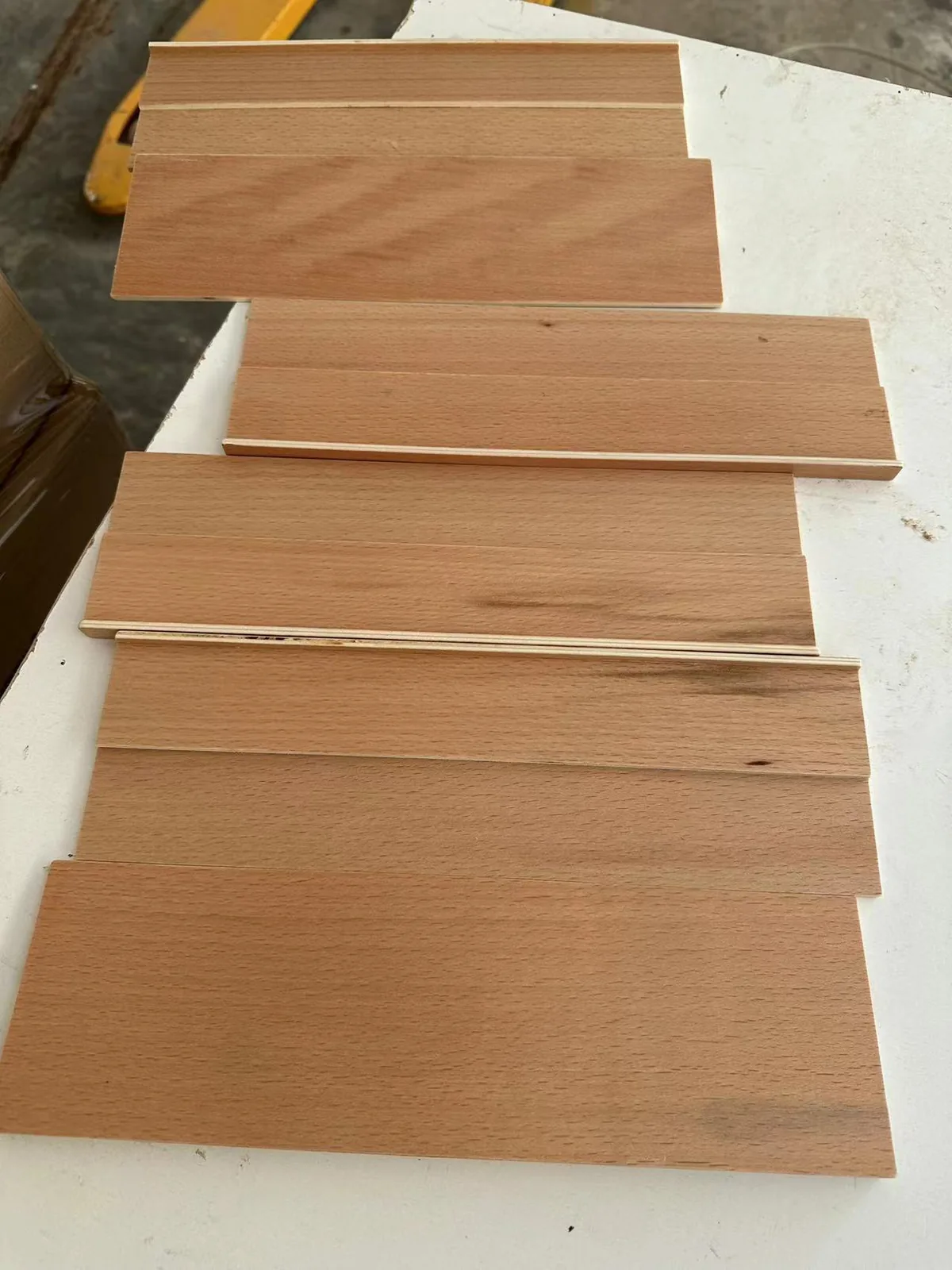
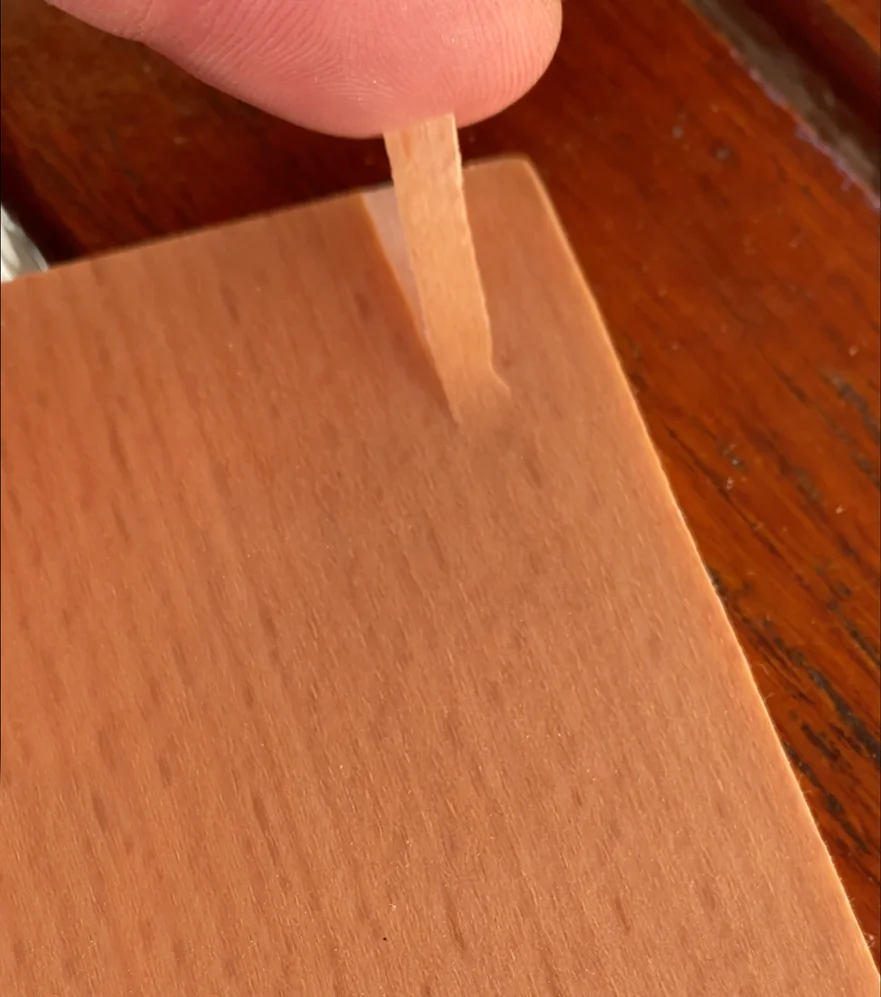
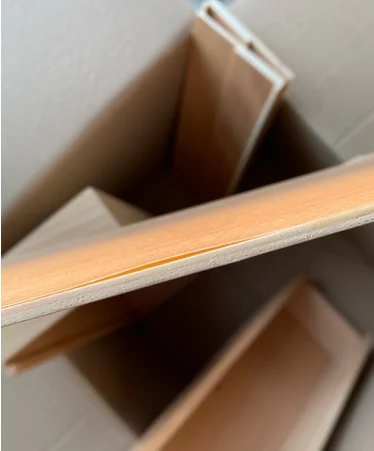
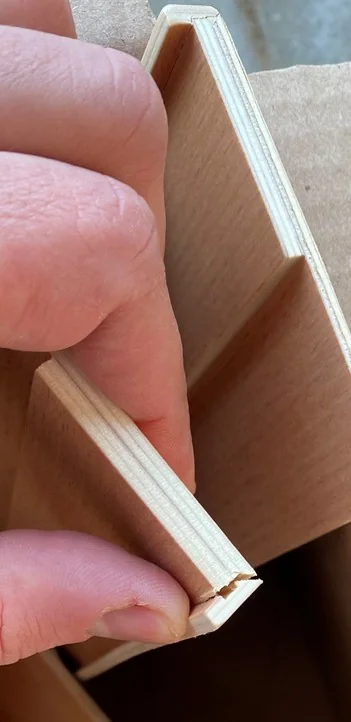
Our during-production inspection compared bulk boards against that signed sample and found the problem before shipment. About 20% of the boards showed black water lines and other appearance defects. Shades varied from board to board, with dark streaks. Some veneer peeled off by hand. Plywood layers cracked and separated at the edges. On one board already packed in a carton, the veneer had lifted and cracked.
The cause
The root cause was mainly the raw material. The veneer supplier sold defective beech veneer to the factory, and the factory had no internal QC on incoming veneer or during processing. Bad veneer went straight onto the boards.
The gluing process was a second factor. The samples were glued and hot-pressed by hand with careful control. Bulk production used a glue-spreading machine running fast for volume.
What we did
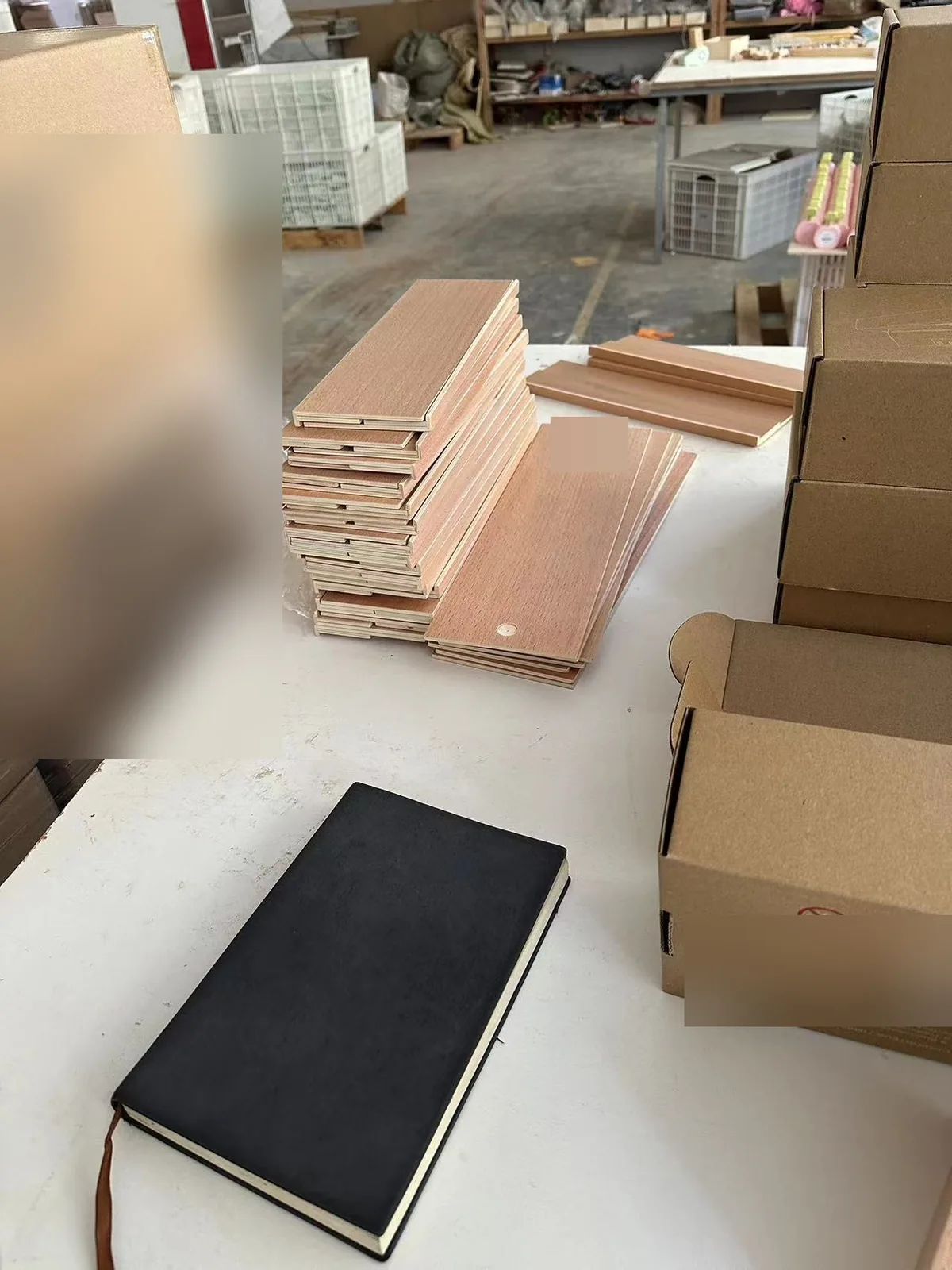
Our own QC team did a two-day, 100% inspection on site at the factory. Several thousand defective pieces were sorted out, and every one of them was returned to the factory and destroyed.
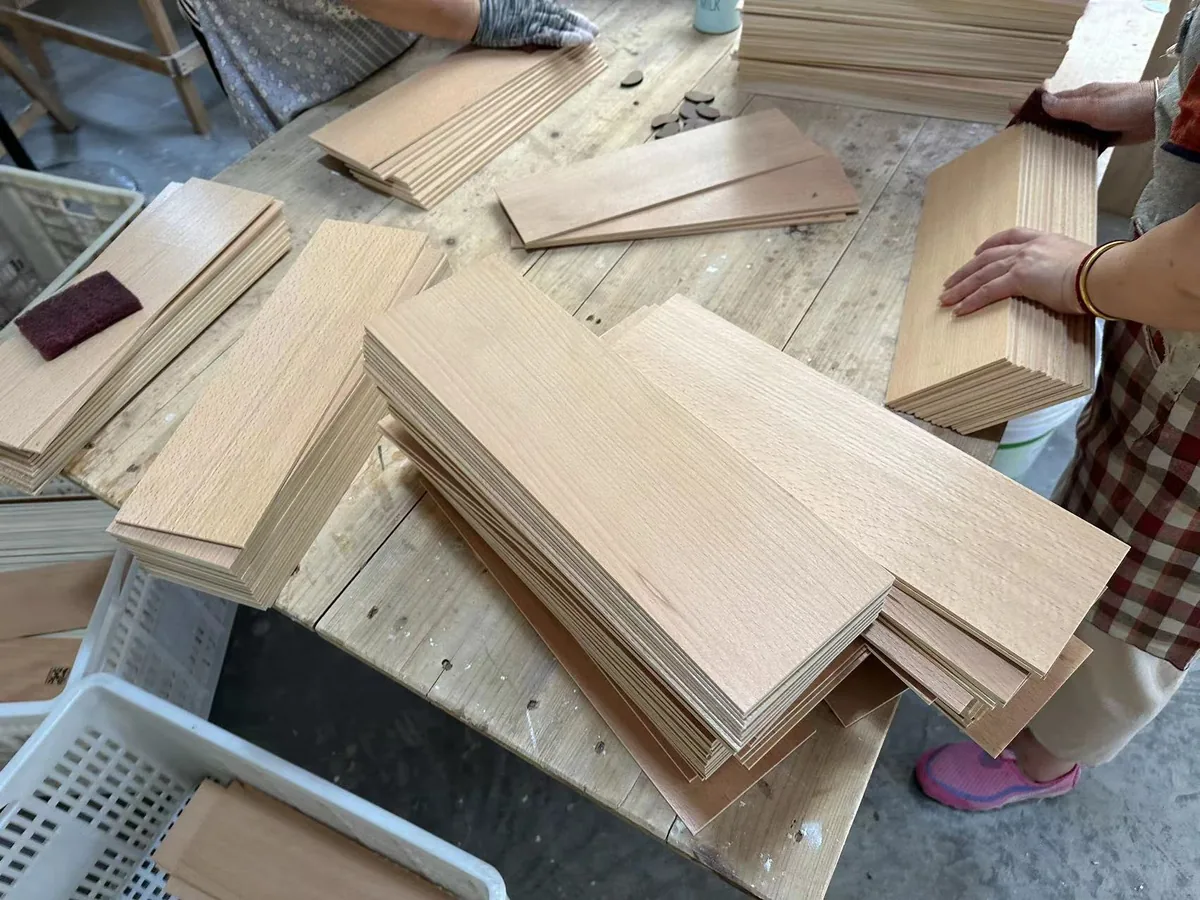
The factory considered a certain defect rate normal and did not see what those boards would do to a brand. So we refused concession acceptance: no defective board would ship at a discount. The factory remade and replaced every defective piece we sorted out, and switched to a different veneer supplier for the remake.
Result and lesson
The remake delayed delivery by 15 days. No defective boards were shipped. For a brand selling online, that trade is worth it: bad reviews snowball and hurt sales of the whole brand, and 15 days late is better than shipping defects.
The lesson is to check the veneer before it is glued and pressed. Before bulk production starts, add a veneer spot check, for example an appearance check on 5% of each batch, and compare the first run against the signed sample.
Related: quality control in China, piece-by-piece inspection, custom product development.