
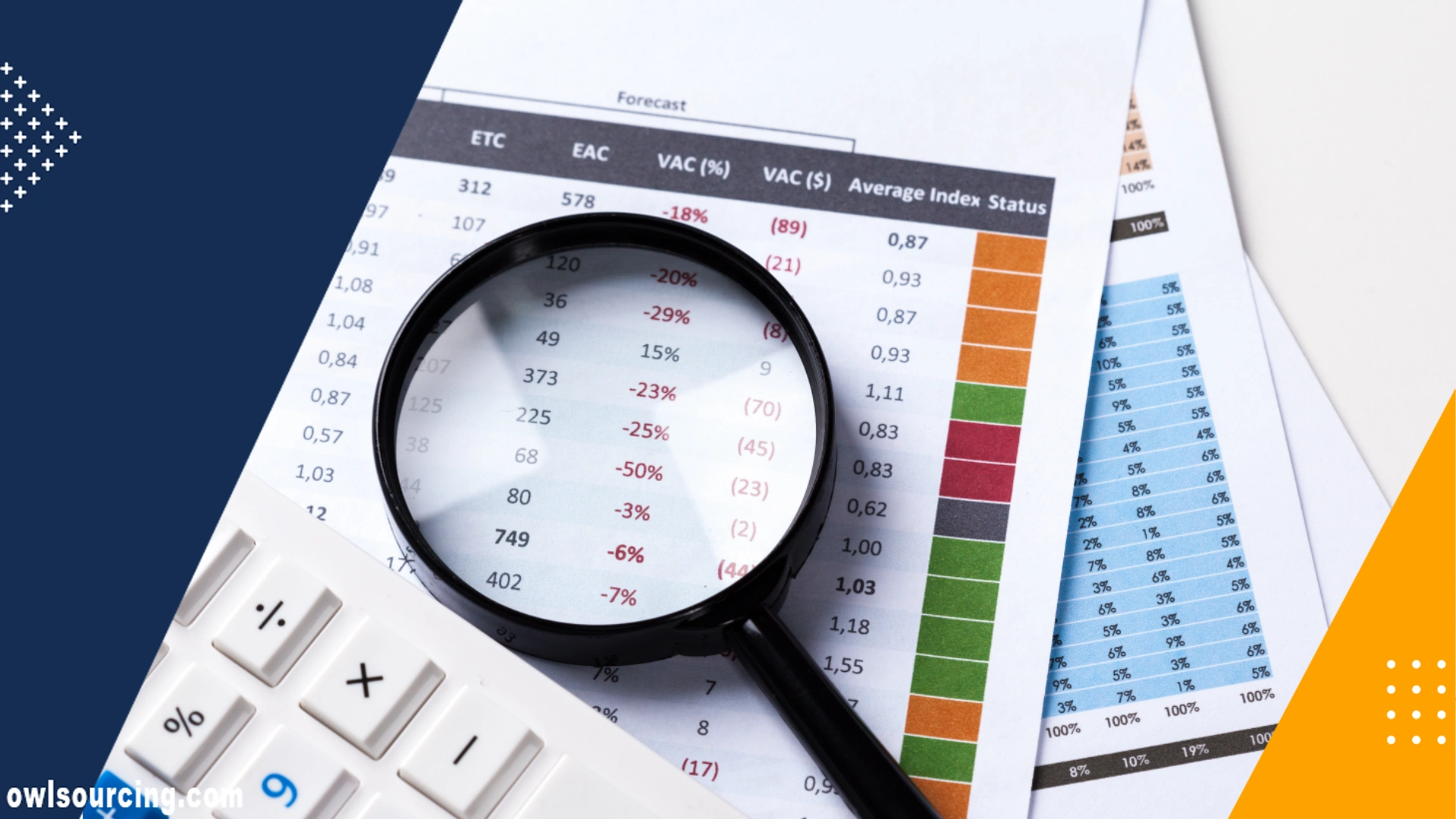

Usually, the cost of inspection services in China is between $100 and $400 per man-day.
This means you’ll pay this amount for one inspector per day. In most cases, that covers 8 to 12 hours of inspection work.
The total cost depends on how long it takes to check your products. If your order is large or complex, it might take more than one day to finish.
Budgeting for quality control (QC) in China should concentrate on the “man-day” cost (roughly $100–$400+) for third-party inspections, account for travel and urgency, and incorporate costs into the cost of your product.
How to Budget for Quality Control in China
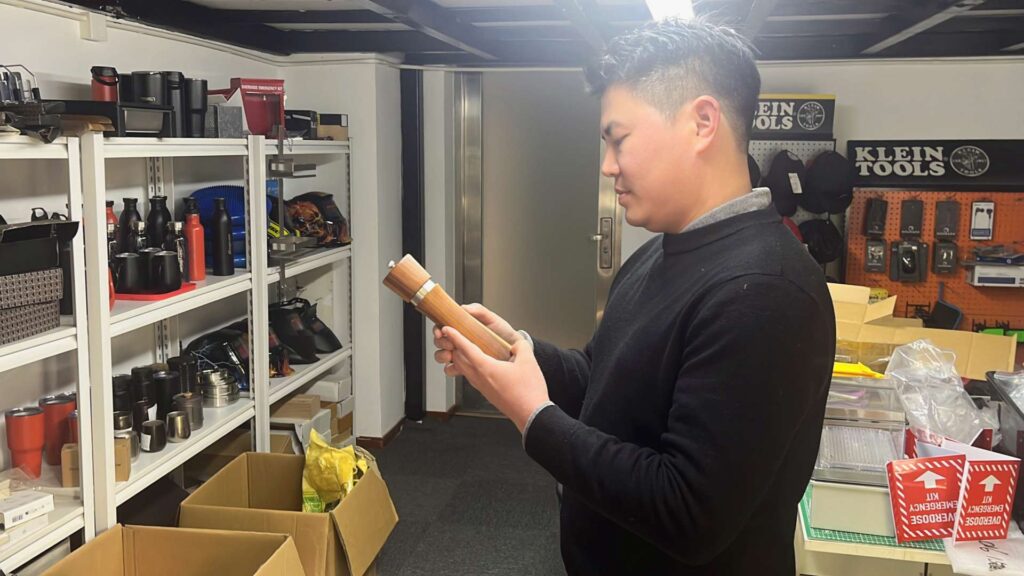
Proactive preparation (clear specifications, contract clauses), understanding AQL levels to optimise sample sizes, and making QC an investment to prevent significant recall costs can all help you save money.
Next, keep in mind that prices can vary depending on what you need. Some trusted inspection companies may also add extra travel costs if the factory is far away.
In that case, you might need to pay for additional man-days.
Additionally, remember what the price should include. Your inspection fee should include sampling, images of the product, and a detailed report of the inspection.
Finally, if a third-party inspection company tries to charge extra for these basic services—such as reports or photos—it’s a warning sign.
A reliable inspection partner will always include them in the standard cost.
The Total Cost of Quality Control in China
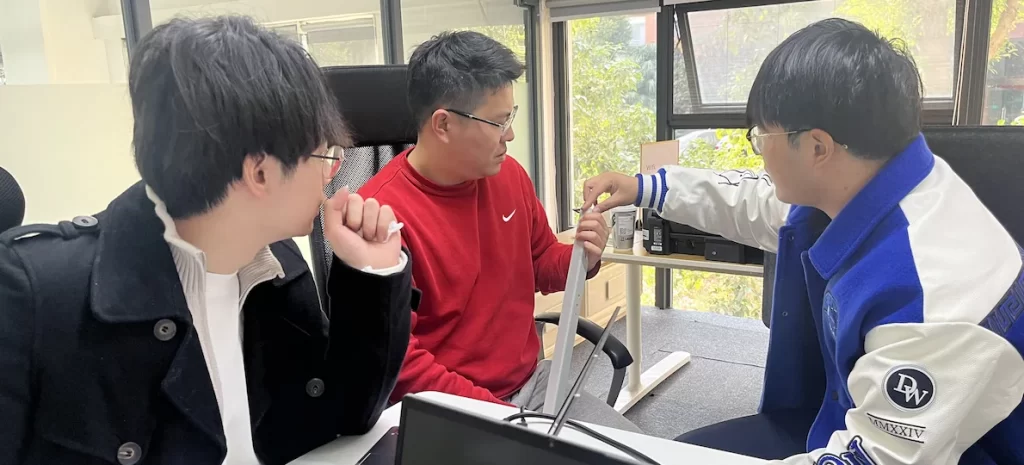
Key Budgeting Components:
- Inspection Fees (Man-Day Rate): The primary expense, usually between $100 and $400+ per inspector per day (8–12 hours).
- Factors: product complexity, location (travel increases expenses), urgency, and the inspection firm selected.
- What’s Included: Preparation, travel (if permitted), inspection, reporting, and sample handling are typically covered.
Factory audits can be paid for separately or as part of a continuous service, usually at a daily rate or fixed fee. - Pre-Production/During Production Checks (PPC/IPC): Ongoing monitoring expenses that are frequently priced similarly to routine inspections.
- Post-Production Inspections (DPI): Typical examinations conducted following the completion of goods.
- Travel Surcharges: If the factory is located far from important hubs like Shenzhen or Shanghai, expect additional fees (sometimes a half-day’s cost plus a flat fee).
Sourcing from China Without Quality Inspection Is a Guaranteed Disaster
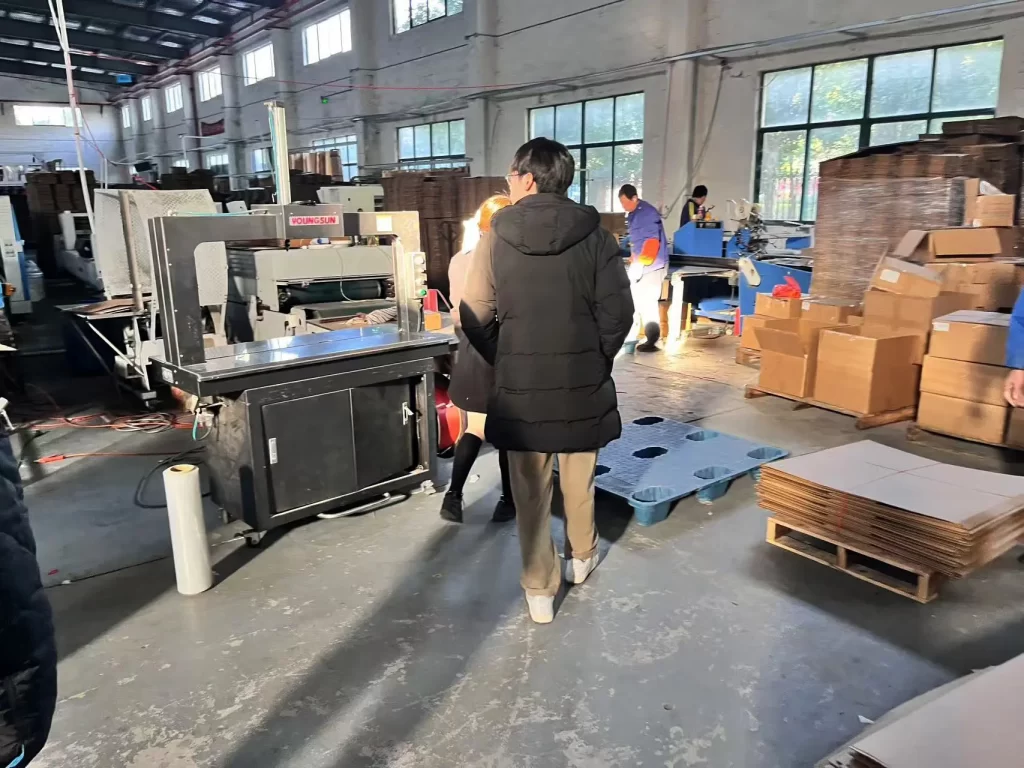
Customer returns, refund requests, negative reviews, and long-term brand damage are typically the price of cutting corners.
Unbelievable but true, I once had a client who purchased 1,000 glass jars without inspection. Upon delivery, they discovered that 35% were chipped, scratched, and dirty. What happened? Delays in deliveries, costly replacements, and complaints marred their sales record.
In one instance, the electronics shipment arrived 20% defective; some of the products were missing key components in the final packaging. That mistake alone accounted for over $10,000 in returns and customer confidence loss.
On the other hand, instituting quality QC in the form of pre-shipment inspections, product specifications, and qualified suppliers can reduce defects by 99%. It also ensures that your products meet definitive platform requirements on Amazon, Shopify, or TikTok Shop, where early reviews have a direct influence on long-term success.
At OwlSourcing, we also maintain an in-house inspection team to assist you in finding and fixing quality problems before shipping from China so that you do not have to pay for it afterwards.
Our inspection data shows that a 10% defect rate is not uncommon, and as highlighted in our previous article, sourcing directly from platforms like Alibaba carries significant risks.
The Strategic Role of Quality Control in Chinese Sourcing

Quality control presents unique challenges that can ruin your plans if not met. Understanding these challenges is the secret to success over them.
Quality control in China is not defect checking—it is a competitive advantage. It guarantees reliability, customer satisfaction, and business scalability when selling through online marketplaces like Amazon, Shopify, or TikTok Shop.
Below are the most common challenges and how to succeed over them:
- Ensuring Product Reliability: QC guarantees function and safety, whether functional circuits for electronics or adequate stitching in apparel.
- Compliance with Laws: Western markets require absolute compliance with FDA, CE, or RoHS mandates. QC guarantees certified reports and compliant components.
- Minimising Financial Risk: Defects incur 20–30% additional costs by way of rework, refund, and delay.
- Simplifying Operations: Prevents launch bugs, backorders, and recalls.
- Encouraging Supplier Responsibility: QC calls for uniform quality performance.
- Enabling Scalability: Scale securely, knowing orders of greater size will be the same.
Let me explain in-depth:
1. Blending Client and Supplier Needs
Effective QC is about understanding how to set standards that are client-preferred but feasible for suppliers. High standards can cost more for suppliers and hence create tension.
2. Unreliable Manufacturing Standards
Some Chinese suppliers put speed ahead of accuracy, applying a “good enough” attitude that leads to errors or non-compliance with Western standards.
For instance, a supplier may employ lower-quality materials to save money and accept that there would be imperfections. This misfit can create products that are non-conforming to U.S. or EU requirements, resulting in holdups and returns.
3. Navigating Language Barriers in QC in China
Misinterpretation by product specs, most of the time by open-ended translations, results in less-than-impressive products. An importer seeking to order bespoke packaging can be provided with incorrect colours or sizes due to mistranslated briefs.
Phone calls are sometimes necessary in spite of AI tool capabilities.
China agents’ efficient English-speaking personnel enable suppliers to gain a better understanding of foreign customers’ detailed product specifications, reducing errors.
4. Managing Geographic Distance in Quality Control in China
Geographic distance is hard to control. Factories thousands of miles away are a nightmare for monitoring in real time, so the importers have no choice but to rely on remote inspection. Time zones also make communication slower, with the added risk of defects going undetected.
OwlSourcing, being local to Shanghai, can provide ground-level support, in-process and pre-shipment quality checks to detect faults early on, saving your time and the cost of commuting.
If our team identifies an issue, our quality team will be at the factory’s doorstep the next morning to resolve it.
Common Pitfalls We Overcame:
| Challenge | Impact | Solution |
|---|---|---|
| Inconsistent Standards | Defects, returns | Define specs, run pilots |
| Language Barriers | Miscommunication | Use bilingual agents + visuals |
| Geographic Distance | Delayed action | Local inspections + next-day factory access |
| Regulatory Risks | Fines, recalls | Verify certifications, lab tests |
| Cultural Gaps | Misaligned expectations | Translate standards into supplier language |
Read More:
- Best Amazon FBA Product Inspection in China
- Piece-by-Piece Inspection in China
- China Wholesale Pet Carriers & Travel Products
- Kitchenware Inspection in China
Final Thoughts!
Long-term success requires striking a balance between strong quality control and cost reduction. Businesses can reduce expenses without compromising product quality by concentrating on effective QC procedures and ongoing improvement, particularly when collaborating with seasoned Chinese manufacturing partners who have internal inspectors and tested systems.